


We use cookies to improve your online experiences. To learn more and choose your cookies options, please refer to our cookie policy.
09 June, 2026
Finding the Right New School for Long-Term Academic Success

Choosing a new school is never just about facilities or even curriculum. Families want a school that will be the right ‘fit’ for their child to support long-term academic success. What is often overlooked is the powerful influence that a child’s sense of belonging within a school culture has on their academic achievement and sustained progress.
At Dover Court International School, the connection between how a child feels and how well they do is not treated as a soft concept. It is understood as a foundation for strong academic outcomes.
Belonging as the Starting Point for Learning
Jacqueline Glazerman, Deputy Head of Secondary, Community and Guidance, explains that a strong sense of community begins with clarity.
“Our foundation is our shared mission and values. At Dover Court, we aspire to excellence in everything we do, but always within an inclusive culture of kindness. No matter where in the world our students and staff come from, we are united by our values and by a clear understanding of who we are as a school community,” she says.
For students joining a new school, this clarity matters. When expectations are consistent and values are visible in daily practice, students settle more quickly. They understand what is expected of them and how they fit within the community.
There is also a more fundamental element at work. “There is an innate human need to belong. When students feel that sense of belonging, they feel safe,” Ms Glazerman explains. “And when they feel safe, they are able to take risks and make mistakes without fearing the outcome. That is how young people learn.”
This is not separate from academic results. It is directly linked to them. A student who is preoccupied with uncertainty or social anxiety cannot focus fully on learning. A student who feels secure can.
Psychological Safety and Academic Progress
As students grow, academic rigour increases year by year. Students are expected to think critically, solve complex problems and engage deeply with subject content. That requires confidence.
At DCIS, inclusive classrooms and a strong culture of kindness and resilience are designed to support that confidence. “We foster psychological safety in our classrooms,” says Ms Glazerman. “Staff actively encourage students to make mistakes and to take risks with their learning. We model that ourselves. Staff sometimes make mistakes too.”
This approach does not lower standards. It strengthens them. When students understand that errors are part of the learning process, they attempt more challenging work. Over time, this builds resilience, deeper understanding and measurable academic progress.
The school’s structure also plays a role. “We value every individual and offer a range of pathways and programmes to meet different needs,” Ms Glazerman explains. “There is a strong focus on pastoral support, and we teachers know our students beyond the subject.”
Knowing students as individuals allows teachers to really connect with students and build positive reference points. In turn, this strengthens the partnership between students and their teachers, allowing staff to monitor progress more precisely and intervene earlier when needed. Academic achievement becomes a consistent trajectory rather than a series of isolated examination results.
Reducing Barriers to Consistent Academic Outcomes
Parents often ask how a positive school culture translates into tangible academic results. The answer lies in removing barriers to learning.
“School is like a child’s second home,” Ms Glazerman says. “Each year, they spend more awake hours in school than at home, so creating a nurturing environment that prioritises wellbeing is essential. The less a child has to worry about fitting in or feeling comfortable, the more they can focus on learning.”
Pastoral systems offer support before small concerns become larger obstacles. Together, these structures ensure that progress is not disrupted by avoidable anxieties.
Students are also encouraged to find connections beyond the classroom. Through co-curricular activities, enrichment trips and residential experiences, they build relationships and discover shared interests. As Ms Glazerman notes, helping students find their “people” strengthens belonging, which in turn sustains motivation and engagement.
The Long-Term View
For families considering a new school, it can be tempting to focus only on tangibles - academic results, facilities, curriculum. Yet sustained academic achievement is built on daily habits, confidence in the classroom and a sense of security within the school culture.
At Dover Court, school culture is not an add-on to academic provision. It underpins it. Clear values, strong safeguarding, inclusive classrooms and structured pastoral oversight work together to support steady academic progress and strong academic outcomes over time.
When a child feels secure, known and supported, they can direct their energy towards learning. That is where meaningful academic achievement begins.
Families who are exploring a new school for their child are welcome to learn more about how DCIS approaches both culture and academic standards through conversation with the admissions team.
Related news
News image ![The Power of Parent Volunteers | Building a Stronger Dover Court Community - The Power of Parent Volunteers Building a Stronger Dover Court Community]() Blog
Blog
 Blog
Blog The Power of Parent Volunteers: Building a Stronger Dover Court Community
Behind many of the events, celebrations and initiatives that enrich life at Dover Court is a dedicated community of parent volunteers. Through the Dover Court Association (DCA), parents help build connections, support students and create meaningful experiences for families across the school. From welcoming new families and organising community events to supporting sustainability projects and student-led initiatives, every contribution helps strengthen our community. Find out how you can get involved and make a difference this year.
News image ![Inclusive Education in Singapore: Strong SEN Support and Academic Excellence at DCIS - inclusive-education-singapore-sen-support-academic-excellence]() Blog | Academic
Blog | Academic
 Blog | Academic
 Why Inclusion Creates Better Outcomes for Every Student
Can an inclusive school also deliver strong academic outcomes and provide appropriate stretch and challenge for students working above age-related expectations? At Dover Court International School, we believe the answer is yes. Inclusion is embedded across every aspect of school life, from teaching and learning to wellbeing, personalised support and enrichment. Through our Pathway 2 provision and whole-school commitment to adaptive teaching, students receive the challenge and support they need to thrive.
News image ![Dover Court Students Achieve 100% Pass Rate Across ASDAN Programmes - Dover Court Students Achieve 100 Pass Rate Across ASDAN Programmes]() News
News
 News
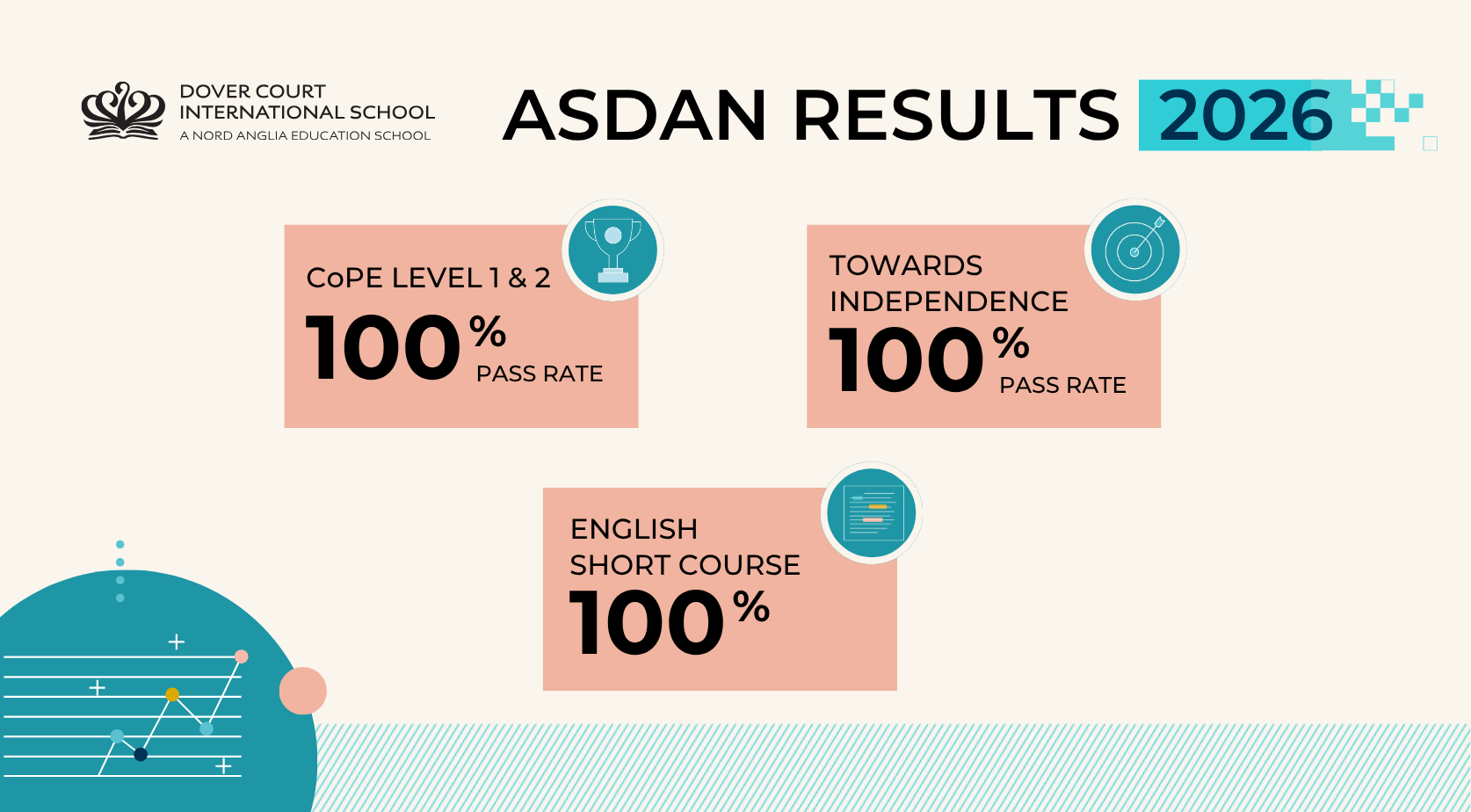
News Dover Court Students Achieve 100% Pass Rate Across ASDAN Programmes
Dover Court International School is celebrating an outstanding 100% pass rate across all ASDAN programmes in the 2025-26 academic year. Students successfully completed the ASDAN Certificate of Personal Effectiveness (CoPE), Towards Independence and English Short Course programmes, developing valuable skills in communication, problem-solving, independence and self-reflection while achieving recognised qualifications.
News image ![Nature as a Classroom: Outdoor Learning in Early Years | Dover Court Singapore - Nature as a Classroom Big Learning from Small Discoveries]() Blog | Early Years | Academic
Blog | Early Years | Academic
 Blog | Early Years | Academic
 Nature as a Classroom: Big Learning from Small Discoveries
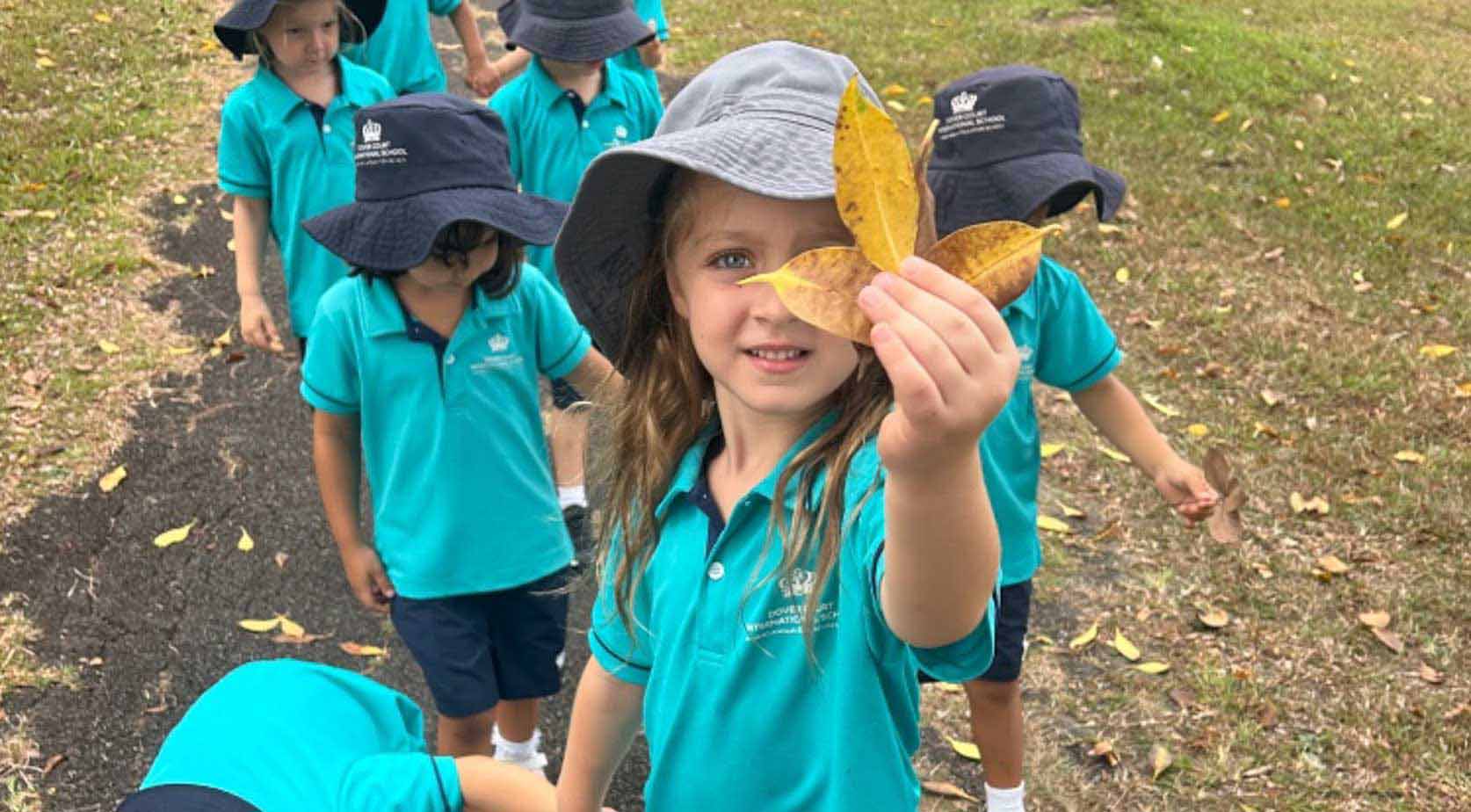
From collecting leaves and seeds in the park to examining natural objects under microscopes and creating artwork with berries, our Early Years children are discovering that nature is full of opportunities for inquiry, creativity and wonder. Read how outdoor learning and NEST (Nurturing Early Success Together), our Early Childhood Education Programme for children from Nursery to Year 2, help children develop curiosity, confidence and a deeper understanding of the world around them.


