.png?h=115&iar=0&w=355&rev=254a8275888a4654b485aeb2bdcaa25a&hash=010ABBCA78D65E608FE1974DA24A6AF2)


Thinking about Thinking: Building Metacognition from Early Years to Primary
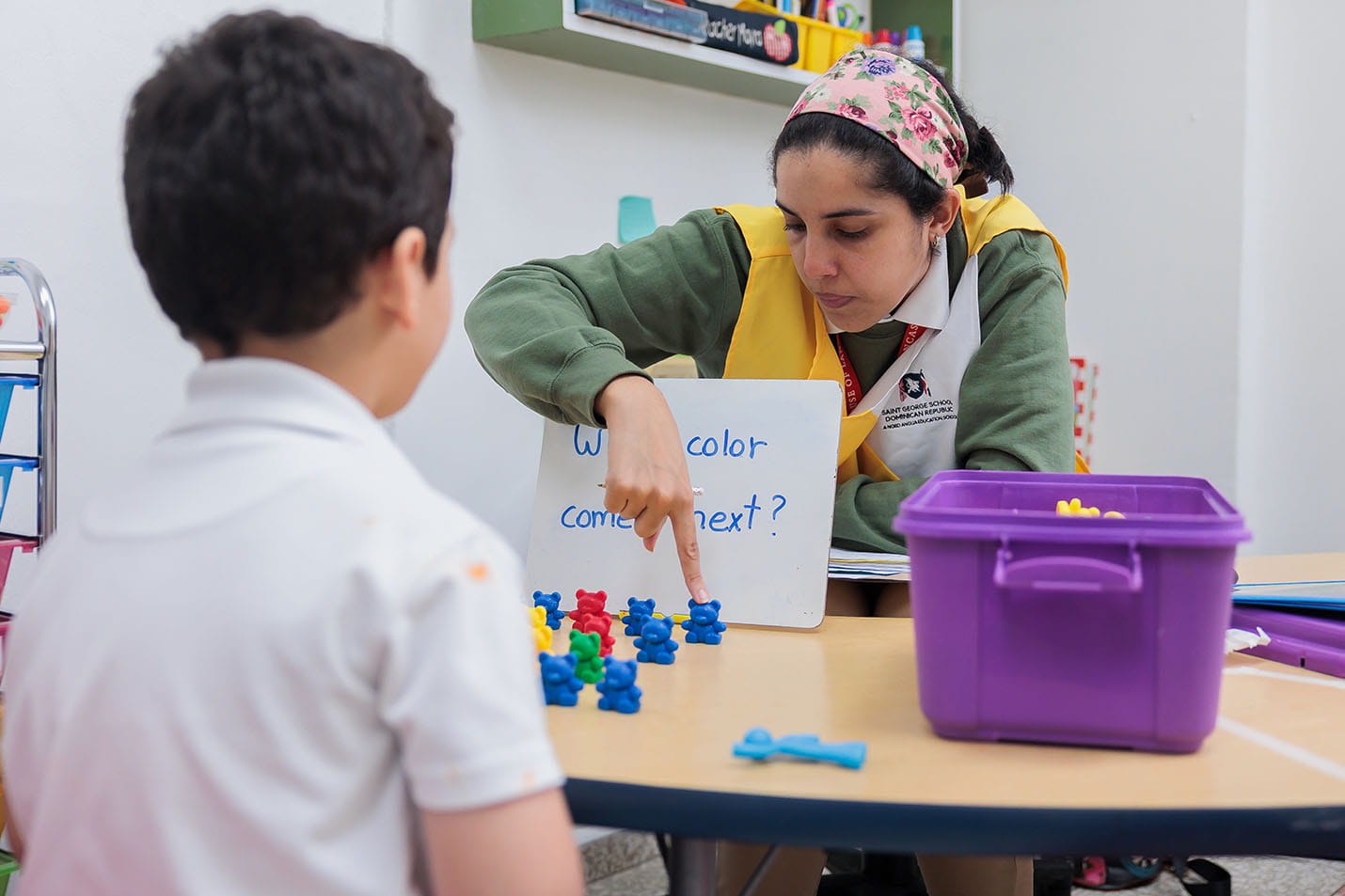
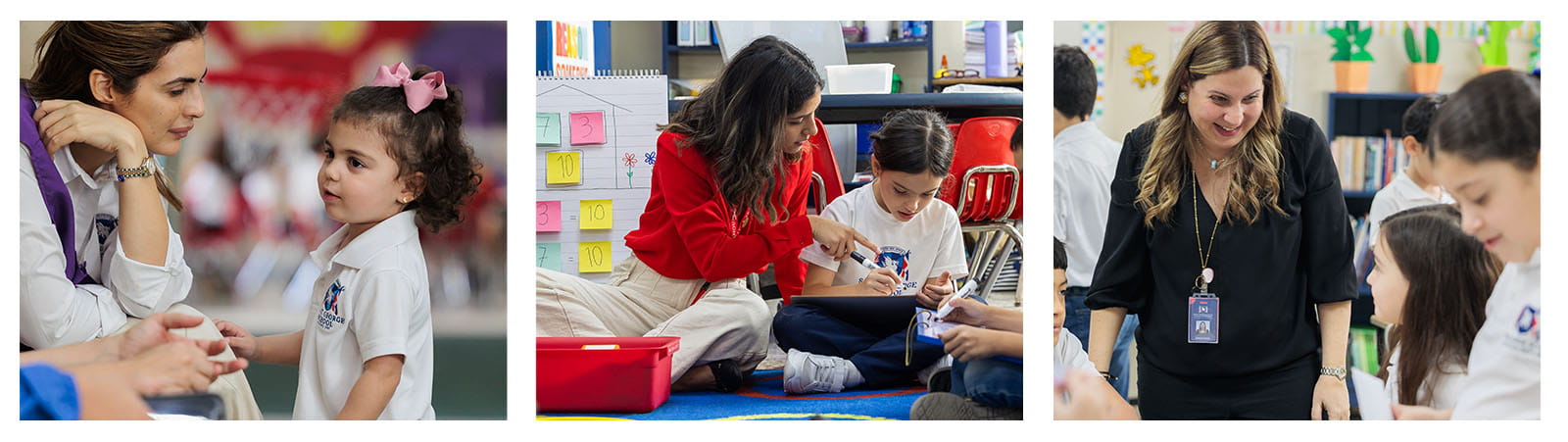 From our youngest learners in the Early Years to our Primary students preparing for the IB, metacognition lies at the heart of how we nurture curious, reflective, and independent thinkers.
What Is Metacognition?
Metacognition means being aware of one’s own thinking — noticing what we know, what we don’t know yet, and what steps we can take next.
When children ask themselves questions like:
What am I trying to do?
How can I solve this problem?
What will I try differently next time?
They begin to take ownership of their learning journey. This reflective mindset helps them move beyond completing tasks to understanding themselves as learners.
In the Early Years: Learning Through Play and Inquiry
In our Cambridge Early Years classrooms, metacognition begins through invitations and provocations that spark curiosity and reflection. A water play station might inspire predictions about what floats or sinks, while a storytelling corner encourages children to explain their choices. Teachers guide reflection with prompts such as, “What made you curious?” or “What did you notice?” helping children build the language of thinking.
In Primary: Thinking About Our Thinking
As students grow, metacognition becomes more intentional. Teachers model their thinking aloud and guide students to plan ,monitor, and evaluate their learning. Whether during a Reading Workshop reflection or a science inquiry, students pause to ask, “What am I doing as a thinker right now?”
A Culture of Reflection
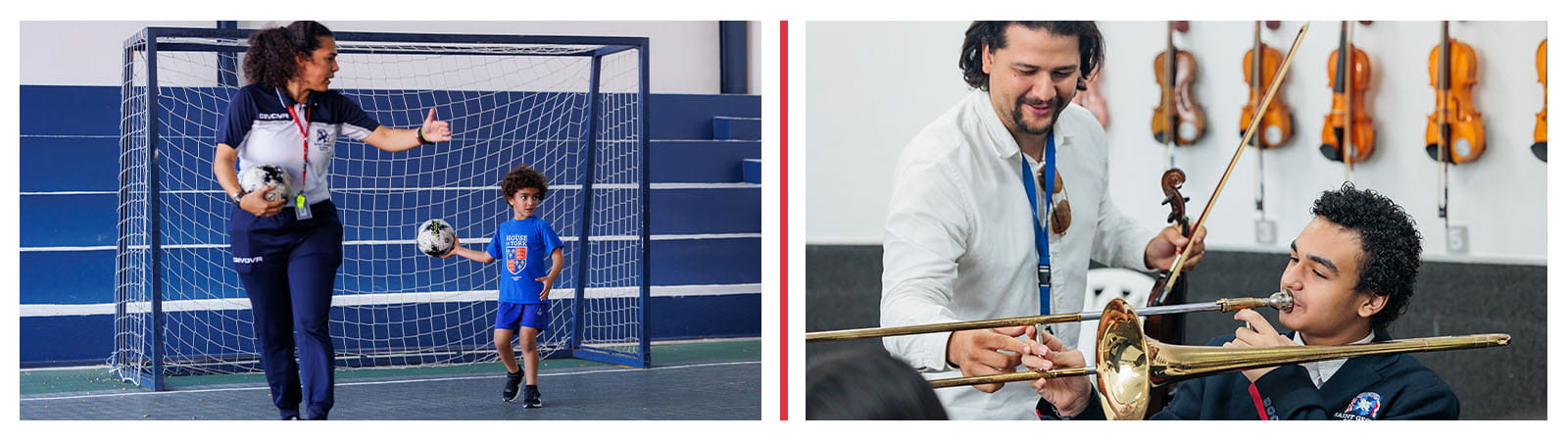
By learning to reflect, students see mistakes as opportunities and challenges as puzzles. At Saint George School, we are proud to cultivate a culture where reflection begins in play, deepens through inquiry, and prepares every learner to thrive with confidence and curiosity.
Elvira Marcalle
Head of Teaching and Learning for Infant & Primary Years
Related news
 Blog
Blog  News
News  Blog
Blog  Blog
Blog