

We use cookies to improve your online experiences. To learn more and choose your cookies options, please refer to our cookie policy.
Blog - Page 4 - News Search
More filters Reset
Reset
News image 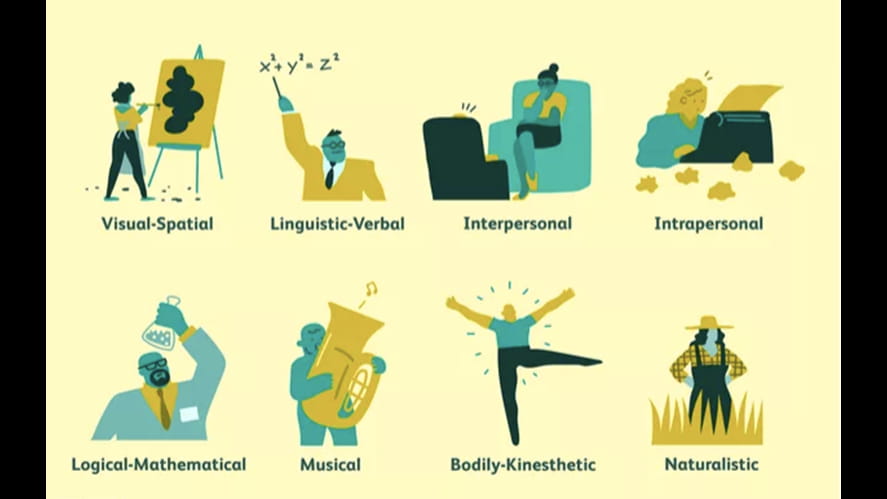 Blog | PrimaryBlog | Primary Blog
Blog | PrimaryBlog | Primary Blog Raising Emotionally Intelligent Children
“An intelligence is the ability to solve problems, or to create products, that are valued within one or more cultural settings.” -- Howard Gardner, Frames of Mind (1983)
News image 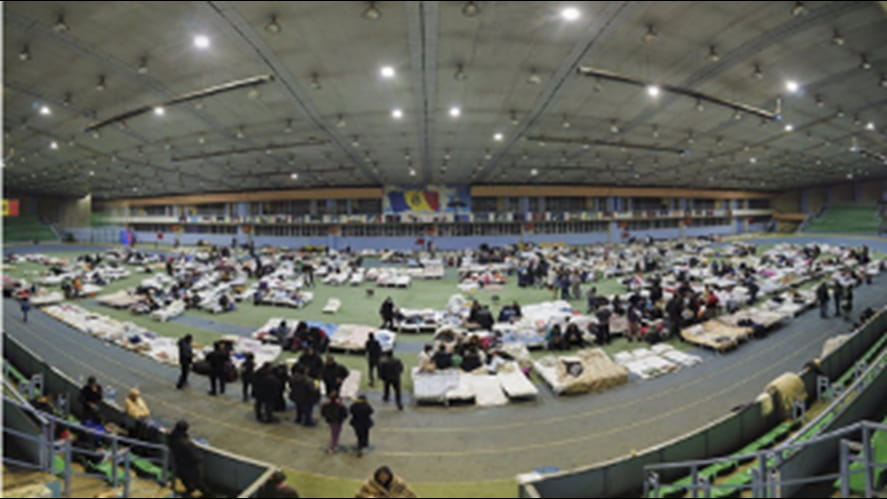 Blog | SecondaryBlog | Highlights | Secondary Blog
Blog | SecondaryBlog | Highlights | Secondary Blog Wars, conflicts, migration…
People that migrate (move) from the place where they live to a new place where they will live are known as migrants. Internally displaced people (people that migrate inside the country), internationally displaced people (people that migrate out to a different country), refugees (people that seek refuge, shelter), they are all types of migrants. Migrants, and migration, are as old as humanity itself. Migration is so common, and so present in our daily lives, that it’s very likely you know someone in your family who is (was) a migrant. My family, for instance, is made up of many migrants.
News image  Blog | SecondaryBlog | Secondary Blog
Blog | SecondaryBlog | Secondary Blog IGCSE Exams
The Y11s only have about two weeks to prepare for their IGCSE exams. This is quite an interesting but also very demanding time for them - everyone remembers how stressful exams can be from back when we were in school ourselves.
News image 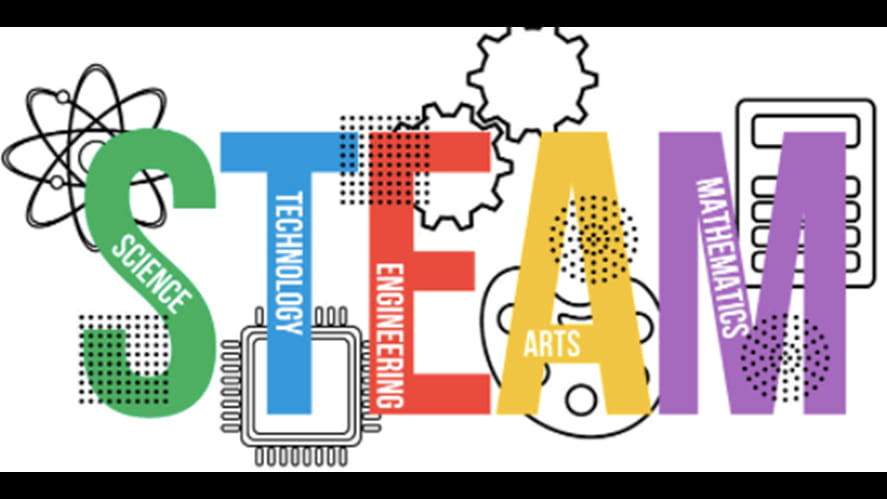 Blog | PrimaryBlog | Primary Blog
Blog | PrimaryBlog | Primary Blog Learning Creative Thinking with STEAM
Creative Thinking can be considered one of the most valuable and necessary skills in today's society. We all know how workplaces are constantly changing due to new technologies and ways of seeing things. With that in mind, Cathy Davidson estimated in her book Now You See It, that two-thirds of today's children will end up doing work that hasn't been invented yet. So, how can we teach and prepare our children for a future that we can't actually predict?
News image  Blog | homepagefeaturedarticle | Global Education | Highlights | Secondary Blog
Blog | homepagefeaturedarticle | Global Education | Highlights | Secondary Blog Actions, attitudes and reflections
The behavioral policy makes sure that all our students understand that decisions and choices have consequences just like in the real world. We need to follow guidelines that are created to ensure students are safe, feel included and can focus on building positive relationships and achieving success in academics.
News image 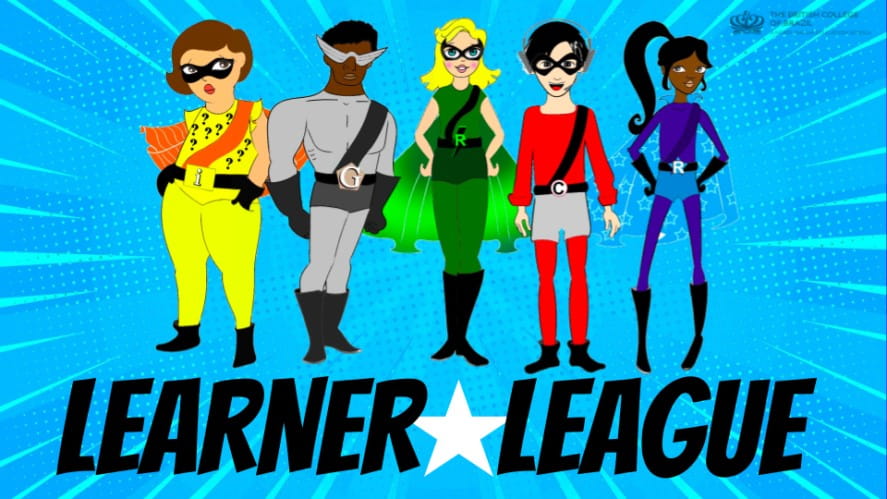 Blog | homepagefeaturedarticle | Highlights | Secondary Blog
Blog | homepagefeaturedarticle | Highlights | Secondary Blog How the Learner League transitions from Primary to Secondary School
It is that time of year when Primary students in Year 6 look forward to transitioning into Secondary with students moving from both the CF and CJ Primary to a vastly different and strange new world …….or is it?
News image  Blog | SecondaryBlog | Secondary Blog
Blog | SecondaryBlog | Secondary Blog When codes make it work
Technology is an innovation of humans and learning how to intentionally engage with Big Data, Machine Learning, and the Internet of things is an essential skill in our everyday lives. As smart devices and cloud connection become an increasing part of daily life on Earth, coding and programming is evolving from an optional field of study into a basic literacy.
News image  Blog | homepagefeaturedarticle | Highlights | Secondary Blog
Blog | homepagefeaturedarticle | Highlights | Secondary Blog Running towards exam success
Exercise makes us feel good – that’s well documented. But do you know why? Does it burn off stress? Reduce muscle tension? Or release endorphins perhaps?
News image  Blog | SecondaryBlog | Secondary Blog
Blog | SecondaryBlog | Secondary Blog Vocabulary, collocations and ablaut reduplication (or another reason why acquiring English is difficult).
When reviewing vocabulary during a speaking activity recently, one student used the phrase, “I put my fork and knife down.” I recast the sentence saying, “So, you put down your knife and fork?”. “Yes, I put down my fork and knife.”, came the response. Why did this sound so odd to me and why was the poor student confused when I tried to explain that it’s knife and fork in English, in that order otherwise it sounds wrong? I believe a direct translation from Portuguese (garfo e faca) is partly at fault for the confusion, but English must also take some of the blame.
News image  Blog | PrimaryBlog | Primary Blog
Blog | PrimaryBlog | Primary Blog Safeguarding at BCB
Our children’s safety is of paramount importance. When children are feeling safe and happy in their environment, this is when they thrive.
News image 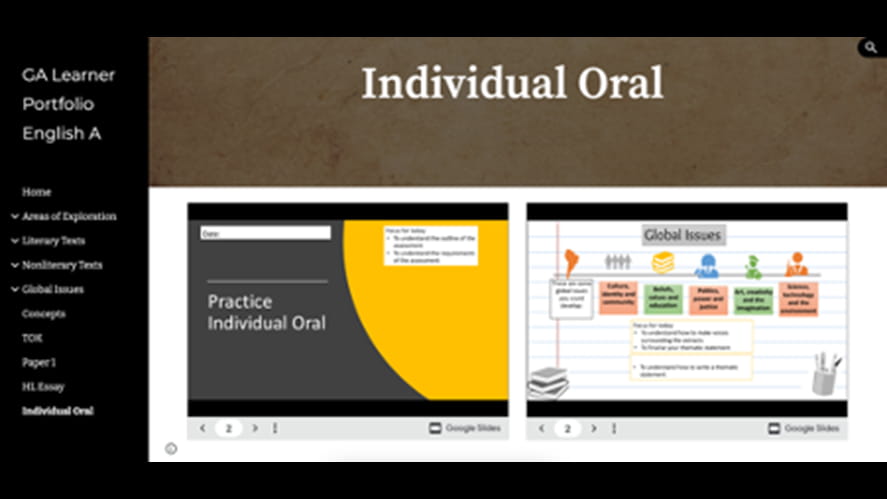 Blog | homepagefeaturedarticle | Highlights | Secondary Blog
Blog | homepagefeaturedarticle | Highlights | Secondary Blog Y12 - IBDP1 - English A: Language and Literature
In the IB, students face what is possibly two of the most critical years of their lives. Small but consistent decisions they make now can unlock future opportunities that they may not even know exist yet.
News image 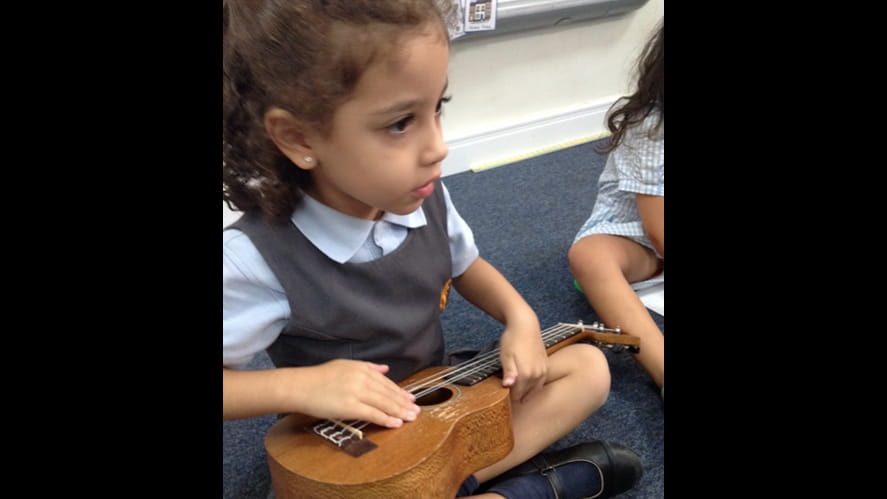 Blog | PrimaryBlog | Primary Blog
Blog | PrimaryBlog | Primary Blog Music approach in EYFS - enhancing the musical experience at home
One question I hear very often when I say I teach Music to Early Years pupils is, “How do you teach Music to such little children?”. I think this happens because there is a misconception that learning Music is only related to knowing how to read music notation or playing an instrument accurately. However, learning Music goes far beyond this. Music is inherent to human beings. It is a way of expressing ourselves. It is about emotional connection. It is about creativity and sensibility.
News image 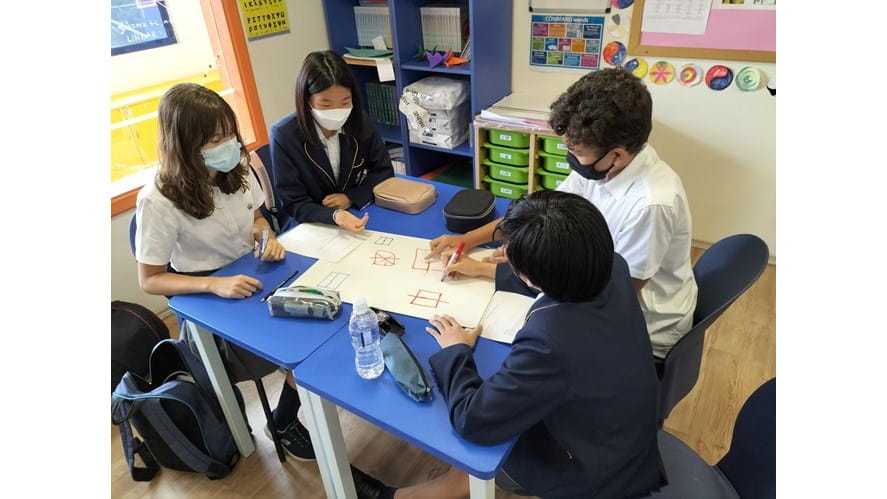 Blog | homepagefeaturedarticle | Highlights | Secondary Blog
Blog | homepagefeaturedarticle | Highlights | Secondary Blog The Mathematics Challenge Club
As we approach the middle of the school year, I’d like to take some time to explore what is happening within the mathematics department, in the classroom and with student’s at home.
News image  Blog | PrimaryBlog | Highlights | Primary Blog
Blog | PrimaryBlog | Highlights | Primary Blog Inserindo a criança em práticas cotidianas de uso da Língua Portuguesa
Desde muito cedo queremos entender o porquê de tudo que fazemos e não há nada que nos motive mais do que um propósito. Pensando no aprendizado de um idioma, as situações cotidianas em que precisamos usá-lo se tornam muito propícias para que a criança veja sentido em falar, ler, escrever e interpretar o Português. Neste artigo e também em nosso workshop dia 15/02 às 9h da manhã, traremos algumas dicas que poderão ajudar os pais a estimular suas crianças nos diversos usos da Língua Portuguesa.
News image Blog | homepagefeaturedarticle | Highlights | Primary Blog
Blog | homepagefeaturedarticle | Highlights | Primary Blog Primary Expressive Arts Week
Como parte da semana de Expressive Arts do The British College of Brazil, na qual foram celebradas variadas formas de manifestação artística como: pintura, grafite, dança e música, o departamento de Língua Portuguesa selecionou o gênero textual Poema para ser trabalhado com as turmas do Primary e apresentado ao final da semana para todos os alunos em um sarau.
News image 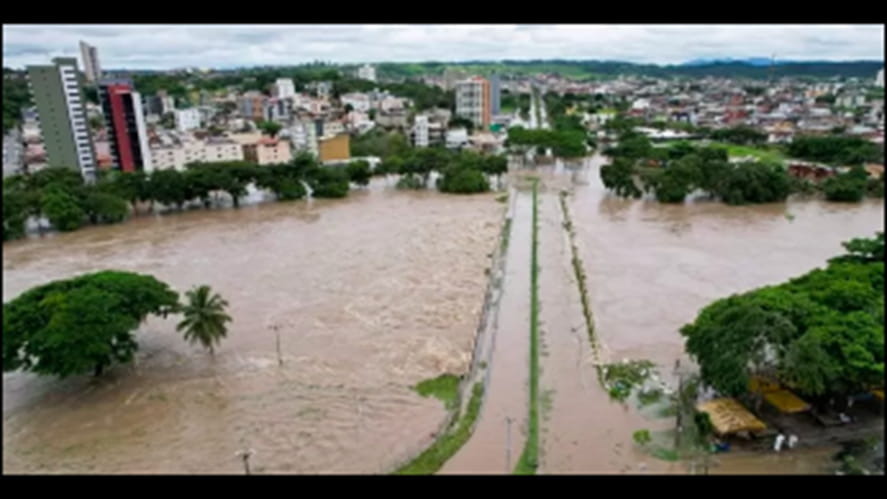 Blog | homepagefeaturedarticle | Highlights | Secondary Blog
Blog | homepagefeaturedarticle | Highlights | Secondary Blog Embedding the STEAM challenges in the science curriculum
Summer has arrived in the southern hemisphere as well as the main rainy season of the year. The hottest season is known as the wettest one, which is to be expected. However, we have noticed that weather events have become more extreme over the years. In the context of extreme weather events, our secondary students have engaged in the STEAM challenges in collaboration between Nord Anglia and MIT.
News image  Blog | SecondaryBlog | Secondary Blog
Blog | SecondaryBlog | Secondary Blog Our Arts
In the arts we are enjoying the experience of teaching and learning practical work again. Our students are doing a range of activities including; printing, perspective, painting, playing instruments, playing in ensembles and performing in front of an audience.
News image 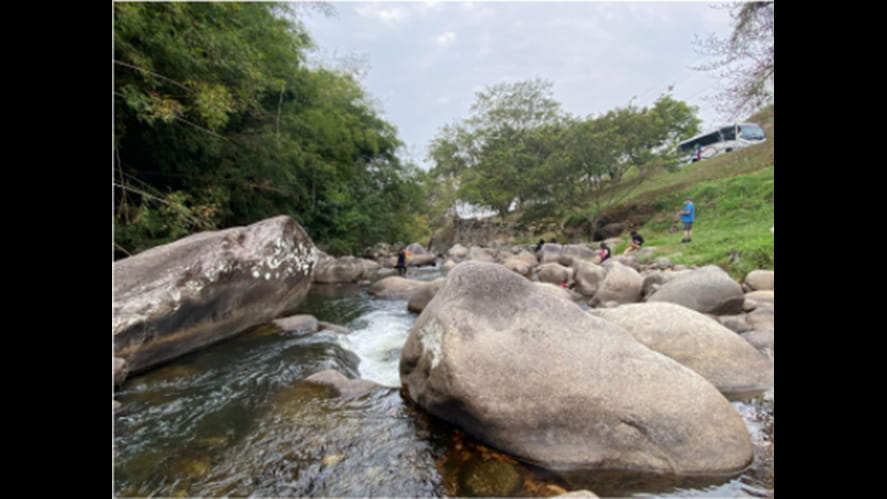 Blog | SecondaryBlog | Secondary Blog
Blog | SecondaryBlog | Secondary Blog Looking back on Term 1
What an interesting and eventful first term it was! As we are now heading full gear into term 2, it’s always valuable to look back upon what we have done and achieved.
News image 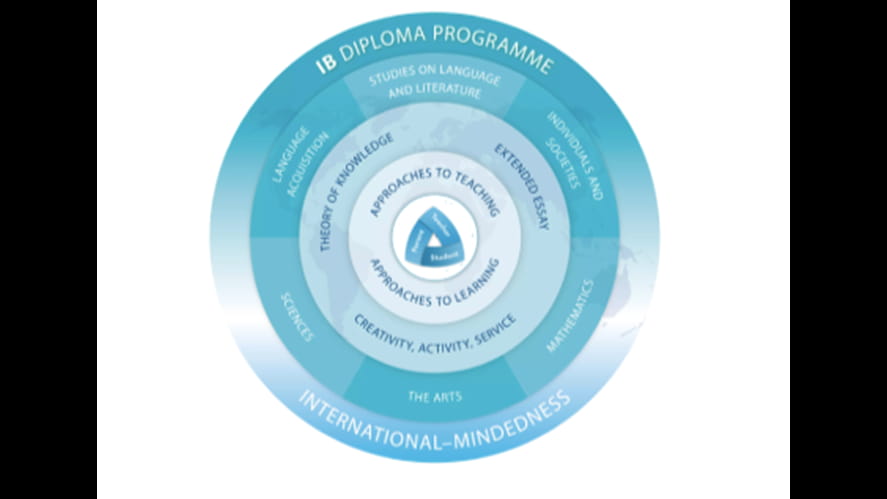 Blog | SecondaryBlog | Secondary Blog
Blog | SecondaryBlog | Secondary Blog A New Year brings the start of the Extended Essay
January, the start of Term 2 and without doubt the most demanding period of the International Baccalaureate Diploma Program (IBDP) for students and staff at BCB. For our IBDP2 cohort, the final deadlines of their controlled assessments arrive and as their courses finish revision picks up pace. For staff, alongside their usual workload comes the added need to mark and moderate assessed work. As well as plan interesting and worthwhile revision activities. It is also in the second term of the IBDP that the weight and expectations of the program become a reality for our IBDP1 cohort.


