


What ‘Future Skills’ Really Mean and How Schools Develop Them from an Early Age
A PERSONALISED JOURNEY TO SUCCESS
Critical thinking. Collaboration. Communication. Adaptability.
These qualities are widely recognised as essential for the future. However, for many families the concept can still feel abstract. Parents often ask an important question:
What do these skills actually look like in a classroom and how do children develop them?
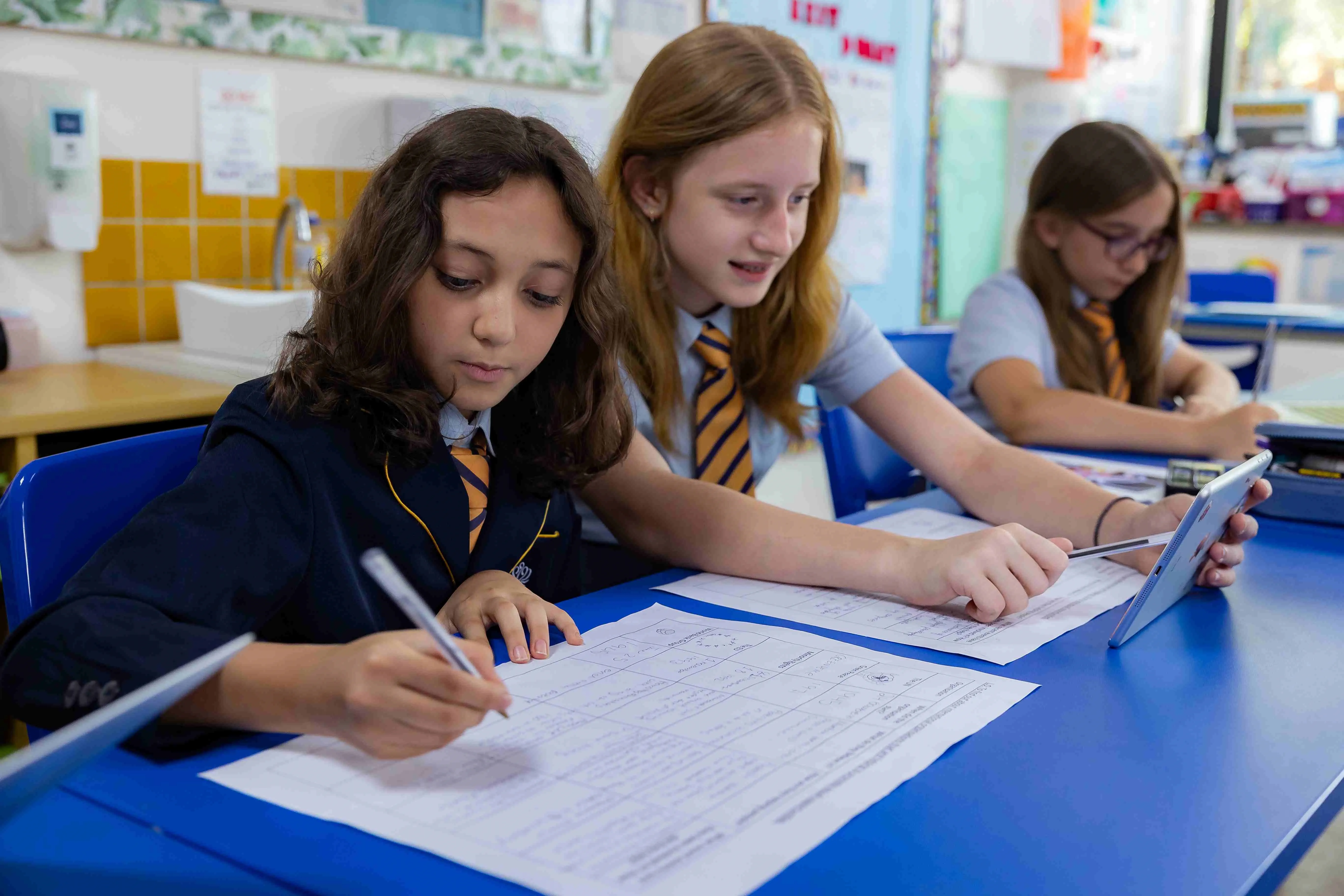
The answer is that future ready skills are not taught in a single lesson, nor are they added later as an extra subject. Instead, they develop gradually through everyday learning experiences that encourage children to question ideas, discuss their thinking with others and take increasing ownership of their learning. This creates a culture where these skills shape every aspect of teaching and learning.In other words, they grow through the way children learn, not simply through what they learn. At The British College Brazil, we refer to these as Learning Behaviours, which are brought to life in Primary through our Learner League heroes and developed further in Secondary through the IB Learner Profile attributes.A classroom moment that reveals more than a worksheet
Imagine a group of Primary students working together to solve a problem. They are discussing how to design a structure that will support the greatest amount of weight using a limited number of materials. Different ideas emerge. One student suggests reinforcing the base. Another thinks the height should be reduced. A third proposes testing several prototypes before deciding. The teacher does not immediately provide the answer. Instead, she asks questions:
“Why do you think that would work?”
“What evidence do you have?”
“Can you explain your reasoning to the group?”
At first glance, this may appear to be a simple classroom activity. In reality, something much deeper is happening.
Students are learning to articulate their thinking. They are evaluating evidence, negotiating ideas and learning how to disagree respectfully. They are testing solutions, reflecting on mistakes and adjusting their approach.
These are exactly the habits that underpin critical thinking, communication and collaboration.
As one of our Year 6 teachers, Ms. Lauren Tracy, explains:
“When students learn how to think together, not just work alongside each other, their learning becomes deeper and far more transferable.”
Why future skills must start early
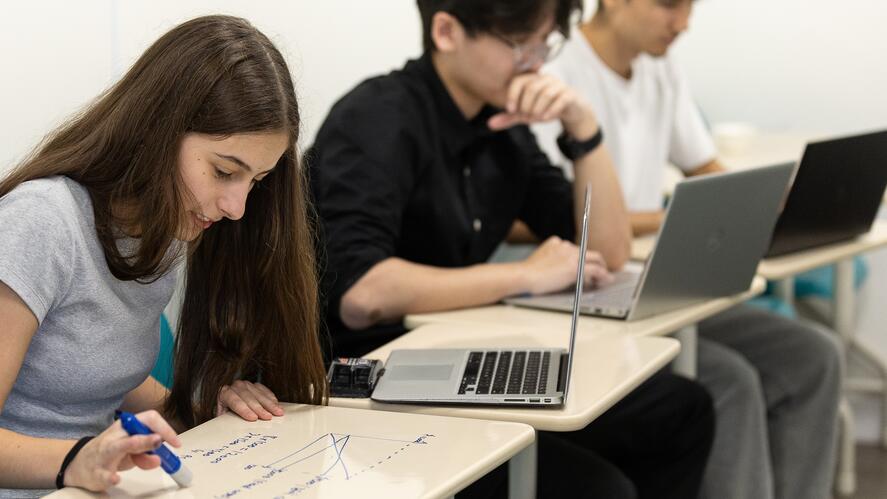
.jpg?h=742.333&w=1096.33&rev=84d44b259d1743b582d791cd3f2b44d5&hash=AF32339CB2C1C286CA2FF09111DD263B)
Skills such as problem solving, adaptability and independent thinking do not suddenly appear during secondary school or adulthood. They develop gradually through repeated opportunities to:
• ask meaningful questions
• explain reasoning and justify ideas
• collaborate with peers
• reflect on successes and mistakes
• adapt strategies when something does not work
Research into child development consistently shows that early learning experiences shape how confidently children approach complexity later in life.
When children are used to being passive recipients of information, independent thinking can feel uncomfortable. When inquiry, discussion and reflection are part of everyday learning, challenge becomes something students expect and feel confident tackling.
At The British College Brazil, learning approaches such as inquiry based projects, collaborative tasks and reflective thinking routines help students understand how they learn, not just what they learn.
Teachers also use a range of thinking routines developed by researchers at Harvard University’s Project Zero. These short, repeatable strategies help make students’ thinking visible and encourage deeper reflection. Simple routines such as See, Think, Wonder, Curiousity Dig and Think That, Stand Back, Push Back prompt students to slow down, consider evidence and explain their reasoning. Over time, these routines become familiar habits that help children approach learning with greater curiosity, structure and independence. This metacognitive awareness, or thinking about one’s own thinking, becomes a powerful foundation for success throughout Primary, Secondary and beyond.
What future skills look like in practice
For example:
Students might tackle open-ended questions where several solutions are possible, requiring them to justify their reasoning rather than simply recall information. Group activities often require students to listen carefully, negotiate roles and build on each other’s ideas, developing both collaboration and communication. Teachers provide feedback focused on thinking and strategy, not just whether an answer is correct. Students are also given time to reflect on their learning, considering what worked well, what did not and how their approach could improve next time.
Another important part of developing these skills is the way teachers model them themselves. In effective classrooms, teachers demonstrate curiosity, ask thoughtful questions and openly reflect on their own thinking. When students see adults explaining their reasoning, reconsidering ideas and responding positively to mistakes, they begin to understand that learning is an active process rather than simply finding the right answer. This modelling helps create a classroom culture where inquiry, reflection and collaboration feel natural.
Over time, these small but consistent experiences help children develop confidence when facing uncertainty, which is a crucial part of adaptability and resilience.
How parents can support future ready skills at home
Small shifts in everyday conversations can make a meaningful difference.
Parents might:
• ask children to explain their thinking, even when they are unsure
• encourage them to describe how they solved a problem, not just the answer
• normalise mistakes as a natural and valuable part of learning
• ask who helped them learn something that day
• invite children to reflect on what they might try differently next time
These conversations send an important message. Learning is not simply about getting things right. It is about curiosity, persistence and growth.
Preparing children for a future we cannot fully predict
What we can do is help children become learners who are curious, adaptable and confident navigating complexity. Schools that prioritise future skills from an early age help students develop habits of thinking that remain valuable throughout their lives academically, socially and personally.
Because ultimately, the ways children learn today shape the ways they will think tomorrow.
Curious to see this approach in action?
We warmly invite families to visit our campus, observe learning in action and discover how our students develop the skills they need not only for exams, but for life.
Related news
.jpg?h=499&iar=0&w=887&rev=1be910b57b6d4c0ab806b10acefd323a&hash=1BED00FCB6185EB2C9A988F33FCD9D53) Blog | Global Education | globaleducation
Blog | Global Education | globaleducation  Blog | Global Education | globaleducation
  Blog | Global Education | globaleducation | SecondaryBlog
  Blog | Global Education | Secondary Blog | SecondaryBlog


