

29 May, 2026
Creativity in the Classroom: Creating Critical Thinkers
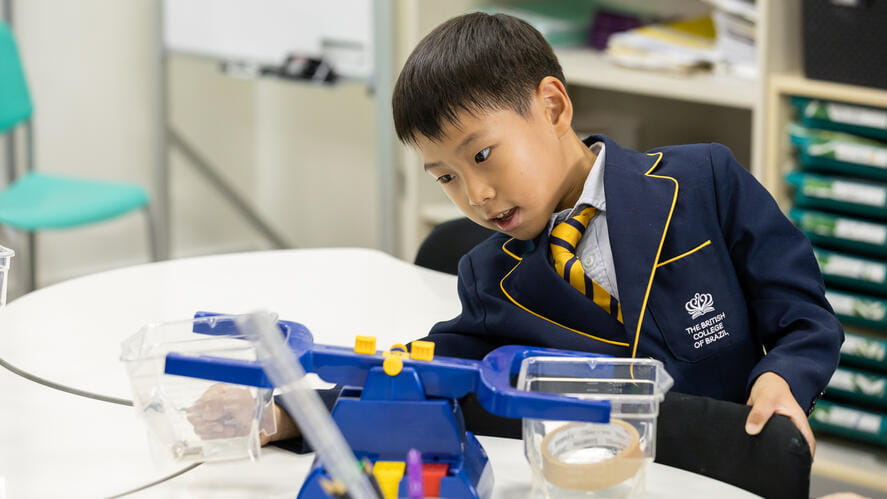
Creativity in the classroom goes far beyond art supplies and colourful displays. In this reflective piece, a BCB teacher explores how creative teaching approaches support different learning styles, build emotional understanding and turn abstract concepts into lived experiences. From hands-on learning to spontaneous moments that shape true understanding, this article highlights why creativity remains central to developing confident, critical thinkers.
A PERSONALISED JOURNEY TO SUCCESS
At The British College of Brazil, we put students' best interests at the heart of everything we do. Contact our Admissions team today to discover how our teachers will tailor your child’s journey – preparing them for success, no matter what the future brings.
Enquire nowby Ms Gerlien Laubscher - Year 4 Teacher
Creativity, to me, is not just colourful paintings, messy palettes and paint-stained aprons. Creativity sits at the heart of my teaching. It is not about making lessons flashy or entertaining for the sake of it; it is about making learning meaningful, accessible and memorable for every child in my classroom.
Every child learns differently, and creativity allows me to adapt lessons to meet those differences. Sometimes this means turning learning into songs, rhymes or mnemonics to make key concepts easier to remember. For some children, hearing information once is not enough — but adding rhythm and repetition helps it stick, offering another way into the learning.
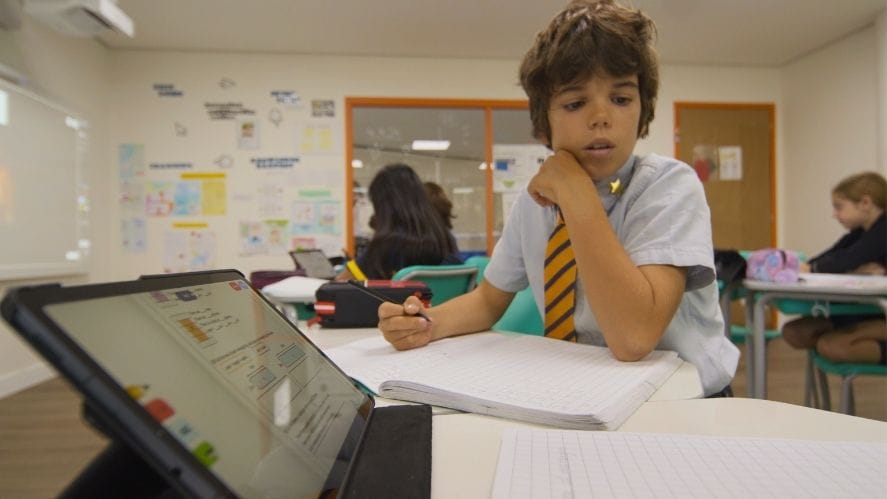
Creativity also allows for hands-on experiences, where children can express themselves in ways that feel true to them, rather than dictated by a screen or a worksheet.
It also shapes how I present learning. I enjoy designing engaging presentations and displays that connect to our topics and spark curiosity. During our Making Waves IPC unit, for example, I transformed a simple display of children’s work into torch-like visuals linked to the theme. Small creative touches like this help children feel proud of their work and more connected to their learning journey.
One of the most powerful examples of creativity in my classroom came during an IPC lesson about travel and language barriers. My students understood the concept, but I could sense they did not truly feel it. In that moment, I changed course and began speaking in a completely different language while asking for some of their belongings. The room instantly filled with confusion and uncertainty.
Then came the realisation — for a brief moment, they were experiencing exactly what we were learning about.
That moment reminded me that creativity is not just about explaining ideas differently; it is about creating experiences that make learning real. Lessons are not shaped by perfect content, but by meaningful, creative output.
While tools like OpenAI can support planning and generate ideas, they cannot replace the instinctive decisions teachers make in response to their students. They cannot read the room, sense when understanding has not quite clicked, or know which creative approach will support a particular child.
That is why creativity matters so deeply to me. It comes from knowing my students, understanding how they learn, and transforming information into experiences they will remember long after the lesson ends.
Related news
News image ![International Schools in São Paulo: 5 Questions to Ask | BCB - Choosing an International School]() Blog | Global Education | globaleducation
Blog | Global Education | globaleducation
.jpg?h=499&iar=0&w=887&rev=1be910b57b6d4c0ab806b10acefd323a&hash=1BED00FCB6185EB2C9A988F33FCD9D53) Blog | Global Education | globaleducation
Blog | Global Education | globaleducation Choosing an International School? 5 Questions to ask first
Five questions to help you find an international school where your child learns alongside the world, not just about it.
News image ![Why Teachers Still Matter in a Digital Classroom | BCB - Why teachers still matter in a technology-driven classroom]() Blog
Blog
 Blog
Blog Why your child’s teacher matters more than the technology in the classroom
Technology is changing how children learn, but the role of the educator remains essential. Discover why great teaching goes far beyond delivering information.