


We use cookies to improve your online experiences. To learn more and choose your cookies options, please refer to our cookie policy.
05 June, 2026
How early childhood education builds confident learners ready for primary school
Parents choosing early years schools and kindergartens in HCMC want confidence that their child will arrive in Year 1 already thriving.
The Early Years and Infant Campus at the British International School Ho Chi Minh City (BIS HCMC) supports children from age 2 through Year 2, creating a single, continuous learning environment that removes the disruption of a separate kindergarten-to-primary handover.
Children stay in familiar routines, with consistent expectations and a stable community, so they can focus on learning from day one.
Expert early years teachers help children settle quickly and build the confidence, communication and self‑regulation skills that make the move into Year 1 smoother and more successful.
Building strong foundations through early childhood education
In the early years, the focus is on developing the essential skills that underpin long-term success. These include communication, independence, emotional awareness, and the ability to engage positively with others.
Rachel Sutton, Head of Foundation Stage 3, explains that readiness for primary school begins with how children feel about themselves as learners. “It is less about academic success at this age and more about confidence, independence, communication, and the ability to engage with others and routines,” she says.
This reflects a structured approach to holistic child development. Children are guided to express themselves clearly, work collaboratively, and navigate social situations with increasing maturity. For example, through structured “talk partner” activities, they learn how to make eye contact, take turns speaking, and listen attentively. These are small but significant steps that support both academic progress and classroom confidence.
Inquiry-based learning in everyday classroom practice
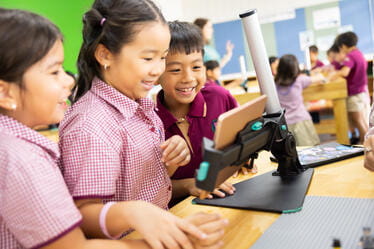
An inquiry-based learning environment ensures that children are actively involved in their own development. Rather than passively receiving information, they explore, question, and apply their understanding in meaningful contexts.
In practice, this is carefully scaffolded. Teachers introduce consistent language and visual prompts to help children become more independent in their learning. Key vocabulary is embedded across the classroom, encouraging children to use and revisit language as part of daily routines.
Emotional development is also given structured attention. Regular circle times allow children to discuss feelings and build emotional awareness. When needed, tools such as the BIS care kit support children in managing their emotions constructively.
This combination of academic structure and emotional support ensures that developmentally appropriate practice is not abstract. It is visible, consistent, and measurable in how children interact, communicate, and respond to challenges.
Learning through play with clear academic intent
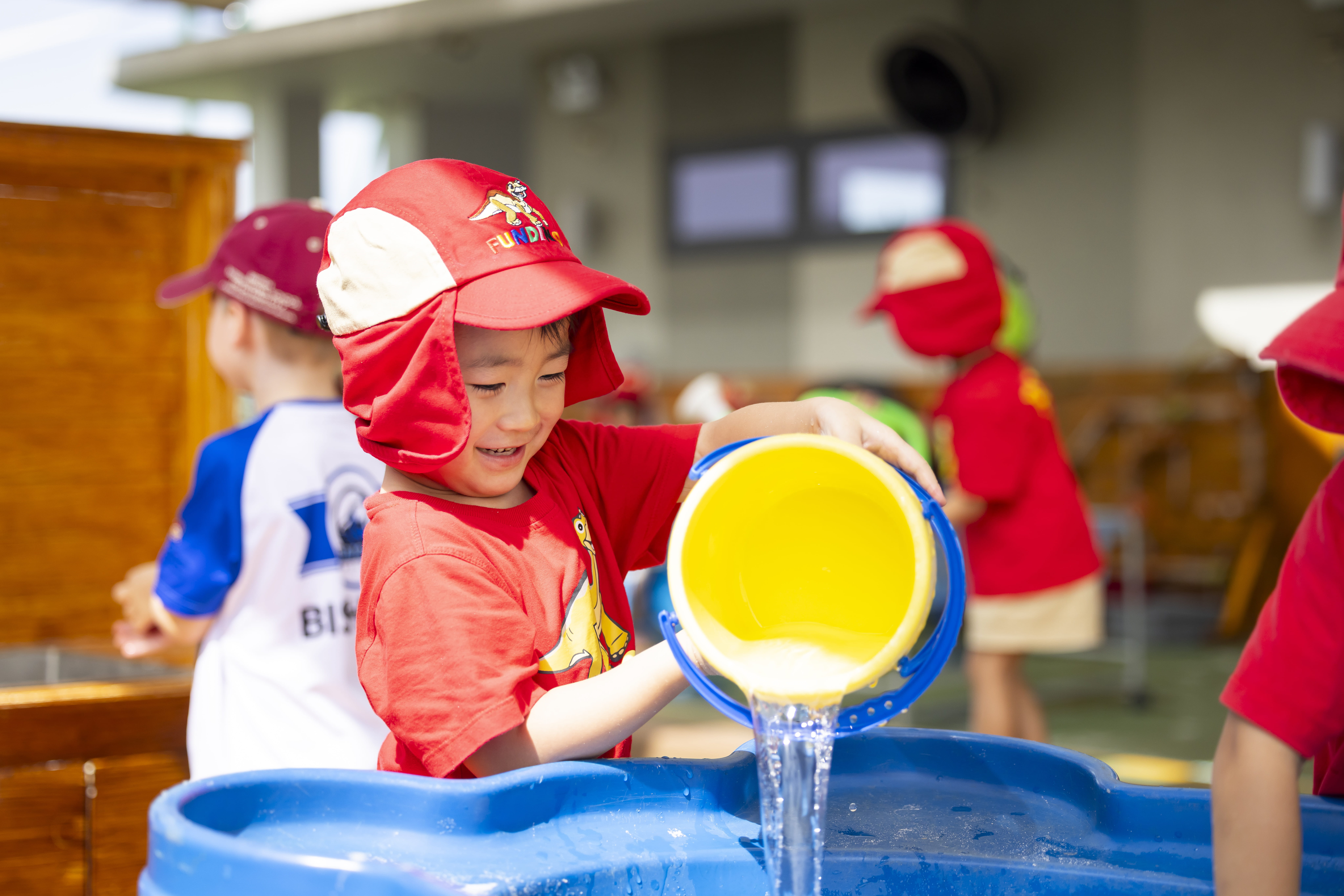
One common misconception is that play-based learning lacks rigour. In reality, when delivered effectively, it is one of the most powerful methods for developing early academic skills.
At BIS HCMC, learning through play is deliberately structured to build transferable skills. “We believe play is not a break from learning but that all skills can be acquired through it,” Rachel Sutton explains.
This approach continues into Key Stage 1 (Years 1-2), ensuring continuity rather than a sudden shift in expectations. Children move seamlessly from early childhood education into more formal learning because the underlying skills have already been established.
Classroom routines further reinforce this transition. Daily timetables are visible and interactive, with children actively involved in setting up and organising their day. Timers, songs, and hand signals provide clear cues for transitions, helping children adapt to structured learning environments without anxiety.
These consistent systems support child development milestones by building familiarity, predictability, and independence.
Continuity that strengthens transition into primary school
A smooth transition to primary school is not only about the child. It is also about the environment and the consistency of expectations.
At BIS HCMC, the Early Years and Infant Campus was purpose-built with smooth transitions in mind. The campus supports students from Foundation Stage 1 (Age 2-3) up to Year 2 (Age 6-7), as well as Fundinotots a baby and toddler group for children up to 36 months.
While Foundation Stage children have their own private spaces, they also share some public spaces with older children and are gradually introduced to more areas of the campus as they gain confidence, an approach that is especially valuable for children with older siblings in Years 1 and 2.
Within a single school community, children benefit from shared language, routines, and values. Behaviour expectations such as being ready, respectful, and caring are introduced early and reinforced throughout the school. This continuity reduces uncertainty and allows children to focus on learning rather than adjustment.
Relationships also play a key role. Strong partnerships with families are maintained as children progress through the school. Regular communication, surveys, and parent workshops ensure that parents remain informed and involved in their child’s development.
This alignment between home and school creates a stable foundation that supports both academic and personal growth.
Because BIS HCMC Early Years students remain on the same campus, with consistent teachers, routines and older peers as role models, they avoid the disruption many children face when moving from separate kindergartens into primary schools.
A clear pathway from early years to future success
Early childhood education is the beginning of a carefully structured journey that leads to primary school and beyond.
At The British International School Ho Chi Minh City, each element of preschool education is intentionally designed to support long-term outcomes. Strong routines, consistent expectations, and expert teaching ensure that children develop the skills they need to thrive in more formal academic settings.
For parents seeking clarity on future pathways, the message is straightforward. A well-structured early years experience builds confident, capable learners who are ready to engage with the next stage of their education.
Families who would like to understand more about how this transition is supported are always welcome to speak with our academic team and explore how these foundations are built in practice.
Related news
News image ![BIS HCMC IGCSE Students Secure Outstanding Results with 1 in 3 Grades at A* - IGCSE Results 2026]() News | Academic Results
News | Academic Results
 News | Academic Results
 BIS HCMC IGCSE Students Secure Outstanding Results with 1 in 3 Grades at A*
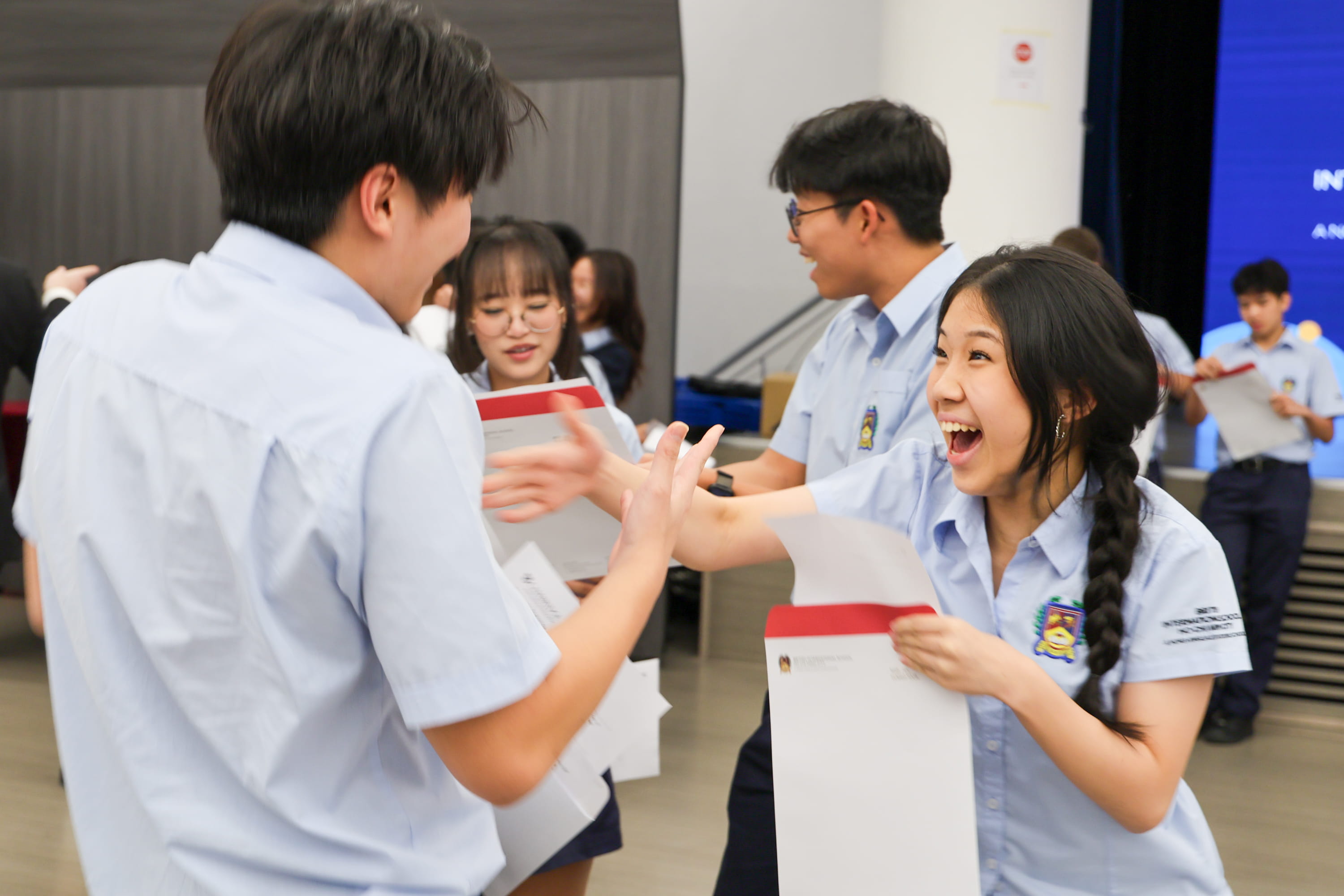
It’s that time of year again! Our current Year 12s gathered in the Auditorium to open those all-important IGCSE results. This year's group of 153 students completed an extraordinary 1,410 exam entries. Congratulations to the IGCSE Class of 2026, who, before you know it, will be our graduating Class of 2028!
News image ![Celebrating 20 Years of IBDP Excellence Congratulations to the BIS HCMC Class of 2026 - Celebrating 20 Years of IBDP Excellence Congratulations to the BIS HCMC Class of 2026]() News | Academic Results
News | Academic Results
 News | Academic Results
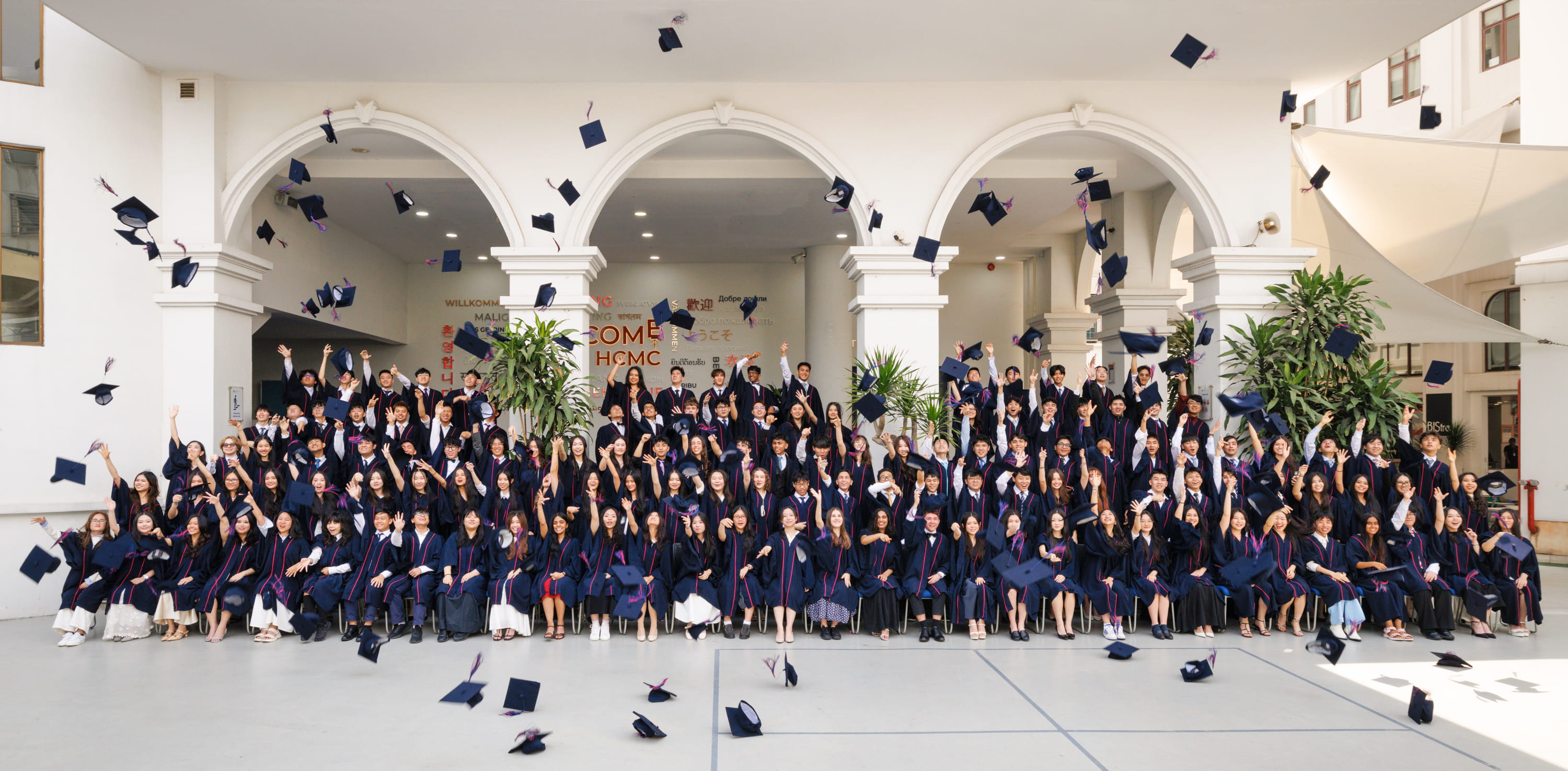
 Celebrating 20 Years of IBDP Excellence: Congratulations to the BIS HCMC Class of 2026
We are incredibly proud to announce the International Baccalaureate Diploma Programme (IBDP) results for the BIS HCMC Class of 2026. Our 20th graduating cohort, and our largest to date with over 120 students taking the full diploma, has once again far surpassed global averages, demonstrating immense hard work, commitment, and resilience.
News image ![The Duke of Edinburghs International Award at BIS HCMC - From Mountain Trails to Lifelong Skills - The Duke of Edinburghs International Award at BIS HCMC - From Mountain Trails to Lifelong Skills]() Blog | Co-Curricular Activities | Expeditions | Learning (SC)
Blog | Co-Curricular Activities | Expeditions | Learning (SC)
 Blog | Co-Curricular Activities | Expeditions | Learning (SC)
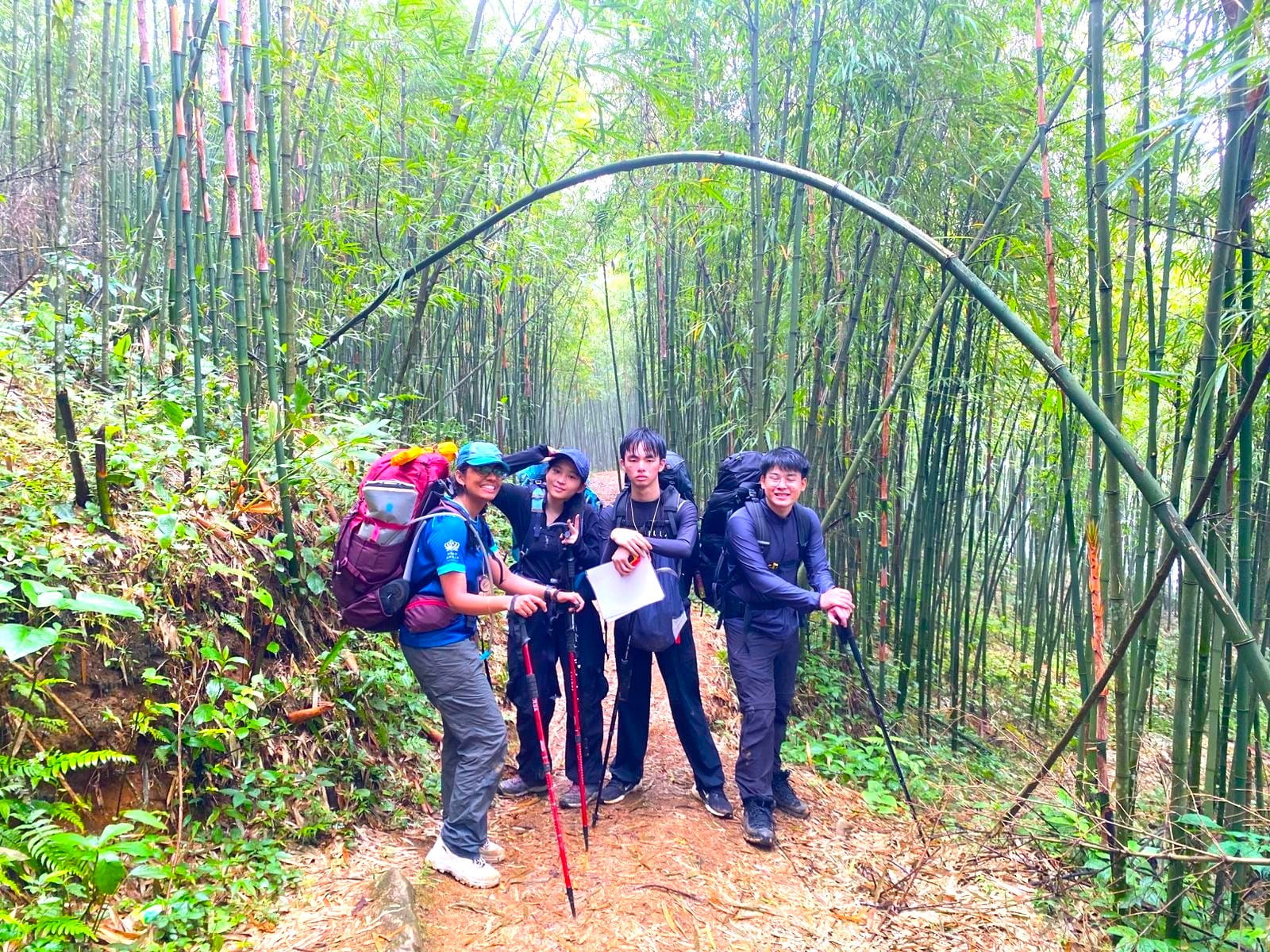
 The Duke of Edinburgh’s International Award at BIS HCMC: From Mountain Trails to Lifelong Skills
From Bronze in Year 10 to Gold in Year 12, The Duke of Edinburgh’s International Award takes BIS HCMC students far beyond the classroom. From the forests of Bidoup-Núi Bà National Park to the rice paddies of Mai Chau and the mountains of Sa Pa, students develop resilience, teamwork and independence through one of the world’s most respected youth achievement programmes.
News image ![BIS HCMC and FOBISIA - A Partnership That Opens Doors Across Asia - BIS HCMC and FOBISIA - A Partnership That Opens Doors Across Asia]() Blog | FOBISIA | Sports | Music and Drama | Student Learning | Continued Professional Development
Blog | FOBISIA | Sports | Music and Drama | Student Learning | Continued Professional Development
 Blog | FOBISIA | Sports | Music and Drama | Student Learning | Continued Professional Development
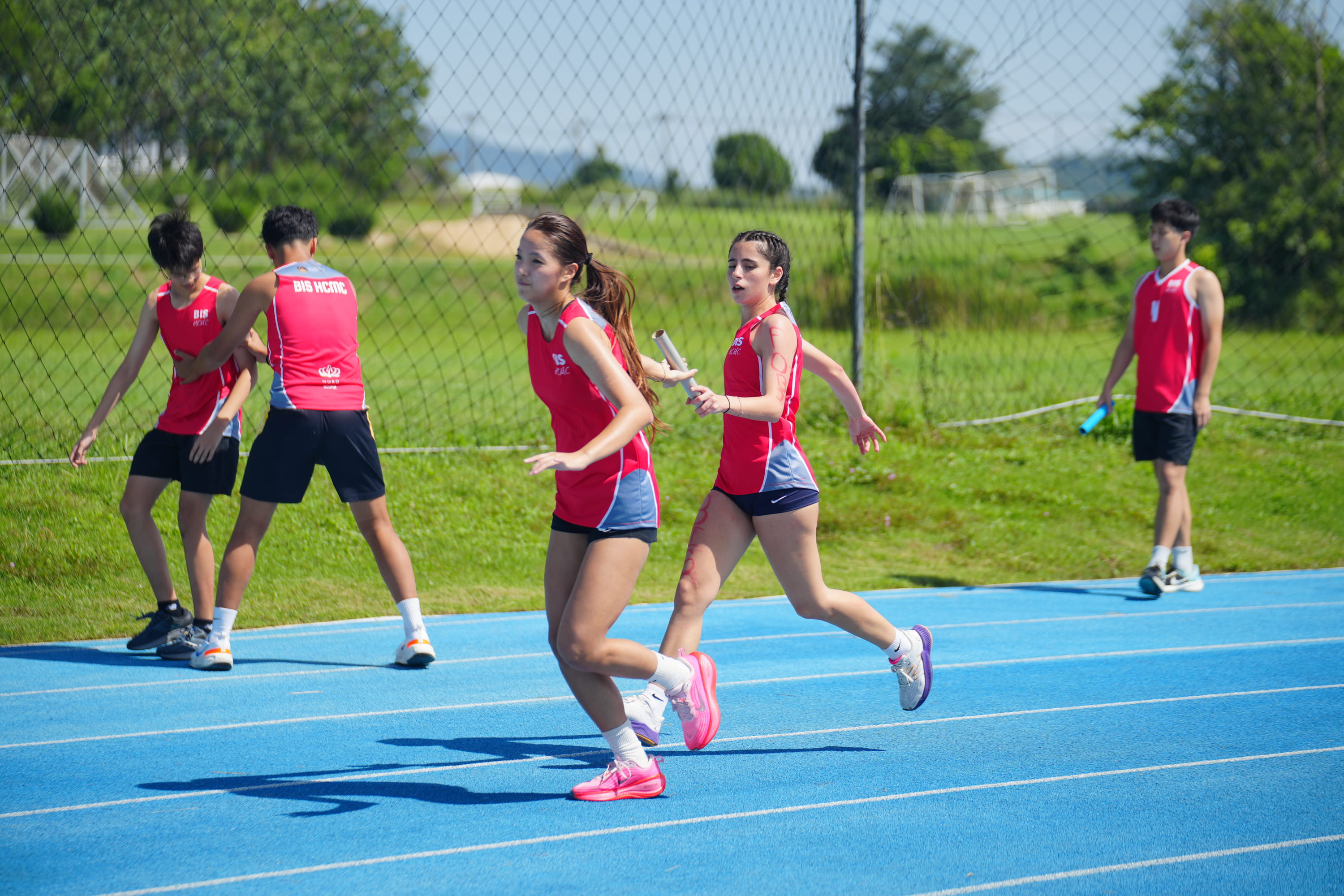
 BIS HCMC and FOBISIA - A Partnership That Opens Doors Across Asia
For more than 20 years, BIS HCMC's partnership with FOBISIA has created exceptional opportunities for thousands of BIS students across Asia, while supporting the professional growth of our staff and strengthening our place within one of the region's leading British international school networks.


