


We use cookies to improve your online experiences. To learn more and choose your cookies options, please refer to our cookie policy.
05 June, 2026
What a strong school community really means for young families
Starting school is transformative for young children, but with the right community it can be just as transformative for parents too. A strong school community shapes how quickly children (and adults) settle into a new environment and how parents navigate those first steps in education.
At The British International School Ho Chi Minh City (BIS HCMC), families don’t just join an Early Years programme; they join a school community that spans from the very first day through to graduation.
Families are welcomed into a school community that grows with them, offering workshops, events, and networks that continue long after the Early Years. It is a school for families as much as for students. A place where children thrive and parents feel guided and supported, knowing they are part of something lasting.
Where the partnership begins
A strong relationship with families starts before a child enters the classroom.
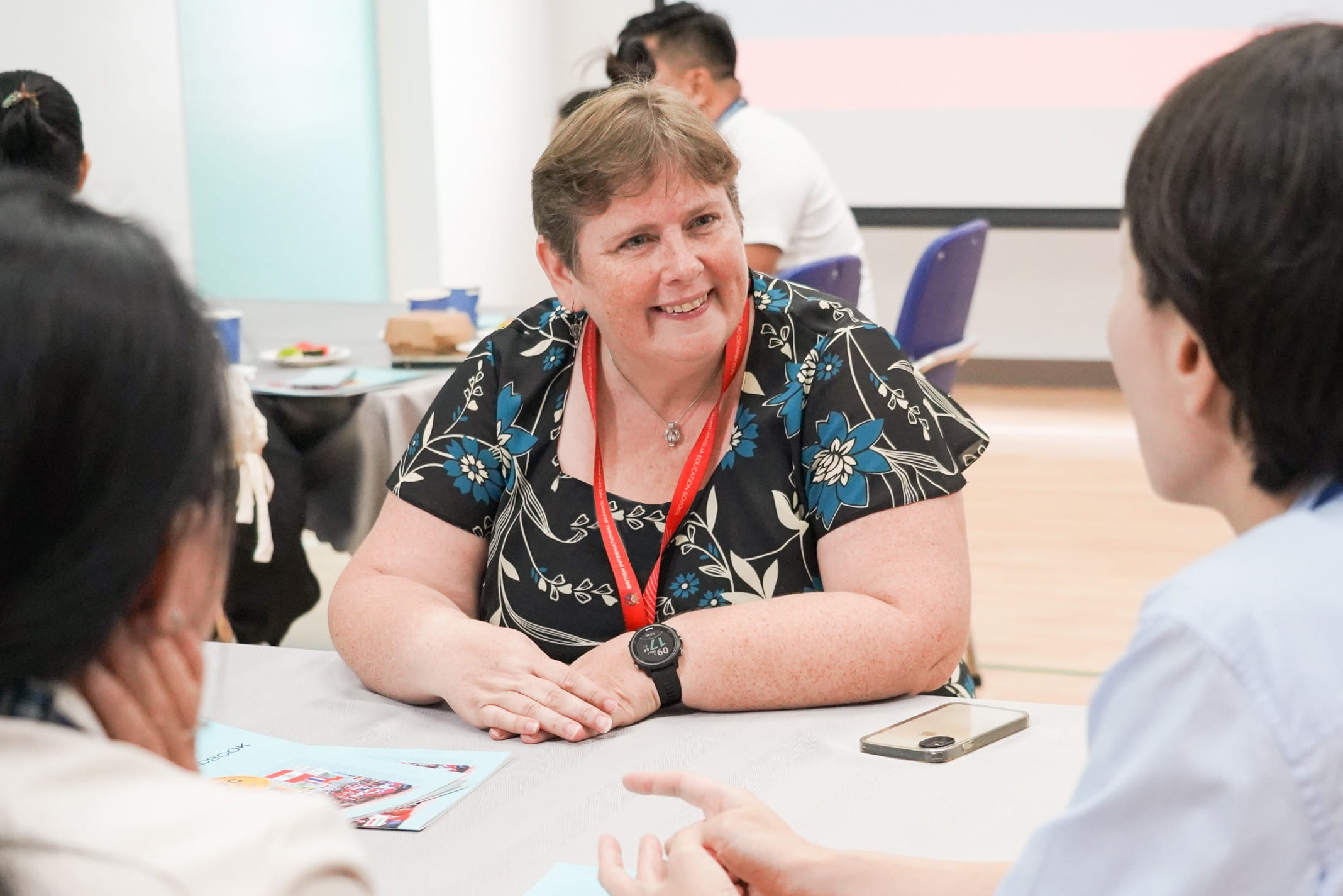
At BIS HCMC, this begins during the family admissions meeting, where teachers take time to understand not just the child, but the wider family context.
Clare Lowson, Head of Foundation Stage 1 explains how these connections are built from the start:
“It starts from the very first meeting. We take time to get to know the family as much as the child, so relationships are already forming before the child starts.”
This early connection matters. It allows teachers to understand each child more fully and helps parents feel reassured that their child will be known and supported.
Orientation builds on these early connections, bringing families together and helping children feel part of a new environment before learning begins.
Building trust through everyday interaction
Trust is not built through formal meetings alone. It is built through daily interaction.
At BIS HCMC, communication is consistent and accessible. Teachers maintain an open-door approach, with regular contact at drop-off and pick-up times.
“Daily conversations with parents are a key part of building trust, allowing small concerns or updates to be shared quickly and naturally,” adds Clare.
This informal communication is often where the strongest relationships develop. Parents feel comfortable raising questions, and teachers gain a deeper understanding of each child’s day-to-day experience.
Structured touchpoints such as parent-teacher consultations, workshops, and school events reinforce this connection, creating a consistent flow of communication over time.
Communication that supports the whole child
In Early Years education, communication is not only about learning progress.
At BIS HCMC, communication also provides insight into each child’s wellbeing, interests, and experiences beyond school.
“Communication works both ways. What happens at home helps us support the child in school, just as what happens in school helps families understand their child’s development,” explains Clare.
Platforms and apps such as Seesaw offer parents a window into classroom learning, while conversations with families provide teachers with valuable context about the child’s life outside school.
This shared understanding allows support to be more personalised and responsive.
A community that supports families as well as children
A strong Early Years community supports not only children, but parents as well.
Starting school can be a significant transition for families, particularly those new to an international environment. At BIS HCMC, the school community provides a sense of connection and reassurance.
“We become more than a school. For many families, we become a home away from home.”
Parents are invited into the school through events such as SPLAT (Stay, Play and Learn Altogether), celebrations, and classroom experiences. These moments create opportunities to build relationships with other families and with staff, while offering a chance to connect with their child's learning.
Parent workshops led by Early Years specialists provide practical guidance on topics such as toddler routines and sleep schedules, helping families feel confident at home as well as in school.
A community that grows with your child
For parents who choose standalone kindergartens and nurseries, one of the hardest transitions for both children and families is leaving one community to join another when they start school.
At BIS HCMC, the Early Years and Infant campus at BIS HCMC caters for children aged 2–7, complemented by Fundinotots, a group for babies and toddlers up to 36 months. This means that when children move into Year 1, they already feel part of something bigger. They do not need to get to know a new campus or discover new rules. Parents too are supported by the community they have already built.
While younger children enjoy their own dedicated Early Years spaces, they also share playgrounds and learning areas with older peers. This unique setup builds a stronger community, strengthens social skills, and gives younger children the chance to look up to older students as role models.
For families with older brothers or sisters, this connection is even more powerful. Younger children settle more quickly when they see familiar faces, and siblings become part of the same community together; learning, playing, and growing side by side.
These experiences don’t just prepare children for the next stage of school; they create a lasting sense of belonging that supports families throughout their journey at BIS HCMC.
Why community matters for children’s development
For young children, the impact of this community is immediate.
When children see strong relationships between teachers and parents, they feel more secure. They understand that the adults around them are connected and working together.
This sense of security supports:
confidence in new environments
willingness to explore and engage
positive relationships with others
“Children thrive when they feel safe and supported by a community that works together around them,” adds Clare.
Community also introduces children to important social experiences. They learn how to interact, share, and build relationships within a wider group.
A shared responsibility over time
In the early years, education is not something delivered by the school alone. It is a shared process between school and family.
Clare explains how this partnership is central to how children are supported.
“Parenting and teaching both come with challenges, but by working together, we support each child more effectively.”
This shared responsibility ensures that children receive consistent support across both environments.
A clearer understanding of value
When parents consider the value of a school, it is easy to focus on academic outcomes. But in the early years, the experience matters just as much.
At the British International School Ho Chi Minh City, a strong community provides stability, support, and connection for both children and families.
For parents, this offers reassurance that their child is not only learning, but is part of a supportive environment where relationships matter and development is shared.
Parents who would like to understand more about community life at BIS HCMC are always welcome to speak with the academic team and explore how these partnerships are built from the very beginning.
Related news
News image ![BIS HCMC IGCSE Students Secure Outstanding Results with 1 in 3 Grades at A* - IGCSE Results 2026]() News | Academic Results
News | Academic Results
 News | Academic Results
 BIS HCMC IGCSE Students Secure Outstanding Results with 1 in 3 Grades at A*
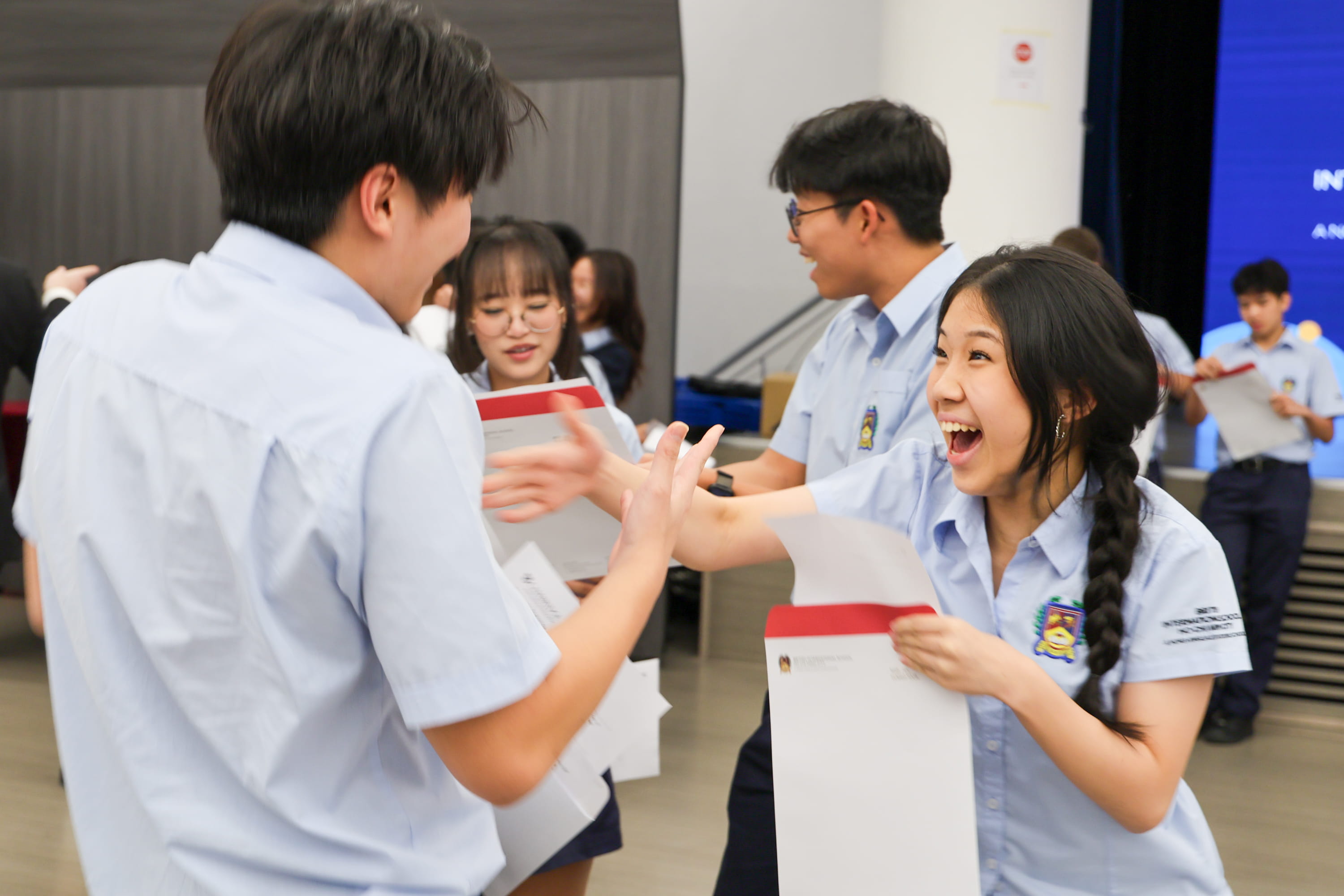
It’s that time of year again! Our current Year 12s gathered in the Auditorium to open those all-important IGCSE results. This year's group of 153 students completed an extraordinary 1,410 exam entries. Congratulations to the IGCSE Class of 2026, who, before you know it, will be our graduating Class of 2028!
News image ![Celebrating 20 Years of IBDP Excellence Congratulations to the BIS HCMC Class of 2026 - Celebrating 20 Years of IBDP Excellence Congratulations to the BIS HCMC Class of 2026]() News | Academic Results
News | Academic Results
 News | Academic Results
 Celebrating 20 Years of IBDP Excellence: Congratulations to the BIS HCMC Class of 2026
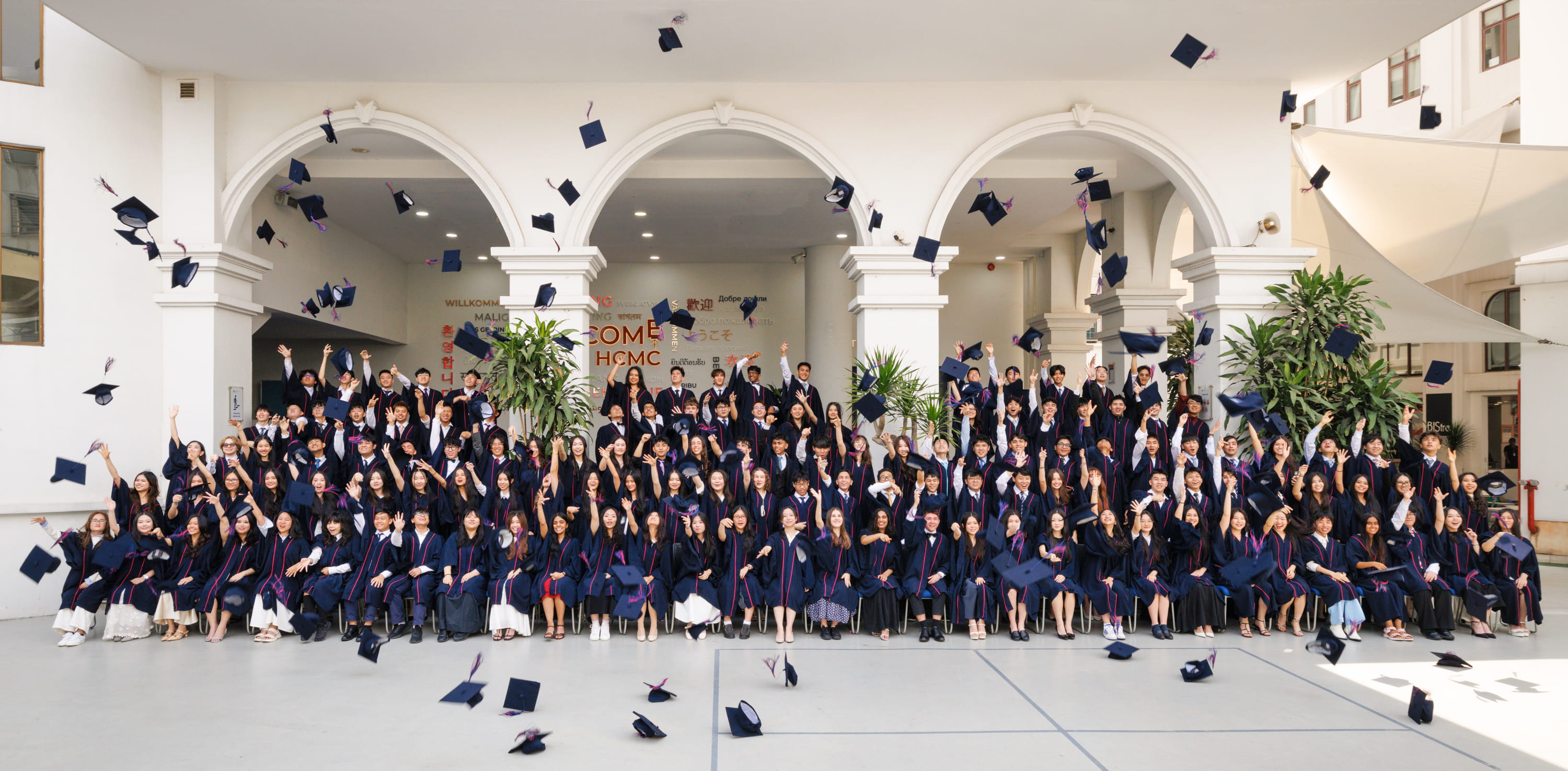
We are incredibly proud to announce the International Baccalaureate Diploma Programme (IBDP) results for the BIS HCMC Class of 2026. Our 20th graduating cohort, and our largest to date with over 120 students taking the full diploma, has once again far surpassed global averages, demonstrating immense hard work, commitment, and resilience.
News image ![The Duke of Edinburghs International Award at BIS HCMC - From Mountain Trails to Lifelong Skills - The Duke of Edinburghs International Award at BIS HCMC - From Mountain Trails to Lifelong Skills]() Blog | Co-Curricular Activities | Expeditions | Learning (SC)
Blog | Co-Curricular Activities | Expeditions | Learning (SC)
 Blog | Co-Curricular Activities | Expeditions | Learning (SC)
 The Duke of Edinburgh’s International Award at BIS HCMC: From Mountain Trails to Lifelong Skills
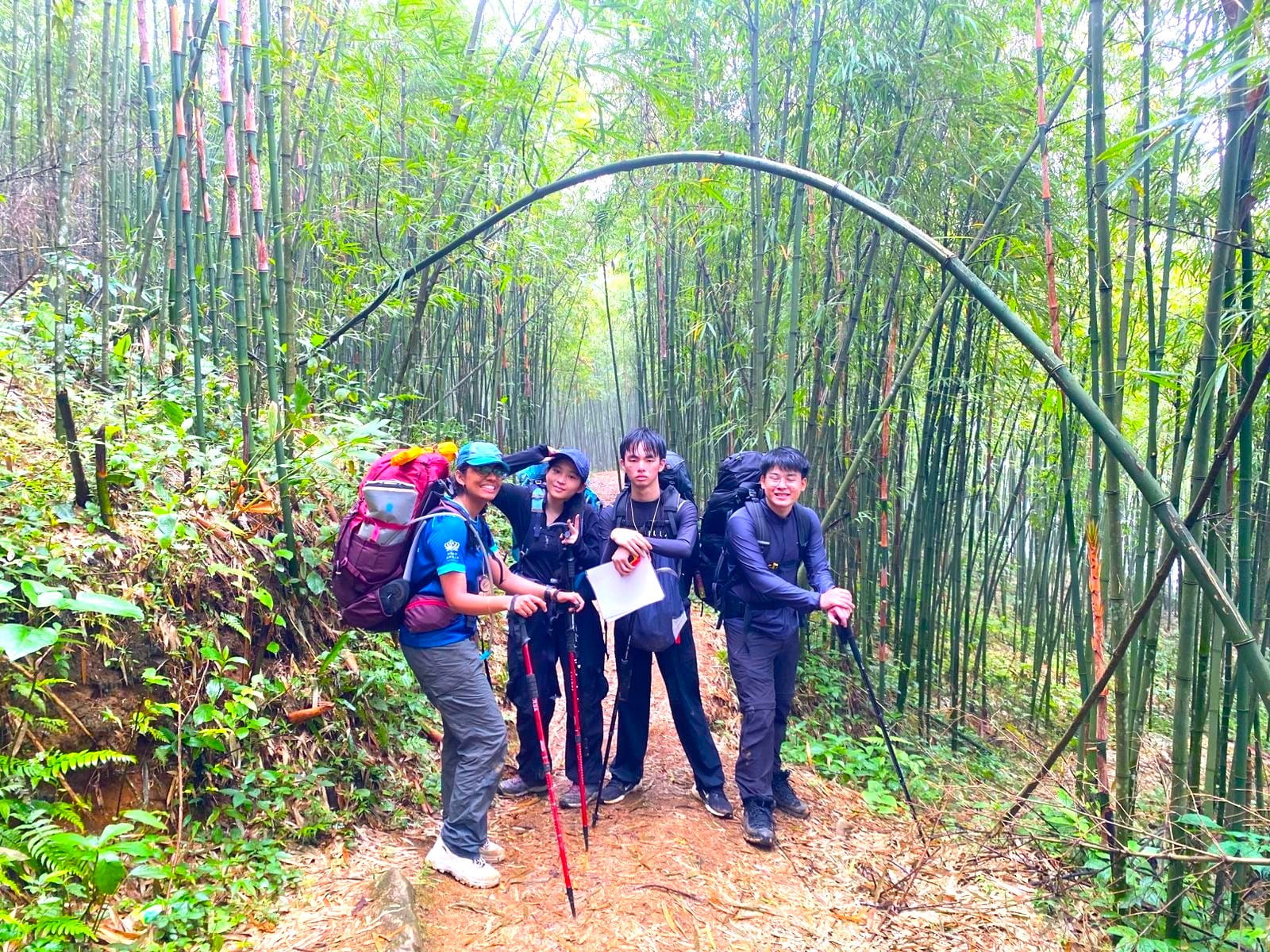
From Bronze in Year 10 to Gold in Year 12, The Duke of Edinburgh’s International Award takes BIS HCMC students far beyond the classroom. From the forests of Bidoup-Núi Bà National Park to the rice paddies of Mai Chau and the mountains of Sa Pa, students develop resilience, teamwork and independence through one of the world’s most respected youth achievement programmes.
News image ![BIS HCMC and FOBISIA - A Partnership That Opens Doors Across Asia - BIS HCMC and FOBISIA - A Partnership That Opens Doors Across Asia]() Blog | FOBISIA | Sports | Music and Drama | Student Learning | Continued Professional Development
Blog | FOBISIA | Sports | Music and Drama | Student Learning | Continued Professional Development
 Blog | FOBISIA | Sports | Music and Drama | Student Learning | Continued Professional Development
 BIS HCMC and FOBISIA - A Partnership That Opens Doors Across Asia
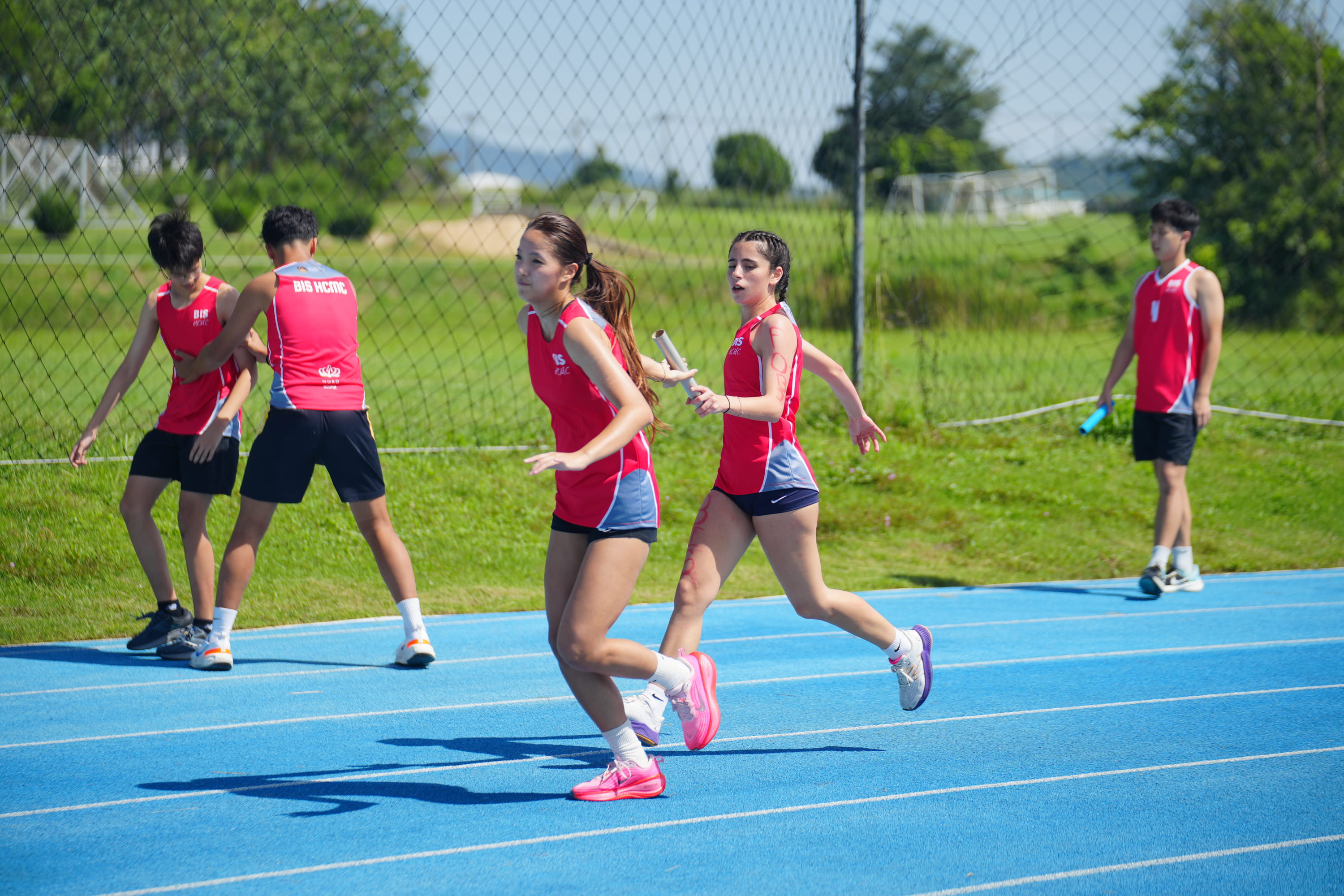
For more than 20 years, BIS HCMC's partnership with FOBISIA has created exceptional opportunities for thousands of BIS students across Asia, while supporting the professional growth of our staff and strengthening our place within one of the region's leading British international school networks.


