

07 July, 2026
The Duke of Edinburgh’s International Award at BIS HCMC: From Mountain Trails to Lifelong Skills
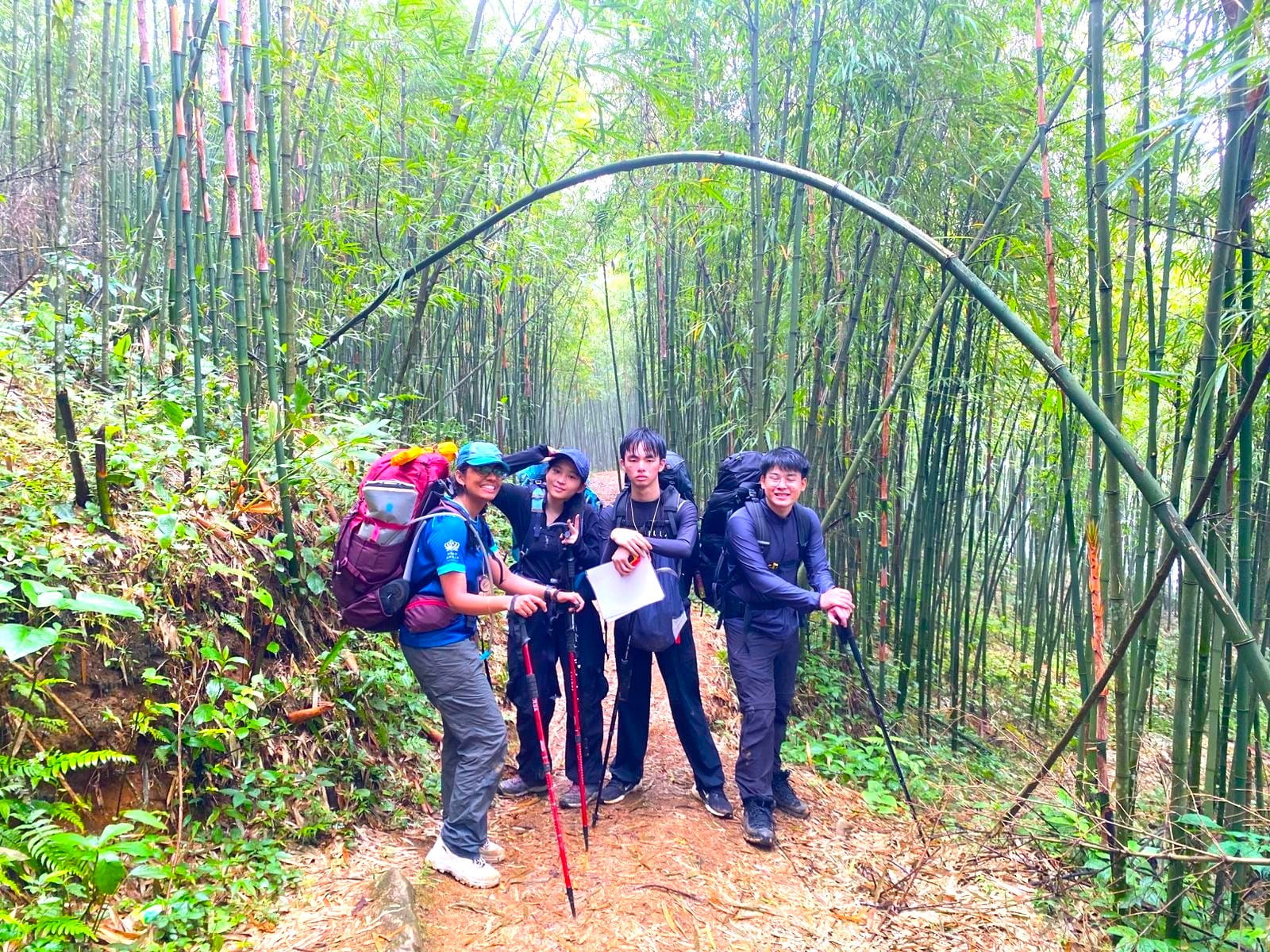

From trekking through the hills around Da Lat and the rice valleys of Mai Chau to navigating mountain trails in Sa Pa with a backpack full of supplies, The Duke of Edinburgh’s International Award takes BIS HCMC students far beyond the classroom. As one of only a small number of international schools in Vietnam to offer the Award, BIS HCMC gives students the opportunity to challenge themselves through service, skills, physical recreation and, perhaps most memorably of all, adventure.
The Duke of Edinburgh’s International Award provides an opportunity for students at BIS HCMC to gain an enhanced education that goes well beyond academics. While excellent IGCSE and IBDP examination results open doors to the world’s leading universities, it is often the experiences beyond the classroom that help young people discover who they are, what they are capable of achieving and how they can make a positive contribution to the world around them.
For many BIS HCMC students, participation in The Duke of Edinburgh’s International Award becomes one of the most memorable and transformative experiences of their school journey — an experience that builds confidence, resilience, independence and connections that last long after the expedition boots have been packed away.
What is The Duke of Edinburgh’s International Award?
The Duke of Edinburgh’s International Award is a non-formal education framework for young people. Unlike traditional qualifications, participants create a personalised programme based on their own interests, goals and aspirations.
At BIS HCMC, students can currently undertake the Bronze and Gold Awards, with plans to expand the programme to include the Silver Award in the future.
The Award encourages students to step outside their comfort zones, commit to long-term goals and take ownership of their personal development. Along the way, they build valuable skills, develop independence and teamwork, and gain experiences that help prepare them for university and life beyond school.
As Tom Peel, BIS HCMC’s International Award Coordinator, explains:
“The Duke of Edinburgh’s International Award is one of the most powerful opportunities our students have to grow beyond the classroom. From Bronze through to Gold, it challenges them to step outside their comfort zones, take responsibility for themselves and discover what they are truly capable of. While the Adventurous Journey is often the most visible and memorable part of the Award, it is only one element of a much broader experience that also includes Service, Skills, Physical Recreation and, at Gold level, the Residential Project. Together, these experiences help shape young people who are resilient, reflective, independent and ready to lead.”
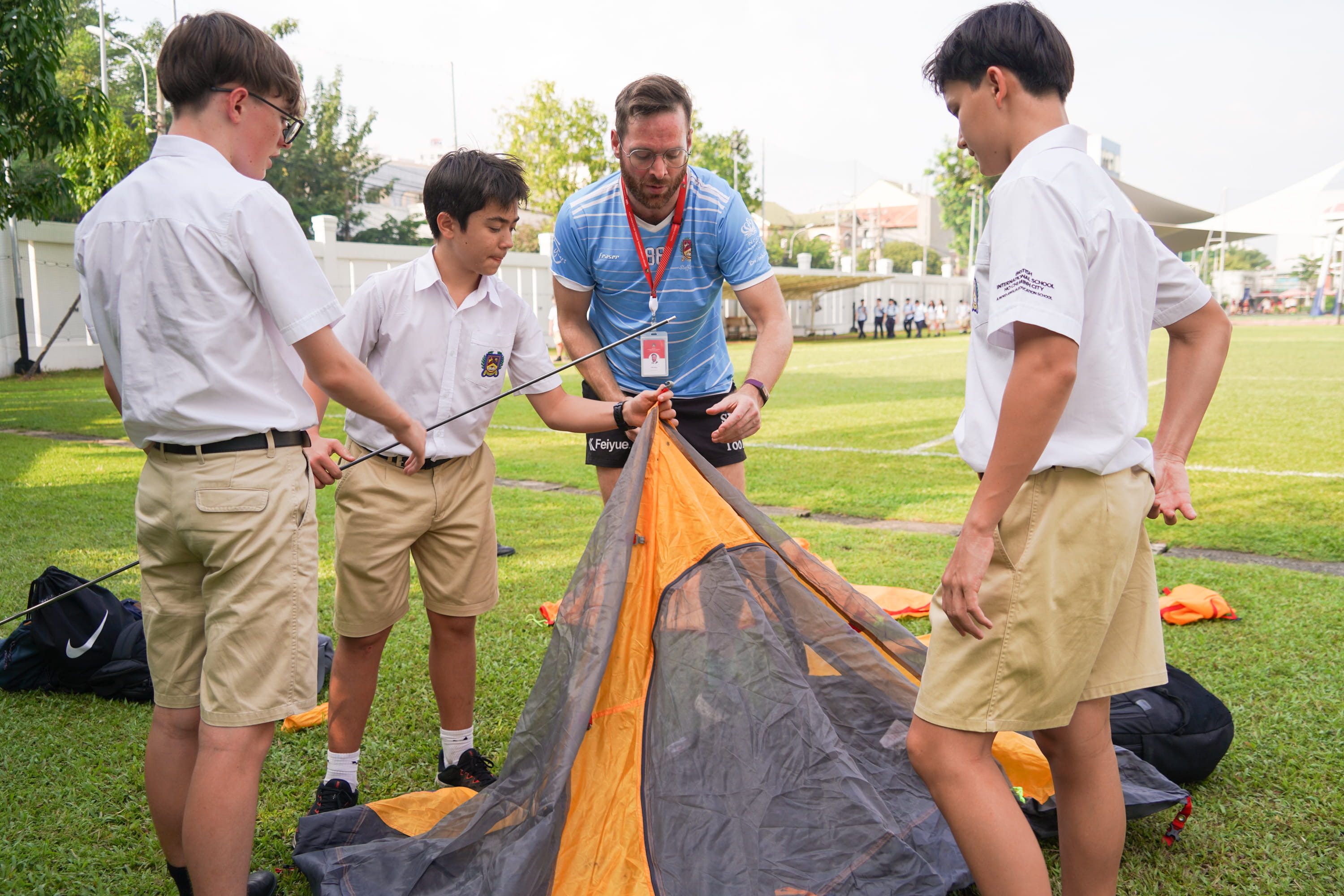
The Adventurous Journey: Where the Award Comes to Life
Ask many BIS HCMC students about their Duke of Edinburgh’s International Award experience and they will often point to the Adventurous Journey as the highlight. It is the element of the Award that takes students furthest beyond their comfort zones and, often, helps them discover the most about themselves.
Whether trekking through the cool hills of Da Lat, crossing terraced rice paddies in Sa Pa or navigating rural routes in northern Vietnam, students are challenged to work together in unfamiliar environments while carrying everything they need on their backs. They learn to navigate, cook, camp, problem-solve and support one another through physically and mentally demanding situations — all while embracing the unpredictability and excitement that make these journeys so memorable.
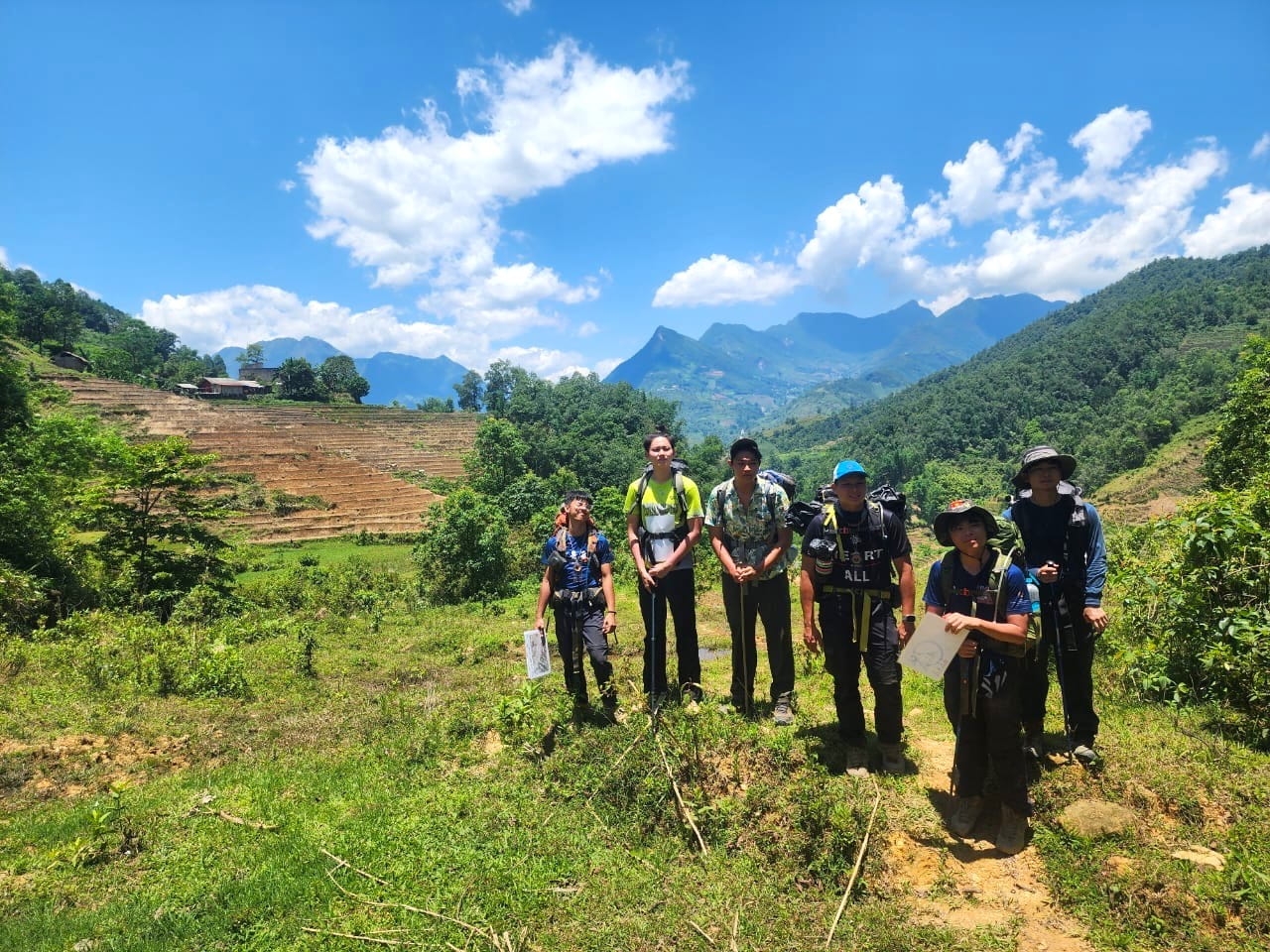
Of course, the reality of expedition life is not always glamorous. At various points along the route, comments can range from “This is too hard” and “Why did I sign up for this?” to “Why are we always getting lost?” and “Why didn’t I bring enough snacks?” Students quickly discover that packing for several days away from home is a skill in itself, and that not everything they choose to bring is quite as useful as they first imagined. Among the more memorable packing choices on recent expeditions were cans of Spam, instant noodles, 5kg of rice, laptops, a camping table and an ambitious number of Snickers bars — all of which felt significantly heavier after several hours of trekking uphill.
Yet these moments are part of what makes the experience so powerful. Away from familiar routines and everyday comforts, students must manage limited resources, make decisions under pressure and keep going even when the route becomes more difficult than expected. They are encouraged to look up, listen carefully and think independently, with questions such as, “Have you noticed your surroundings?” and “What can you hear that might help you work out where we are on the map?” prompting them to use the world around them to navigate rather than relying on routine or technology alone.
Alongside the challenge comes the reward: sunrise over mountain peaks, evenings spent under star-filled skies, spectacular Vietnamese landscapes and the shared sense of achievement that comes from completing something genuinely demanding as a team. It is often during these journeys that students discover strengths they never realised they possessed, a sense of humour that is very much needed to navigate these experiences, and bonds with one another that are genuinely hard to rival.
Bronze Award: Building Confidence and Teamwork
For many BIS HCMC students, the Bronze Award marks the beginning of a genuinely transformative journey. It is often their first experience of carrying everything they need on their backs, navigating unfamiliar terrain, cooking independently outdoors and working as a team far beyond the classroom — all while adapting to life without many of the comforts of home, from proper beds and hot showers to the everyday routines and conveniences they would usually take for granted.
This year, 40 Year 10 students begin their Adventurous Journey with a practice expedition in the mountains and hills of Bidoup-Núi Bà National Park surrounding Da Lat. Over two days of trekking and one night of camping, students work in small groups of five to six, taking responsibility for every aspect of the journey. Upon arrival in Da Lat, they purchase their own food and supplies before setting out into the national park, where they carry their equipment, prepare meals, navigate their routes and manage camp life together.
As our Year 10 students this year reflected:
“Our Bronze practice expedition took place in Da Lat, where cool mountain air and rolling hills provided the perfect training ground. Alongside developing core expedition skills — navigation, campcraft and teamwork — we embraced the spirit of adventure, reminding us that growth often happens somewhere between focus and fun.”
The assessed expedition then takes students to Mai Chau, where different terrain and temperatures bring a fresh set of challenges. Building on the skills, knowledge and experience developed during their practice journey, students are expected to work more confidently and independently as a team — packing more efficiently, navigating more accurately using maps, GPS and compass skills, and adapting their decision-making to a new environment.
In the students’ words:
“Our qualifying expedition led us to Mai Chau, a valley of striking beauty, especially during rice harvest season. Surrounded by golden paddies, vibrant flowers and the rich cultural presence of local ethnic minority communities, we navigated routes through open farmland and village paths, carrying full packs and full responsibility.”
What makes Bronze so memorable is that it is a year of firsts — and, for many students, the point at which they begin to realise just how much they are capable of.
As our Year 10 students put it:
“Bronze is about firsts: first time leading a route, first time cooking independently outdoors, first time discovering that tired legs can still keep moving. Beyond the expedition, months of service, skill-building, and physical training quietly shaped habits of discipline and contribution.
For next year’s cohort: Bronze is where the journey begins. It may start with a map and a rucksack, but it leads to confidence, camaraderie, and the kind of memories that stay long after the boots are cleaned”
It is a challenging introduction to the Award, but one that gives students a strong foundation for everything that follows — equipping them with the practical skills, resilience and self-belief to progress through the programme with confidence.
Gold Award: Pushing Beyond Comfort Zones
If Bronze is where the journey begins, Gold is where students are challenged to demonstrate the highest levels of commitment, independence and resilience.
For Year 12 students, the Adventurous Journey becomes longer, more demanding and even more rewarding. Their Gold practice expedition takes them into the spectacular wilderness surrounding Bidoup-Núi Bà National Park, where four days of trekking and three nights of wild camping push students to refine the expedition skills, judgement and teamwork they have developed through the Award so far.
As our Year 12 students this year describe it:
“Our Gold Adventurous Journey began with the practice expedition to Bidoup Mountain, the highest peak in southern and central Vietnam. Hiking through sweeping pine forests and into ancient, primeval woodland, we refined our navigation, campcraft and teamwork. The mountain demanded steady resolve; it rewarded us with perspective.”
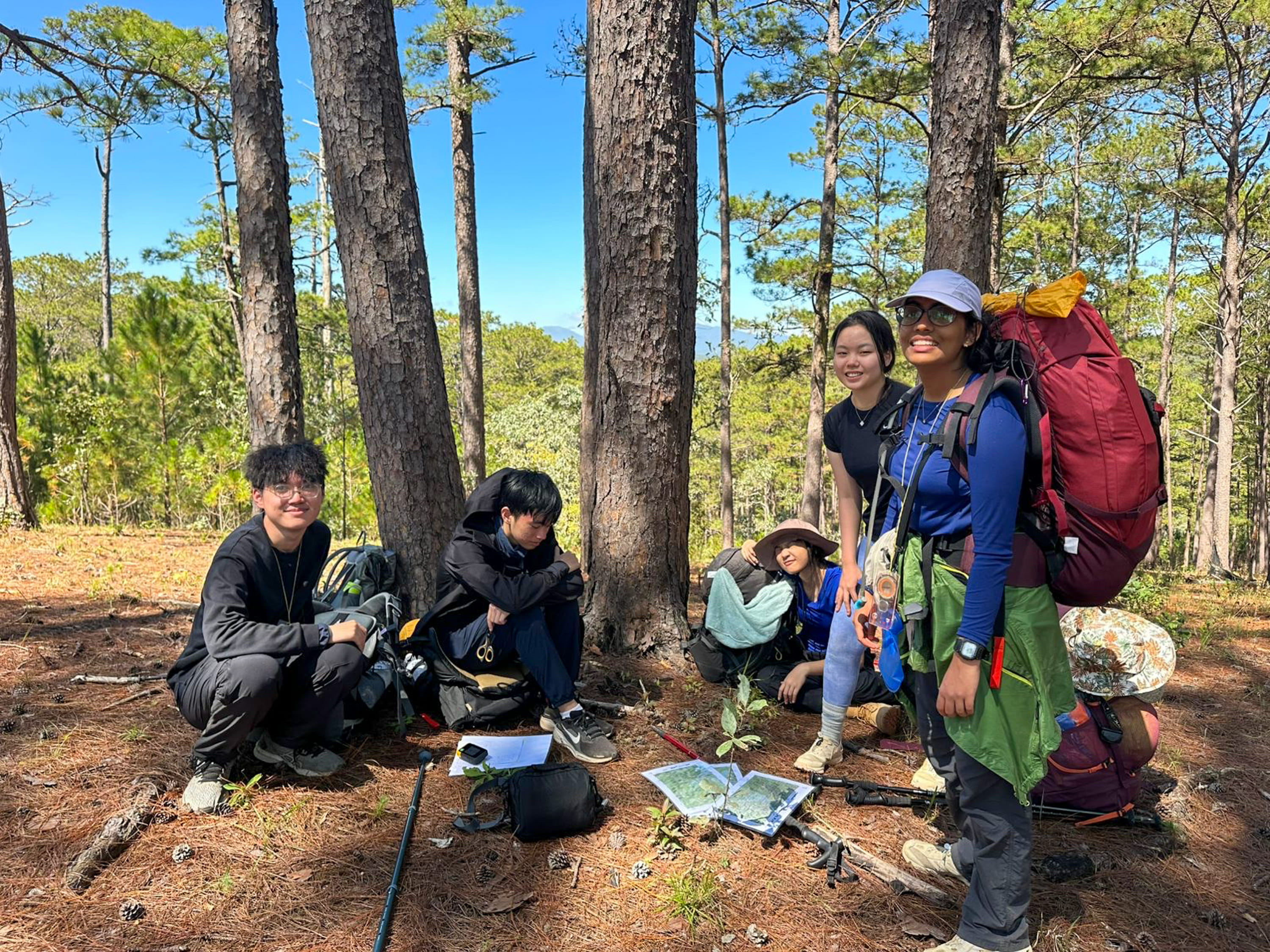
By Gold level, students are expected to operate with a greater degree of independence and responsibility — planning routes, managing time effectively, cooking, navigating and making decisions not just for themselves, but in support of the wider team. They must also adapt to the physical and mental demands of expedition life, often far from the everyday routines and comforts of home.
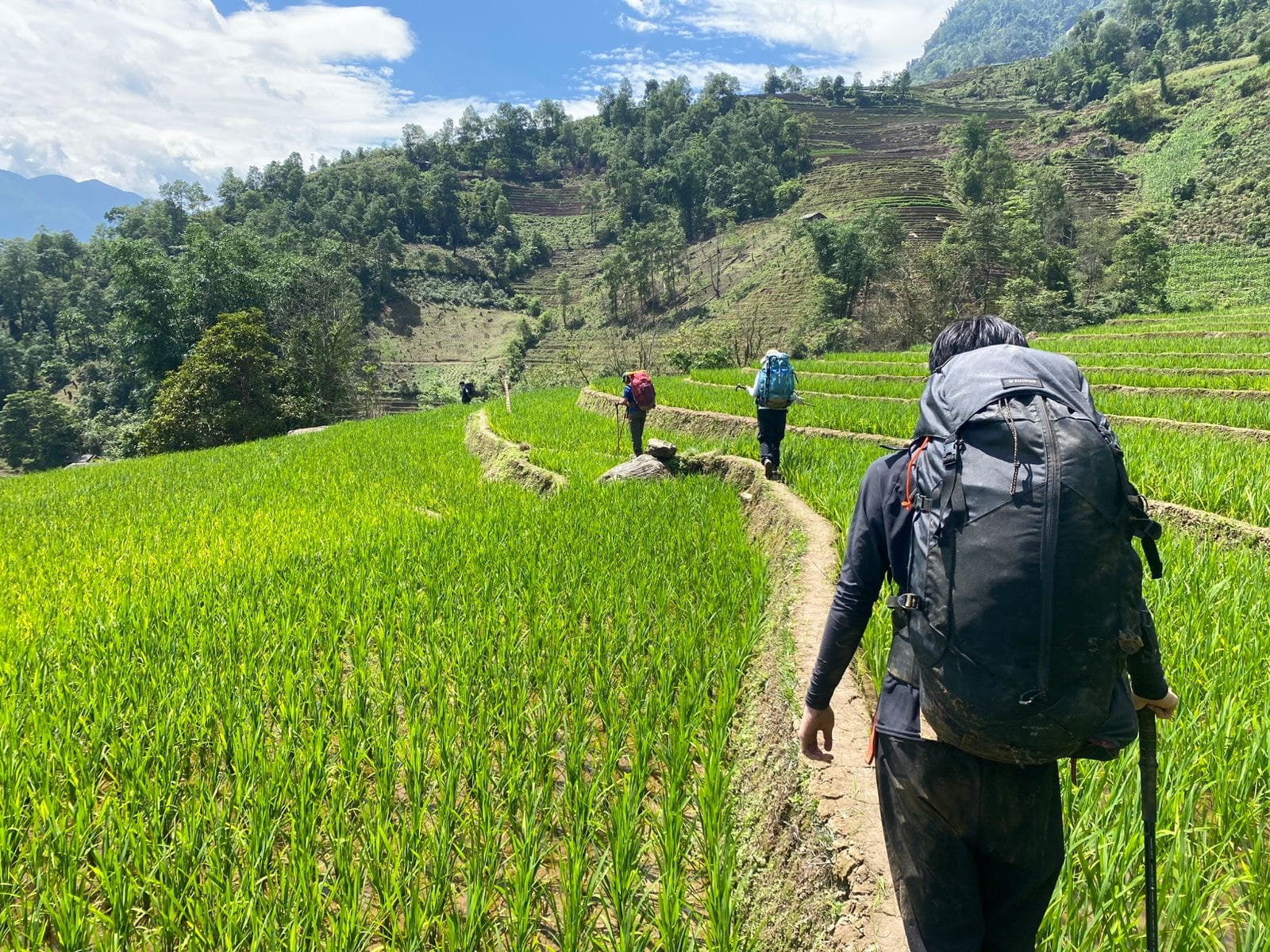
The assessed Gold expedition then takes students north to Sa Pa, where different terrain, climate and conditions bring a fresh set of challenges. Building on the skills, knowledge and experience developed during the practice expedition, students are expected to work even more confidently and independently as a team, adapting their navigation, decision-making and teamwork to a completely new environment.
The Year 12 cohort summed it up powerfully:
“The qualifying expedition took us north to Sa Pa, where rugged terrain tested both preparation and perseverance. Crossing terraced rice paddies, negotiating steep inclines and trekking through landscapes shaped by ethnic minority communities, we carried not only full packs but full responsibility — for route planning, time management and one another.”
The Gold journey also tested students’ adaptability long before the expedition itself began.
As the students themselves reflected:
“This year’s journey required particular resilience. November storms forced the postponement of our Đà Lạt expedition until January, demanding adaptability and careful re-planning. The cohort responded with maturity and composure, demonstrating that Gold is as much about mindset as mileage.”
Gold is also where students begin to appreciate that the Adventurous Journey is only one part of a much broader challenge.
As the Year 12s reflected:
“Yet the expedition is only one chapter. Behind every summit are months of voluntary service, disciplined skills practice, sustained physical training and the independence of the Residential project. Gold is early mornings, shared maps, quiet leadership and the steady confidence that comes from earning every step.”
For students considering Gold in the future, the message from this year’s cohort is simple:
“It is demanding, but the view, in every sense, is worth it.”
Gold is a demanding culmination of the Award journey, but one that equips students with the resilience, independence and maturity to take on challenges far beyond the expedition itself.
The Four Sections of the Award Framework
To achieve their Award, participants complete four key sections designed to provide a balanced programme of personal development.
Physical Recreation
Students commit to improving their physical fitness and wellbeing through a sport or physical activity of their choice. Whether through football, swimming, running, martial arts or another pursuit, participants develop healthy habits, discipline and perseverance.
Skills
The Skills section encourages students to develop an existing talent or learn something entirely new. From photography and coding to music, languages and creative arts, participants build confidence while exploring personal interests and developing practical life skills.
Voluntary Service
Giving back to the community forms an important part of the Award. Through volunteering, students contribute to causes they care about while gaining a deeper understanding of social responsibility, empathy and community engagement.
Adventurous Journey
The Adventurous Journey challenges students to work together in unfamiliar environments while developing resilience, leadership and teamwork. Participants plan, prepare for and undertake an expedition as part of a small team, learning how to navigate, make decisions and solve problems together in real-world situations.
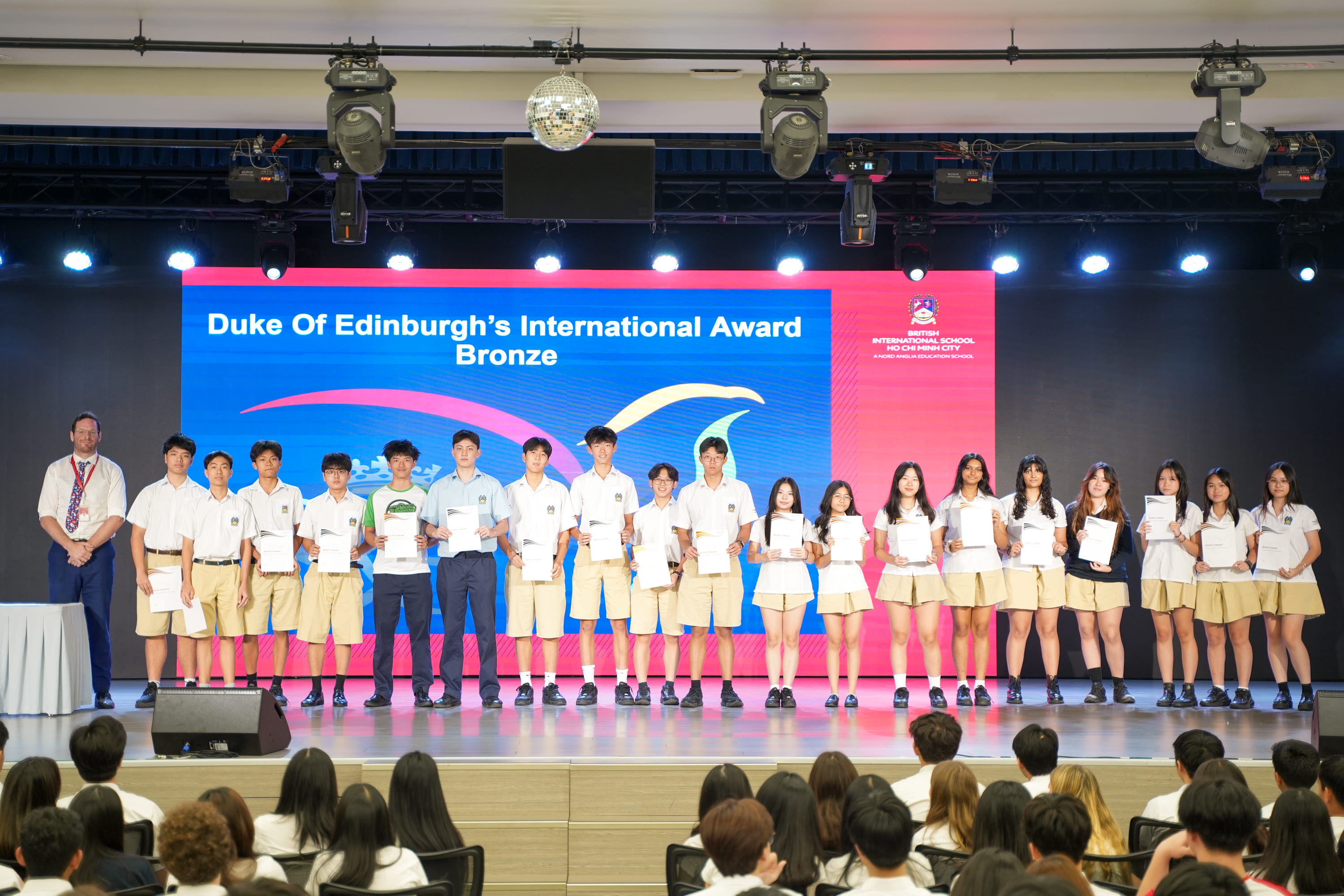
At Gold level, students also complete an additional Residential Project, where they live and work alongside people outside their usual friendship groups while contributing towards a shared goal.
A Commitment Beyond the Classroom
Participating in The Duke of Edinburgh’s International Award requires dedication, organisation and perseverance over an extended period of time.
At BIS HCMC, students benefit from a dedicated Duke of Edinburgh’s International Award Co-Curricular Activity (CCA), where they receive guidance, training and support from experienced staff as they work towards completing the requirements of their Award.
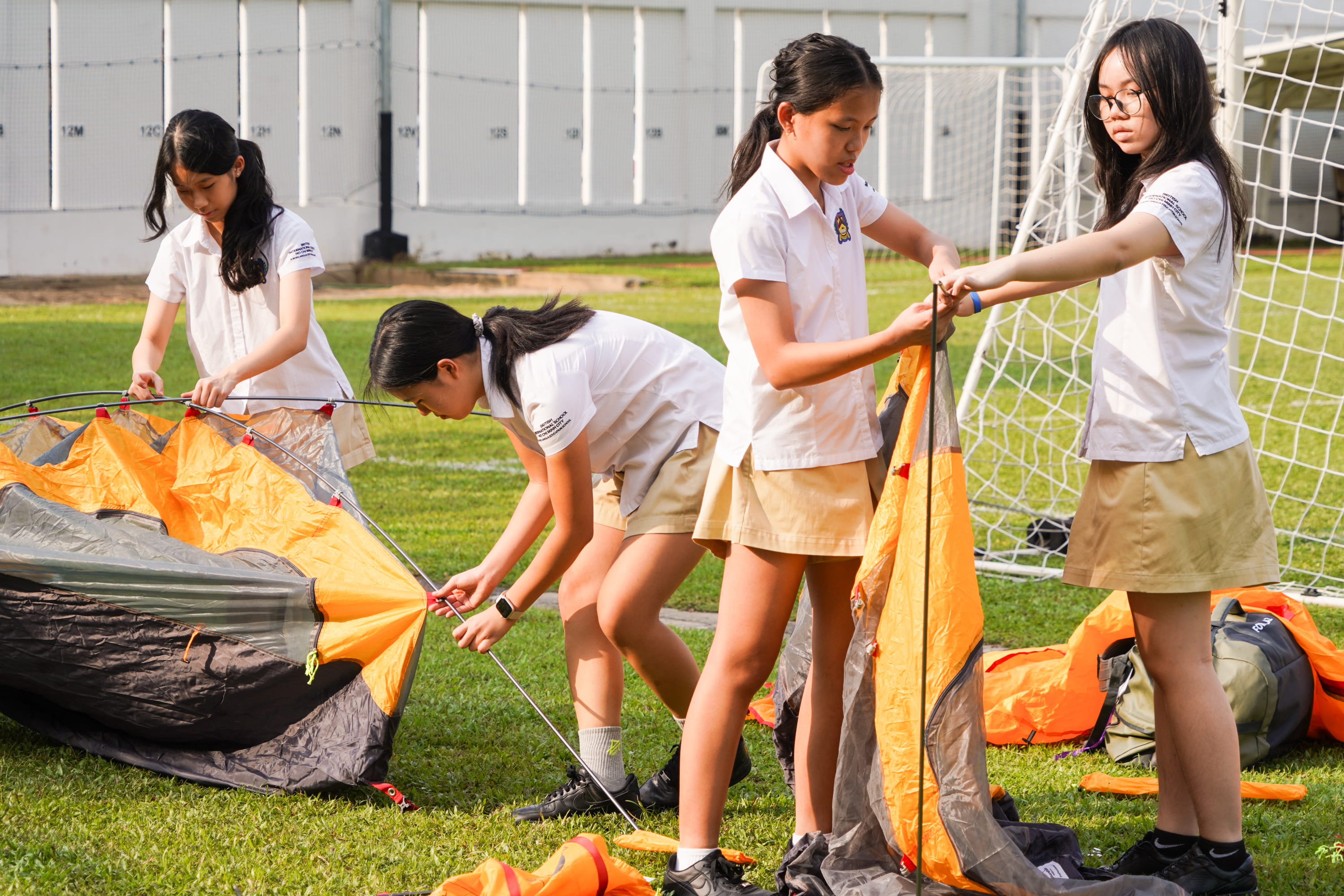
However, success in the programme extends well beyond this weekly session. Students are responsible for independently planning, completing and recording activities across each section of the Award, including Physical Recreation, Skills and Voluntary Service. They must regularly log their progress, reflect on their experiences and demonstrate sustained commitment over a number of months.
This combination of structured support and independent responsibility helps students develop valuable life skills including time management, self-motivation, organisation and accountability — qualities that are highly valued by universities and future employers.
A British Heritage with a Global Impact
Founded in 1956 by His Royal Highness Prince Philip, The Duke of Edinburgh, in partnership with renowned educationalist Kurt Hahn, The Duke of Edinburgh’s International Award was created to support young people in their personal development, regardless of their background, interests or abilities.
The vision was simple yet powerful: to encourage young people to challenge themselves, discover hidden talents and develop the skills and resilience needed for life beyond school.
Nearly seventy years later, that vision continues to inspire young people around the world. Today, the Award operates in more than 120 countries and territories, with over one million participants currently working towards their Bronze, Silver or Gold Awards.
As a British international school, BIS HCMC is proud to offer a programme that reflects the very best traditions of British education while helping students develop the global outlook, independence and leadership skills needed for success in the modern world.
More Than an Award
While the adventurous expeditions often create the most memorable experiences, the true value of The Duke of Edinburgh’s International Award lies in the lasting impact it has on the young people who complete it.
The programme encourages students to challenge themselves, commit to long-term goals, develop new skills and contribute meaningfully to their communities. Along the way, they build confidence, resilience, leadership and independence — qualities that are increasingly important in both higher education and future careers.
For BIS HCMC students, the Award is not simply another co-curricular activity. It is an opportunity to discover new passions, develop unique bonds and gain experiences that shape their character long after they leave school.
Through challenge, service, adventure and personal growth, The Duke of Edinburgh’s International Award helps students become confident, capable and compassionate young adults, ready to make a positive difference wherever life takes them.
Related news
News image ![From the British International School Ho Chi Minh City to the Top British Universities and Beyond - From the British International School Ho Chi Minh City to the Top British Universities and Beyond]() Blog | Academic Results | College and University Guidance | Learning (SC) | Secondary Campus | Student Learning | Success Stories
Blog | Academic Results | College and University Guidance | Learning (SC) | Secondary Campus | Student Learning | Success Stories
 Blog | Academic Results | College and University Guidance | Learning (SC) | Secondary Campus | Student Learning | Success Stories
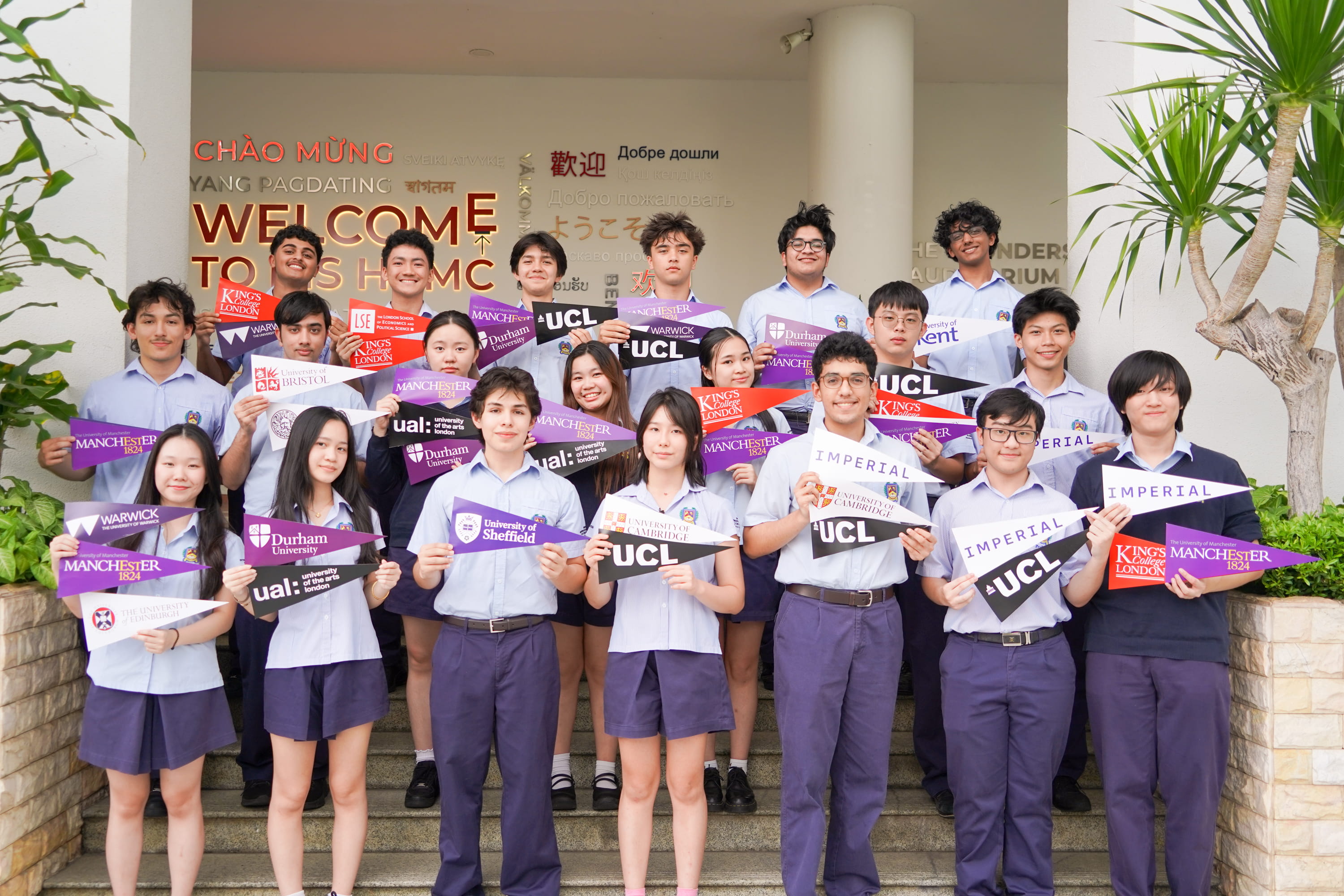
 From the British International School Ho Chi Minh City to the Top British Universities and Beyond
From the University of Cambridge and Imperial College London to the University of Manchester, the University of Edinburgh, Trinity College Dublin and the University of Amsterdam, the BIS HCMC Class of 2026 is celebrating exceptional university offers across the UK and Europe following earlier successes in the USA, Australia and Asia.
News image ![STEM Racing at BIS HCMC - STEM Racing at BIS HCMC]() Blog | Learning (SC) | Secondary Campus | STEAM | Student Learning | Success Stories
Blog | Learning (SC) | Secondary Campus | STEAM | Student Learning | Success Stories
 Blog | Learning (SC) | Secondary Campus | STEAM | Student Learning | Success Stories
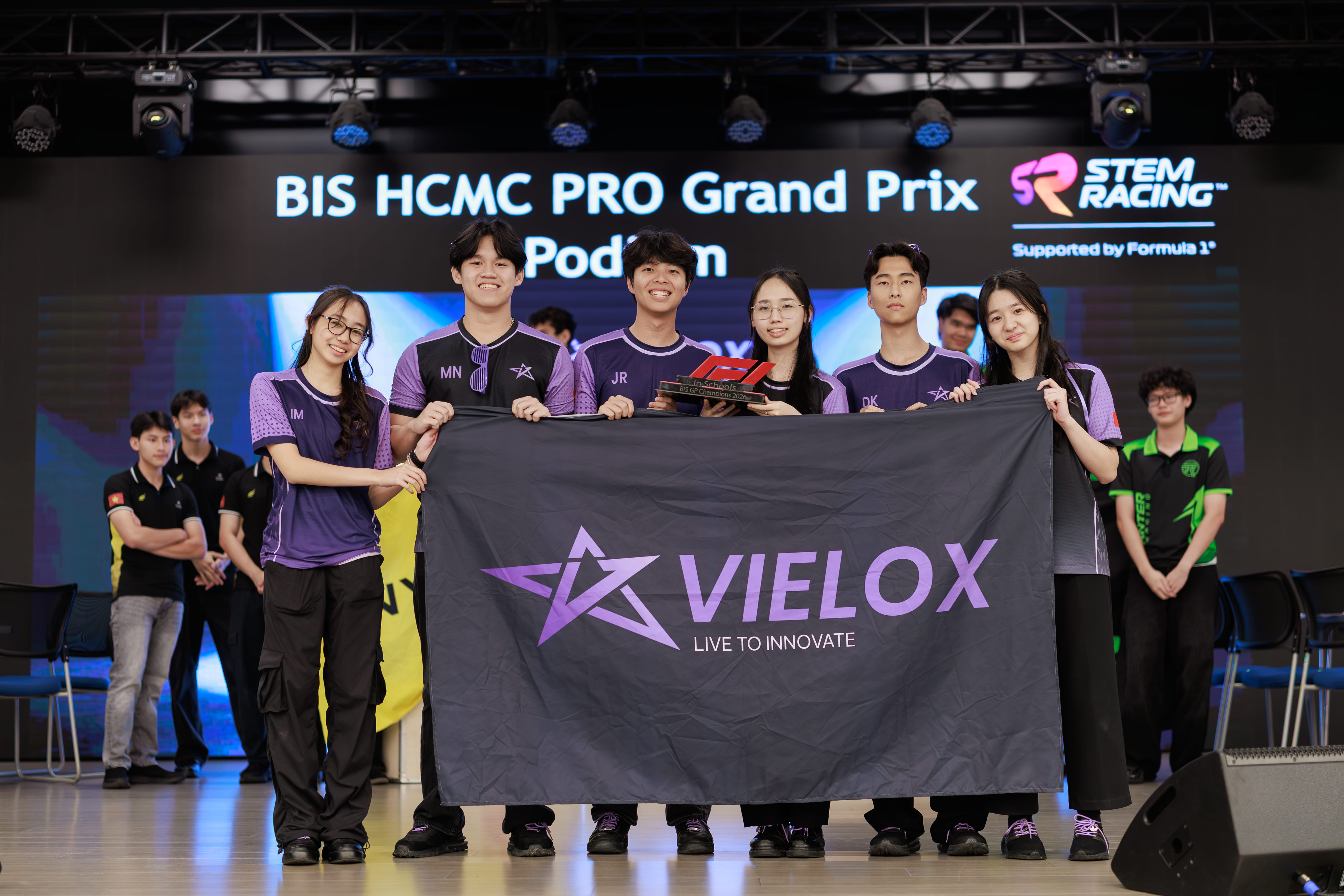
 STEM Racing at BIS HCMC: Driving Innovation, Teamwork and Future Skills
Discover how students at the British International School Ho Chi Minh City are racing towards the future through STEM Racing, developing real-world skills in engineering, design, branding, business and enterprise while preparing to compete on the world stage in Singapore.
News image ![From First Days at Age 2 to Their Final Year - A 16-Year Learning Journey at BIS HCMC - From First Days at Age 2 to Their Final Year - A 16-Year Learning Journey at BIS HCMC]() Blog | Early Years and Infant Campus | Learning (EY&IC) | Learning (SC) | Secondary Campus | Student Learning
Blog | Early Years and Infant Campus | Learning (EY&IC) | Learning (SC) | Secondary Campus | Student Learning
 Blog | Early Years and Infant Campus | Learning (EY&IC) | Learning (SC) | Secondary Campus | Student Learning
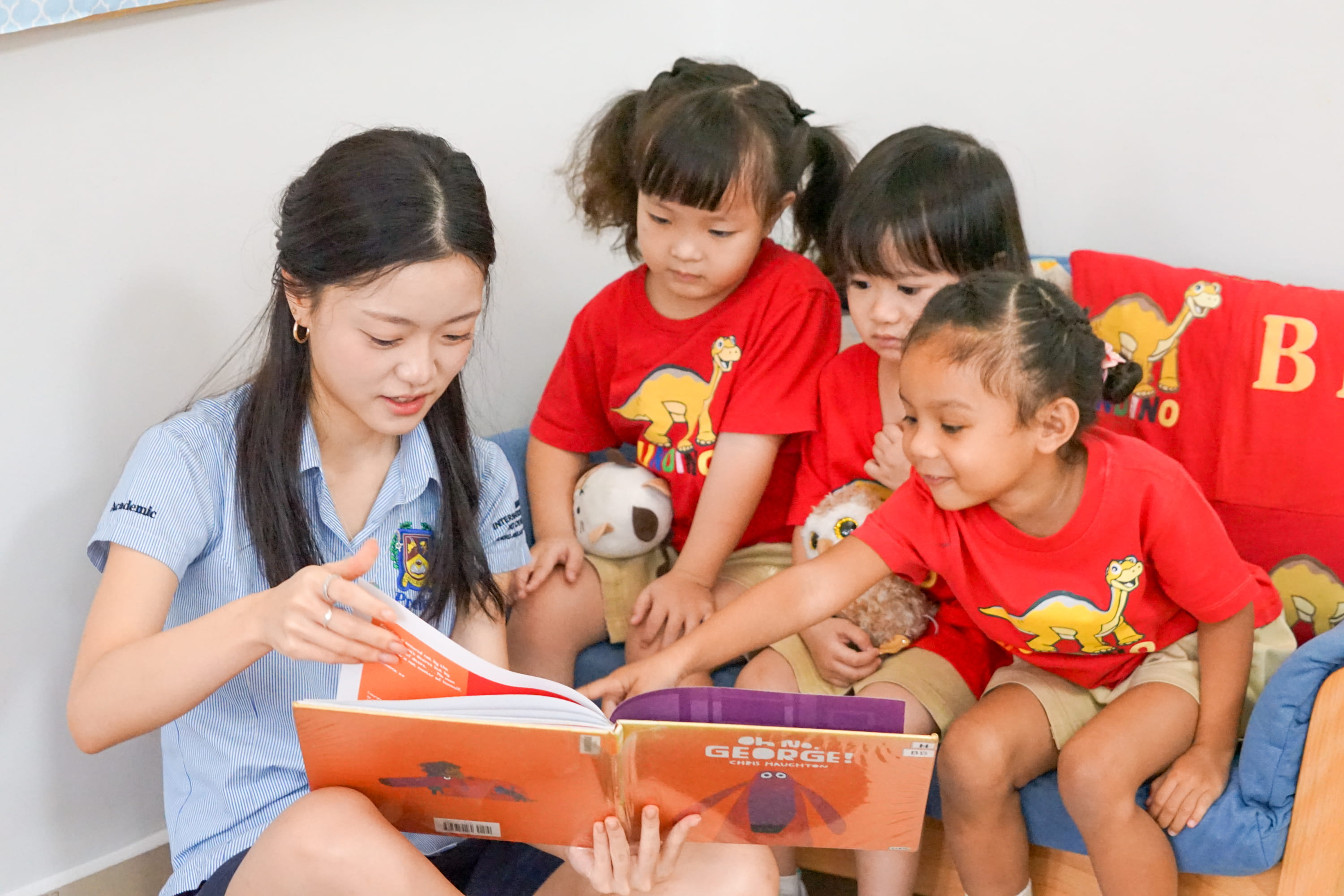
 From First Days at Age 2 to Their Final Year: A 16-Year Learning Journey at BIS HCMC
A powerful full-circle story of students who began their journey at BIS HCMC at age 2 and 3 and are now preparing to graduate — highlighting the lasting impact of early education, strong relationships and a truly all-through school experience.
News image ![Record Offers at Top Universities Across Asia and Australia for BIS HCMC Students - Record Offers at Top Universities Across Asia and Australia for BIS HCMC Students]() Blog | College and University Guidance | Academic Results | Learning (SC) | Secondary Campus | Student Learning
Blog | College and University Guidance | Academic Results | Learning (SC) | Secondary Campus | Student Learning
 Blog | College and University Guidance | Academic Results | Learning (SC) | Secondary Campus | Student Learning
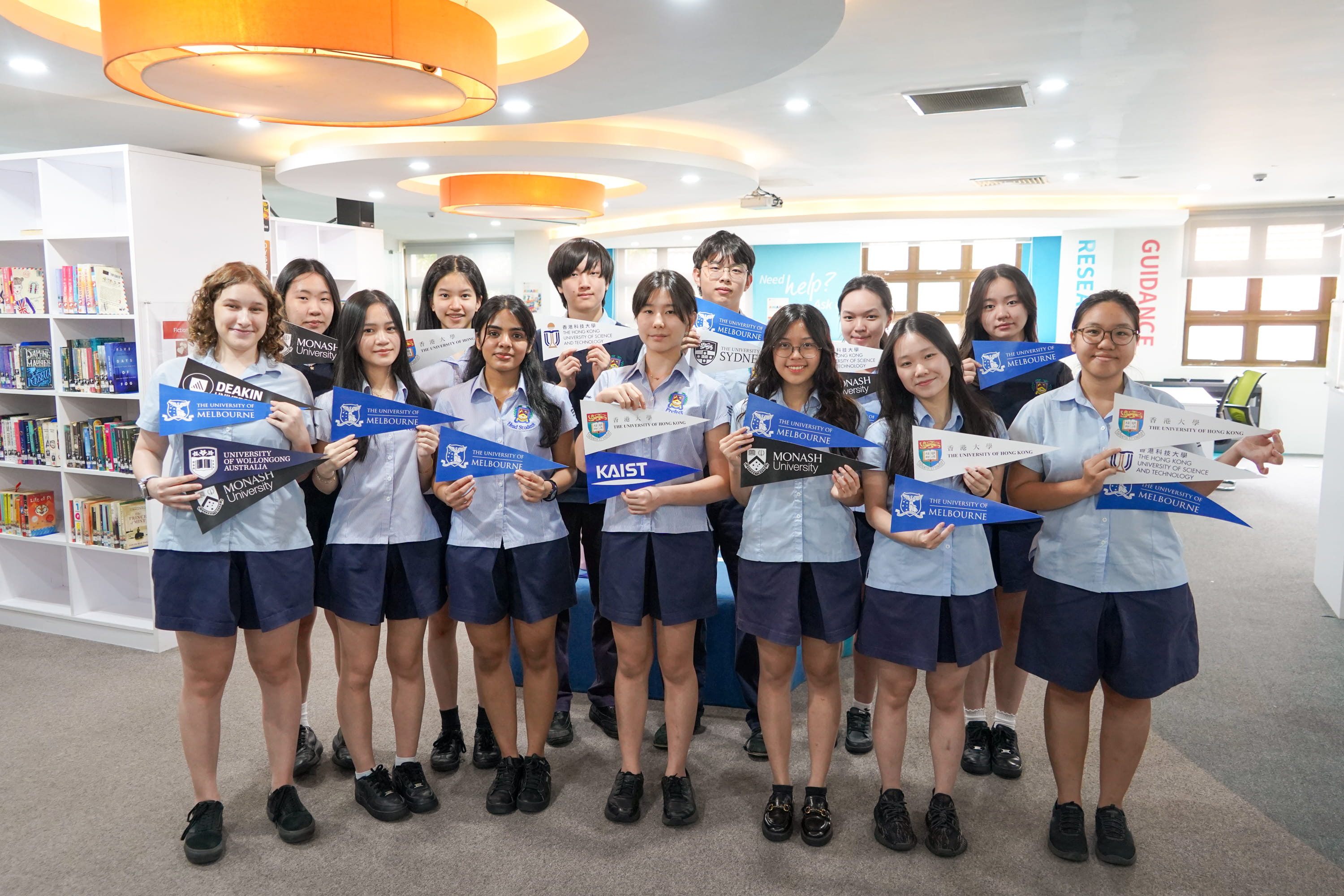
 Record Offers at Leading Universities Across Asia and Australia for BIS HCMC Students
Celebrating offers to leading universities in Australia, Hong Kong, Japan, Singapore and South Korea, as BIS HCMC students secure places at leading institutions across the Asia-Pacific region through our global curriculum pathway.


