


We use cookies to improve your online experiences. To learn more and choose your cookies options, please refer to our cookie policy.
05 June, 2026
How school safety builds confidence for young children and their families
Parents considering early years education and kindergartens in HCMC, are choosing the place where their child first learns to be away from home, so safety and emotional security must sit at the heart of that decision.
At The British International School Ho Chi Minh City (BIS HCMC), safety is not a single policy but a lived culture: predictable daily routines, clear expectations and consistent relationships give children the structure they need to become independent and self‑reliant.
Transitions into school are gradual and personalised, while robust safeguarding systems and trained early years staff ensure protection is practical and visible every day. That combination of routine, relationship and rigorous care helps children arrive ready to learn and gives families the reassurance that their child is safe, settled and genuinely cared for.
Daily routines that create a sense of security
A safe environment begins with predictability. Young children feel most confident when they know what to expect and who will be there to support them.
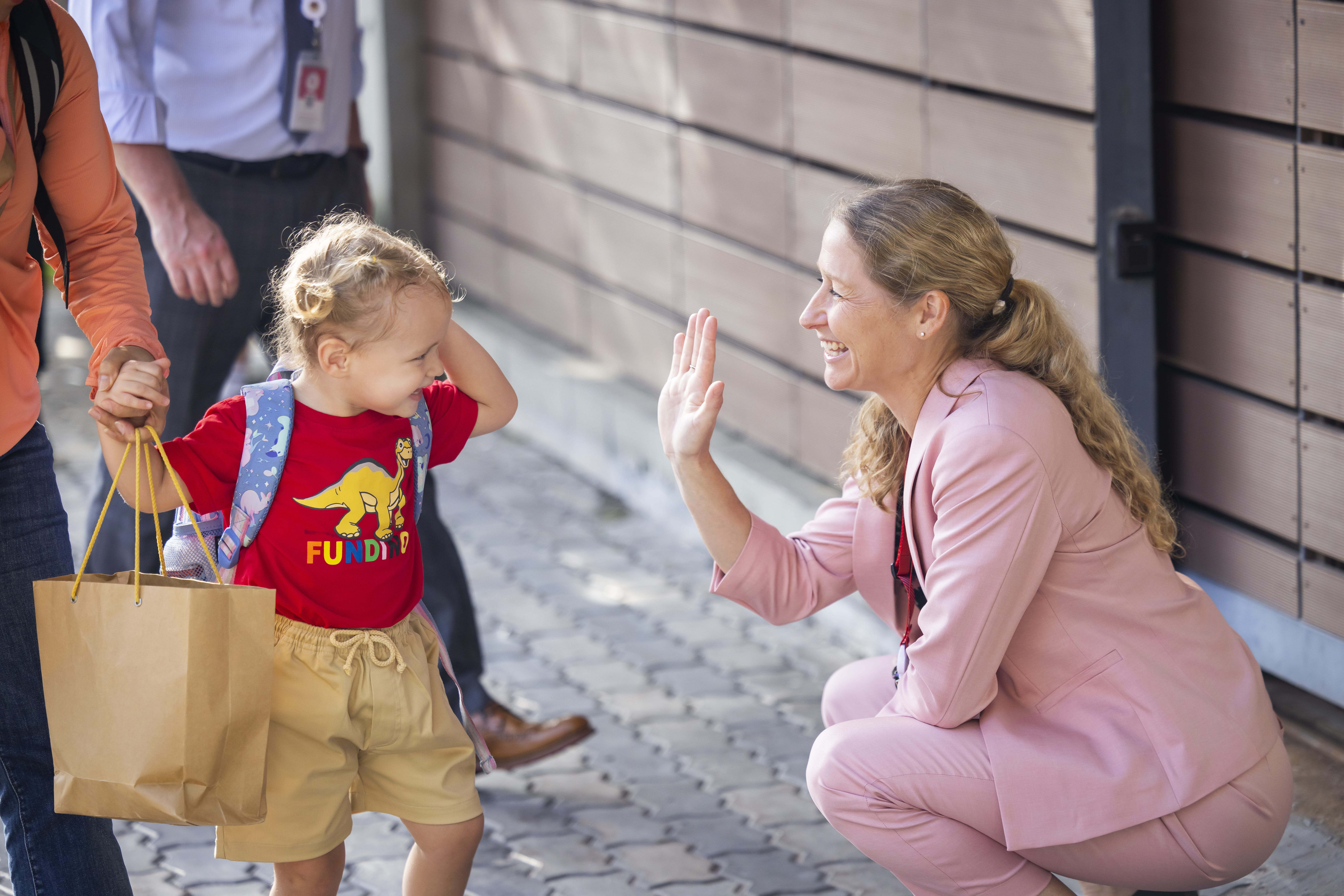
From the moment families arrive, this sense of reassurance is established. Senior leaders are present at the gate each morning, offering a visible and familiar welcome. Children then move into an age-appropriate outdoor space where families can take their time before saying goodbye.
Inside the classroom, familiar adults greet each child personally. These small but consistent interactions play an important role in helping children separate confidently from their parents.
Sarah Curran, Deputy Headteacher of Early Years, explains how independence is introduced in a structured way. “Children come in, put their bag in their space, organise their water bottle, and self-register. These routines help them feel secure because they know exactly what to do.”
The day begins with a clear structure. Circle time allows teachers to explain what will happen, helping children feel prepared rather than uncertain. At the same time, the learning environment is regularly refreshed to maintain curiosity and engagement, ensuring children remain both settled and stimulated.
Supporting a confident transition into early years settings
For many children, this may be their first experience of a structured setting. A thoughtful transition process is essential in reducing anxiety for both children and parents.
At The British International School HCMC, preparation begins before the first day. The final Admission meeting provides an opportunity for school leaders to understand each child’s individual needs and share tailored strategies with families. Orientation sessions then help parents understand routines, expectations, and how best to support their child.
A gradual settling-in programme ensures that children build confidence at their own pace. “A staggered start helps children become comfortable with saying goodbye to familiar adults,” Sarah Curran notes. “It allows them to build trust in the environment step by step.”
Within the classroom, further steps reinforce this sense of belonging. Family photographs are displayed, offering comfort and familiarity. Children are also given time on arrival to choose their own activities before structured learning begins, helping them ease naturally into the day.
Careful class composition, including a balance of ages, nationalities, and genders, supports social development and helps children feel part of a wider community.
Safeguarding systems that underpin student safety
While daily routines build emotional security, robust safeguarding systems ensure that student safety is consistently protected behind the scenes.
At BIS HCMC, safeguarding is a shared responsibility across the entire community. Clear expectations are set for parents and staff, including visible identification procedures and controlled access through visitor management systems.
Attendance is closely monitored, with register checks and follow-up processes in place to ensure every child is accounted for. On-site medical support, including a qualified nurse and individual care plans where needed, ensures that health and safety procedures are both proactive and responsive.
“All staff are fully trained and checked, and we maintain high adult-to-child ratios to ensure strong supervision at all times,” Sarah Curran explains.
These systems are not static. Safeguarding policies are regularly reviewed in line with UK best practice, including guidance such as Keeping Children Safe in Education. Oversight is further strengthened through Nord Anglia Education’s safeguarding leadership, with regular reporting and site visits. For the last decade the school has been rated “Outstanding in all areas” by BSO on behalf of the British government, with the latest inspection in November 2025.
The school is also connected to wider professional networks, including FOBISIA and the Saigon International Schools Network for Safeguarding. This ensures that practices remain aligned with both international standards and local context.
A safe environment that supports long-term confidence
For young children, feeling safe is not separate from learning. It is the condition that makes learning possible.
When routines are consistent, transitions are carefully managed, and safeguarding systems are robust, children develop the confidence to explore, engage, and grow. Just as importantly, parents gain clarity and reassurance that their decision is grounded in strong, reliable foundations.
At The British International School of Ho Chi Minh City, safety is not presented as a promise. It is demonstrated daily through clear systems, experienced staff, and a culture where every adult takes responsibility for every child.
Families who would like to understand more about how these environments are structured are always welcome to speak with the academic team and explore how safety and care are embedded from the very beginning.
Related news
News image ![BIS HCMC IGCSE Students Secure Outstanding Results with 1 in 3 Grades at A* - IGCSE Results 2026]() News | Academic Results
News | Academic Results
 News | Academic Results
 BIS HCMC IGCSE Students Secure Outstanding Results with 1 in 3 Grades at A*
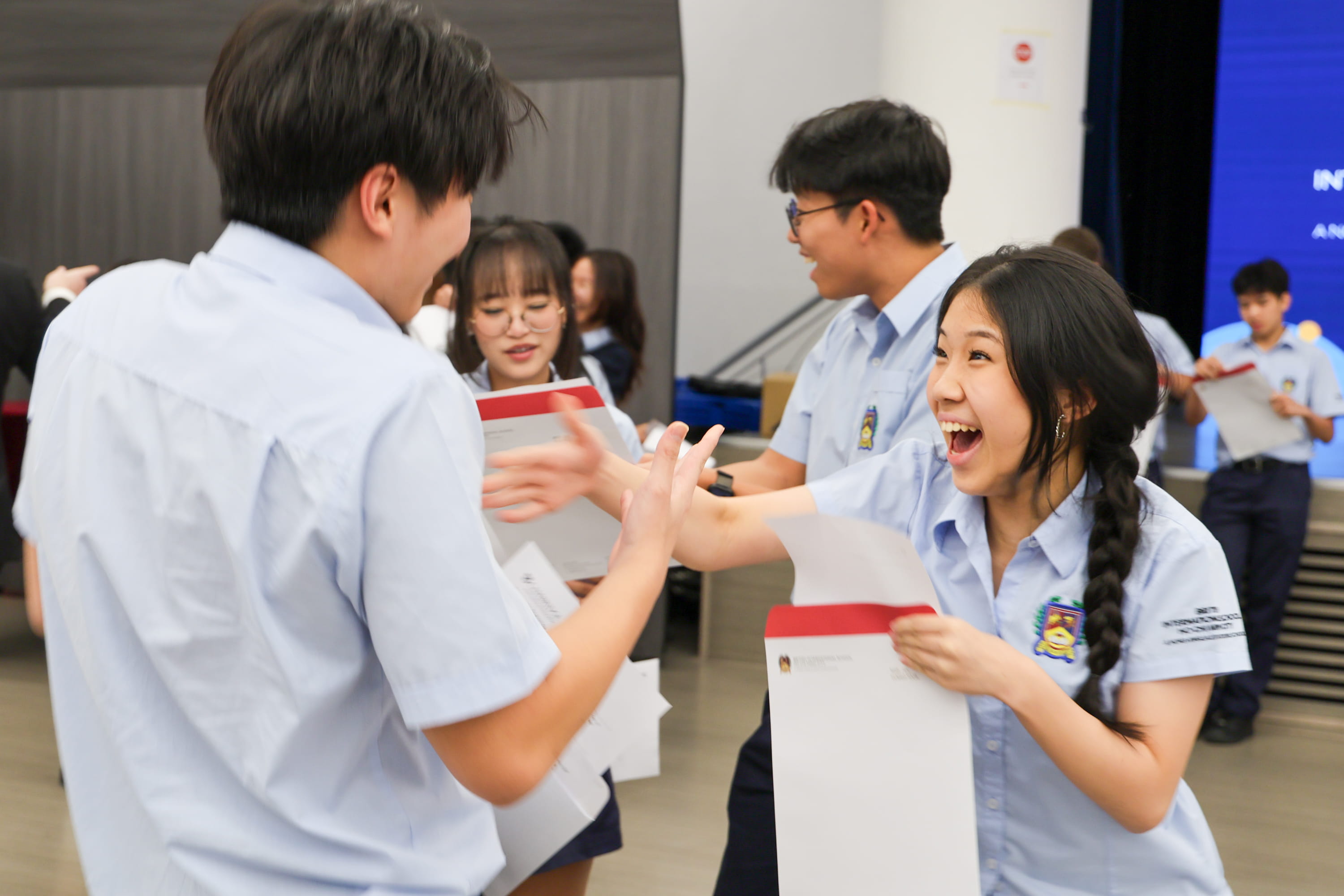
It’s that time of year again! Our current Year 12s gathered in the Auditorium to open those all-important IGCSE results. This year's group of 153 students completed an extraordinary 1,410 exam entries. Congratulations to the IGCSE Class of 2026, who, before you know it, will be our graduating Class of 2028!
News image ![Celebrating 20 Years of IBDP Excellence Congratulations to the BIS HCMC Class of 2026 - Celebrating 20 Years of IBDP Excellence Congratulations to the BIS HCMC Class of 2026]() News | Academic Results
News | Academic Results
 News | Academic Results
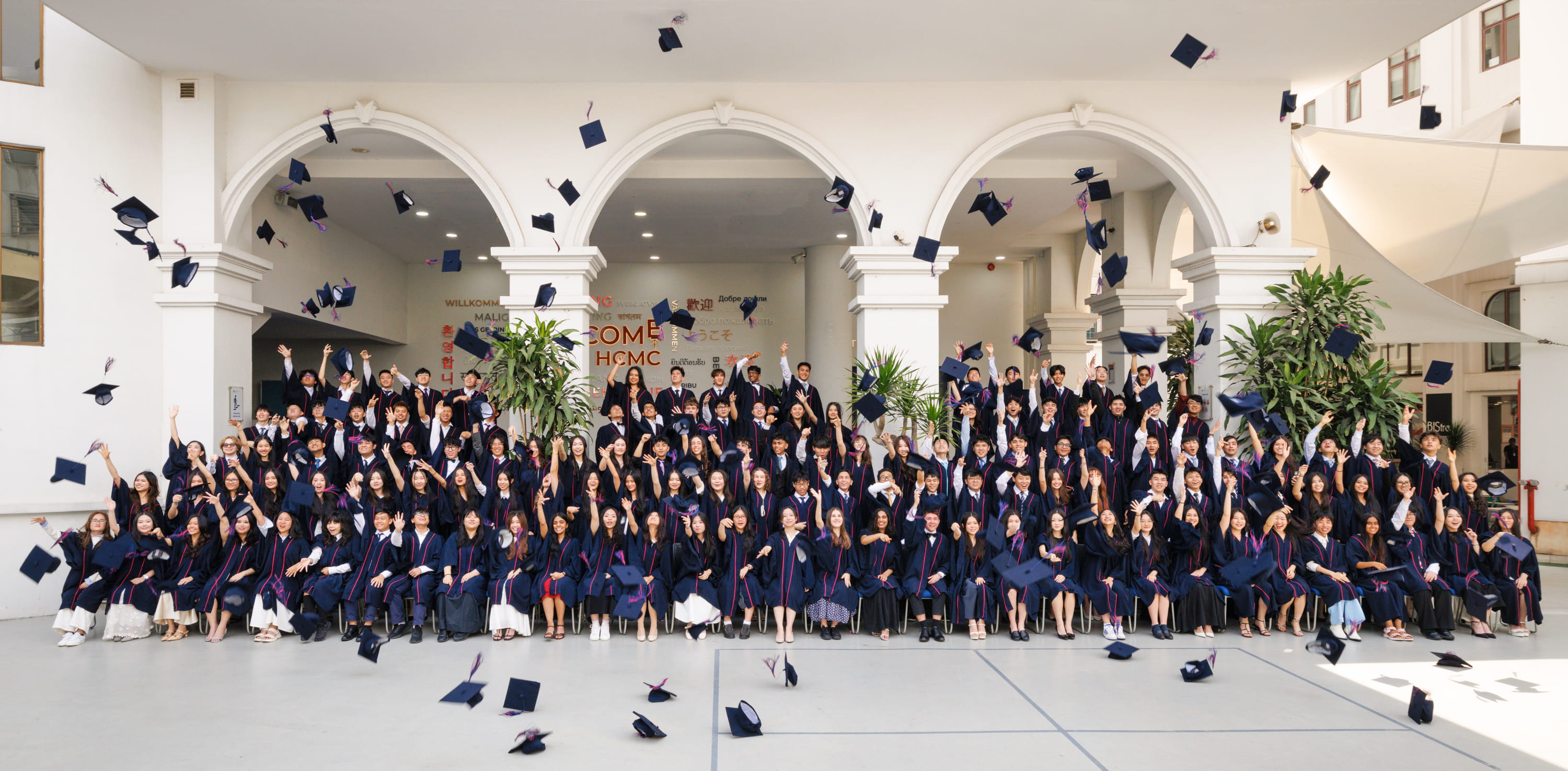
 Celebrating 20 Years of IBDP Excellence: Congratulations to the BIS HCMC Class of 2026
We are incredibly proud to announce the International Baccalaureate Diploma Programme (IBDP) results for the BIS HCMC Class of 2026. Our 20th graduating cohort, and our largest to date with over 120 students taking the full diploma, has once again far surpassed global averages, demonstrating immense hard work, commitment, and resilience.
News image ![The Duke of Edinburghs International Award at BIS HCMC - From Mountain Trails to Lifelong Skills - The Duke of Edinburghs International Award at BIS HCMC - From Mountain Trails to Lifelong Skills]() Blog | Co-Curricular Activities | Expeditions | Learning (SC)
Blog | Co-Curricular Activities | Expeditions | Learning (SC)
 Blog | Co-Curricular Activities | Expeditions | Learning (SC)
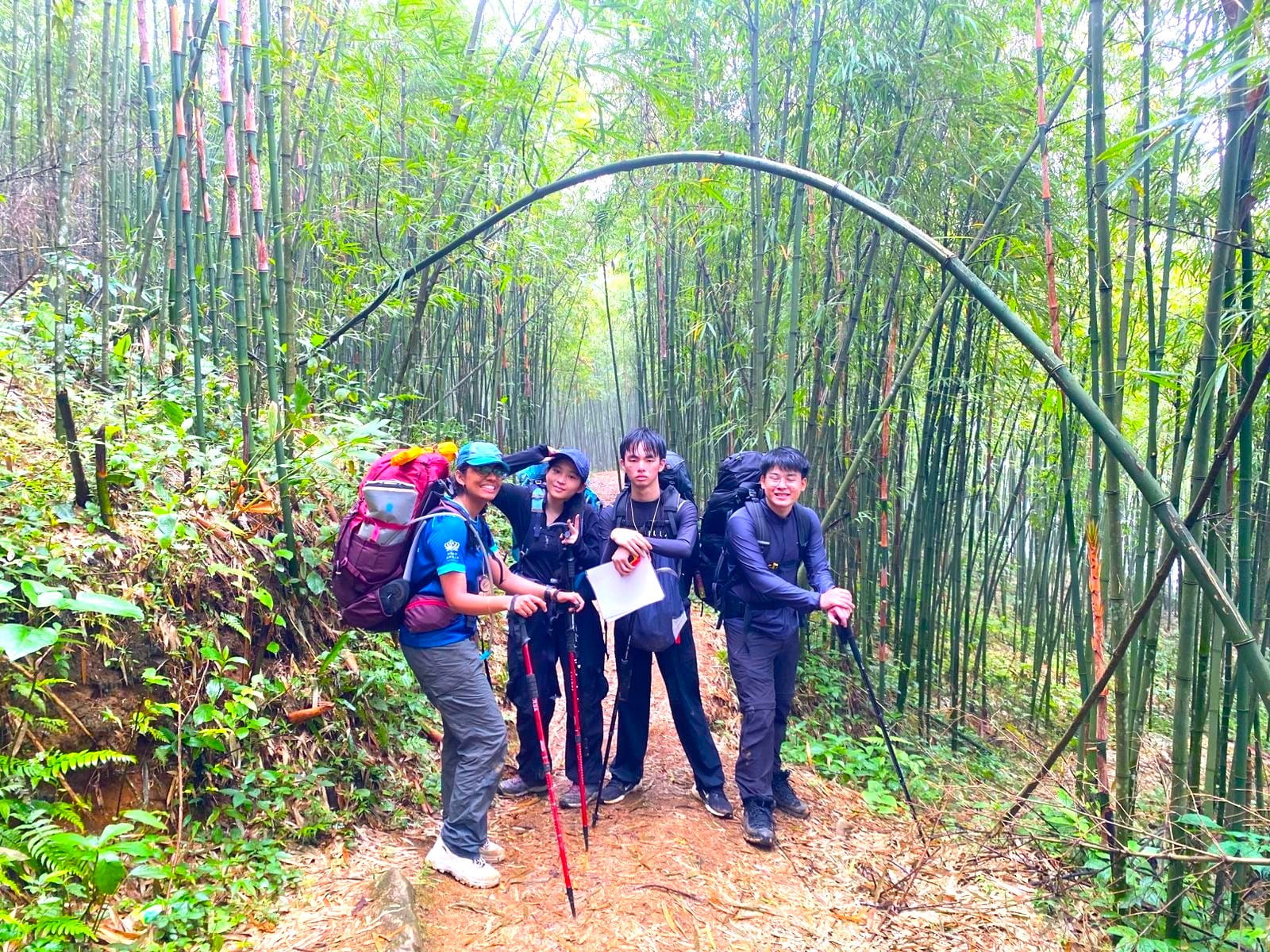
 The Duke of Edinburgh’s International Award at BIS HCMC: From Mountain Trails to Lifelong Skills
From Bronze in Year 10 to Gold in Year 12, The Duke of Edinburgh’s International Award takes BIS HCMC students far beyond the classroom. From the forests of Bidoup-Núi Bà National Park to the rice paddies of Mai Chau and the mountains of Sa Pa, students develop resilience, teamwork and independence through one of the world’s most respected youth achievement programmes.
News image ![BIS HCMC and FOBISIA - A Partnership That Opens Doors Across Asia - BIS HCMC and FOBISIA - A Partnership That Opens Doors Across Asia]() Blog | FOBISIA | Sports | Music and Drama | Student Learning | Continued Professional Development
Blog | FOBISIA | Sports | Music and Drama | Student Learning | Continued Professional Development
 Blog | FOBISIA | Sports | Music and Drama | Student Learning | Continued Professional Development
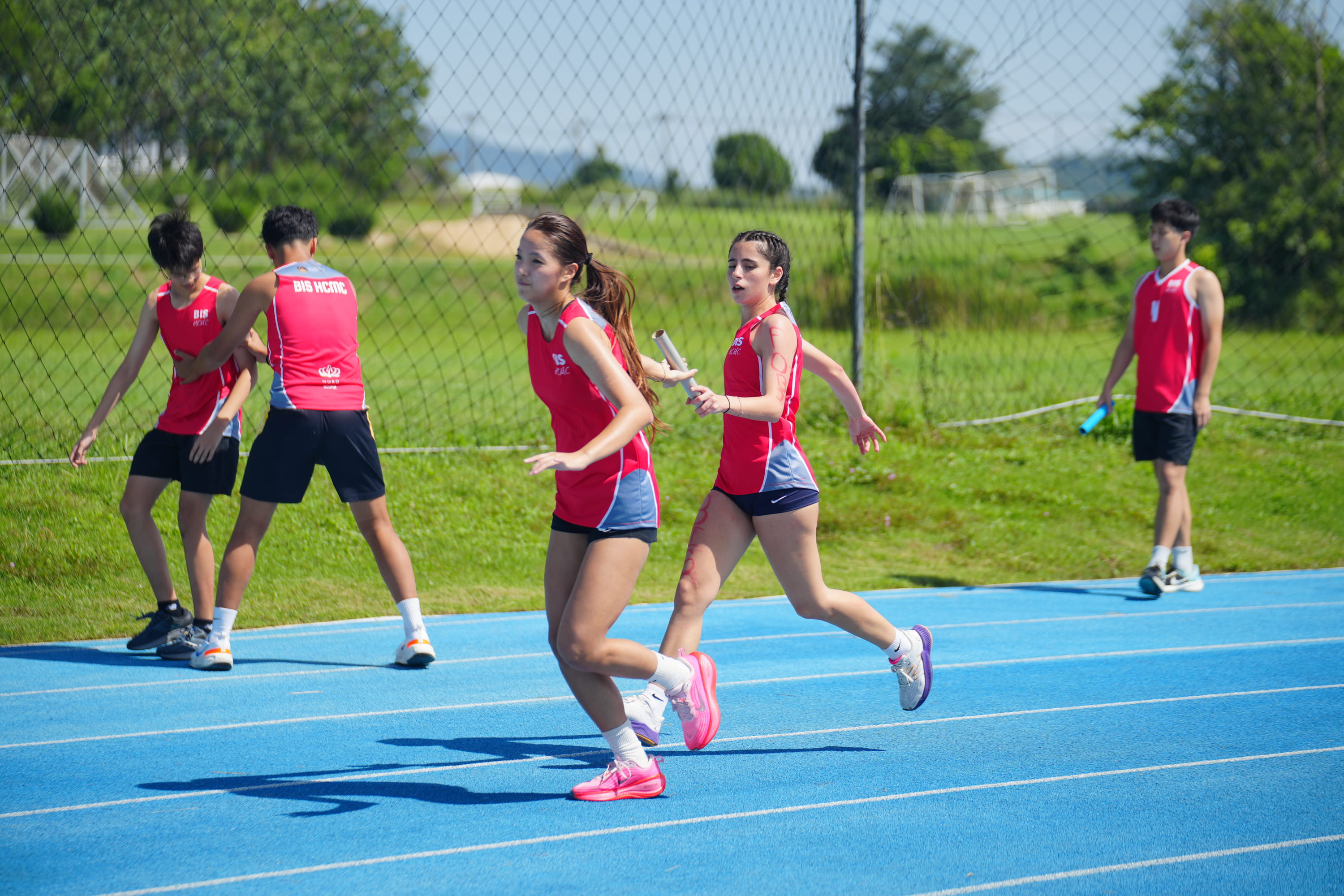
 BIS HCMC and FOBISIA - A Partnership That Opens Doors Across Asia
For more than 20 years, BIS HCMC's partnership with FOBISIA has created exceptional opportunities for thousands of BIS students across Asia, while supporting the professional growth of our staff and strengthening our place within one of the region's leading British international school networks.


