


We use cookies to improve your online experiences. To learn more and choose your cookies options, please refer to our cookie policy.
05 June, 2026
What parents should look for in a strong Early Years school
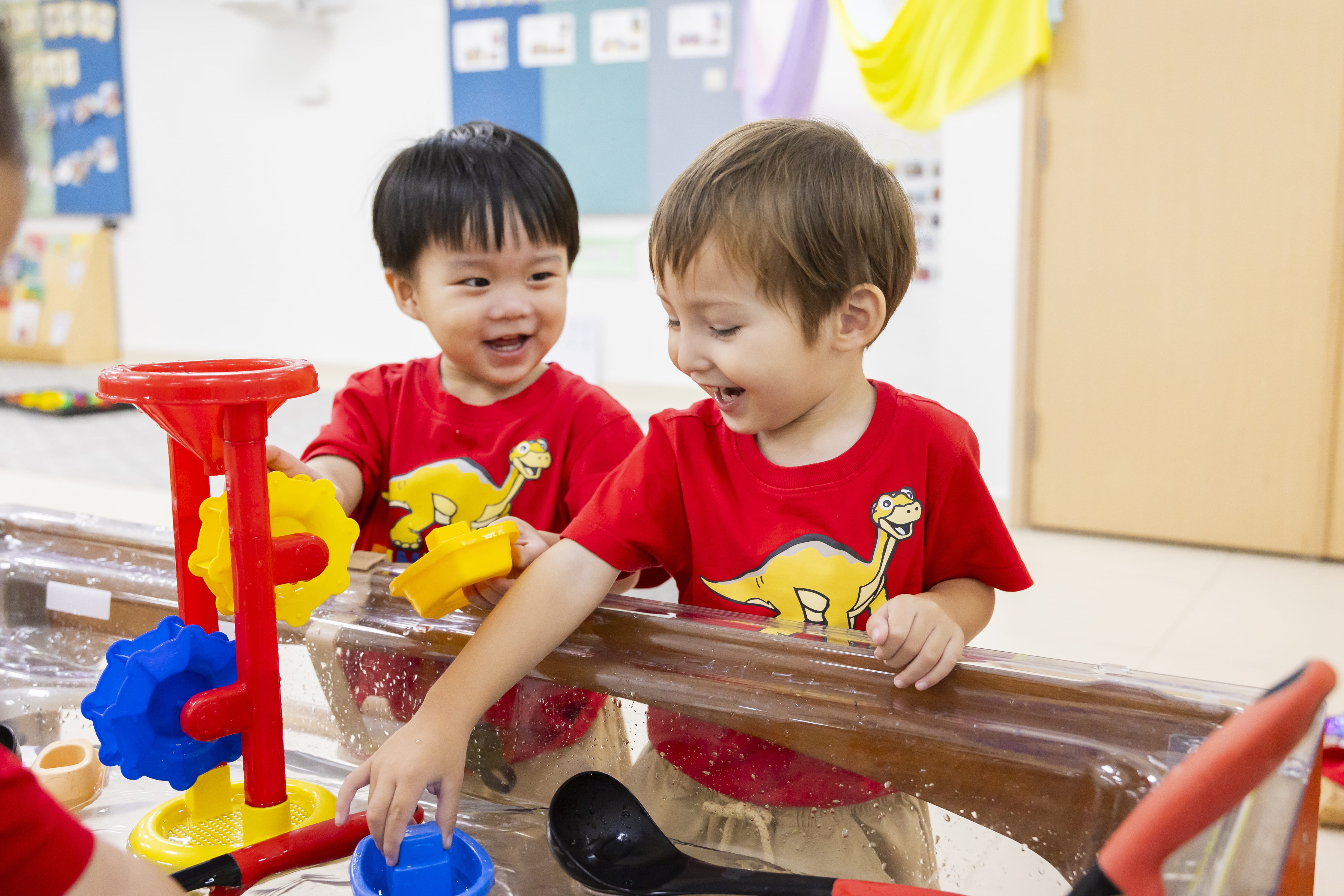
Choosing an Early Years school, nursery or kindergarten in Vietnam can feel challenging. At first glance, many look similar; welcoming classrooms, colourful resources, and children happily at play.
For parents, it’s not always easy to see what sets one programme apart from another, or how play is being used to support deeper learning.
In reality, quality in Early Years education isn’t defined by bright facilities. It’s shaped by how children explore, how early years specialists guide their play, and whether the environment nurtures intentional growth across all areas of development.
At The British International School Ho Chi Minh City (BIS HCMC), a strong Early Years programme is built around purposeful play, expert teaching, and an environment designed to support every stage of early childhood development.
What strong Early Years learning really looks like
In a specialist Early Years classroom, learning does not look like traditional instruction.
Children are not sitting still for long periods or following rigid tasks. Instead, they are exploring, experimenting, and engaging with their environment.
Clare Lowson, Head of Foundation Stage 1 explains:
“Strong Early Years environments are built around play-based learning, where children follow their interests and engage in imaginative, collaborative experiences.”
You might see children:
Building and creating through open-ended play
Exploring materials such as water, sand, or sensory textures
Engaging in role play that reflects real-world experiences
These activities are not random. They are carefully designed to support development in communication, physical skills, and social interaction.
The environment itself is also important. High-quality resources and well-planned spaces encourage curiosity and independent exploration.
The difference between activity and meaningful interaction
One of the most important indicators of quality is in the intricacies of how adults engage with children.
Early Years specialists are not simply standing back to supervise, nor are they directing every activity. Instead, they strike a careful balance; allowing independence and free exploration while stepping in at the right moments to guide thinking and extend learning.
“Quality interactions happen when teachers join children’s play, extending thinking and creating opportunities for learning rather than directing every activity,” notes Clare.
This distinction is subtle but critical. Less effective environments may involve adults leading activities constantly or stepping back entirely. In contrast, skilled teachers know when to guide, when to observe, and when to extend a child’s thinking through conversation.
These moments, often brief and informal, are where significant learning takes place.
Why teacher expertise matters in Early Years
Early childhood education requires specialist knowledge.
Each child develops at a different pace, and understanding developmental milestones is essential.
“Experienced teachers understand developmental milestones and use their knowledge to support each child’s communication, physical, and social development.”
This expertise allows teachers to:
Identify early signs of delay or difficulty
Provide targeted support when needed
Extend learning appropriately for each child
Without this understanding, activities may look engaging but fail to support meaningful progress.
The British Early Years Foundation Stage (EYFS) curriculum at BIS HCMC also supports their milestones, outlining seven key learning and development areas:
Communication and language
Physical development
Personal, social, and emotional development
Literacy
Maths
Understanding the world
Expressive arts and design
This framework ensures that every playful moment has the potential to become a learning moment. Teachers use their expertise to connect children’s natural curiosity with these developmental goals, so progress is both joyful and intentional.
Learning through real experiences
Strong Early Years programmes connect learning to real life.
At BIS HCMC, children are given opportunities to engage in authentic experiences, such as preparing food, setting up shared spaces, or participating in role play based on everyday situations.
“Authentic experiences help children understand the purpose of their learning and make meaningful connections to the world around them,” adds Clare.
These experiences support:
Language development
Independence
Problem-solving skills
They also help children build confidence by applying their learning in familiar contexts.
A language-rich and nurturing environment
Language development is central to early childhood education.
In strong early childhood environments, children are surrounded by rich language experiences. Teachers model vocabulary, encourage conversation, and create opportunities for children to express themselves.
At the same time, the environment must feel nurturing and secure.
“Nurturing relationships and a welcoming environment help children feel safe, which is essential for learning and development,” says Clare.
When children feel safe, they are more likely to explore, communicate, and engage with others.
What parents should look for
For parents, identifying a strong Early Years school means looking beyond surface features.
Key indicators include:
Children actively engaged in purposeful play
Teachers interacting meaningfully with children
Specially trained early years teachers and a strong framework
Environments that encourage exploration and curiosity
Clear support for individual development
Most importantly, parents should look for an environment where children feel confident, supported, and motivated to learn.
A foundation for future learning
Early Years education sets the foundation for everything that follows.
At The British International School Ho Chi Minh City, this foundation is built through a balance of play, expert teaching, and a carefully designed environment.
For parents, this provides reassurance that their child is not only happy in school, but is also developing the skills and confidence needed for future learning.
Parents who would like to explore the Early Years environment at BIS HCMC are always welcome to speak with the academic team and see how these principles are applied in practice.
Related news
News image ![BIS HCMC IGCSE Students Secure Outstanding Results with 1 in 3 Grades at A* - IGCSE Results 2026]() News | Academic Results
News | Academic Results
 News | Academic Results
 BIS HCMC IGCSE Students Secure Outstanding Results with 1 in 3 Grades at A*
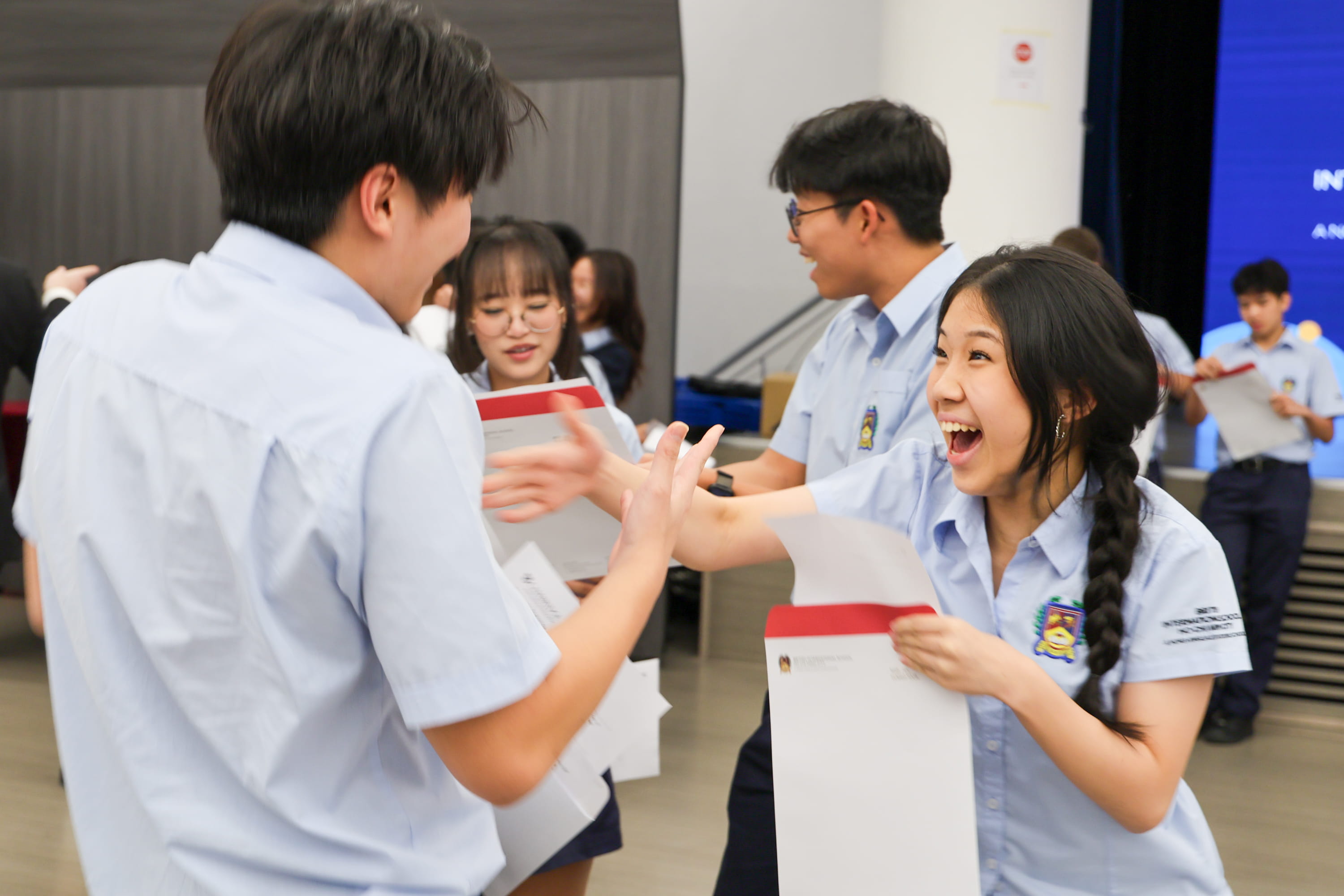
It’s that time of year again! Our current Year 12s gathered in the Auditorium to open those all-important IGCSE results. This year's group of 153 students completed an extraordinary 1,410 exam entries. Congratulations to the IGCSE Class of 2026, who, before you know it, will be our graduating Class of 2028!
News image ![Celebrating 20 Years of IBDP Excellence Congratulations to the BIS HCMC Class of 2026 - Celebrating 20 Years of IBDP Excellence Congratulations to the BIS HCMC Class of 2026]() News | Academic Results
News | Academic Results
 News | Academic Results
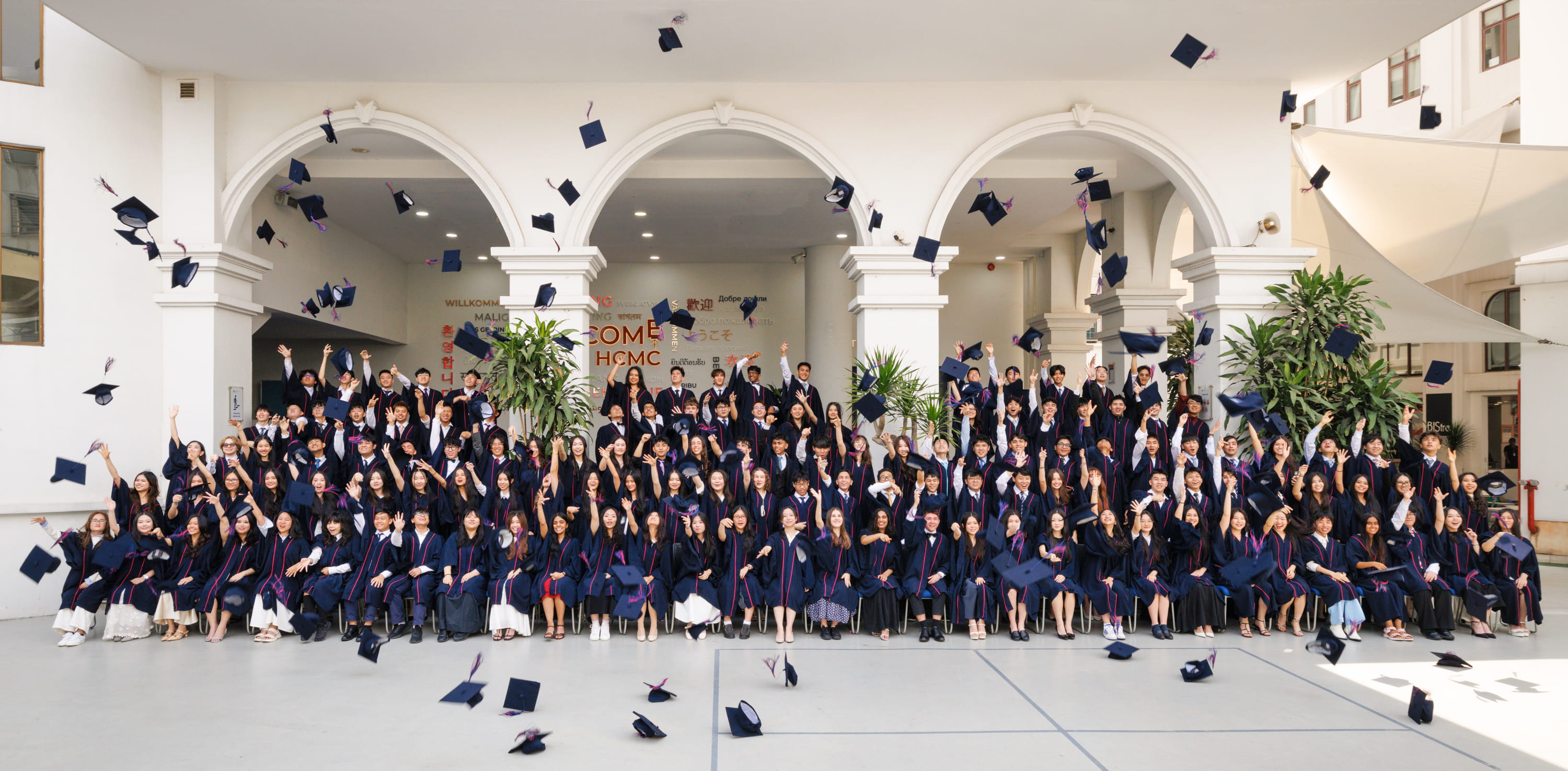
 Celebrating 20 Years of IBDP Excellence: Congratulations to the BIS HCMC Class of 2026
We are incredibly proud to announce the International Baccalaureate Diploma Programme (IBDP) results for the BIS HCMC Class of 2026. Our 20th graduating cohort, and our largest to date with over 120 students taking the full diploma, has once again far surpassed global averages, demonstrating immense hard work, commitment, and resilience.
News image ![The Duke of Edinburghs International Award at BIS HCMC - From Mountain Trails to Lifelong Skills - The Duke of Edinburghs International Award at BIS HCMC - From Mountain Trails to Lifelong Skills]() Blog | Co-Curricular Activities | Expeditions | Learning (SC)
Blog | Co-Curricular Activities | Expeditions | Learning (SC)
 Blog | Co-Curricular Activities | Expeditions | Learning (SC)
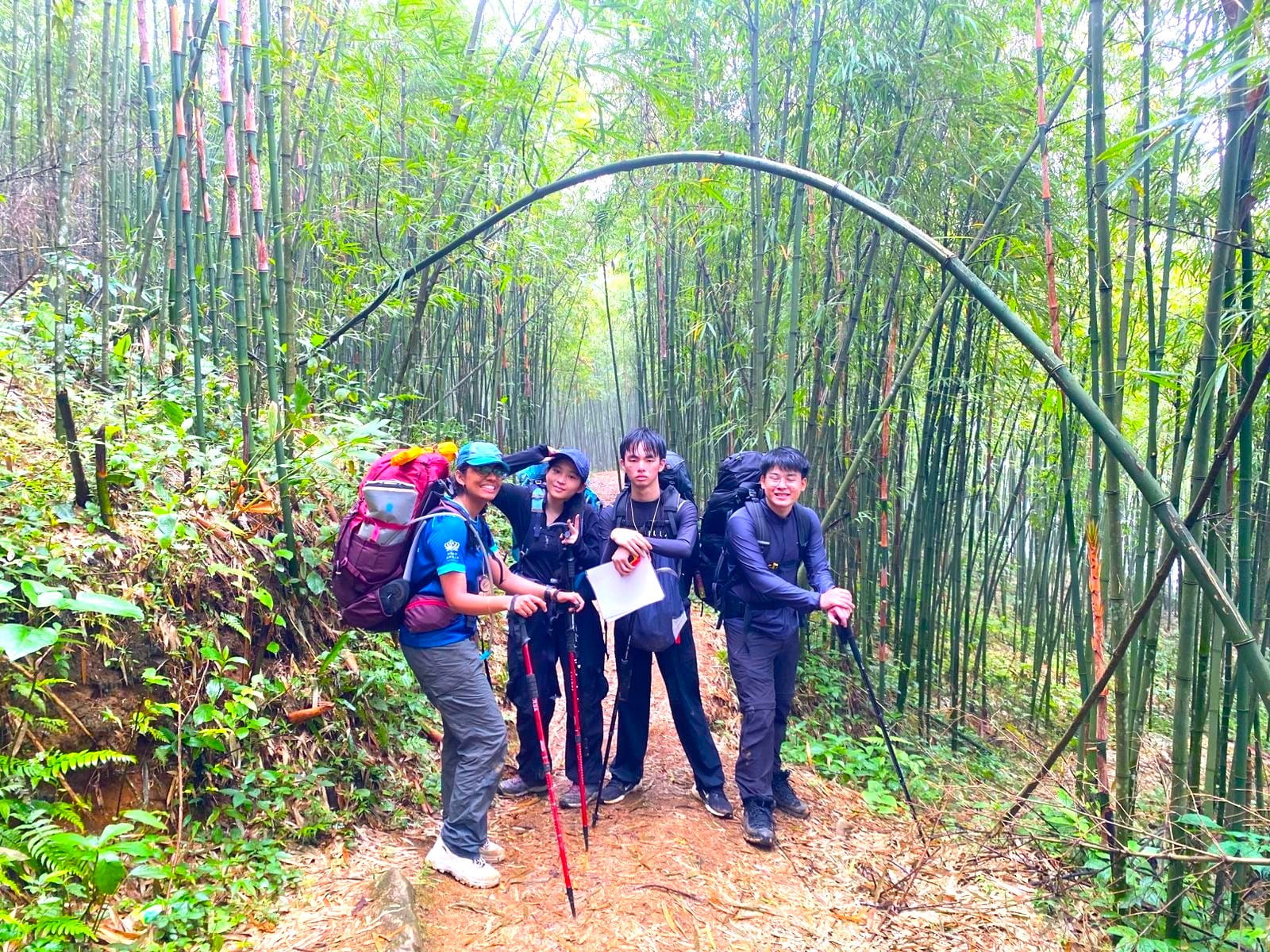
 The Duke of Edinburgh’s International Award at BIS HCMC: From Mountain Trails to Lifelong Skills
From Bronze in Year 10 to Gold in Year 12, The Duke of Edinburgh’s International Award takes BIS HCMC students far beyond the classroom. From the forests of Bidoup-Núi Bà National Park to the rice paddies of Mai Chau and the mountains of Sa Pa, students develop resilience, teamwork and independence through one of the world’s most respected youth achievement programmes.
News image ![BIS HCMC and FOBISIA - A Partnership That Opens Doors Across Asia - BIS HCMC and FOBISIA - A Partnership That Opens Doors Across Asia]() Blog | FOBISIA | Sports | Music and Drama | Student Learning | Continued Professional Development
Blog | FOBISIA | Sports | Music and Drama | Student Learning | Continued Professional Development
 Blog | FOBISIA | Sports | Music and Drama | Student Learning | Continued Professional Development
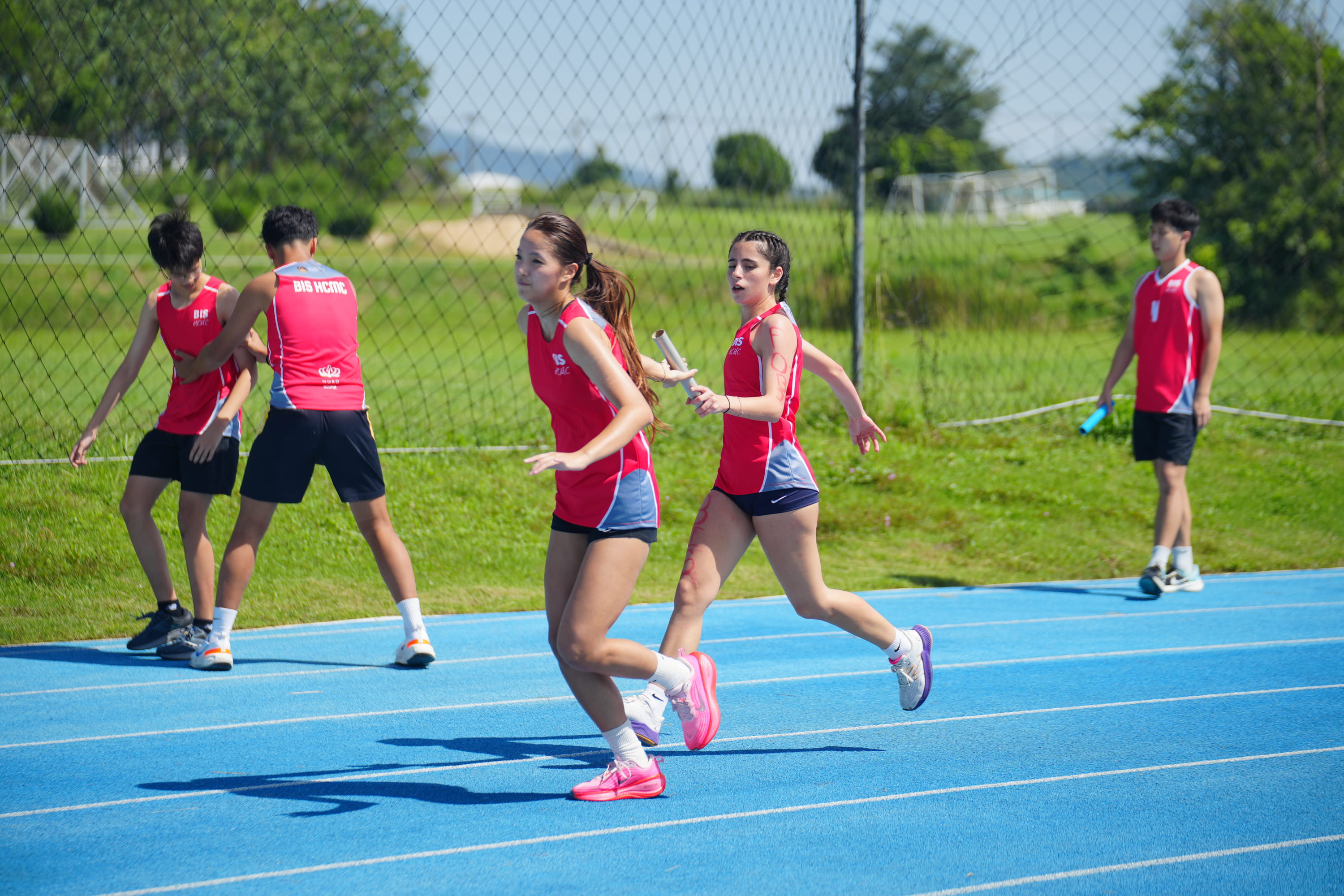
 BIS HCMC and FOBISIA - A Partnership That Opens Doors Across Asia
For more than 20 years, BIS HCMC's partnership with FOBISIA has created exceptional opportunities for thousands of BIS students across Asia, while supporting the professional growth of our staff and strengthening our place within one of the region's leading British international school networks.


