


We use cookies to improve your online experiences. To learn more and choose your cookies options, please refer to our cookie policy.
05 June, 2026
What real learning looks like in early childhood education classrooms
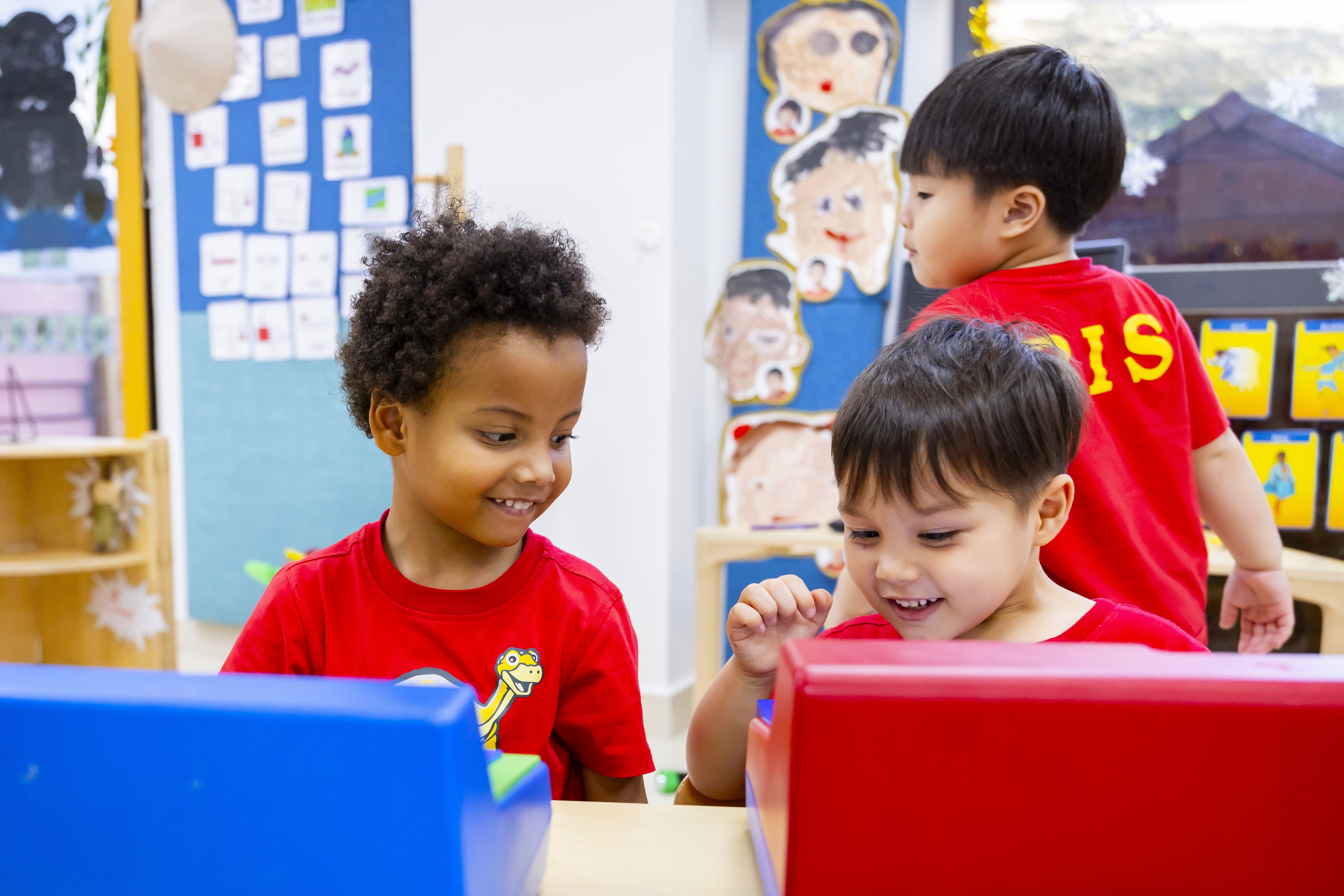
For many parents, early years environments can appear engaging and well-resourced. But early childhood education should be more than just fun; it should develop language, thinking and social understanding through purposeful, hands‑on experiences.
At The British International School Ho Chi Minh City (BIS HCMC), children play to learn, but play is designed with clear academic intent. Every experience in the classroom is structured to develop language, thinking, and social understanding in ways that prepare children for long-term success.
Experiential learning that builds language and thinking
In a high-quality early years classroom, learning is not confined to sitting and listening. It is active, physical, and rooted in experience.
Christine Neville, Curriculum and Assessment Leader (EYFS), explains how experiential learning supports deep understanding. “Hands-on and interactive experiences help children grasp new vocabulary through movement and real context,” she says.
This can take many forms. Children may step into a story, physically moving through environments that bring language to life. In one activity, children followed a trail inspired by We’re Going on a Bear Hunt, moving through mud, navigating a snowstorm, and entering a cave. In another, they recreated Rosie’s Walk outdoors, moving under, over, and around obstacles.
These activities are carefully designed active learning strategies that connect vocabulary and literacy to physical experience, making new language more memorable and meaningful.
Playful learning opportunities shaped by children’s interests
Playful learning or play in early childhood education does not mean leaving children to explore without direction. It requires skilled teaching, where educators observe closely and guide learning through purposeful and quality interaction.
“At BIS, the children’s interests are at the heart of everything we do,” Christine Neville explains. “We follow their interests and enhance their play by providing resources and opportunities to develop and extend their curiosity.”
Role play and imaginative play are big contributors to this approach. Classrooms and Early Learning Centres are regularly adapted into environments such as airports, camping sites, salons, home settings, among others. Within these spaces, children take on roles, solve problems, and engage in natural dialogue with their peers. This supports holistic child development. As children negotiate roles and build narratives together, they develop communication skills, social awareness, and early reasoning abilities.
Early Years teachers play a critical role in extending this learning. Through high-quality interactions, they model language, introduce new vocabulary, and ask open-ended questions that deepen thinking. This ensures that play opportunities meet the children’s academic needs in an age-appropriate way which supports high levels of engagement within the children.
Learning through play with clear structure and progression
Learning through play is often misunderstood as unstructured. Our strong early years curriculum is carefully planned and continuously adapted to ensure that we are laying the foundations that our youngest children need.
At The British International School HCMC, classrooms are organised to support continuous provision. Children can independently access resources that reflect their interests, from construction materials to creative tools. This independence encourages critical thinking, active learning, and sustained engagement.
Teachers plan key skills and play opportunities , but remain responsive to how children interact with their environment. “We observe children’s interests and extend them,” Christine Neville explains. “Although we plan activities, we incorporate learning into what the children are already engaged in.”
This approach includes in-the-moment planning, where teachers adapt learning opportunities as new interests emerge. If a group of children develops a shared focus during play, resources and activities are adjusted to deepen that exploration, often continuing across multiple days.
This balance of structure and flexibility ensures that developmentally appropriate practice remains both responsive and adaptive to the children’s developmental expectations
Understanding each child through observation and assessment
Strong learning is not only about what children do, but how their progress is understood and supported.
Observation is central to assessment in early childhood education. Teachers record their current interests, peer-to-peer interactions, shared language to build a detailed picture of their overall development.
Christine Neville describes this process clearly. “Our observations help us understand where children are and how we can develop their learning further. We use what we see and hear to guide our planning.”
Children’s progress is documented through individual learner journals, providing a consistent record of development across different learning areas in the Early Years curriculum. These include photographs, videos, and teacher notes that capture both achievements and next steps.
This system ensures that assessment is ongoing and learning opportunities are responsive to the children’s needs. It also allows parents to see how learning develops over time, creating a transparent connection between daily experiences and long-term progress.
A clear standard for real learning quality
Real learning in early childhood education is not defined by how busy a classroom appears. It is defined by the quality of interaction, the clarity of teaching, and the consistency of progress over time.
At The British International School Ho Chi Minh City, experiential learning andplayful learning are not trends. They are approaches that ensure children develop strong language, thinking skills, and build friendships along the way. .
For parents evaluating learning quality, one principle remains clear. When teaching is intentional, assessment is ongoing, and every activity is linked to development, children are not only engaged. They are building the skills that support future academic success.
Families who would like to explore how this looks in practice are always welcome to speak with the academic team and gain a clearer understanding of how learning is designed, observed, and supported from the earliest years.
Related news
News image ![BIS HCMC IGCSE Students Secure Outstanding Results with 1 in 3 Grades at A* - IGCSE Results 2026]() News | Academic Results
News | Academic Results
 News | Academic Results
 BIS HCMC IGCSE Students Secure Outstanding Results with 1 in 3 Grades at A*
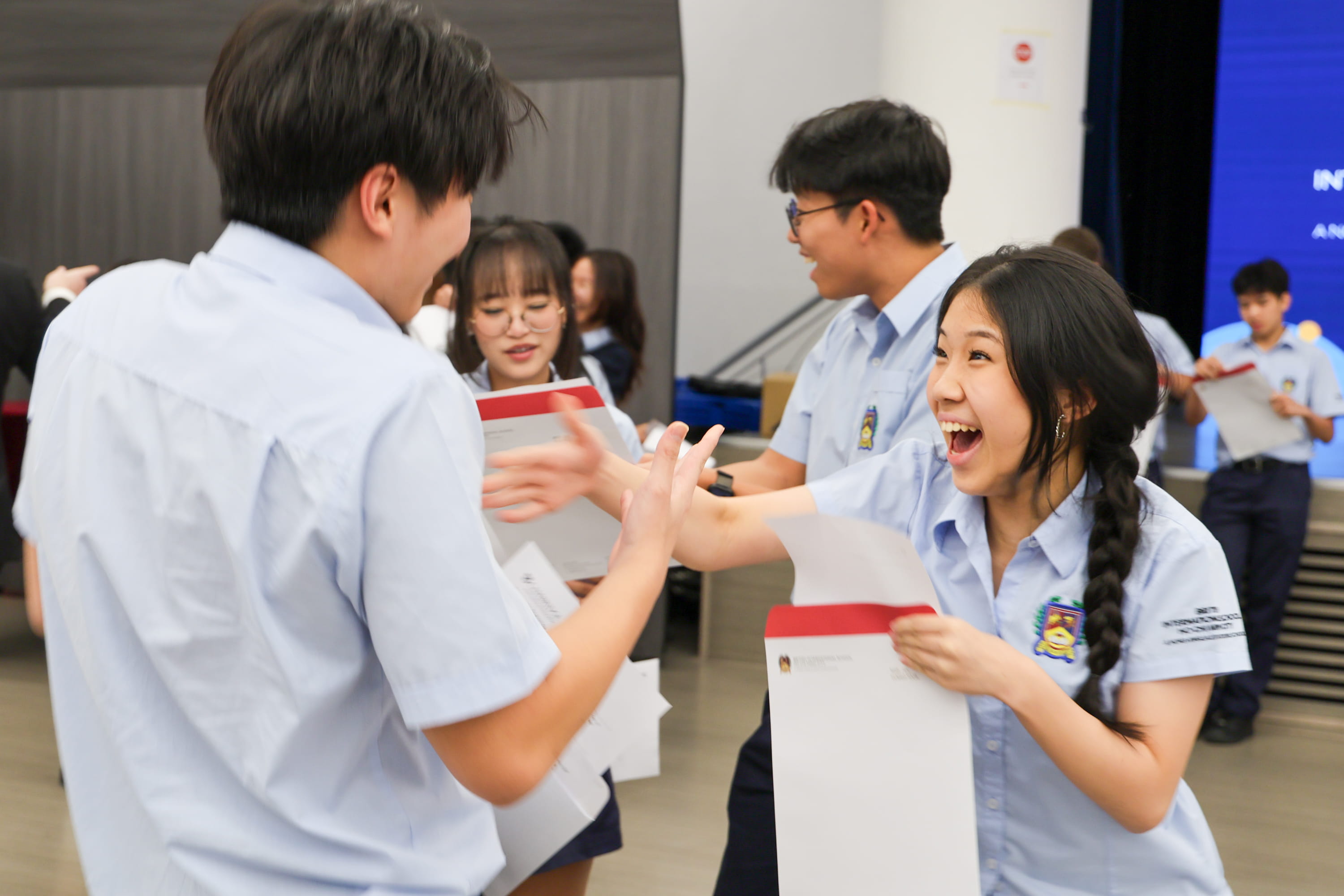
It’s that time of year again! Our current Year 12s gathered in the Auditorium to open those all-important IGCSE results. This year's group of 153 students completed an extraordinary 1,410 exam entries. Congratulations to the IGCSE Class of 2026, who, before you know it, will be our graduating Class of 2028!
News image ![Celebrating 20 Years of IBDP Excellence Congratulations to the BIS HCMC Class of 2026 - Celebrating 20 Years of IBDP Excellence Congratulations to the BIS HCMC Class of 2026]() News | Academic Results
News | Academic Results
 News | Academic Results
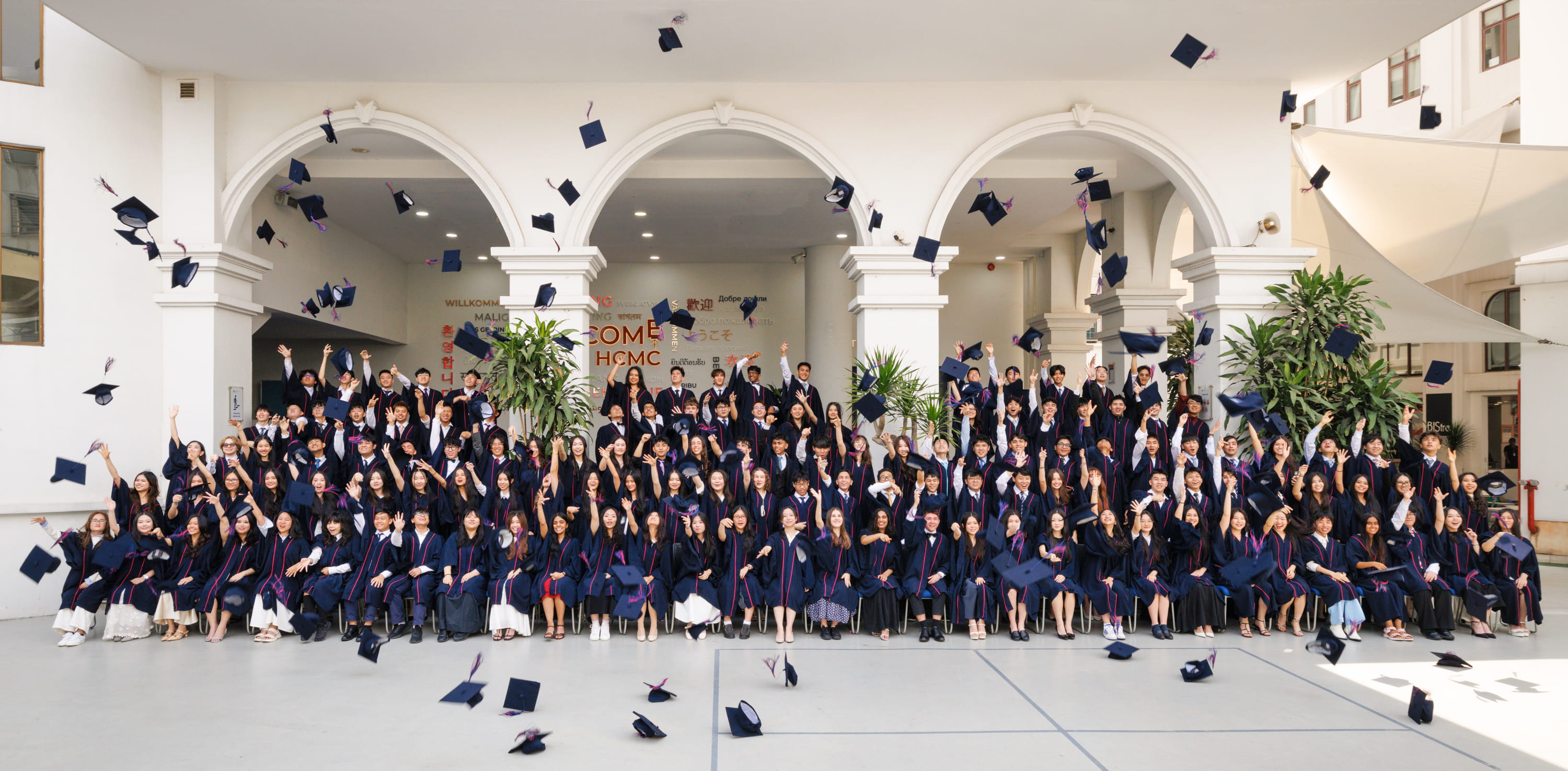
 Celebrating 20 Years of IBDP Excellence: Congratulations to the BIS HCMC Class of 2026
We are incredibly proud to announce the International Baccalaureate Diploma Programme (IBDP) results for the BIS HCMC Class of 2026. Our 20th graduating cohort, and our largest to date with over 120 students taking the full diploma, has once again far surpassed global averages, demonstrating immense hard work, commitment, and resilience.
News image ![The Duke of Edinburghs International Award at BIS HCMC - From Mountain Trails to Lifelong Skills - The Duke of Edinburghs International Award at BIS HCMC - From Mountain Trails to Lifelong Skills]() Blog | Co-Curricular Activities | Expeditions | Learning (SC)
Blog | Co-Curricular Activities | Expeditions | Learning (SC)
 Blog | Co-Curricular Activities | Expeditions | Learning (SC)
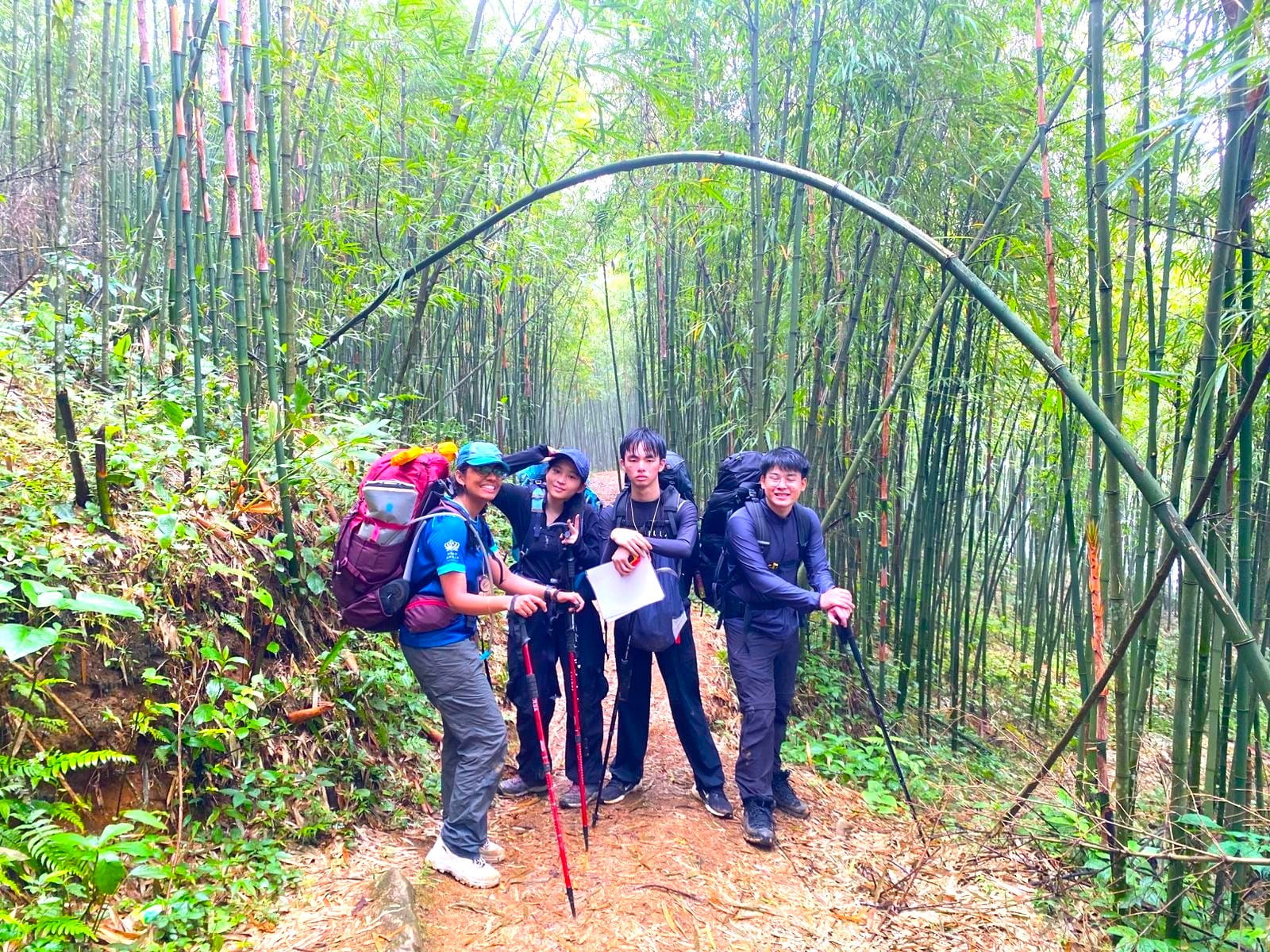
 The Duke of Edinburgh’s International Award at BIS HCMC: From Mountain Trails to Lifelong Skills
From Bronze in Year 10 to Gold in Year 12, The Duke of Edinburgh’s International Award takes BIS HCMC students far beyond the classroom. From the forests of Bidoup-Núi Bà National Park to the rice paddies of Mai Chau and the mountains of Sa Pa, students develop resilience, teamwork and independence through one of the world’s most respected youth achievement programmes.
News image ![BIS HCMC and FOBISIA - A Partnership That Opens Doors Across Asia - BIS HCMC and FOBISIA - A Partnership That Opens Doors Across Asia]() Blog | FOBISIA | Sports | Music and Drama | Student Learning | Continued Professional Development
Blog | FOBISIA | Sports | Music and Drama | Student Learning | Continued Professional Development
 Blog | FOBISIA | Sports | Music and Drama | Student Learning | Continued Professional Development
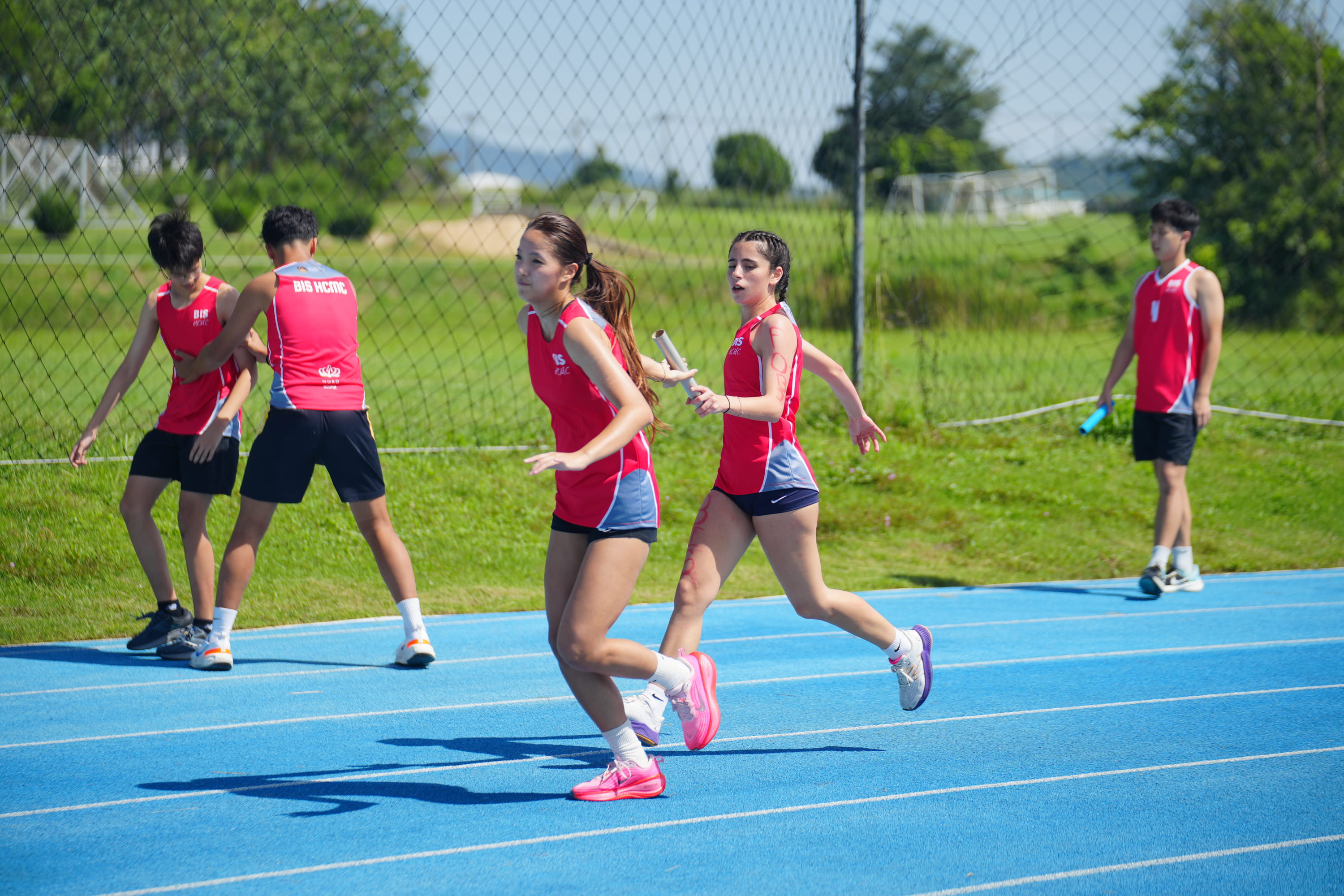
 BIS HCMC and FOBISIA - A Partnership That Opens Doors Across Asia
For more than 20 years, BIS HCMC's partnership with FOBISIA has created exceptional opportunities for thousands of BIS students across Asia, while supporting the professional growth of our staff and strengthening our place within one of the region's leading British international school networks.


