


We use cookies to improve your online experiences. To learn more and choose your cookies options, please refer to our cookie policy.
October 29, 2026
Culture, Belonging, and Learning: Reflections from Our Parent Community
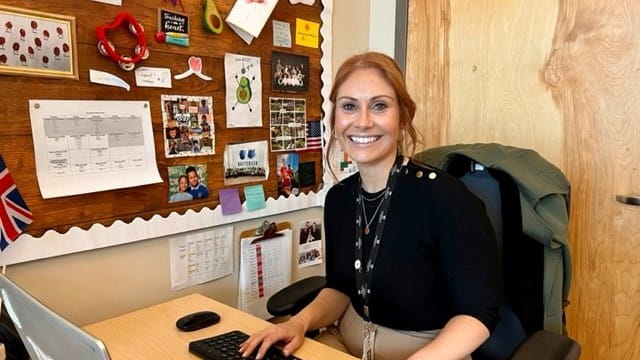
Earlier this year, many of our families generously gave their time to participate in my research study exploring cultural representation within our school community. The study formed part of my postgraduate research project with King’s College London and explored how parents perceive representation within the curriculum, school environment, and wider community. Before sharing some of the key themes that emerged, I would like to extend my sincere thanks to everyone who took part. The level of engagement was remarkable and reflects something many of us already know; our families are deeply invested in helping our school continue to grow and improve. This topic feels particularly relevant today. Around the world, schools are increasingly reflecting on how they foster a strong sense of belonging and ensure that all students see themselves and others represented within the learning community. At the same time, international schools are changing. Increasingly, they serve communities that are both globally connected and locally rooted such as our own, creating exciting opportunities as well as important responsibilities when considering how children experience and understand culture in their learning and day-to-day experiences.
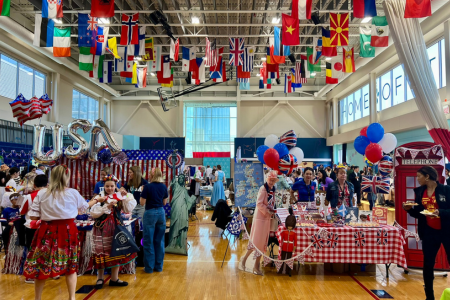
One of the clearest findings was the value parents place on our diverse community. Respondents frequently described the school as an inclusive environment where children learn alongside peers from diverse backgrounds and with varied life experiences. This is also evident in our recent 2027 Niche Rankings where we received A+ for Academics, Teachers, and Diversity. Many linked this diversity to children's sense of belonging and highlighted the importance of growing up in a community where diverse cultural identities and experiences are recognized and valued. Parents also spoke positively about opportunities to celebrate culture together. International Day was frequently identified as a meaningful experience, allowing children and families to share aspects of their heritage and learn from one another. These occasions were valued not only for celebrating diversity but also for bringing our community together.
As with any healthy school community, the research also highlighted areas where we can continue learning and growing together. Some parents expressed a desire to see a wider range of cultural perspectives become more visible in everyday learning. Families highlighted the value of encountering diverse perspectives through literature, history, enquiry and classroom discussion throughout the year. The findings also illustrate the complexity of representation within an international community. Parents did not always agree on which cultures were most visible or which perspectives could be explored further. This reminds us that families bring varied perspectives to their experiences of representation, making ongoing dialogue an important part of developing our understanding. Another key theme was partnership. Parents valued opportunities to contribute their knowledge and experiences and expressed interest in continued conversations about curriculum and representation. The findings reinforce the importance of collaboration between school and home in fostering an inclusive community.
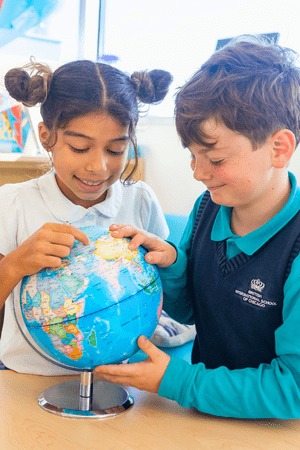
Overall, the research offered an encouraging picture of how parents experience our school community, while also identifying areas for further consideration. It is important to recognize that this study captures the perspectives of participating parents rather than providing a complete picture of every family's experience. Research projects often conclude with more questions than answers, and this study is no exception. Nevertheless, these insights offer a valuable starting point for reflection. I intend to share the findings with our DEIB committee to begin to consider how we can use this research as a springboard for further reflection and development.
Thank you once again to every parent who participated. Your voices have contributed to a deeper understanding of this important aspect of school life and will help inform future conversations about belonging, representation, and community.
As we continue to build a community where every child feels a sense of belonging, we invite prospective families to see BISC Lincoln Park in action. From our nurturing early years program to our globally minded curriculum and exceptional teaching team, every aspect of the student experience is designed to help children flourish.
Schedule a tour or register for an upcoming Open House to learn more about life at BISC Lincoln Park.
Stephanie Davis
Dance Teacher & Curriculum Director
Related news
News image ![Year 3 Leader, Carla Williamson]() Blog | Featured | Global Education
 Blog | Featured | Global Education
The Importance of Self-Regulation in Children: A Foundation for Learning and Wellbeing
Discover how co-regulation, emotional awareness, and practical strategies support children in managing emotions and building resilience at BISC Lincoln Park.
News image ![Lowri Covello]() Blog | Featured
 Blog | Featured
Meet the BISC-LP Student Community Directors: How BISC-LP Supports Student Wellbeing, Safety and Belonging
Meet the Student Community Directors at British International School of Chicago, Lincoln Park and learn how they support student wellbeing, positive behavior, safeguarding, and belonging across our school community.
News image ![Our Restorative Approach at BISC-LP - Our Restorative Approach at BISC-LP]() Blog | Featured
 Blog | Featured
Building Character Through Connection: Our Restorative Approach at BISC-LP
Discover how BISC-LP's restorative approach to behavior helps students build character, strengthen relationships, and develop emotional intelligence through respect, connection, accountability, and restorative practices.
News image ![Make the most of Summer in Chicago - Summer Fun and Learning]() Blog | Featured
 Blog | Featured
Summer Fun & Learning: Make the most of Summer in Chicago
In our latest teacher blog, Pre-Nursery Assistant Directors Alex Duryea and Caitlin Stevens explore Chicago’s top summer destinations while supporting your child’s growth through play, discovery, and hands-on learning.


