



Supporting Your Student Through Mock Examinations
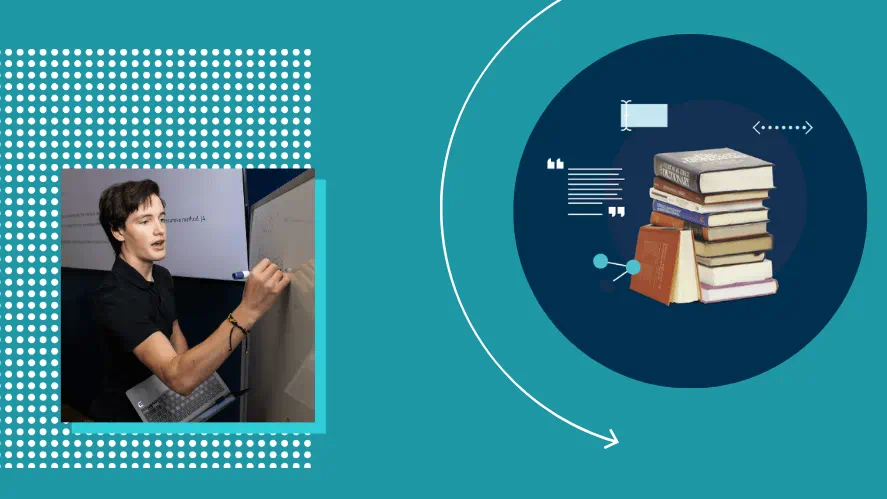
As we approach the mock examination period for our IGCSE and IB students, I’m reminded each year of just how important, and how emotionally charged, this time can be. Mocks serve a crucial purpose in our assessment cycle: they give students a realistic sense of what to expect in the external examinations, highlight areas for development, and provide valuable feedback long before the “real thing.” But they can also bring stress, late nights, and a fair amount of family negotiation about revision, routines, and expectations.
With that in mind, I want to share some practical ways you can support your child over the coming weeks, ensuring they’re not only academically prepared, but also able to preserve their wellbeing along the way.
How parents can help at home
There are a number of ways that you will be able to help students be successful in their mock examinations at home:
Be a logistics friend!
One of the simplest ways to support your child, yet one of the most overlooked, is helping them stay on top of the exam schedule. Sit with them, look over the mock timetable together, and jot down the dates and times of each exam. Having another adult who knows the schedule often reduces anxiety; it reassures students that they’re not handling the organization entirely on their own.
Another small but meaningful gesture is going through their exam equipment with them in advance. A working calculator, the correct pens, a ruler that hasn’t vanished into thin air - these details help students walk into the exam room feeling confident and prepared.
Monitor and support their study plan
Students often create beautifully colour-coded revision timetables… that never quite make it into practice. You can play a helpful role by supporting them to set realistic study goals and stick to their plan.
Active revision techniques work best: flashcards, verbal quizzing, writing short practice responses, and revisiting past paper questions. If your student is willing, you can join in: testing them on key vocabulary, prompting them with exam-style questions, or simply sitting nearby to keep them company during revision.
Creating a study-friendly environment can make a big difference too. A consistent routine, limited distractions, and a quiet space all help students build focus and confidence in a sustainable way.
Focus on encouragement and small wins, and keep an eye on their wellbeing
This period can be emotionally delicate. Students are often trying to balance the desire to succeed with a fear of failure. Our approach at home matters greatly. Psychology Today suggests focusing on effort and progress, not perfection, during exam season, as this reduces pressure and creates a healthier mindset for young people. Encouraging breaks, protecting their sleep, and promoting physical activity are equally important. Burnout is real, and regular exercise, downtime, and proper rest are essential tools in preventing it.
And of course, food matters. While snacks certainly have their place, a balanced diet helps with concentration, mood, and resilience.
What students should be doing
Using effective study techniques
Throughout their courses, students have learned a range of revision strategies. This is the time to lean on them: revisiting class notes, using teacher-provided study materials, and targeting areas that need the most improvement.
Taking care of themselves
Study breaks, hobbies, and mindfulness practices aren’t luxuries - during exam season, they’re necessities. Finding balance is often where students struggle most, so gentle reminders help.
Seeking help when needed
Mocks can feel overwhelming. Students should know that seeking support from teachers, advisors, or peer study groups is a strength, not a weakness.
A Final Thought
There will be highs and lows throughout the mock examination period, and that’s perfectly normal. What matters is that students use this time to build resilience, develop their exam strategies, and understand where they need to go next. Although components of the mocks contribute to Semester 2 grades, the primary function of these exams is learning.
Thank you for the support you provide at home. It makes a genuine difference to how students experience this period. And of course, if you have concerns (academic or wellbeing-related) your child’s advisor is here to help.
Related news
.jpg?h=499&iar=0&w=887&rev=52893d88dd924b9296ce01521d8817e1&hash=F2D7D46F8E6CB78925F9601E7AF264E2) Blog
Blog  Blog
Blog 
.png?h=499&iar=0&w=887&rev=f3ea2ecd12584cddb1349430fdc05c4b&hash=817F92C1D2A10F174568D7E5018B2996)


