
ELITE ATHLETE | PERFORMANCE COACH | P.E. TEACHER
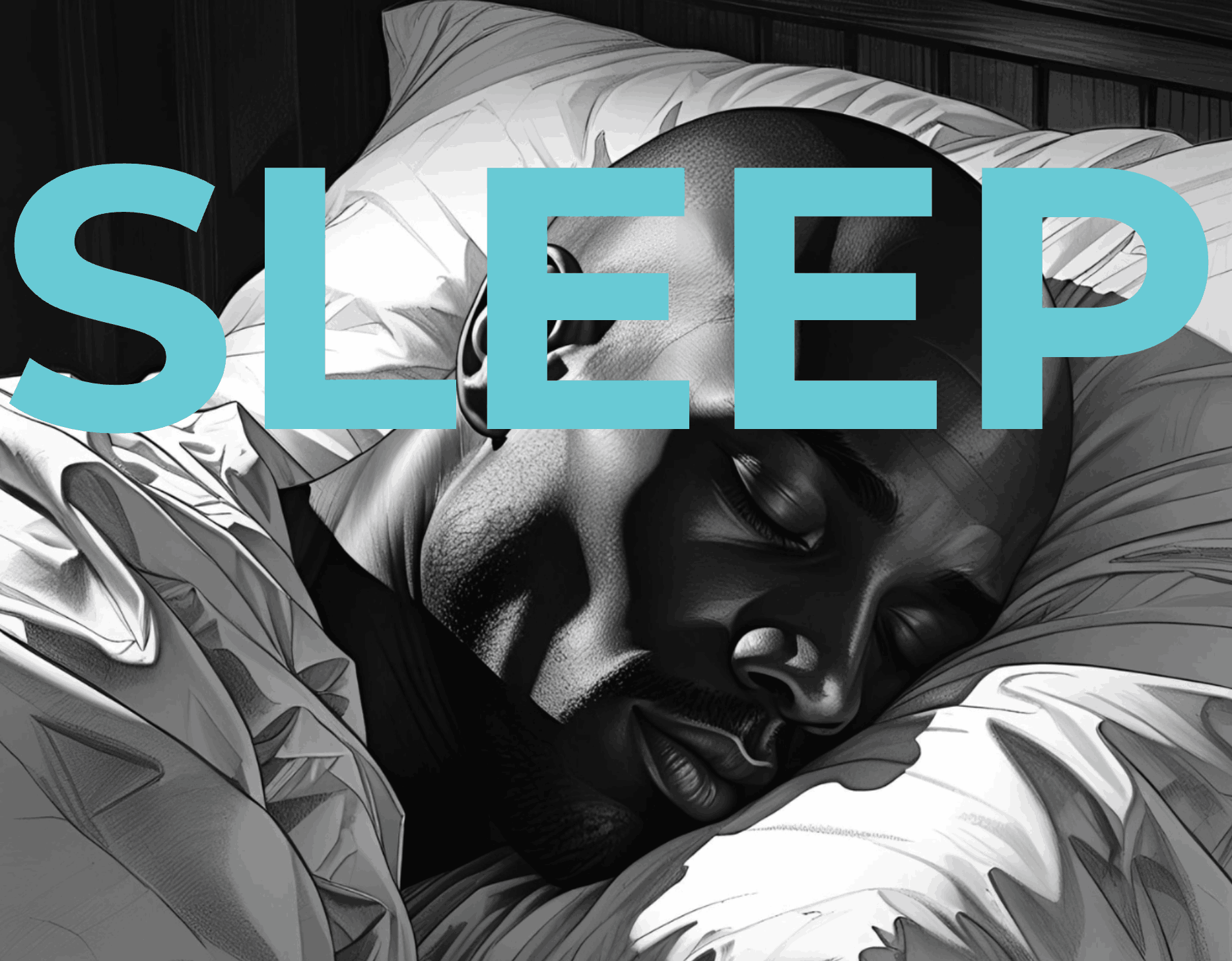
When it comes to enhancing performance, few factors are as critical as sleep. Numerous studies underscore the significance of sleep in recovery, overall athletic success, and even physical development in young students. Research indicates that inadequate sleep can negatively impact growth; specifically, insufficient sleep reduces the release of growth hormones, which are essential for height and overall development.
A study published in the journal “Sleep” found that athletes who sleep less than seven hours per night experience diminished performance, increased risk of injury, and impaired cognitive function (Mah et al., 2011). Furthermore, a study conducted by Tarokh et al. (2016) highlights the link between sleep and growth in children and adolescents, emphasising that adequate sleep is crucial for maximising growth potential. Sleep is essential not only for optimal physical performance and recovery but also for supporting the growth and development of young students.
The Challenge of Disrupted Sleep
During my time on the European athletics circuit, I often faced disrupted sleep due to a whirlwind of early flights, minibus rides from airports to hotels, and sharing rooms with unfamiliar athletes. With their varied sleep habits—some good, some bad—it was challenging to maintain a consistent sleep schedule. The consequences of insufficient sleep can be severe, leading to decreased focus, impaired decision-making, increased fatigue, and a higher likelihood of injury. Chronic sleep deprivation can also negatively impact mood and motivation, further hindering performance.
Olympic Time Zone Challenges
As I prepared for major championships, I frequently encountered the added challenge of time zone changes. Reflecting on my experience at the Sydney Olympics—located on the opposite side of the globe from my training group at the time base in the UK, Coventry—I learned firsthand how drastically these shifts could impact performance. Research suggests that for every hour of time zone change, athletes require approximately one day of recovery to adjust fully, so 8 hours = 8 days! (Reilly & Edwards, 2007). Therefore, arriving in Sydney well ahead of the competition was essential for achieving peak performance. This adjustment period is crucial for restoring circadian rhythms and ensuring optimal functioning.
Proactive Sleep Strategies
To become "Championship ready," athletes must adopt a proactive approach to sleep rather than a reactive one. Implementing strategies such as establishing a regular sleep schedule, creating a conducive sleep environment, and practicing relaxation techniques can greatly enhance sleep quality. Adjusting sleep schedules by going to bed and waking up earlier can facilitate adaptation to new time zones. Effective time management, along with guidance from teachers, coaches or educators, is vital for successful preparation. Team work makes the “dreams” work!
Max up your knowledge via Sleep
Maximising knowledge retention and ensuring physical readiness hinges on adequate sleep, which is often underestimated. Quality sleep not only aids in muscle recovery but also enhances memory consolidation and cognitive function—both critical for athletes during competitions and exam seasons. If you struggle with sleep, my advice is to rest when you feel tired and prioritise accumulating sleep in the days leading up to a competition, interview, or exam in anticipation of not sleeping during the competition/exam times.
In conclusion, the difference between bronze, silver, and gold medals may very well rest on the quality of your sleep. Prioritising this essential element of recovery could be the key to unlocking your full potential. Recognising the profound impact of sleep on athletic performance and growth is crucial for any serious competitor.
Next week we tap into the concept of T for transition.
References:
- Mah, C.D., et al. (2011). "The effects of sleep extension on the athletic performance of collegiate basketball players." Sleep, 34(7), 1059-1065.
- Reilly, T., & Edwards, B. (2007). "Altered sleep–wake cycles and physical performance." Journal of Sports Sciences*, 25(2), 227-235.