
We use cookies to improve your online experiences. To learn more and choose your cookies options, please refer to our cookie policy.

30 April, 2026
Bringing Maths to Life Through Practical Learning
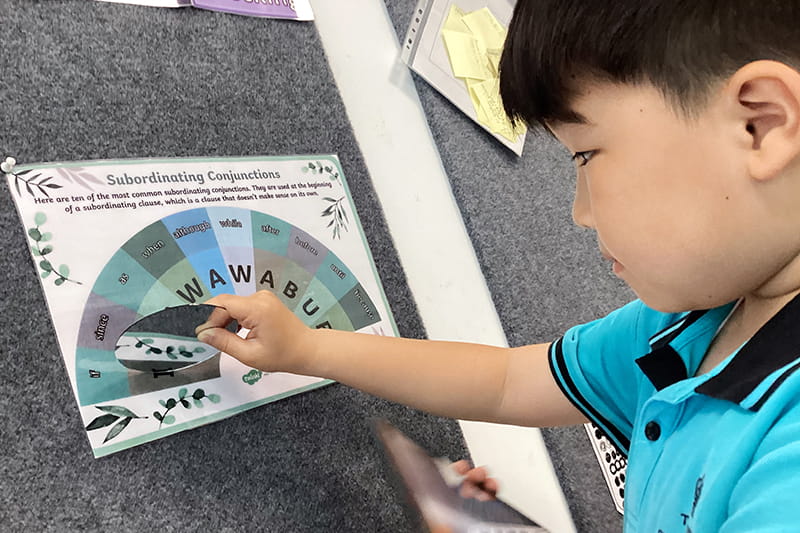
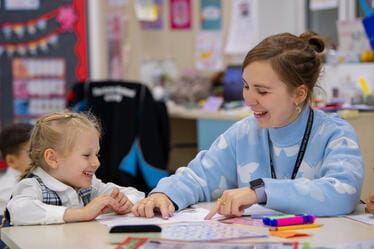
In Year 4, we have been really enjoying finding ways to make maths feel active, meaningful and fun for the children. We know that children learn best when they can see ideas, talk about them and have a go themselves, so we regularly use practical resources to help bring mathematical concepts to life.
Research shows that children develop a stronger understanding of maths when they begin with hands-on experiences before moving onto written and more abstract methods. This links closely to Jerome Bruner’s Concrete, Pictorial, Abstract (CPA) approach. In simple terms, children first explore a concept using real objects or resources (concrete), then represent their thinking through pictures or diagrams (pictorial), before finally applying their understanding using numbers and symbols (abstract). This gradual journey helps children build confidence and gives them a much deeper understanding of what they are learning.
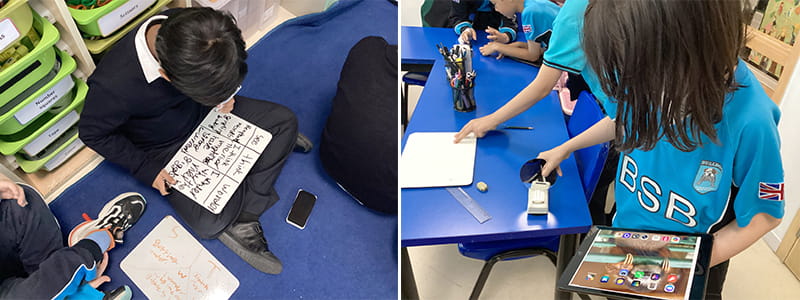
Recently, in our Shape unit, we used mirrors to explore symmetrical and asymmetrical shapes. Mirrors are a fantastic resource because they allow children to test ideas instantly and physically see whether both sides of a shape match. Rather than simply being told the answer, children are able to investigate, notice patterns and discover rules for themselves. It is always lovely to see those moments when something suddenly “clicks” for them.
Alongside practical activities, we also place a big focus on metacognitive thinking routines. This means encouraging children to think about how they learn, not just what they learn. In class, children are regularly asked to explain their thinking, share strategies, listen to the ideas of others and reflect on different ways a problem can be solved. These conversations are incredibly valuable. They help children realise that there is often more than one successful approach, and that learning from each other can strengthen their own understanding.
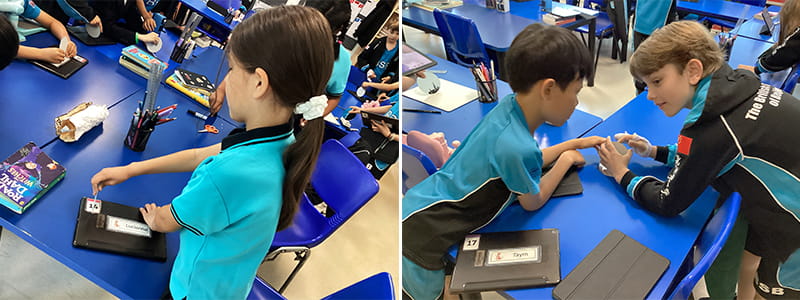
When practical learning and thoughtful discussion are combined, children are able to develop all three key aims of the maths curriculum:
•Fluency – becoming more confident and accurate with key skills.
• Reasoning – explaining answers and justifying ideas clearly.
• Problem Solving – applying learning to new and unfamiliar situations.
Most importantly, these approaches help maths feel enjoyable and accessible for all children. When pupils can move resources, test ideas, ask questions and share their thinking, they become more engaged and more willing to persevere when something feels challenging.
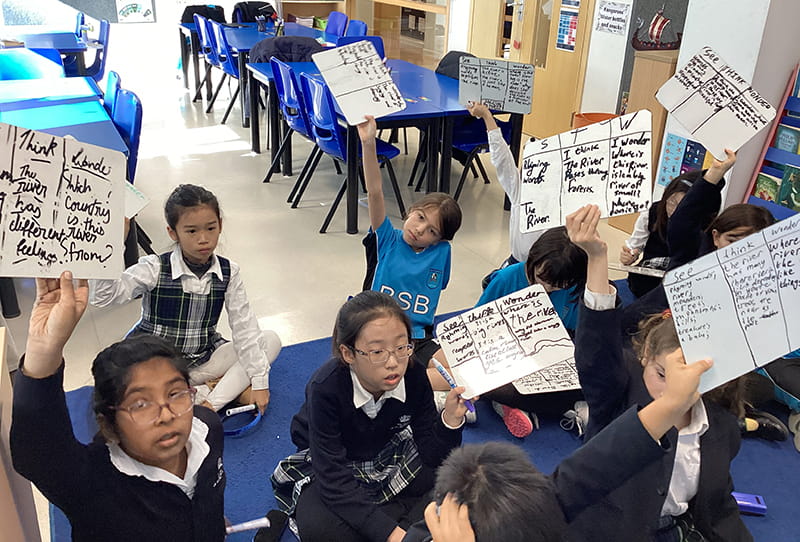
We are so proud of the enthusiasm Year 4 continue to show in maths each week. Their curiosity, teamwork and growing confidence are wonderful to see, and it is a pleasure to watch them develop into thoughtful and resilient young mathematicians.
By Rhianna Mitchell
Year 4 Kangaroos Class Teacher
Steeped in history and rooted in community, BSB Sanlitun continues to set the standard for British education in downtown Beijing. Contact us today to arrange a visit or speak with our admissions team.
sltadmissions@bsbsanlitun.com
+86 10 8531 1999
Related news
News image ![Caring, Growing and Celebrating Together | BSB Sanlitun - Caring Growing Celebrating]() Blog
Blog
 Blog
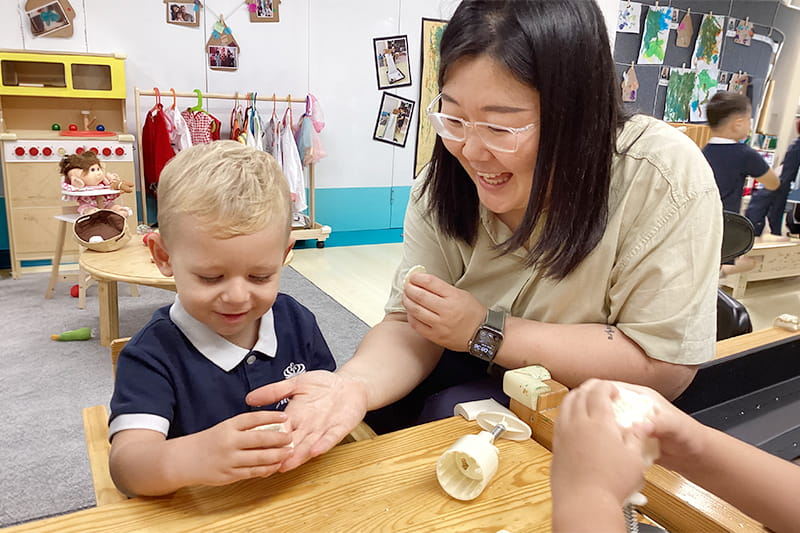
Blog Caring, Growing and Celebrating Together
What a lovely week we have had together in Pre-Nursery and Tadpoles! Our days have been filled with little smiles, happy moments, new discoveries and plenty of opportunities to learn about ourselves and each other. As we continued exploring feelings and emotions, we also began to bring the warmth and togetherness of the upcoming Mid-Autumn Festival into our learning...
News image ![A Flying Start to PE! | BSB Sanlitun - A Flying Start to PE]() Blog
Blog
 Blog
Blog A Flying Start to PE!
It feels like only yesterday that we welcomed everyone back to school, but somehow we are already five weeks into Term 1! It has been wonderful to see the students return with so much energy and enthusiasm. As a teacher, it is always amazing to see just how much children can grow over a short summer holiday – many of them seem to have come back noticeably taller!
News image ![Colour, movement and Marvellous Faces: A Week of Discovery in Early Years | BSB Sanlitun - Colour and Movement]() Blog
Blog
 Blog
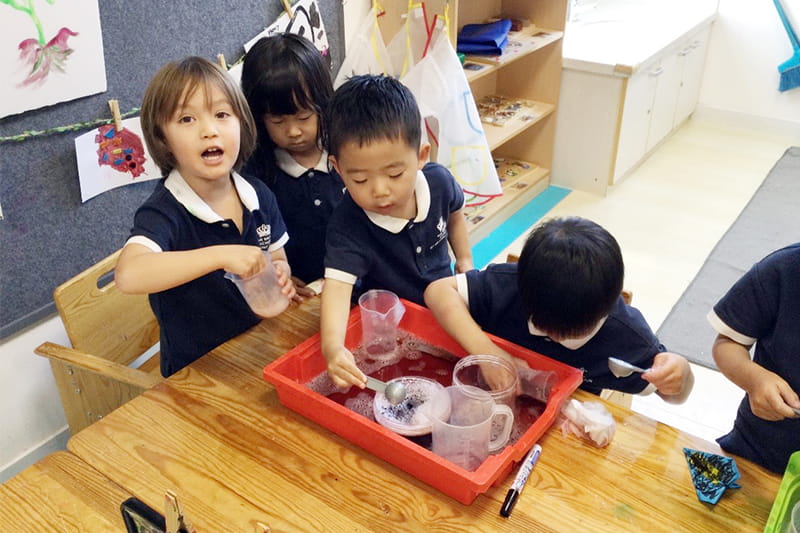
Blog Colour, movement and Marvellous Faces: A Week of Discovery in Early Years
This week the children have been learning all about themselves – what they look like, what their bodies can do, and how they can use colour to express the world around them...
News image ![Performing Arts in Primary: Creating, Collaborating & Performing | BSB Sanlitun - Performing Arts in Primary]() Blog
Blog
 Blog
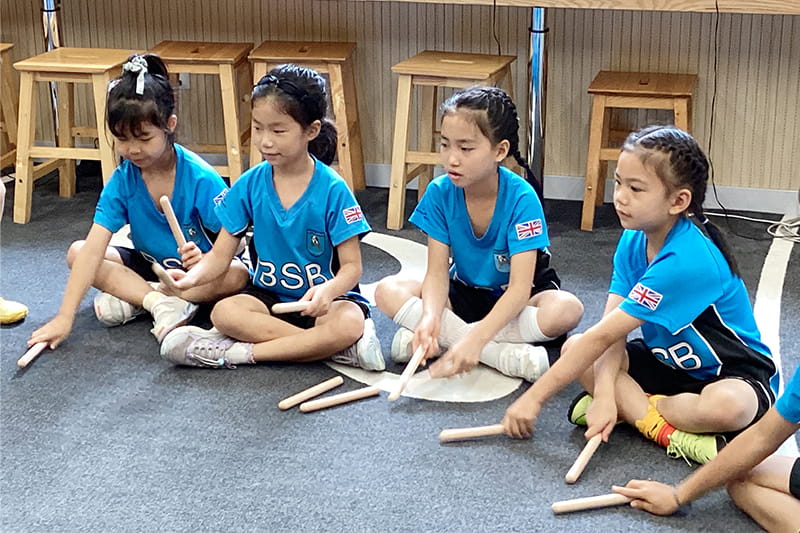
Blog Performing Arts in Primary: Creating, Collaborating & Performing
Collaboration is at the heart of Performing Arts this term! Across Primary, our students are developing their musical and dance skills while learning how to listen, communicate, take turns, share ideas and create together.