
We use cookies to improve your online experiences. To learn more and choose your cookies options, please refer to our cookie policy.

23 April, 2026
The Importance of Residential Experiences
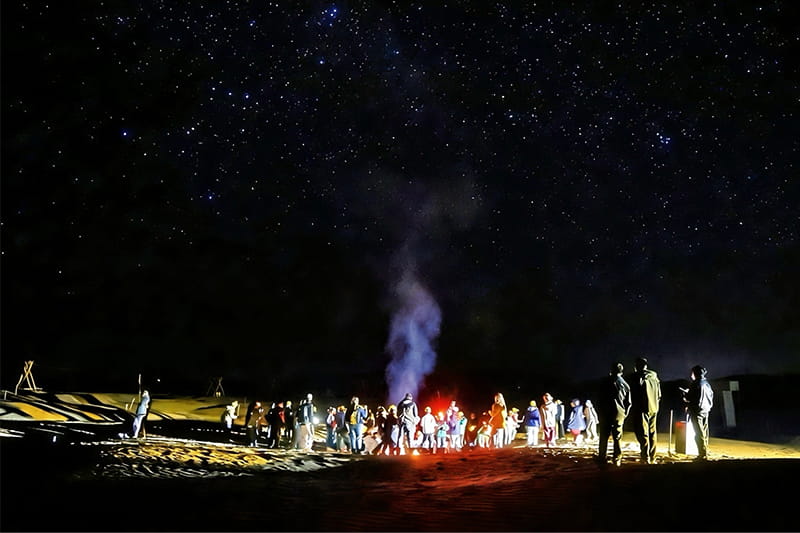
Residential experiences play a vital role in a child’s primary education, offering opportunities for growth that extend far beyond the classroom. While they are often seen as a highlight of the school year, their true value lies in the way they support children to develop independence, resilience, strong interpersonal skills in a real-world context and memorable learning.
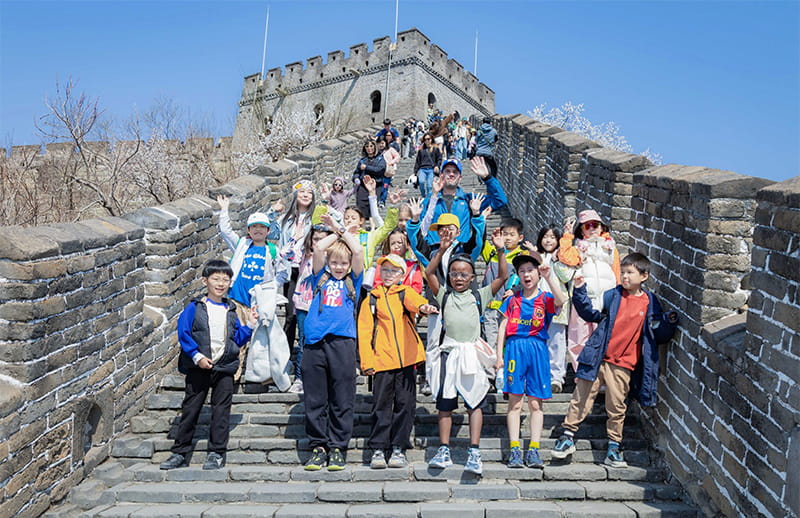
For many children, a residential visit represents their first time away from home. This step, although sometimes accompanied by initial nerves, is an important milestone. With the reassurance of familiar staff, children quickly adapt to new routines, take responsibility for their belongings and begin to make independent decisions. Research consistently highlights the importance of such experiences in fostering self-confidence and self-efficacy.
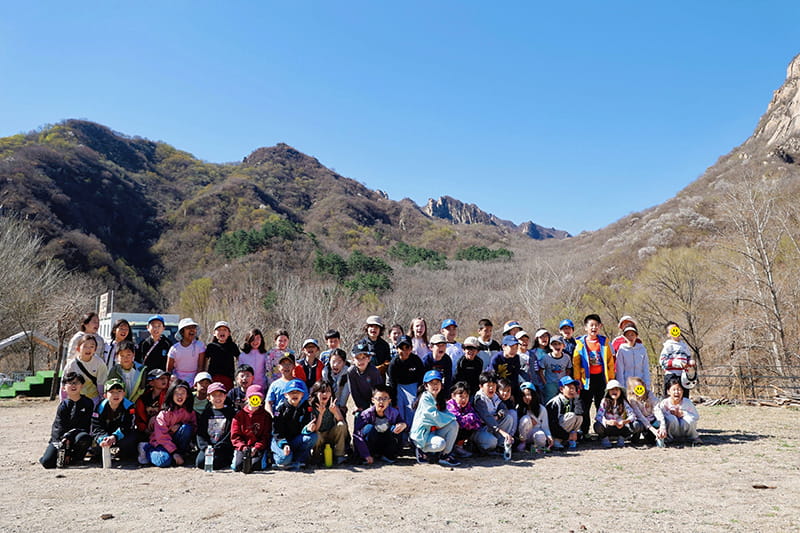
Equally significant is the impact on relationships. Time spent together outside of the usual classroom environment allows children to form deeper connections with their peers. Shared challenges, whether working as a team, trying a new activity or simply spending time together in the evenings, help to build empathy, communication skills and a strong sense of belonging. These strengthened relationships often translate back into the classroom, positively influencing collaboration and behaviour.
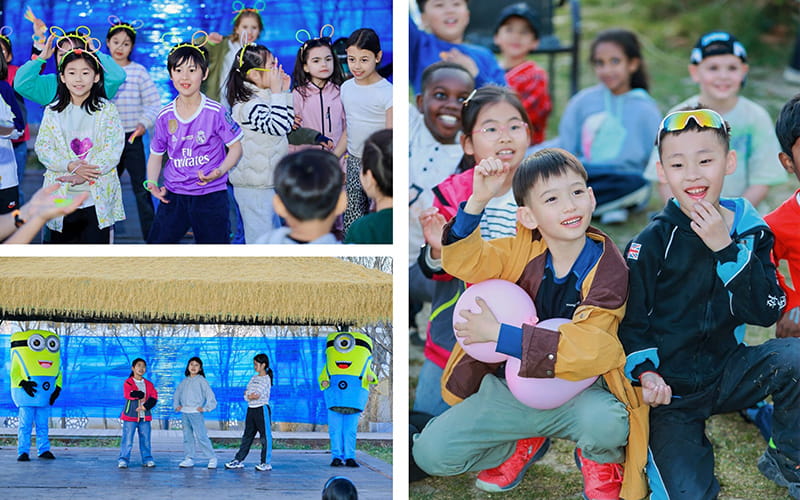
Residentials also provide a powerful context for experiential learning. By engaging in outdoor education and problem-solving activities, children are able to apply skills in meaningful and memorable ways. Studies in outdoor learning, such as those by the Institute for Outdoor Learning, emphasise that learning outside the classroom can significantly enhance engagement, motivation and knowledge retention. These experiences bring learning to life, making it both relevant and lasting.
A particularly valuable aspect of residential trips is the way they nurture resilience in children. Being in an unfamiliar environment and engaging in new experiences encourages pupils to adapt, problem-solve and respond positively to challenge. Over time, they come to understand that setbacks are a natural part of learning and can be overcome with perseverance. This reflects the emphasis from the Department for Education on character education, which highlights the importance of providing opportunities that “build resilience, confidence and independence” in young people. In this way, residential visits offer a meaningful and highly effective platform for developing these essential life skills.
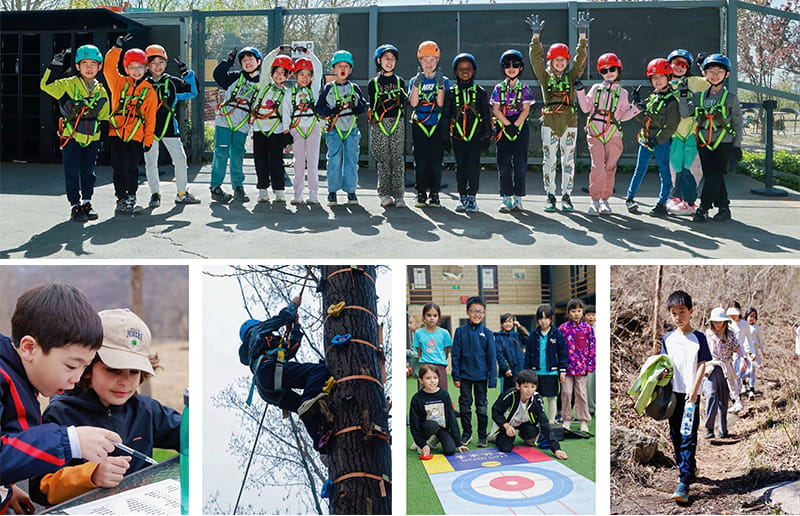
Ultimately, these visits create lasting memories that children carry with them long after they leave primary school. They strengthen the sense of community within a year group and contribute to the development of well-rounded, confident individuals. When carefully planned as part of a progressive programme, residentials ensure that children are supported at every stage, allowing them to grow in confidence and capability year on year. In this way, residential experiences are not simply enrichment opportunities, they are a fundamental part of preparing children for the wider world, equipping them with the skills, attitudes and confidence they need to thrive.
By Kerry Barnard
Deputy Head of School
Don’t delay your child’s opportunity to join one of Beijing’s most prestigious and international British Schools with opportunities beyond the ordinary. Enquire today to begin your family’s journey with BSB Sanlitun.
sltadmissions@bsbsanlitun.com
+86 10 8531 1999
Related news
News image ![Caring, Growing and Celebrating Together | BSB Sanlitun - Caring Growing Celebrating]() Blog
Blog
 Blog
Blog Caring, Growing and Celebrating Together
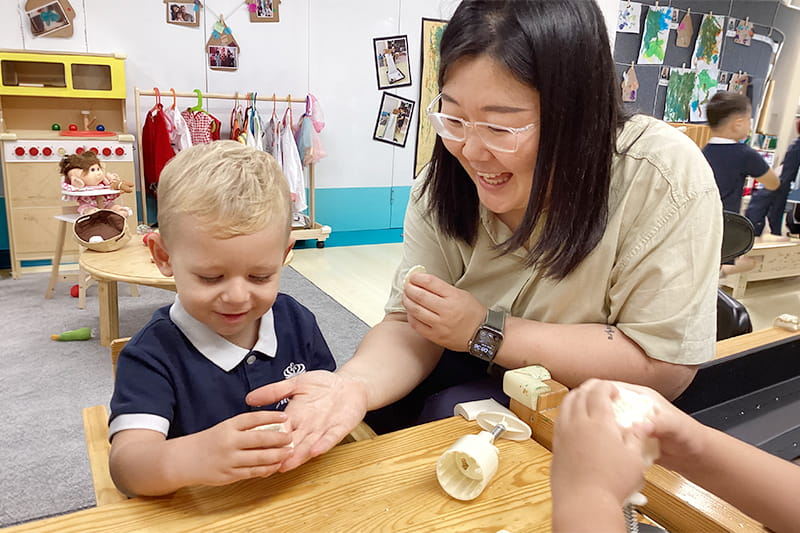
What a lovely week we have had together in Pre-Nursery and Tadpoles! Our days have been filled with little smiles, happy moments, new discoveries and plenty of opportunities to learn about ourselves and each other. As we continued exploring feelings and emotions, we also began to bring the warmth and togetherness of the upcoming Mid-Autumn Festival into our learning...
News image ![A Flying Start to PE! | BSB Sanlitun - A Flying Start to PE]() Blog
Blog
 Blog
Blog A Flying Start to PE!
It feels like only yesterday that we welcomed everyone back to school, but somehow we are already five weeks into Term 1! It has been wonderful to see the students return with so much energy and enthusiasm. As a teacher, it is always amazing to see just how much children can grow over a short summer holiday – many of them seem to have come back noticeably taller!
News image ![Colour, movement and Marvellous Faces: A Week of Discovery in Early Years | BSB Sanlitun - Colour and Movement]() Blog
Blog
 Blog
Blog Colour, movement and Marvellous Faces: A Week of Discovery in Early Years
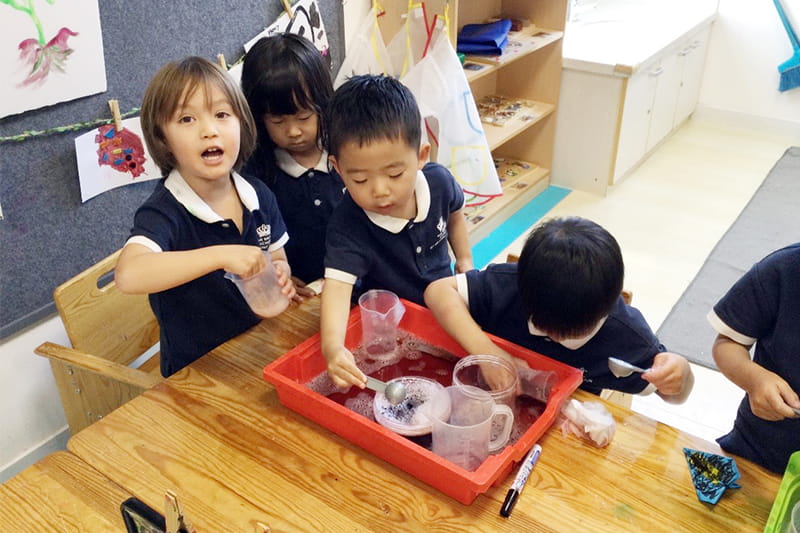
This week the children have been learning all about themselves – what they look like, what their bodies can do, and how they can use colour to express the world around them...
News image ![Performing Arts in Primary: Creating, Collaborating & Performing | BSB Sanlitun - Performing Arts in Primary]() Blog
Blog
 Blog
Blog Performing Arts in Primary: Creating, Collaborating & Performing
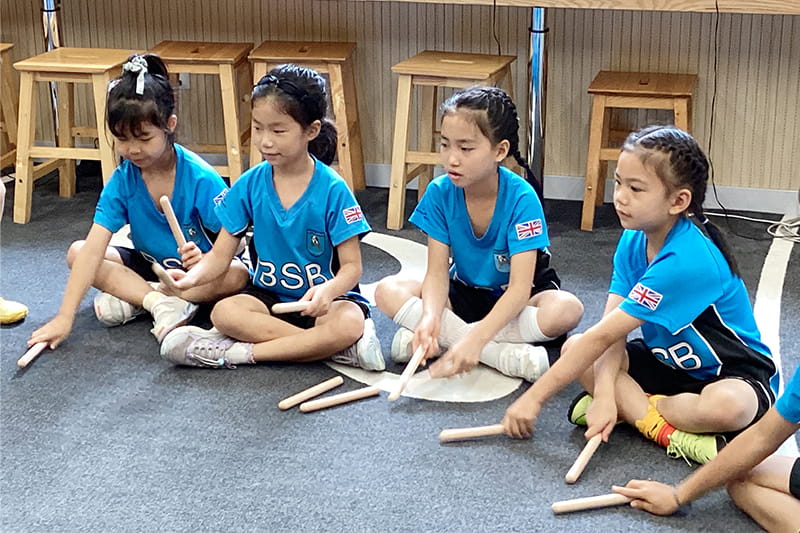
Collaboration is at the heart of Performing Arts this term! Across Primary, our students are developing their musical and dance skills while learning how to listen, communicate, take turns, share ideas and create together.