Discover the skills, attitudes and behaviours that help children thrive as they move into the next stage of their education.

18 September, 2026
What does school readiness really mean?
.jpg?h=499&iar=0&w=887&rev=98522effd32b47cd81d9b9e0f7b6d927&hash=0B1931C5A412DF94B46901ADCCF9B9F4)
As children approach the transition from Early Years to Primary school, many parents begin asking the same question: "Is my child ready?"
It’s a question that often comes with a long list of concerns. Can they recognise letters? Can they count to 100? Should they already be reading? Will they keep up with their classmates? While these are understandable questions, school readiness is often misunderstood. While historically, a lot of emphasis has been placed on academic achievement, we now know through research and experience that successful transitions are built on a much broader foundation.
At BSKL, we know school readiness is a combination of academic, social, emotional and personal development. While literacy and numeracy are important, they are just one part of the picture.
In reality, some of the skills that matter most cannot be measured by a worksheet or assessed through a test.
Deputy Head of Primary, Victoria Stringer shares that one of the strongest indicators of school readiness is independence. “Children who can organise themselves, manage simple routines and take responsibility for their belongings often settle more quickly into Primary school life,” she said. “Being able to put away resources, follow instructions and make appropriate choices helps children develop confidence and resilience to thrive in a primary school environment.”
Communication skills are equally important. Children need to be able to express their needs, ask questions, share ideas and engage positively with others. These skills support learning across every area of the curriculum and help children build strong relationships with teachers and classmates.
Emotional resilience also plays a crucial role. Starting Primary school inevitably brings new experiences, expectations and challenges. Children who have begun to develop strategies for managing disappointment, frustration and uncertainty are often better equipped to navigate these moments successfully.
“That doesn’t mean children need to be perfectly independent, confident or resilient before they move into Year 1. School readiness is a developmental journey, not a final destination. The goal is to provide children with opportunities to practice and strengthen these skills over time,” Victoria said.
“And of course, academic foundations remain important. Children should be developing early literacy and numeracy skills through meaningful experiences that encourage curiosity and understanding.”
At BSKL, children begin exploring phonics, language, storytelling, mathematical concepts and problem-solving from an early age through a balanced approach that combines purposeful play with expert teaching.
However, academic learning becomes much more powerful when it sits alongside positive learning behaviours. Curiosity, perseverance, creativity and confidence all contribute to a child's ability to engage with new ideas and embrace challenges.
“Consider two children starting Primary school. One can confidently recite numbers and letters but struggles to communicate with others, adapt to change or persist when learning becomes difficult. The other may have developing academic skills but approaches learning with curiosity, confidence and resilience. In many cases, it is the second child who is better prepared for long-term success,” Victoria said.
At BSKL, we work closely with families to support every aspect of a child's development. Our Early Years curriculum is designed not only to build academic foundations but also to nurture the independence, communication skills and positive learning attitudes that help children thrive throughout their education.
According to Head of Primary, Simon Clarke, “children who are ready for school are not simply children who can count and recognise letters. They are children who are curious, resilient and confident learners”.
This perspective is particularly important in today's rapidly changing world.
“The skills children will need in the future extend beyond knowledge alone. They will need to think creatively, collaborate effectively, solve problems and adapt to new situations,” he said. “These qualities begin developing from the earliest years of education.”
Ultimately, school readiness should not be viewed as a race to achieve academic milestones before a certain age. Instead, it is about helping children develop the confidence, independence and enthusiasm they need to engage with learning and enjoy school.
“When children feel capable, supported and excited about what comes next, they are already well on their way to a successful start in Primary education,” said Simon.
Related news
News image ![Finding Strength in Speaking Up: BSKL Marks World Mental Health Day - finding strength in speaking up bskl marks world mental health day]() News
News
 News
News Finding Strength in Speaking Up: BSKL Marks World Mental Health Day
The Primary School in BSKL has made efforts to encourage their students to speak openly about what they are feeling
News image ![BSKL wins two Nord Anglia Global Awards for outstanding IGCSE results - bskl wins two nord anglia global awards for outstanding igcse results]() News
News
 News
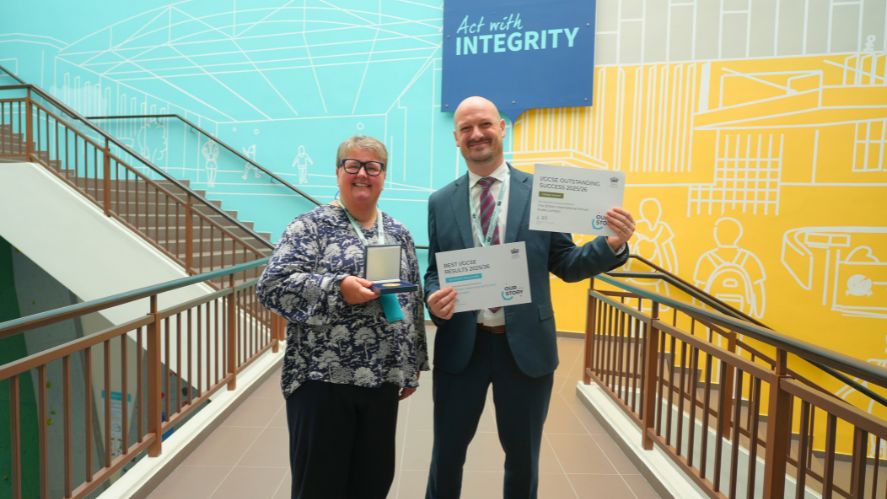
News BSKL wins two Nord Anglia Global Awards for outstanding IGCSE results
The awards were a testament to BSKL’s commitment to academic excellence