

A child's mental wellbeing is nurtured not only in the classroom but also at home. When parents and school work together in close partnership, children benefit from a strong support network that helps them feel safe, understood, and confident as they navigate both academic and personal challenges.
10 October, 2026
The Power of Partnership - Parents and Schools Can Support Mental Wellbeing of Children
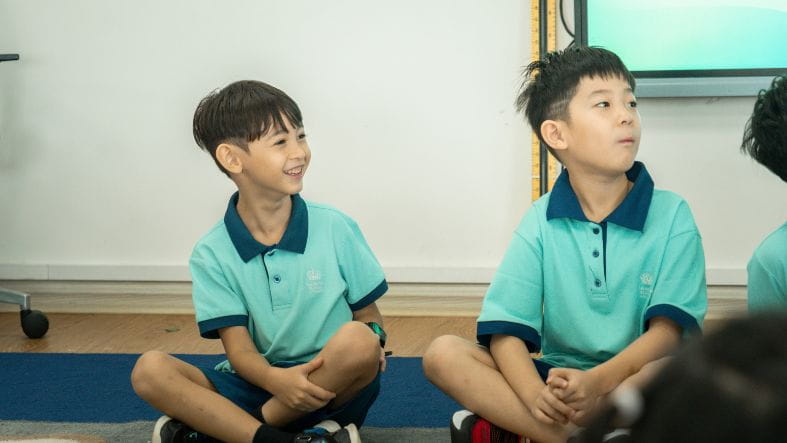
The Power of Partnership - Parents and Schools Can Support Mental Wellbeing of Children
A child's mental wellbeing is nurtured not only in the classroom but also at home. When parents and school work together in close partnership, children benefit from a strong support network that helps them feel safe, understood, and confident as they navigate both academic and personal challenges.
At every stage of development, children thrive when the key adults in their lives communicate openly and share a common goal: helping them flourish. A positive parent-school partnership creates consistency between home and school, allowing children to receive the encouragement, guidance, and emotional support they need to build resilience and wellbeing.
One of the most important aspects of this partnership is communication. Regular conversations between parents and teachers help ensure that any concerns, changes in behaviour, or emotional challenges are identified early. By sharing observations and insights, families and educators can gain a more complete understanding of a child's experiences and work together to provide appropriate support.
Strong partnerships also help create a sense of belonging. When children see their parents actively engaged in school life and know that home and school are working together, they feel more secure and valued. This sense of connectedness can boost self-esteem, strengthen relationships, and contribute positively to overall mental health.
Parents play a vital role in fostering emotional wellbeing at home by encouraging open conversations, listening without judgement, and creating opportunities for children to express their thoughts and feelings. Schools complement this by providing supportive learning environments where students can develop emotional literacy, build positive relationships, and learn strategies for managing stress and challenges.
Equally important is helping children develop resilience. Life inevitably brings setbacks, disappointments, and obstacles. When parents and educators model positive coping strategies and encourage a growth mindset, children learn that challenges are opportunities for learning and personal growth. These skills empower young people to navigate difficulties with confidence and perseverance.
A holistic approach to wellbeing also recognises the importance of healthy routines. Adequate sleep, balanced nutrition, regular physical activity, and time for relaxation all contribute to positive mental health. When schools and families reinforce these habits together, children are more likely to develop lifelong practices that support their wellbeing.
At BSY, we believe that supporting children's mental wellbeing is a shared responsibility. Through meaningful collaboration between parents, teachers, and the wider school community, we can create an environment where every child feels heard, supported, and empowered to succeed. By working together, we help our children build not only academic achievement but also the confidence, resilience, and emotional wellbeing they need to thrive in an ever-changing world.
Related news
News image  Blog | Highlights
Blog | Highlights The Power of Partnership - Parents and Schools Can Support Mental Wellbeing of Children
A child's mental wellbeing is nurtured not only in the classroom but also at home. When parents and school work together in close partnership, children benefit from a strong support network that helps them feel safe, understood, and confident as they navigate both academic and personal challenges.
News image  News | Special Events | Highlights
 News | Special Events | Highlights
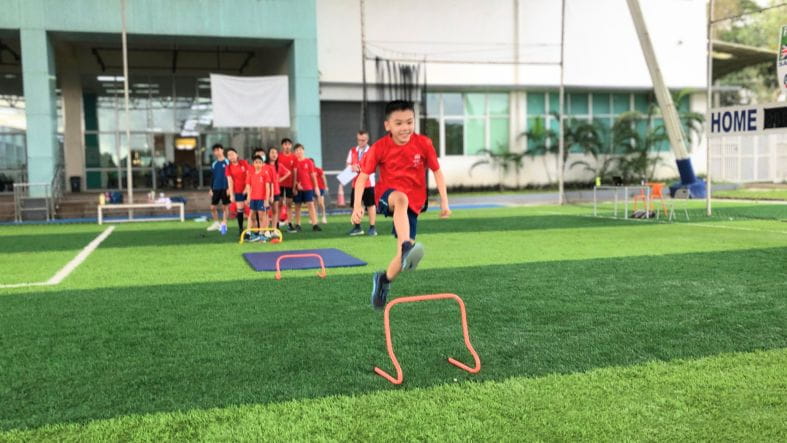
 House Bonding Afternoon Ends on a Strengthening Community and School Spirit
The BSY House Bonding Afternoon concluded with great success, bringing together students from across the school for an unforgettable celebration of teamwork, friendship, and House pride. Dressed proudly in their House colours, students embraced the opportunity to connect with peers, participate in exciting challenges, and kick off the new House season of the school year with enthusiasm and energy.
News image  News | Special Events | Highlights
 News | Special Events | Highlights
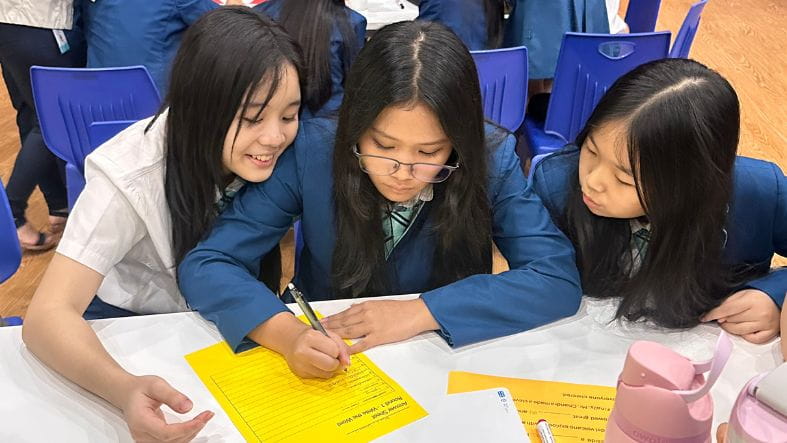
 Secondary Spelling Bee Showcases Excellence and Confidence
Students across the Secondary School recently came together for the highly anticipated BSY Secondary Spelling Bee 2026, an event that celebrated the power of language while encouraging students to challenge themselves in a supportive and engaging environment. The competition showcased not only impressive spelling abilities but also the confidence, determination, and resilience that are essential for success both inside and outside the classroom.
News image  Blog | Student Work and Success | Highlights
.jpg?h=443&iar=0&w=787&rev=f338f173e3e1468dbc3e98a04405945a&hash=50A4C95BBD776DE0E5BE20EA1B7CEB31 "From Confidence to Success: How BSY Supported Me Through My IGCSE Journey") Blog | Student Work and Success | Highlights
Blog | Student Work and Success | Highlights From Confidence to Success - How BSY Supported Me Through My IGCSE Journey
“Looking back, my IGCSE journey was both rewarding and full of opportunities to grow.” Following the release of this year’s IGCSE results, we spoke with Min Piti, one of our Year 11 students about their learning experience at the British School Yangon and how the support they received helped them grow and achieve success.


