


02 April, 2026
How international schools in Qatar keep children safe


When you're entrusting a school with your child, nothing matters more than knowing they're safe. Yet many parents in Qatar struggle to understand what "safeguarding" actually means, or how schools protect students beyond locked gates and security guards.
Child safety at international schools in Qatar goes far deeper than physical security. It's about creating a culture where every staff member is trained to notice signs of harm, where children feel confident speaking up, and where robust policies back every decision made about student welfare.
What Does Safeguarding Include?
True safeguarding covers five key areas: physical safety, emotional wellbeing, online safety, protection from abuse (including bullying), and support for vulnerable students. Schools in Qatar are required to have written policies for each, trained staff, and clear reporting procedures.
Physical security is the visible part, controlled entry points, visitor protocols, ID requirements. But the invisible work happens daily: staff training on recognising abuse indicators, confidential reporting channels where students can flag concerns, and swift response mechanisms when incidents occur.
Why Transparency Matters
Parents deserve to know how schools approach safeguarding. Ask your school these questions before enrolling:
• Who's the Designated Safeguarding Lead (DSL), and what's their experience?
• How often is staff trained in child protection?
• What's the process if a child discloses abuse?
• How does the school handle bullying reports?
• Are parents informed immediately of incidents?
The Role of Technology
Digital safety is increasingly critical. Schools managing online learning or allowing device use must filter content, monitor interactions, and teach digital citizenship. Ask about our school's seguarding policy how the school supports students navigating social media responsibly.
Creating a Culture of Safety
The strongest safeguarding isn't enforced from above, it's built into school culture. When students know trusted adults will listen, when staff feel empowered to raise concerns, and when leadership acts decisively on reports, children are genuinely protected.International schools in Qatar that prioritise safeguarding often see benefits beyond safety: higher parent confidence, stronger student mental health, and staff retention. It's an investment that pays dividends.
Your Role as a Parent
Talk to your child about school safety. Ask them to name a trusted adult they could approach if worried. Check in regularly. And don't hesitate to contact admissions.cisd@nais.qa if you have questions about safeguarding before enrolling.
Child safety isn't a checkbox, it's a commitment. The best schools in Qatar prove it daily.
Related news
News image ![Accredited Dutch School Programme in Qatar | Nord Anglia Education Doha - Qatars only accredited Dutch school programme expands with a dedicated classroom at Compass]() News | Featured | News | Themaid
News | Featured | News | Themaid
 News | Featured | News | Themaid
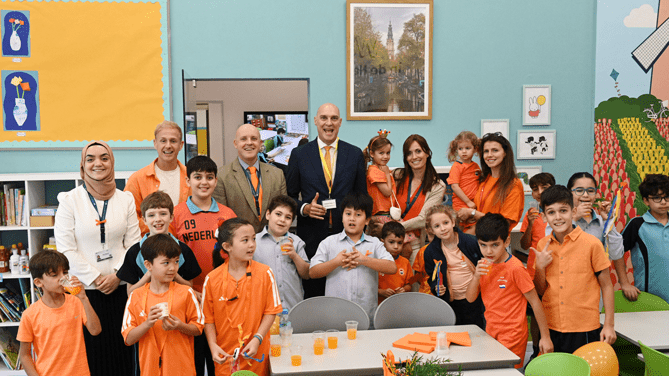
 Qatar’s only accredited Dutch school programme expands with a dedicated classroom at Compass
Qatar’s only accredited Dutch school programme expands with dedicated classroom at Compass International School Doha
News image ![Play-Based Learning in Early Years | Nord Anglia Education Doha - Why theres no such thing as Just Playing in Early Years]() Blog | Featured
Blog | Featured
 Blog | Featured
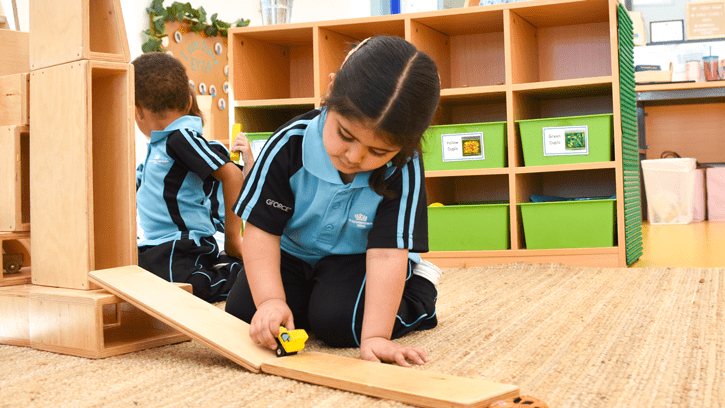
 Why There's No Such Thing as 'Just Playing' in Early Years
Play is much more than fun. In the Early Years, it plays an essential role in helping children build confidence, independence, creativity and resilience. Discover how our purposeful, play-based approach at Compass nurtures curiosity while developing the cognitive, physical, social and emotional skills that create strong foundations for lifelong learning.
News image ![Global Citizenship Education | Nord Anglia Education Doha - How Global Citizenship Prepares Children for the Future]() Blog
Blog
 Blog
Blog How Global Citizenship Prepares Children for the Future
Discover how global citizenship helps children develop the confidence, empathy and critical thinking skills they need to thrive in an increasingly connected world. Learn how our collaboration with UNICEF, Model United Nations and real-world learning experiences empower students to understand different perspectives, contribute positively to their communities and prepare for the future.
News image ![Why the IMG Academy Experience Is About More Than Sport - Why the IMG Academy Experience Is About More Than Sport]() Blog
Blog
 Blog
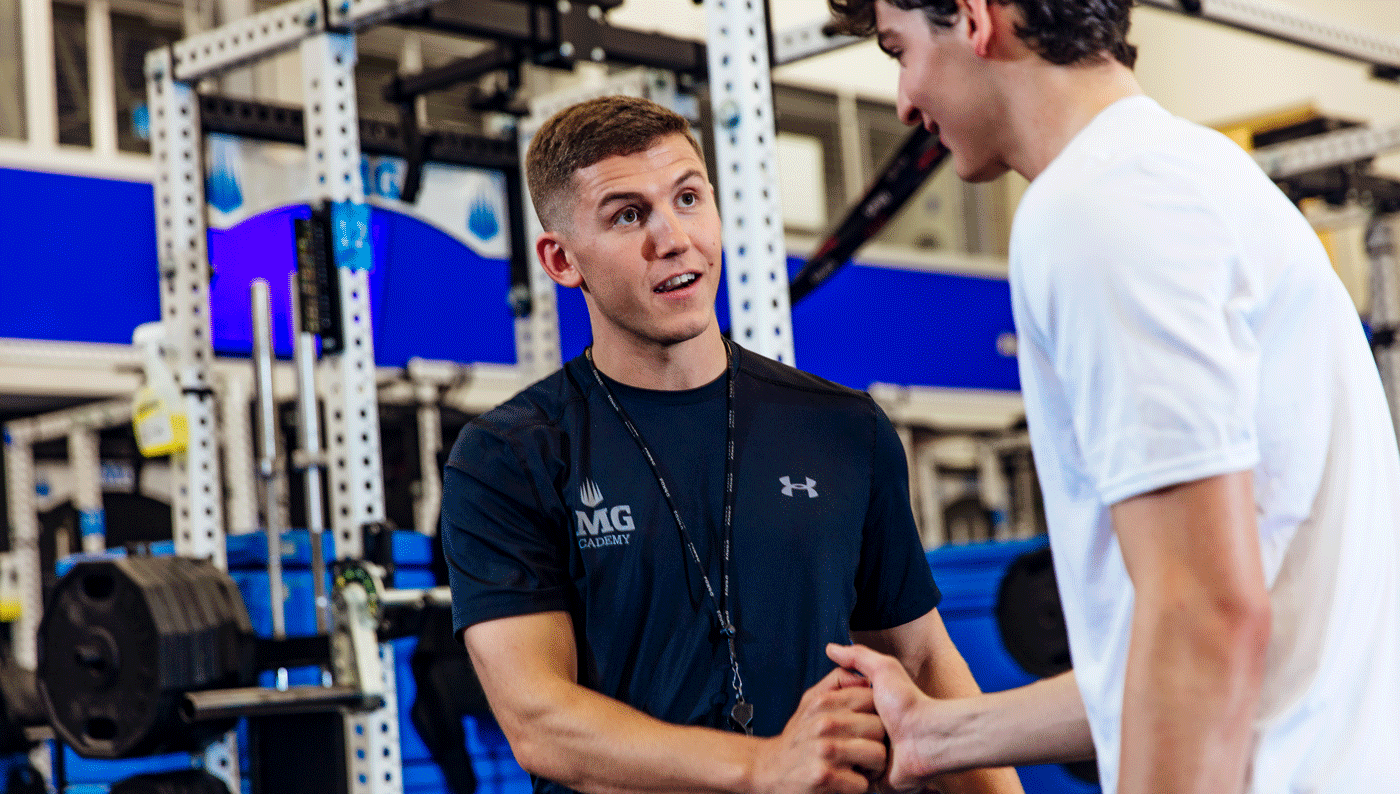
Blog Why the IMG Academy Experience Is About More Than Sport
Discover how our collaboration with IMG Academy goes beyond sport, helping every child develop confidence, resilience, healthy habits and a positive mindset. Learn how world-class expertise supports students with skills they can use in the classroom, on the sports field and throughout life.


