



We use cookies to improve your online experiences. To learn more and choose your cookies options, please refer to our cookie policy.

16 April, 2026
The Arts in Uncertain Times
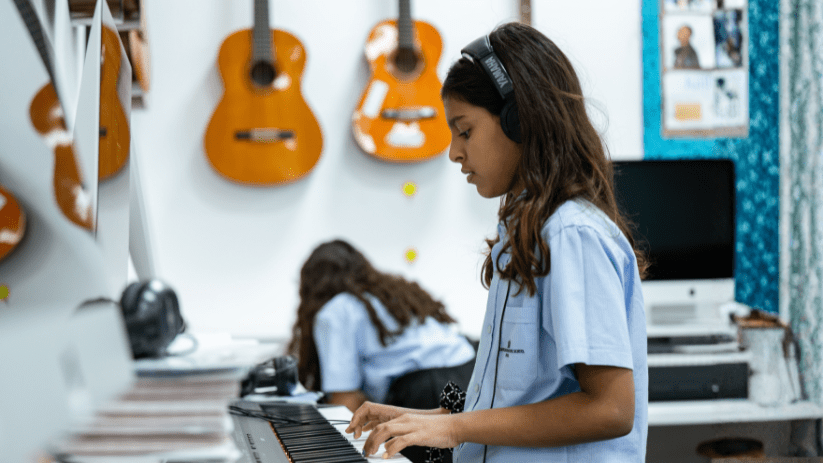
In all periods of time, the Performing Arts have provided creative ways to connect across emotions. In times of uncertainty, these creative ways become essential conversation starters for expression, conversation, and understanding.
Music, dance, drama, and visual art are tangible means for students, families, and communities to connect with the world. Older learners can use poetry and story writing, painting, movement with or without musical accompaniment, and singing or playing instruments as a vehicle for expression. Our littlest learners can make sense of their experiences through colouring, imaginative play with toys, singing, and movement. Performing Arts offer a sense of safety through practice and repetition. Families and communities can turn to the Performance Arts to build emotional strength through creative choices.
Across history, we see creative arts periods strongly connected with changes in civilization. From early tribal storytelling rituals to contemporary performances in grand concert halls, artistic practices continue to enable individuals and communities to communicate ideas and respond to change.
At their core, the arts connect the wider human story. In uncertain times, they offer not only a means of creative engagement, but a steady and enduring foundation for learning and belonging.
Meaningful arts activities can give our students the place to engage in rich creative work in familiar environments, drawing on simple ideas rooted in the disciplines of music, dance, drama, and visual art. Person to person activities encourage imaginative discussions while building upon social emotional skills. Some activities to try at home might include:
1. Sound and Movement Dialogues
One person creates a short rhythm sound using claps, snaps, taps, voices, or instruments, while another responds with movement. This idea can be expanded to include pairs or trios of sound makers and movers. Consider movement spaces (big or small), levels (high or low movements), and style of motion (fast, slow, large, small) compared to the sounds made. Consider how partners are moving and change the sounds to match.
2. Character Walks and Scenes
Consider a variety of community helpers, familiar media characters, or cultural figures. Explore how these characters might move (confidently, cautiously, happily, etc) and build short scenes around them walking down the street, going to the beach, or the grocery store. What would they see, how would they interact with the world there? What story are they explaining in the movement?
3. Sounds to Images
Listen to a piece of Arabic instrumental music or create a simple repeated rhythm using family songs or instruments. Translate the sounds you hear into a drawing or painting. Lines, shapes, and colours can represent tempo, dynamics, and mood. Abstract shapes can express more worldly ideas. Use the painting or music as a conversation starter.
4. Moving Sculptures
Create a picture using simple materials such as drawing on paper, kitchen utensils, sticks and leaves, or playdough. Bring the image to life through movement. If you create a forest drawing, move as the trees in the wind or animals in the forest. If you create a city image, move like the cars or people walking. Stand tall like the buildings and have your family move around you.
These activities can be completed by families of all ages and experiences to reinforce the key principle that the arts provide an open-ended structure to experience and communicate about the world.
The Performing Arts allow learners of all ages to make decisions, take creative risks, and see ideas from conception to completion. In doing so, they nurture a sense of patience that is particularly valuable when other aspects of life may feel unpredictable. By making space for creative exploration, we empower young people and families to respond with imagination, resilience, and a renewed sense of possibility.
Written by:
Kathleen Riley
Whole school Music Teacher - Themaid
Related news
News image ![Accredited Dutch School Programme in Qatar | Nord Anglia Education Doha - Qatars only accredited Dutch school programme expands with a dedicated classroom at Compass]() News | Featured | News | Themaid
News | Featured | News | Themaid
 News | Featured | News | Themaid
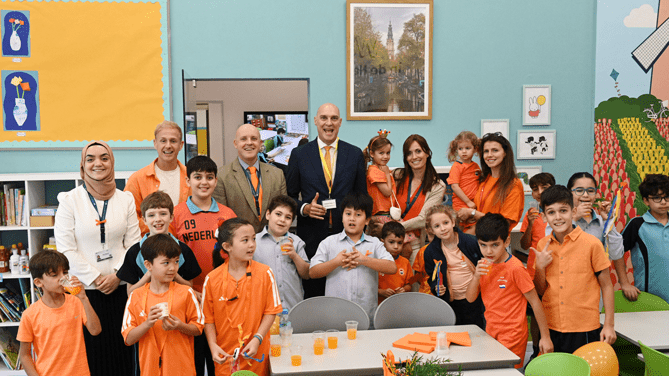
 Qatar’s only accredited Dutch school programme expands with a dedicated classroom at Compass
Qatar’s only accredited Dutch school programme expands with dedicated classroom at Compass International School Doha
News image ![Play-Based Learning in Early Years | Nord Anglia Education Doha - Why theres no such thing as Just Playing in Early Years]() Blog | Featured
Blog | Featured
 Blog | Featured
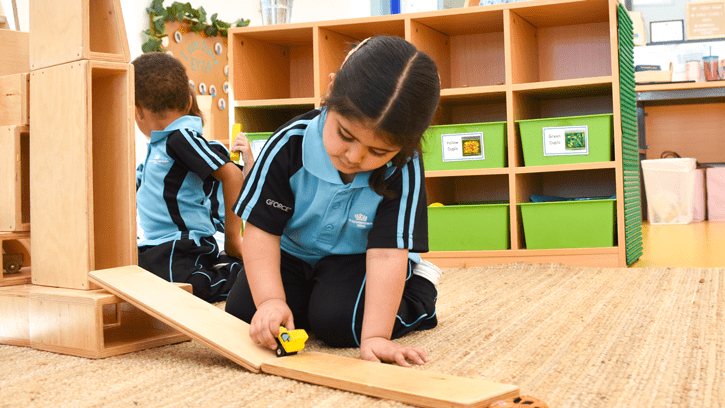
 Why There's No Such Thing as 'Just Playing' in Early Years
Play is much more than fun. In the Early Years, it plays an essential role in helping children build confidence, independence, creativity and resilience. Discover how our purposeful, play-based approach at Compass nurtures curiosity while developing the cognitive, physical, social and emotional skills that create strong foundations for lifelong learning.
News image ![Global Citizenship Education | Nord Anglia Education Doha - How Global Citizenship Prepares Children for the Future]() Blog
Blog
 Blog
Blog How Global Citizenship Prepares Children for the Future
Discover how global citizenship helps children develop the confidence, empathy and critical thinking skills they need to thrive in an increasingly connected world. Learn how our collaboration with UNICEF, Model United Nations and real-world learning experiences empower students to understand different perspectives, contribute positively to their communities and prepare for the future.
News image ![Why the IMG Academy Experience Is About More Than Sport - Why the IMG Academy Experience Is About More Than Sport]() Blog
Blog
 Blog
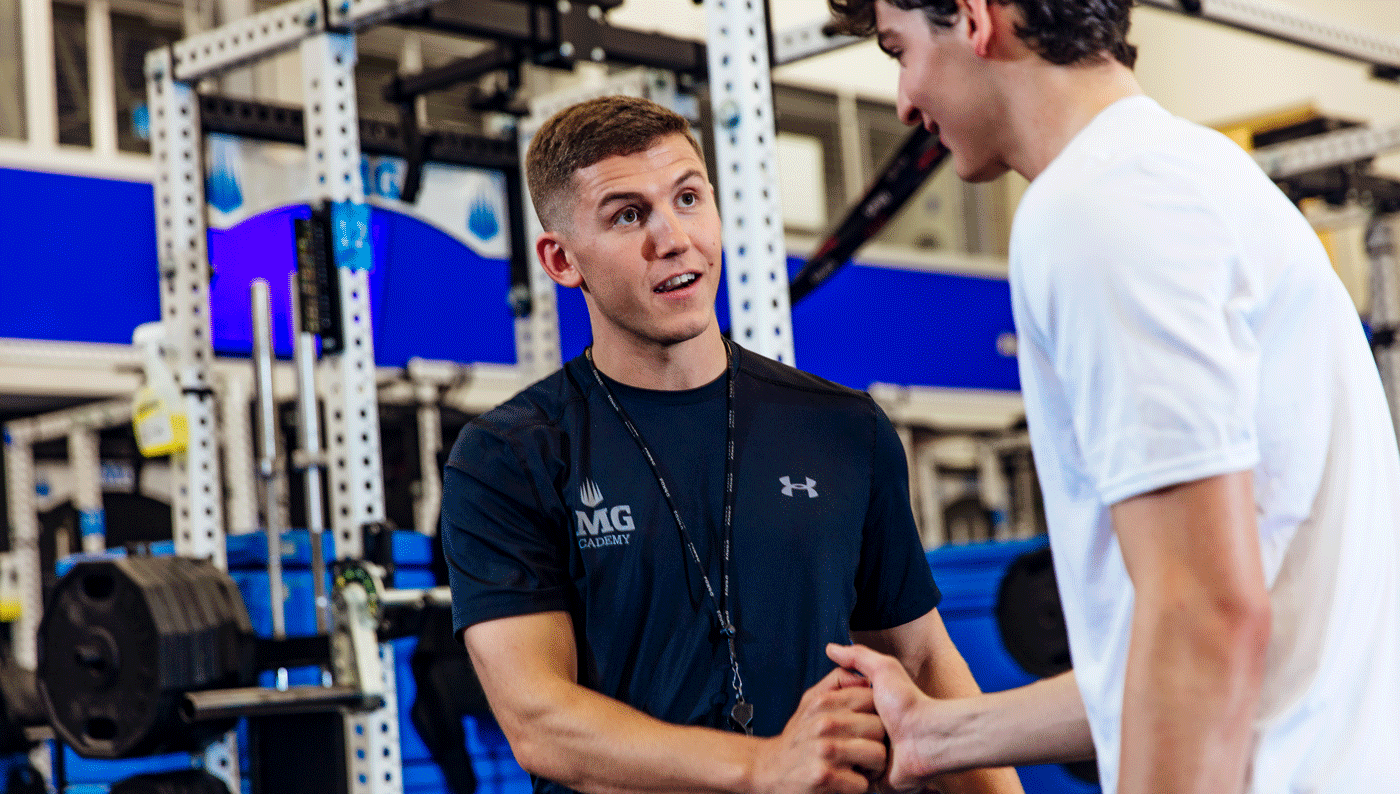
Blog Why the IMG Academy Experience Is About More Than Sport
Discover how our collaboration with IMG Academy goes beyond sport, helping every child develop confidence, resilience, healthy habits and a positive mindset. Learn how world-class expertise supports students with skills they can use in the classroom, on the sports field and throughout life.


