



We use cookies to improve your online experiences. To learn more and choose your cookies options, please refer to our cookie policy.

05 May, 2026
Why mistakes are okay
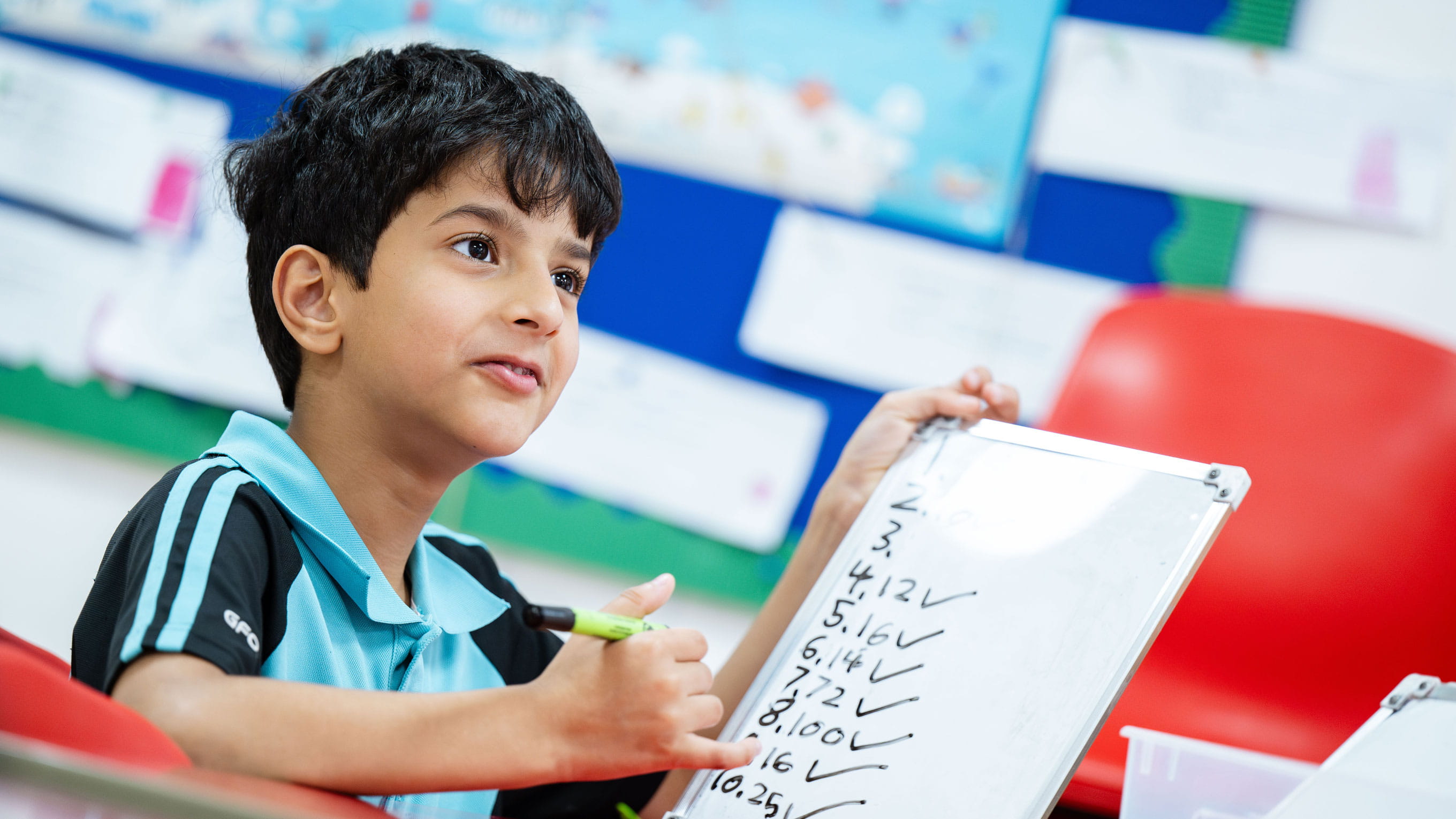
For many children with dyslexia, the mistakes they make can feel much bigger and more important than they actually are. Simple mistakes like misspelling or missing a word in a sentence, forgetting homework or needing more time to finish classwork often lead to frustration or feeling of embarrassment in front of classmates. It may even cause children to feel that they are not good in school, and they are just not smart enough to learn.
The important message to share with our students is that mistakes do not mean failure, but rather are steps in learning. Helping students to understand this can have an enormous impact on their confidence and motivation.
Dyslexia and the emotional side to learning
Children with dyslexia do not have lower intelligence. In fact, dyslexia is not a reflection of intelligence at all. However, because the school puts such importance on learning reading and writing, students with dyslexia often experience mistakes related to literacy that are more obvious and visible.
There has been a lot of research linking dyslexia to the emotional needs of children. It shows that children with dyslexia are at a higher risk of developing negative self-perception as learners, especially when they compare themselves with other students (Gibby-Leversuch et al. 2021). This doesn’t necessarily mean that they have negative self-worth, but over time, they start believing that they are ‘’bad at learning’’, which can lower their motivation to do well, their efforts in school and their emotional well-being.
This is why resilience is so important.
What is resilience?
Resilience is the ability to recover after setbacks and keep going when something is difficult or brings lots of mistakes.
This does not mean that children should not get frustrated. It means developing the ability to manage despite difficulties and learning to say things like:
- ‘’This is hard, but I can try again’’
- ‘’ I made a mistake, but it is okay because I can learn from it’’
- ‘’I haven’t mastered it YET’’.
Resilience is a dynamic and ongoing process of adapting positively to difficulties (Hossain et al, 2022). For children with dyslexia, building resilience often means developing one of the most important skills not only for school and academic learning, but also for life.
Why mistakes should be normalised
We often see students with dyslexia being overly careful with their participation in class as they fear getting things wrong.
Adults, like teachers and parents, can shift this way of thinking by focusing on the process rather than mistakes. For example:
- Effort
- Strategy of addressing work
- Persistence
- Problem-solving
When mistakes are treated by adults as part of learning instead of something negative or something to be ashamed of, students might feel safer to keep trying. This kind of safety builds confidence in children and young adults.
The role of mindset
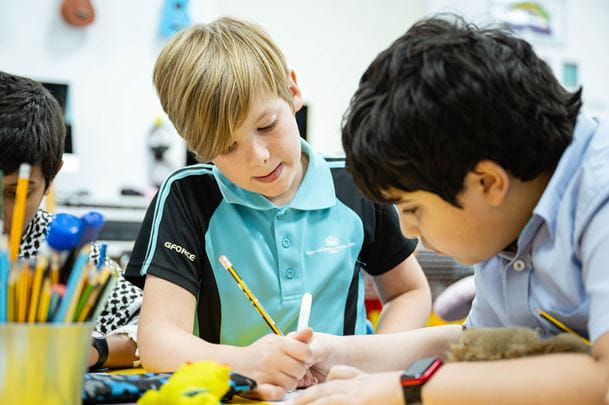
Research has shown that children with dyslexia more often believe that they cannot improve (Cantavella et al, 2018). This is understandable. If a child often hears that they need to work harder to improve, they might begin thinking ‘’I am trying, but I am not smart enough’’. We can help our children change this to a more positive way of thinking by telling them: ‘’You learn differently, and progress takes time’’.
This does not mean pretending that everything is easy. It means that we can help children with dyslexia understand that difficulty does not mean inability. Supporting children build resilience comes from support, strategy and repeated success (that proves they are capable) and not just empty praise.
How parents and teachers can help
1. Praise effort, not just outcome:
Instead of ‘’Good job, you got it right’’, try: ‘’I noticed how carefully you worked on this’’
2. Allow children to openly talk about their mistakes. For example, let them hear ‘’I made a mistake, too’’. This way, they’ll start perceiving mistakes as a normal part of learning.
3. Break tasks into smaller steps. Big tasks, especially those with large texts, can feel overwhelming. Completing a smaller task can look like a little success and build momentum and confidence.
4. Highlight strengths beyond literacy. Many children with dyslexia are very creative, have excellent problem-solving skills and are good speakers. They might perform amazingly on practical tasks such as projects or presentations. Regular reminders that success can be achieved in many ways, not only on school tests.
5. Encourage self-advocacy. Help children learn to say ‘’I need more time’’, ‘’Can you explain this differently?’’ When children feel understood, their confidence grows.
The bigger picture
Children with dyslexia do not need to be told that mistakes do not matter or be protected from making them. Mistakes are not the opposite of success either; they are part of it. For students with dyslexia, helping them to understand this might be one of the best lessons to help them grow confidence. Often, confidence does not come from always getting things right. It grows from knowing that it is okay to try even if they don’t always get it perfectly.
Written by:
Anna Nowak
Secondary ALN and EAL department
References
Cantavella Edo , S. ., & Andrés-Roqueta, C. . (2018). A study on the growth mindset in children with dyslexia. Escritos De Psicología - Psychological Writings, 11(1), 25-33. https://www.revistas.uma.es/index.php/espsi/article/view/9423
Gibby-Leversuch, R., Hartwell, B.K. & Wright, S. Dyslexia, Literacy Difficulties and the Self-Perceptions of Children and Young People: a Systematic Review. Curr Psychol 40, 5595–5612 (2021). https://doi.org/10.1007/s12144-019-00444-1
Hossain, B., Chen, Y., Bent, S. et al. The role of grit and resilience in children with reading disorder: a longitudinal cohort study. Ann. of Dyslexia 72, 1–27 (2022). https://doi.org/10.1007/s11881-021-00238-w
Related news
News image ![Accredited Dutch School Programme in Qatar | Nord Anglia Education Doha - Qatars only accredited Dutch school programme expands with a dedicated classroom at Compass]() News | Featured | News | Themaid
News | Featured | News | Themaid
 News | Featured | News | Themaid
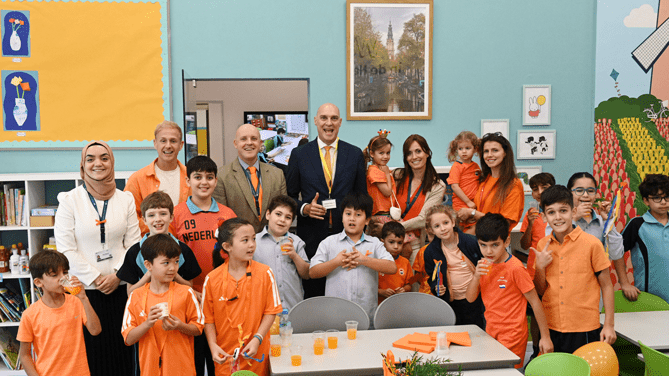
 Qatar’s only accredited Dutch school programme expands with a dedicated classroom at Compass
Qatar’s only accredited Dutch school programme expands with dedicated classroom at Compass International School Doha
News image ![Play-Based Learning in Early Years | Nord Anglia Education Doha - Why theres no such thing as Just Playing in Early Years]() Blog | Featured
Blog | Featured
 Blog | Featured
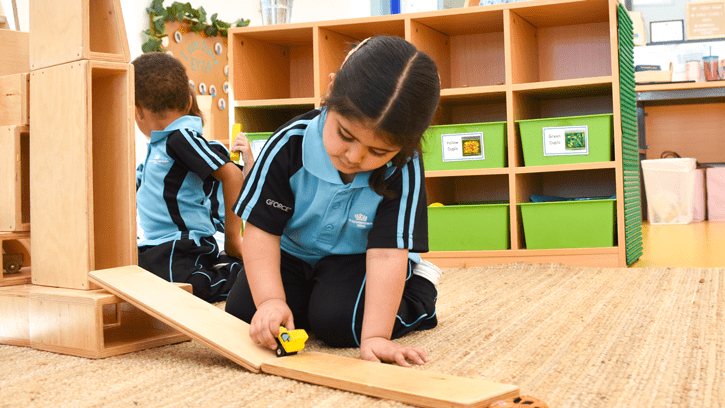
 Why There's No Such Thing as 'Just Playing' in Early Years
Play is much more than fun. In the Early Years, it plays an essential role in helping children build confidence, independence, creativity and resilience. Discover how our purposeful, play-based approach at Compass nurtures curiosity while developing the cognitive, physical, social and emotional skills that create strong foundations for lifelong learning.
News image ![Global Citizenship Education | Nord Anglia Education Doha - How Global Citizenship Prepares Children for the Future]() Blog
Blog
 Blog
Blog How Global Citizenship Prepares Children for the Future
Discover how global citizenship helps children develop the confidence, empathy and critical thinking skills they need to thrive in an increasingly connected world. Learn how our collaboration with UNICEF, Model United Nations and real-world learning experiences empower students to understand different perspectives, contribute positively to their communities and prepare for the future.
News image ![Why the IMG Academy Experience Is About More Than Sport - Why the IMG Academy Experience Is About More Than Sport]() Blog
Blog
 Blog
Blog Why the IMG Academy Experience Is About More Than Sport
Discover how our collaboration with IMG Academy goes beyond sport, helping every child develop confidence, resilience, healthy habits and a positive mindset. Learn how world-class expertise supports students with skills they can use in the classroom, on the sports field and throughout life.


