



We use cookies to improve your online experiences. To learn more and choose your cookies options, please refer to our cookie policy.

27 July, 2026
Independent Learning Skills for Kids in Summer

Helping Your Child Become an Independent Learner This Summer
Summer holidays are a welcome chance for children to relax, explore new interests, and spend time with family. Many parents also wonder whether they should be doing something to keep their child’s learning going before the new school year begins.
The good news is that learning doesn’t only happen in the classroom. Some of the most valuable skills children develop come from trying something new, solving everyday problems, and reflecting on what they’ve learned. These experiences help children become more independent learners – a skill that supports them throughout school and beyond.
What does it mean to be an independent learner?
Independent learners don’t always know the answer straight away. What sets them apart is that they know how to approach a challenge.
They ask questions, try different strategies, learn from mistakes, and become more confident tackling unfamiliar situations. One of the key skills behind this is metacognition – simply put, thinking about how we learn.
Children who develop this habit become better at recognising what helps them succeed, what they find difficult, and what they might try differently next time.
Why are the summer holidays a good time to build these skills?
Without the usual timetable of school, children often have more opportunities to explore, experiment, and solve problems for themselves.
Whether they’re helping cook dinner, learning to swim, building a LEGO model, reading a new book, travelling somewhere unfamiliar, or trying a different sport, they’re constantly developing new skills.
These moments become even more valuable when children take a little time to think about what they’ve learned, rather than simply moving on to the next activity.
You don't need to recreate school at home
Many parents worry about keeping children academically engaged during the holidays. While reading regularly and practising key skills can certainly help, it’s equally important to let children enjoy experiences that build confidence, resilience, and curiosity.
The goal isn’t to turn parents into teachers or fill every day with educational activities. Instead, look for opportunities where children can make decisions, solve problems, and reflect on their experiences.
Often, these everyday moments provide some of the richest learning of all.
Simple conversations that encourage reflection
You don’t need a formal lesson to help your child think about their learning.
A short conversation after an activity can encourage children to reflect on their experiences and begin recognising how they learn best.
You might ask questions such as:
What did you enjoy most today?
What was more difficult than you expected?
How did you solve that problem?
If you tried it again, would you do anything differently?
What are you most proud of?
There are no right or wrong answers. The aim is simply to help children notice their own thinking and build confidence in tackling new challenges.
How Compass helps children become lifelong learners
At Compass International School, helping children become independent learners is part of everyday school life.
Through personalised learning and research-informed teaching, we encourage pupils to reflect on their progress, understand how they learn best, and develop the confidence to take ownership of their learning. This approach is supported by Nord Anglia Education’s global research, including the Flag Time project, which has explored how even young children can develop greater independence and self-awareness through regular opportunities to reflect.
These are skills that benefit children far beyond the classroom, helping them adapt to new situations, overcome challenges, and continue learning throughout their lives.
Frequently asked questions
Do children need to study every day during the summer holidays?
Not necessarily. Holidays are an important opportunity to rest and recharge. Reading, exploring new interests, and enjoying meaningful everyday experiences can all support children’s learning alongside dedicated academic activities.
What is metacognition?
Metacognition is simply thinking about how we learn. It helps children understand which strategies work for them, recognise when they’re finding something difficult, and become more confident problem-solvers.
How can parents encourage independent learning?
Give children opportunities to make decisions, try new activities, and reflect on their experiences. Asking open-ended questions and encouraging curiosity can help children become more confident and resilient learners over time.
Want to learn more?
If you'd like to discover how Compass International School helps children become confident, independent learners, we’d be delighted to show you our approach. Speak to our admissions team to arrange a personalised visit or virtual conversation.
Related news
News image ![Accredited Dutch School Programme in Qatar | Nord Anglia Education Doha - Qatars only accredited Dutch school programme expands with a dedicated classroom at Compass]() News | Featured | News | Themaid
News | Featured | News | Themaid
 News | Featured | News | Themaid
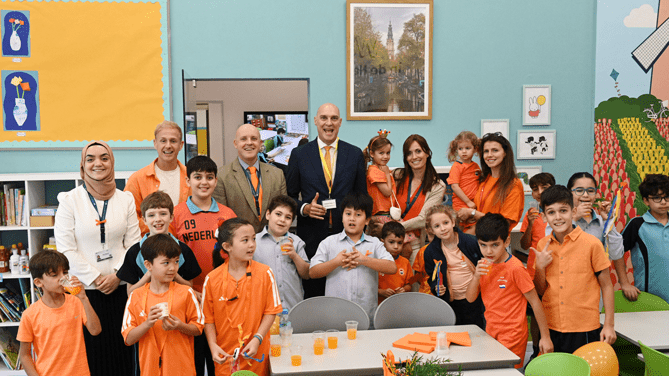
 Qatar’s only accredited Dutch school programme expands with a dedicated classroom at Compass
Qatar’s only accredited Dutch school programme expands with dedicated classroom at Compass International School Doha
News image ![Play-Based Learning in Early Years | Nord Anglia Education Doha - Why theres no such thing as Just Playing in Early Years]() Blog | Featured
Blog | Featured
 Blog | Featured
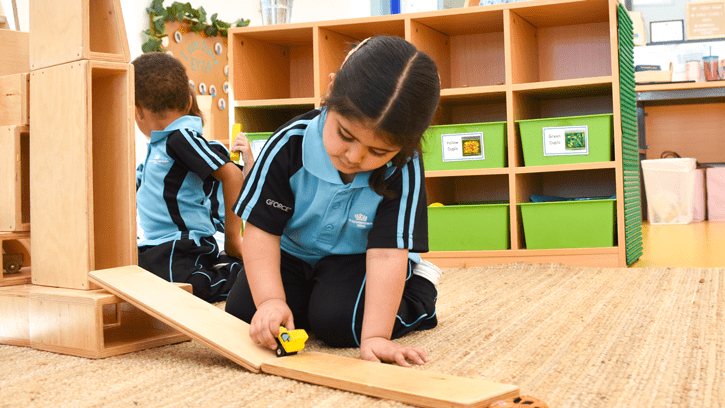
 Why There's No Such Thing as 'Just Playing' in Early Years
Play is much more than fun. In the Early Years, it plays an essential role in helping children build confidence, independence, creativity and resilience. Discover how our purposeful, play-based approach at Compass nurtures curiosity while developing the cognitive, physical, social and emotional skills that create strong foundations for lifelong learning.
News image ![Global Citizenship Education | Nord Anglia Education Doha - How Global Citizenship Prepares Children for the Future]() Blog
Blog
 Blog
Blog How Global Citizenship Prepares Children for the Future
Discover how global citizenship helps children develop the confidence, empathy and critical thinking skills they need to thrive in an increasingly connected world. Learn how our collaboration with UNICEF, Model United Nations and real-world learning experiences empower students to understand different perspectives, contribute positively to their communities and prepare for the future.
News image ![Why the IMG Academy Experience Is About More Than Sport - Why the IMG Academy Experience Is About More Than Sport]() Blog
Blog
 Blog
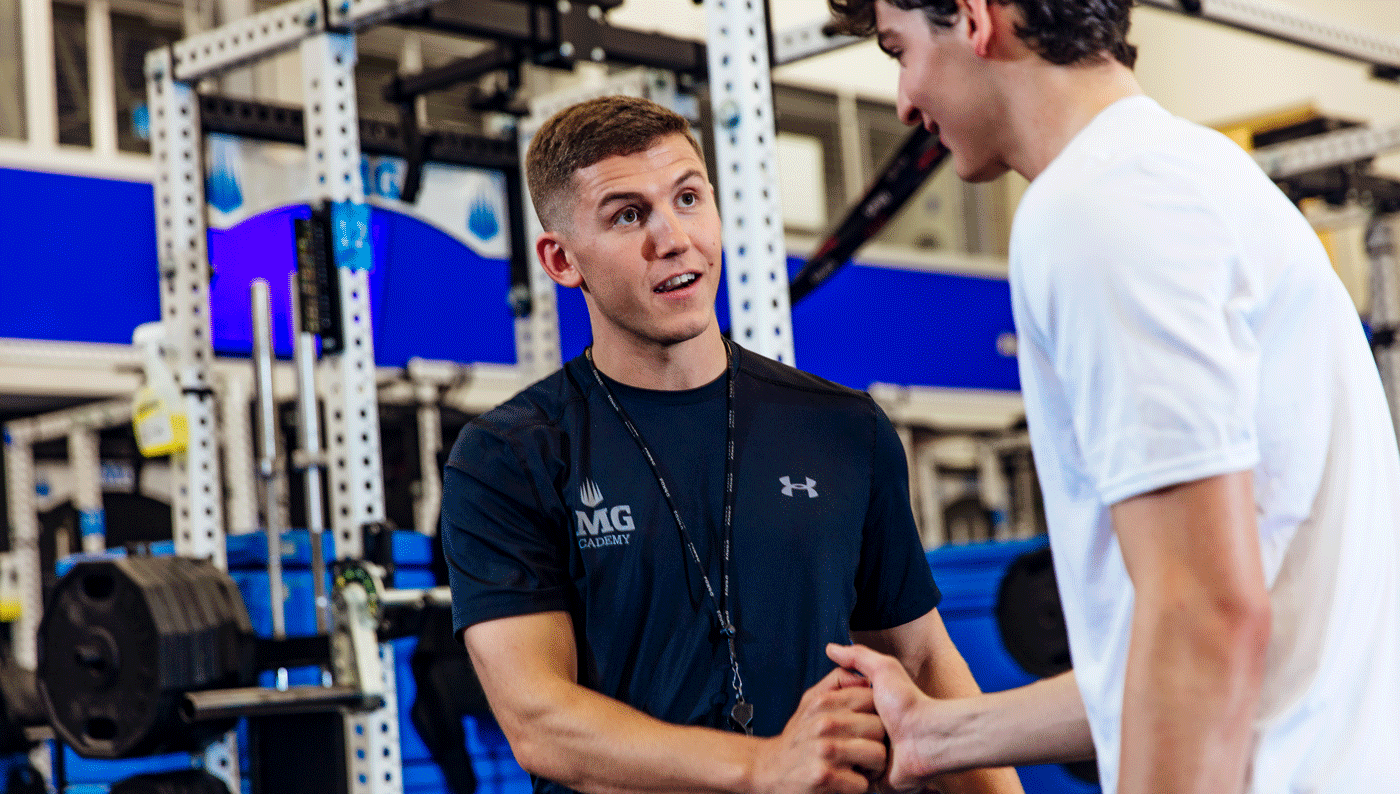
Blog Why the IMG Academy Experience Is About More Than Sport
Discover how our collaboration with IMG Academy goes beyond sport, helping every child develop confidence, resilience, healthy habits and a positive mindset. Learn how world-class expertise supports students with skills they can use in the classroom, on the sports field and throughout life.


