



We use cookies to improve your online experiences. To learn more and choose your cookies options, please refer to our cookie policy.
22 January, 2026
Supporting Regulation at Home: Practical Strategies for Every Family
At Dover Court International School, we recognise that when a child feels calm, safe, and supported, they are more ready to engage in meaningful learning and connection. In this article, Rebecca Murray, our Occupational Therapist, offers practical, family‑friendly strategies to help children with sensory processing differences feel more grounded and supported at home. From simple environmental adjustments to everyday movement activities, these ideas aim to empower families to create nurturing spaces where children can thrive as their authentic selves.
Sensory Regulation at Home
Supporting a child with sensory processing differences does not require specialised equipment or the latest climbing frame on the market. Small adaptations to the home environment and everyday routines can have a powerful impact on a child’s regulation and engagement. Creating a sensory-supportive space at home can help with emotional regulation, transitions, and independence—and most importantly, it supports children to show up as their authentic selves.
What is Sensory Processing
Sensory processing considers the way we receive, integrate, and organise sensory information from both the body and the environment. It encompasses how we, as individuals, experience and respond to the information coming from our senses (Sensory Integration Education).
What are Sensory Processing Differences
Sensory processing is an automatic neurological process that occurs throughout our lives. For some children, this system does not develop as efficiently, leading to sensory processing differences. Sensory processing differences can be described as “A decreased ability to process and integrate sensation [that results] in difficulty producing appropriate actions, which, in turn, may interfere with learning and behaviour.”(Bundy & Lane, 2020)
When the signals from an individual’s senses are too weak or too strong, the brain may struggle to organise and respond to them. This is when sensory processing differences can impact regulation and engagement in daily activities.
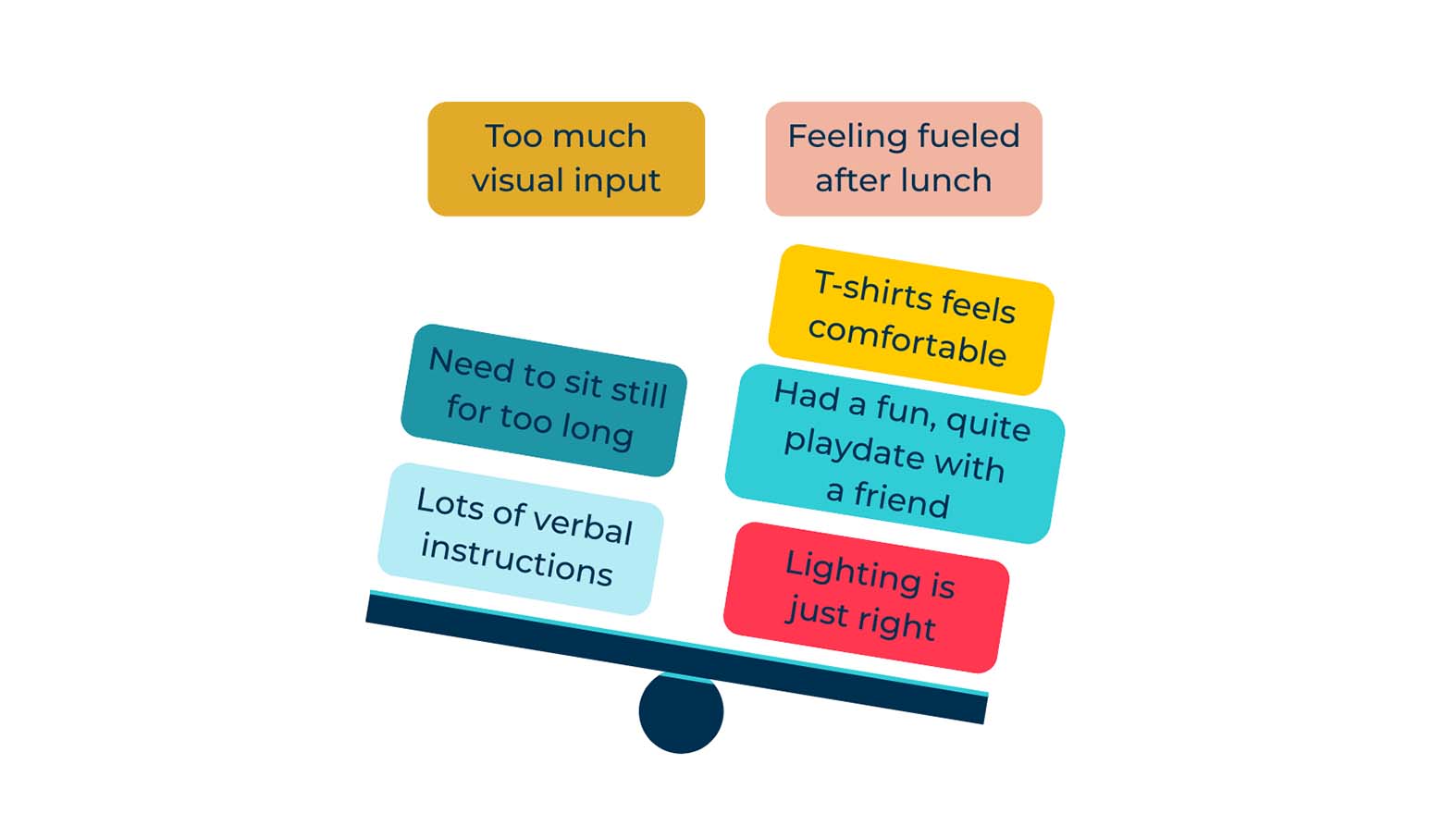
Everyone experiences sensory overload at times, bright lights in a shopping mall, or tiredness at the end of the week may make decision-making challenging. For most people, these moments are brief. For individuals with sensory processing differences, however, these experiences are long-term and may significantly impact everyday functioning.
With strategies and tools that support sensory needs, children with sensory processing differences can engage meaningfully in their environments, daily routines, and relationships.
Why Sensory Regulation Matters
When a child’s sensory system feels safe and supported, they are more able to participate, communicate, build relationships, and meet expectations. What might appear as “challenging behaviour” often reflects a child signaling that their sensory system is overloaded, tired, or needing something more.
Meeting sensory needs reduces anxiety supports co-regulation and helps children feel safe in their environment.
How Regulation Can Look Within the Home
Physical Adaptations:
- Visuals & routines
Visual schedules and timers provide predictability and can make transitions smoother. Consistent, predictable routines can prevent sensory overload, support emotional regulation and reduce anxiety, especially during times of fatigue e.g. after school, school holidays.
- A designated calm area
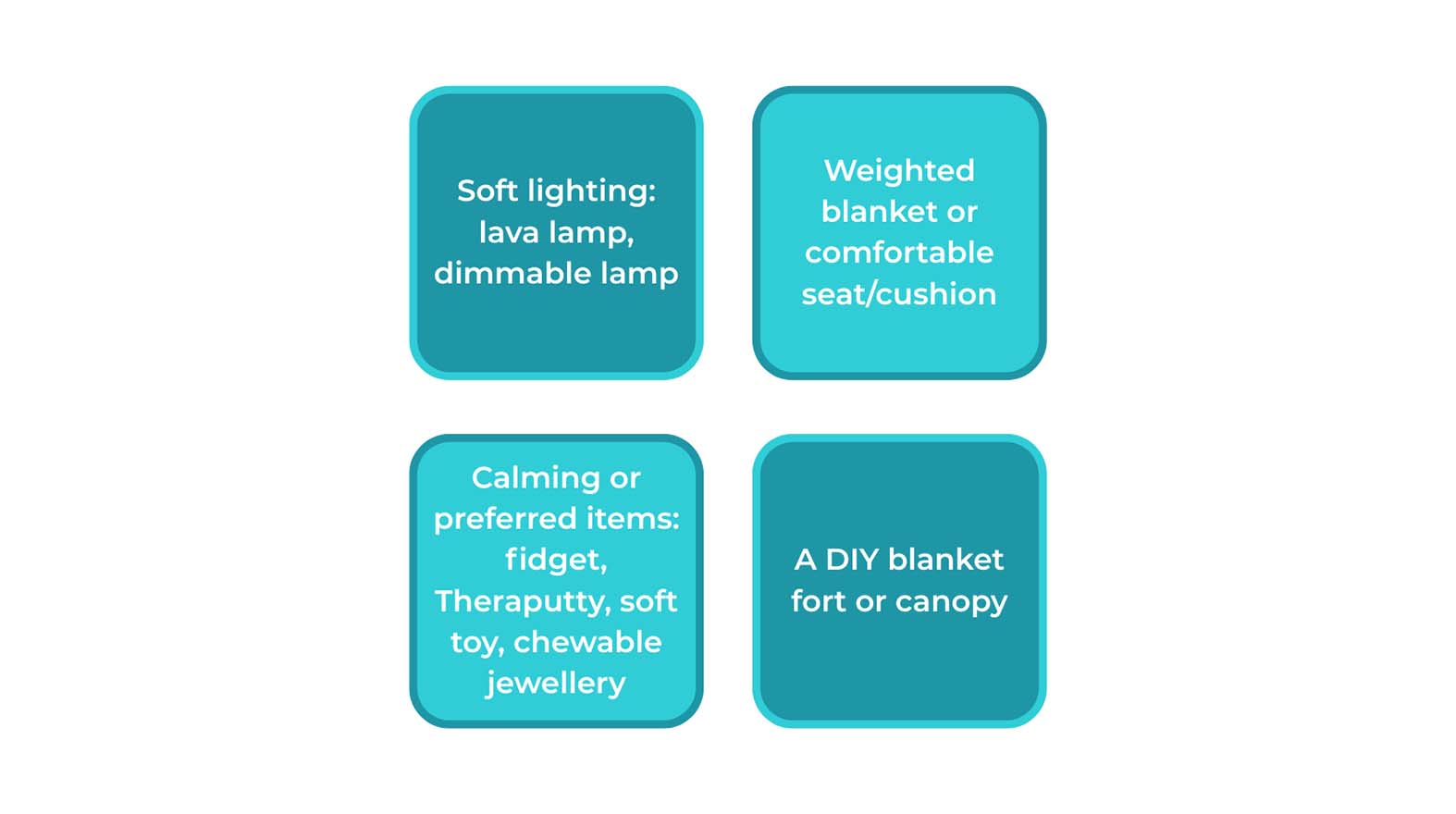
A quiet, cosy place, sometimes just a single chair, where your child can retreat when they feel overwhelmed or need downtime. This space can be essential after school to relax with a snack or calming activity.
- Offer movement activities
Movement supports regulation and even in small homes, simple ideas can make a big difference.
For smaller spaces:
- Obstacle course using sofa or bed pillows
- Mini trampoline with upper limb support
- Animal walks (bear crawl, crab walk, bunny hops)
- Body sock stretches
- Pushing or pulling a heavy box or laundry basket
- Tug of war with a towel or bolster cover
- Peanut ball activities
- Pop-up tunnel
- Yoga ball roll (superman pose)
For larger or outdoor spaces:
- Linear swinging
- Rocking in a rocking chair
- Stepping stones or balance beam
- Bike or scooter rides
- Soft play equipment
- Board games
Such as Jenga, Connect 4, and Uno, these create shared moments of fun while supporting turn-taking, flexibility, and co-regulation.
- Blowing bubbles
Bubble play encourages slow, deep breathing, an effective and playful self-soothing strategy.
"My body needs a stretch..."
"I need a snack, today was tough..."
Important Considerations:
- Model regulation and self-advocacy
Children develop the skills of regulation through co-regulation. Modelling plays a huge role for children, next time you need a break at home, make a point of modelling this.
- Monitor for signs of dysregulation
Notice when your child is becoming overloaded, tired, or continues to seek input. Adjust activities or the environment to match their level of arousal.
- Respect sensory needs and preferences
If your child prefers dim lighting, deep pressure, quieter spaces, or movement, honor these preferences as valid ways of supporting them engage and relax.
- Regulation breaks should be proactive
Plan sensory and movement breaks before your child becomes overwhelmed. Proactive regulation supports transitions and enjoyment in routines.
- Involve your child
Encourage your child to choose tools and strategies. Creating this space together builds self-advocacy and can make regulation strategies more meaningful.
References
Sensory Integration Education. Available https://www.sensoryintegrationeducation.com/
Abraham, D. et al. (2015) Sensory processing 101. United States: Lla Media LLC.
Sensory Processing Measure, Second Edition Manual nd SPM-2 Quick Tips, 2021
SPIRAL Foundation. Available at: https://www.thespiralfoundation.org/
Related news
News image ![Equity in Action What Placement Means at DCIS - Equity in Action What Placement Means at DCIS]() Blog
Blog
 Blog
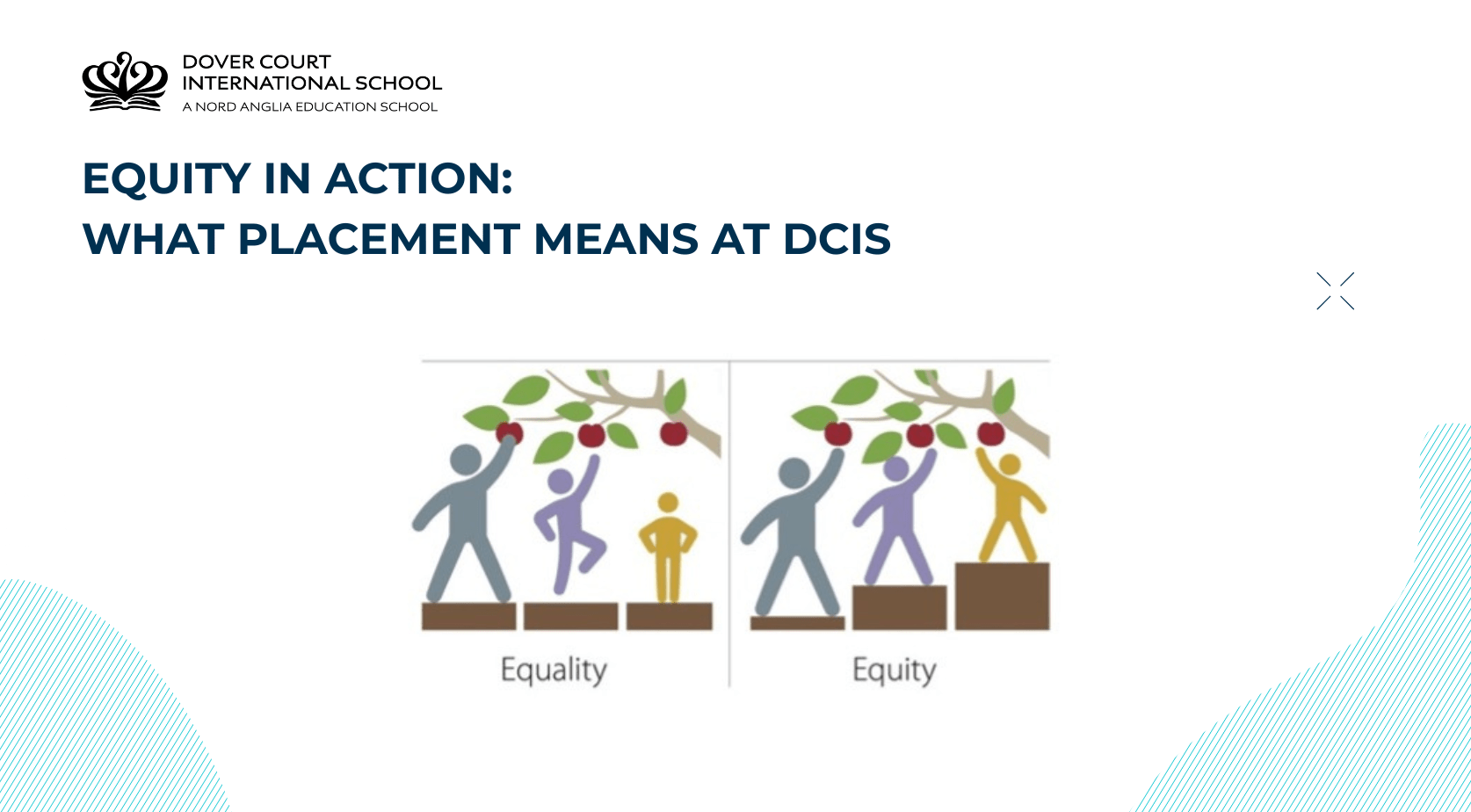
Blog Equity in Action: What Placement Means at Dover Court
At Dover Court, placement is about providing the right support for every learner to thrive. This article explains how our pathways reflect equity, belonging, and a commitment to meeting students where they are.
News image ![Future-Makers: How Dover Court Students Are Building - Future Makers How Dover Court Students Are Building a Kinder More Sustainable World]() Blog
Blog
 Blog
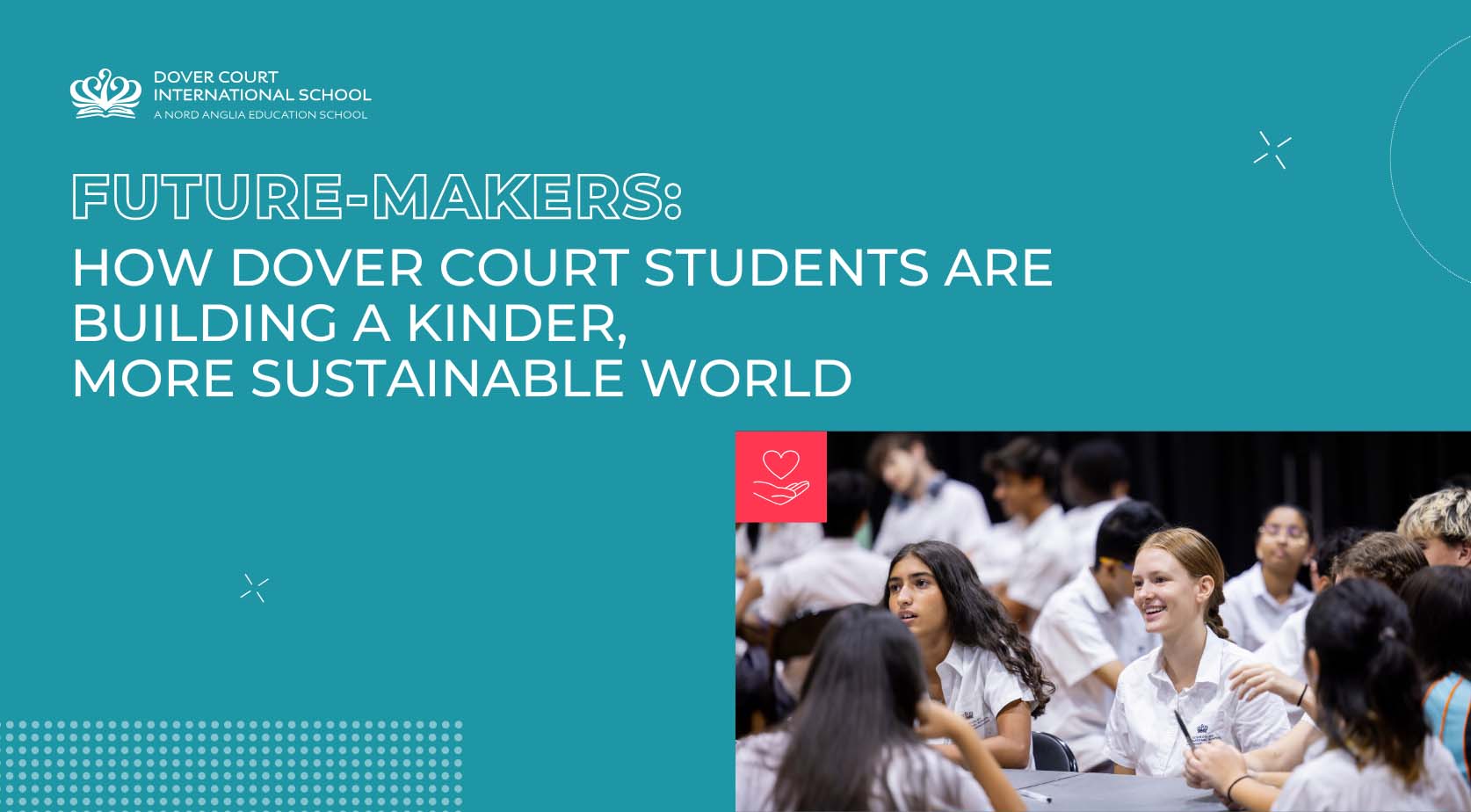
Blog Future-Makers: How Dover Court Students Are Building a Kinder, More Sustainable World
At Dover Court International School (DCIS), our students aren’t just preparing for the future – they’re working to make it better, for everyone. From global leadership summits to local inclusion initiatives, DCIS students are proving that compassion, advocacy, and action are central to their education.
News image ![Dover Court International School Shortlisted for the Tes - Dover Court International School Shortlisted for the Tes Awards for International Schools 2025]() News
News
 News
News Dover Court International School Shortlisted for the Tes Awards for International Schools 2025
We are excited to announce that Dover Court International School has been shortlisted for the Diversity, Equity, and Inclusion Award in the Tes Awards for International Schools 2025, celebrating excellence across the global education community.
News image ![Dover Court International School Celebrates Triple Win - Dover Court International School Celebrates Triple Win at HoneyKids Singapore Education Awards 2025]() News
News
 News
News Dover Court International School Celebrates Triple Win at HoneyKids Singapore Education Awards 2025
We are excited to announce that we have been honoured with three awards at the HoneyKids Singapore Education Awards 2025. These include Gold for the Diversity and Inclusive Community Award, Silver for the Curriculum Award (British), and Silver for School Where Everybody Knows Your Name.
News image ![Neurodiversity - Neurodiversity]() Blog
Blog
 Blog
Blog Neurodiversity: A Paradigm Shift Towards Inclusion and Belonging
In our ongoing journey to create a supportive environment for every child, we’re pleased to share insights on neurodiversity and its significance within our learning community. This article serves as a valuable resource for all families, offering practical strategies and insights to promote inclusion throughout the entire school community.


