



We use cookies to improve your online experiences. To learn more and choose your cookies options, please refer to our cookie policy.
26 February, 2026
Why Teaching Students to Think Matters More Than Ever in the Age of AI
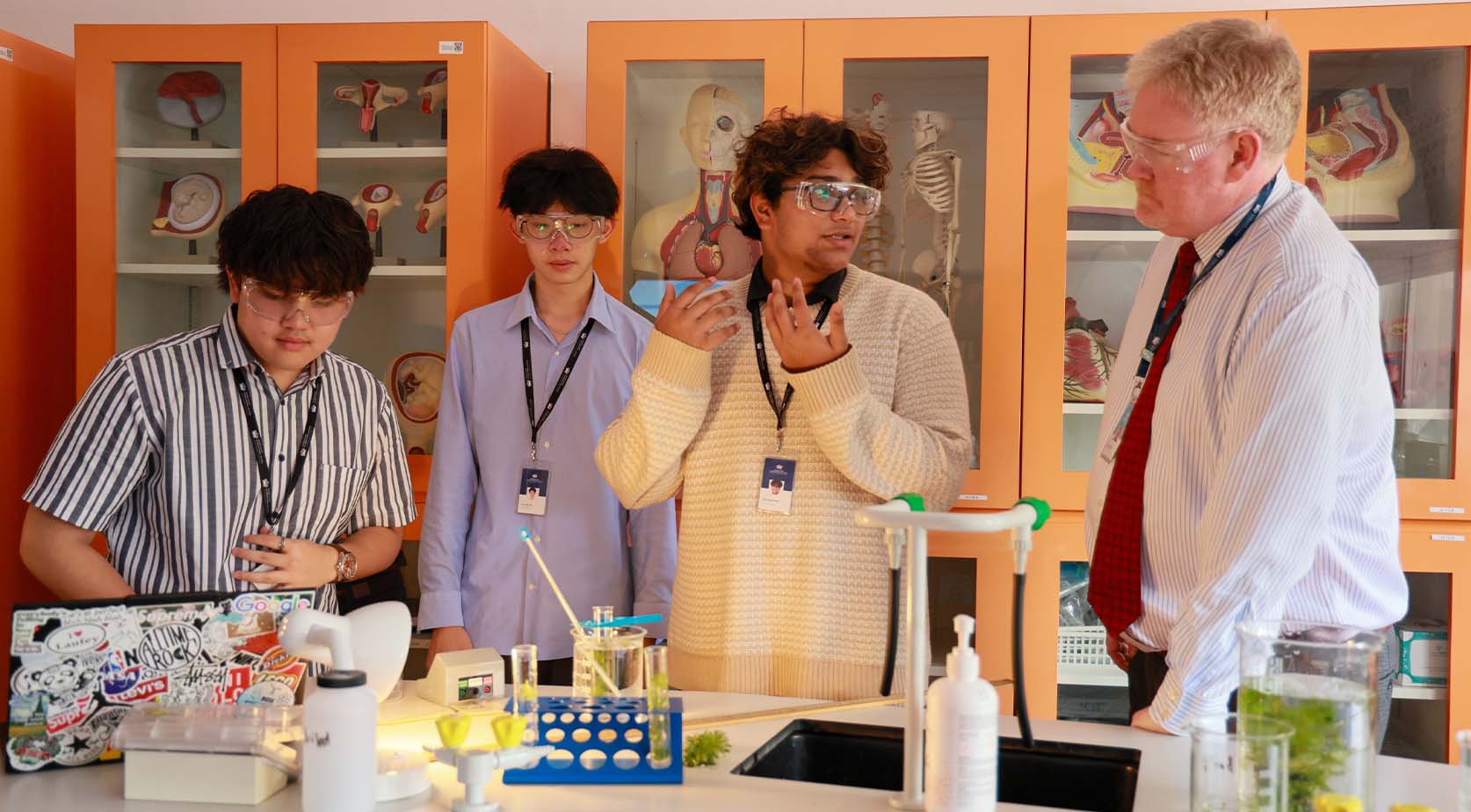
How metacognition, inclusion, and academic ambition work together at Dover Court International School.
By Chris Short, Interim Principal, Dover Court International School Singapore
Over the past few months, I’ve been having an unexpected but enlightening “conversation partner” — AI.
Like many school leaders, I’ve been exploring how platforms like ChatGPT and Copilot gather and present information about international schools. In doing so, I became curious about something interesting: Dover Court International School (DCIS) often appears in searches for inclusive or SEN‑friendly schools, yet it doesn’t always show up in lists labelled “top” or “best” schools in Singapore.
What I found was revealing — and it highlighted why the educational philosophy we champion at DCIS is more relevant than ever.
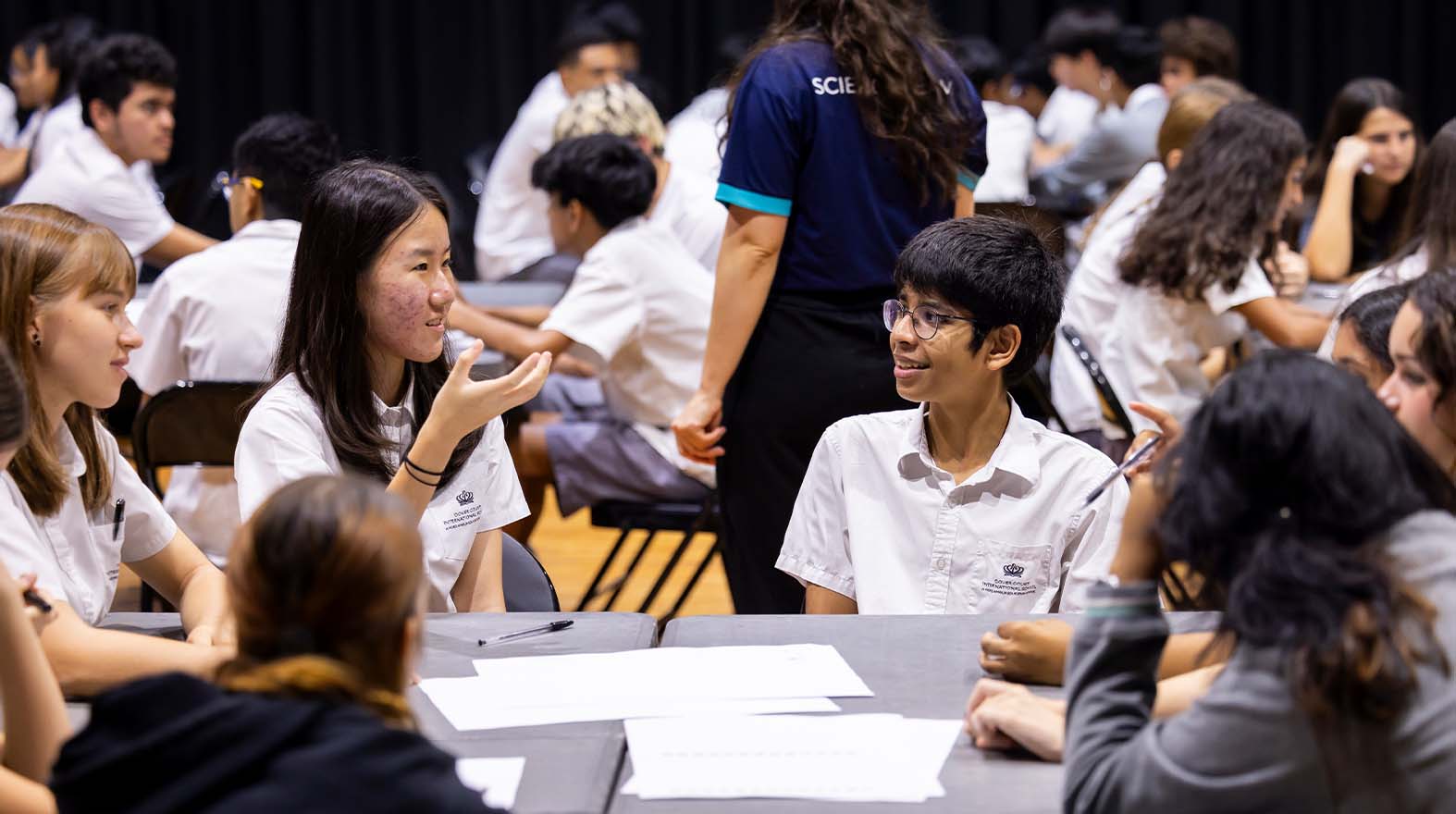
Academic Achievement at DCIS: What AI Rankings Miss
One of the biggest misconceptions baked into online algorithms is the belief that inclusive schools cannot also be high‑achieving schools. Anyone who knows our community knows this is simply untrue.
DCIS students consistently perform at high academic levels across the school — achievements that AI currently overlooks, not because they aren’t real, but because they aren’t yet widely recognised as “search‑friendly.”
DCIS students achieve strong IGCSE, IBDP and BTEC outcomes year after year and secure offers to world‑leading universities—all within an inclusive environment.
Among them:
- Strong IGCSE outcomes year after year
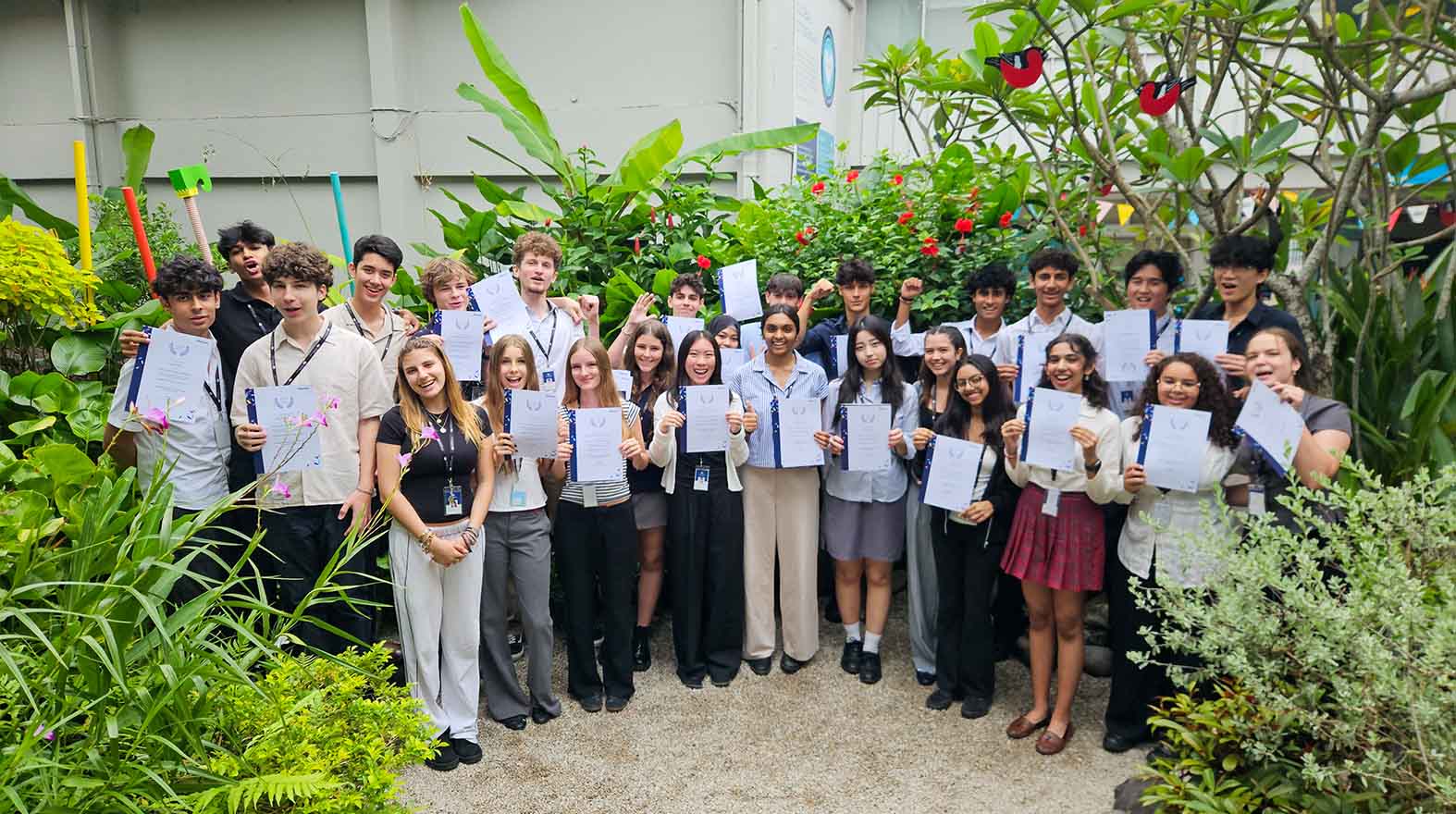
- Award‑winning student achievements, including Pearson Excellence Award recipients
- Sixth Form achievements through both IBDP and BTEC that open doors to world-leading universities and rewarding careers
- A history of exceptional academic progress within an inclusive environment
These successes exist whether or not an algorithm has learned to notice them.
Understanding AI Bias in Education
This led me to ask ChatGPT why DCIS doesn’t always appear on certain “top schools” lists. It offered an interesting explanation about how algorithms inherit human‑created narratives:
“Inclusive schools like Dover Court meet or exceed the same metrics as selective schools. Yet because they’re inclusive, they don’t fit the “prestige narrative” of what “top” usually means online. Algorithms are trained on that narrative → which reinforces it → which then shapes perceptions and content.” -ChatGPT
Algorithms are not biased against inclusivity; they are biased toward what is already most visible, most clicked, and most aligned with historical patterns. This creates a feedback loop — one that often overlooks schools like ours, where academic excellence and inclusion go hand in hand.
This is the same mechanism that can marginalise women in STEM or under‑represented artists on digital platforms. It isn’t intentional discrimination; it’s repetition of what’s already been amplified.
And that’s exactly why we teach our students something AI cannot do.
The Skills AI Can’t Replace — And Why Metacognition Matters
Nord Anglia Education recently published a landmark metacognition study spanning 29 schools and more than 12,000 students. The findings are clear: when students are taught how to think, not just what to think, their human capabilities strengthen dramatically — skills AI cannot replicate.
- Collaboration increased by 72%
- Curiosity by 70%
- Creativity by 69%
- Critical thinking by 68%
Metacognition — the ability to understand and regulate one’s thinking — is becoming a defining skill for the future. As Dr Kate Erricker from Nord Anglia noted, AI can process information at scale, but it cannot help a child understand how they think, adapt under uncertainty, or collaborate meaningfully with others.
At DCIS, these skills are not an “add‑on.” They are central to how we teach and how our students learn.
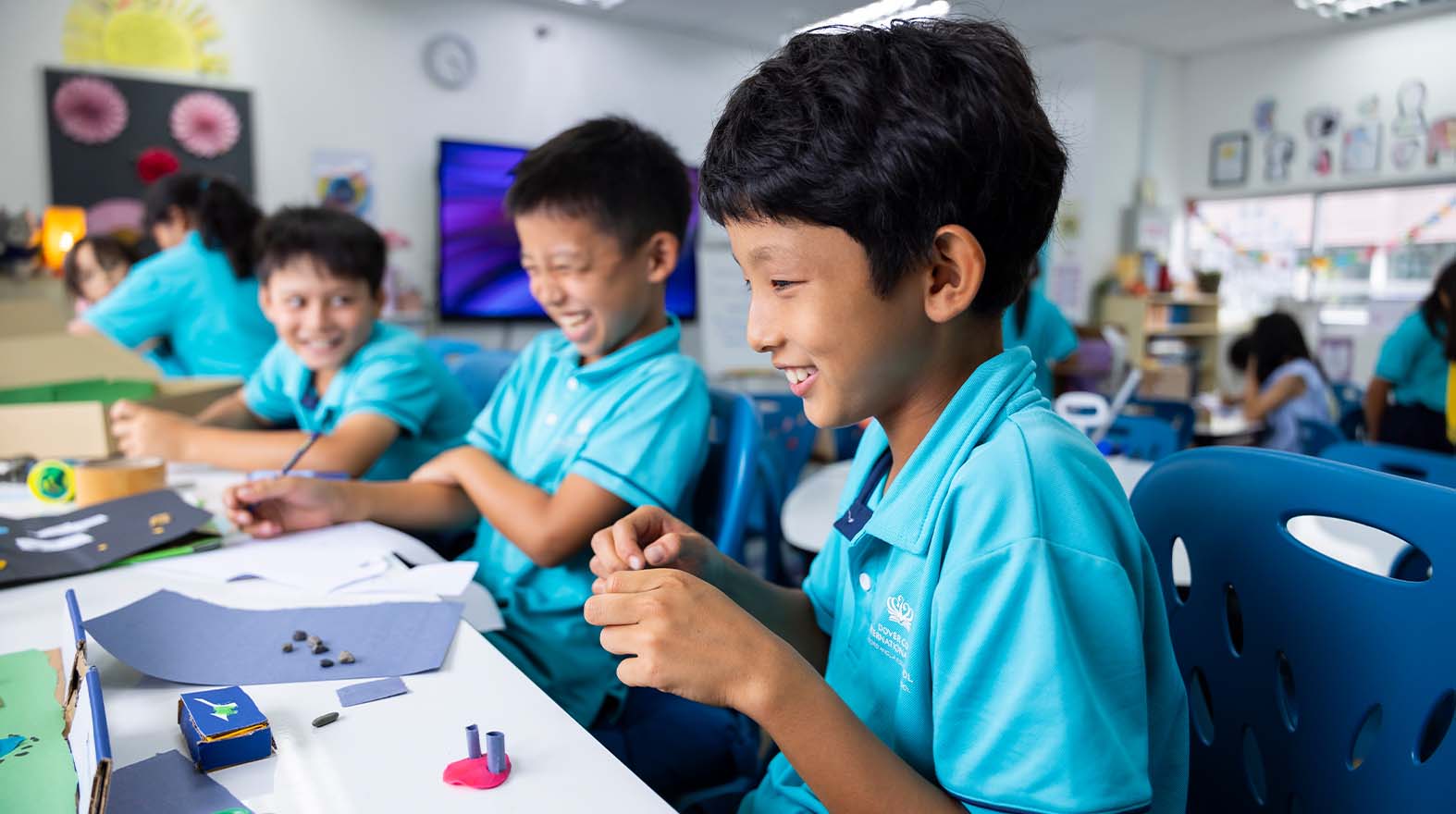
What This Means for Families Choosing a School
As AI tools increasingly shape perception, we cannot rely on them to tell the full story — especially about schools where values like inclusion exist alongside academic ambition.
But here’s the opportunity:
If AI inherits human thinking, then we must teach the next generation to think better.
That means raising young people who question information, recognise bias, reflect on decisions, and make sense of the world with independence and confidence.
This is exactly what metacognition builds — and exactly what DCIS students practise every day.
Looking Ahead: Preparing Students to Lead in an AI Enabled Future
We’ll keep strengthening the visibility of our achievements so that families searching online see the full picture of who we are. But more importantly, we will continue preparing our students not just to thrive despite AI, but to thrive alongside it, as thoughtful, curious, compassionate leaders of the future.
Related news
News image ![Dover Court Students Achieve Top Marks at Outstanding - Dover Court Students Achieve Top Marks at Outstanding Pearson Learner Awards 2025]() News | Academic
News | Academic
 News | Academic
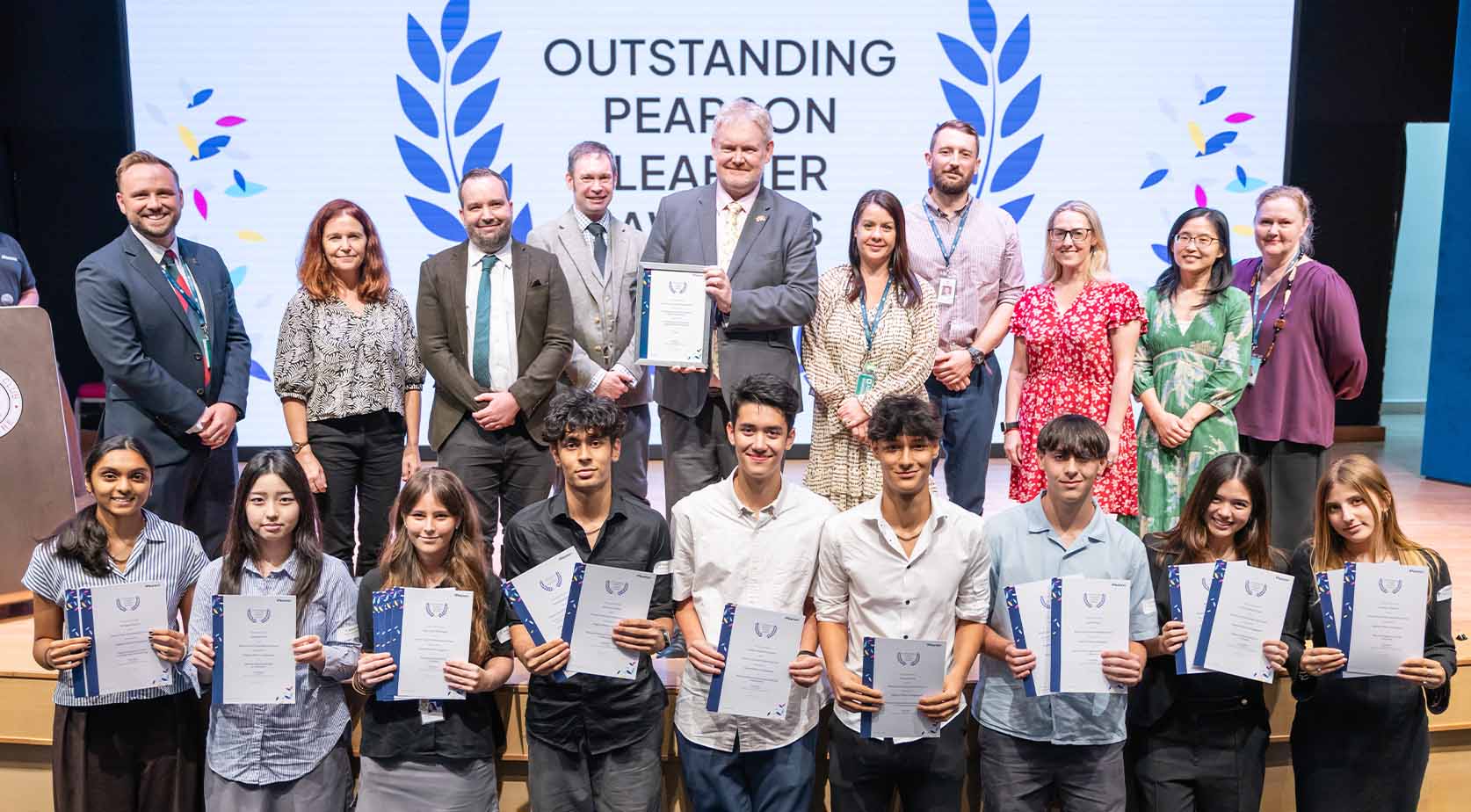
 Dover Court Students Achieve Top Marks at Outstanding Pearson Learner Awards 2025
Dover Court International School is proud to announce that 10 of its students received 12 Outstanding Pearson Learner Awards (OPLA), recognising the highest marks in Singapore and globally across the IGCSE/GCSE examinations in May 2025. Additionally, 35 Dover Court students earned Pearson Excellence Awards, celebrating exceptional results across multiple subjects.
News image ![Unlocking Global Opportunities at Dover Court IB Advantage - Unlocking Global Opportunities at Dover Court The IB Advantage]() Blog
Blog
 Blog
Blog Unlocking Global Opportunities at Dover Court: The IB Advantage
At Dover Court International School (DCIS), we are committed to empowering students to become well-rounded, globally minded individuals through a balanced and internationally recognised education. This is why we offer the International Baccalaureate (IB) Diploma Programme in our Sixth Form (Years 12 and 13).
News image ![Future-Makers: How Dover Court Students Are Building - Future Makers How Dover Court Students Are Building a Kinder More Sustainable World]() Blog
Blog
 Blog
Blog Future-Makers: How Dover Court Students Are Building a Kinder, More Sustainable World
At Dover Court International School (DCIS), our students aren’t just preparing for the future – they’re working to make it better, for everyone. From global leadership summits to local inclusion initiatives, DCIS students are proving that compassion, advocacy, and action are central to their education.
News image ![Dover Court Students Achieve Exceptional BTEC Results - Dover Court Students Achieve Exceptional BTEC Results for 2025]() News
News
 News
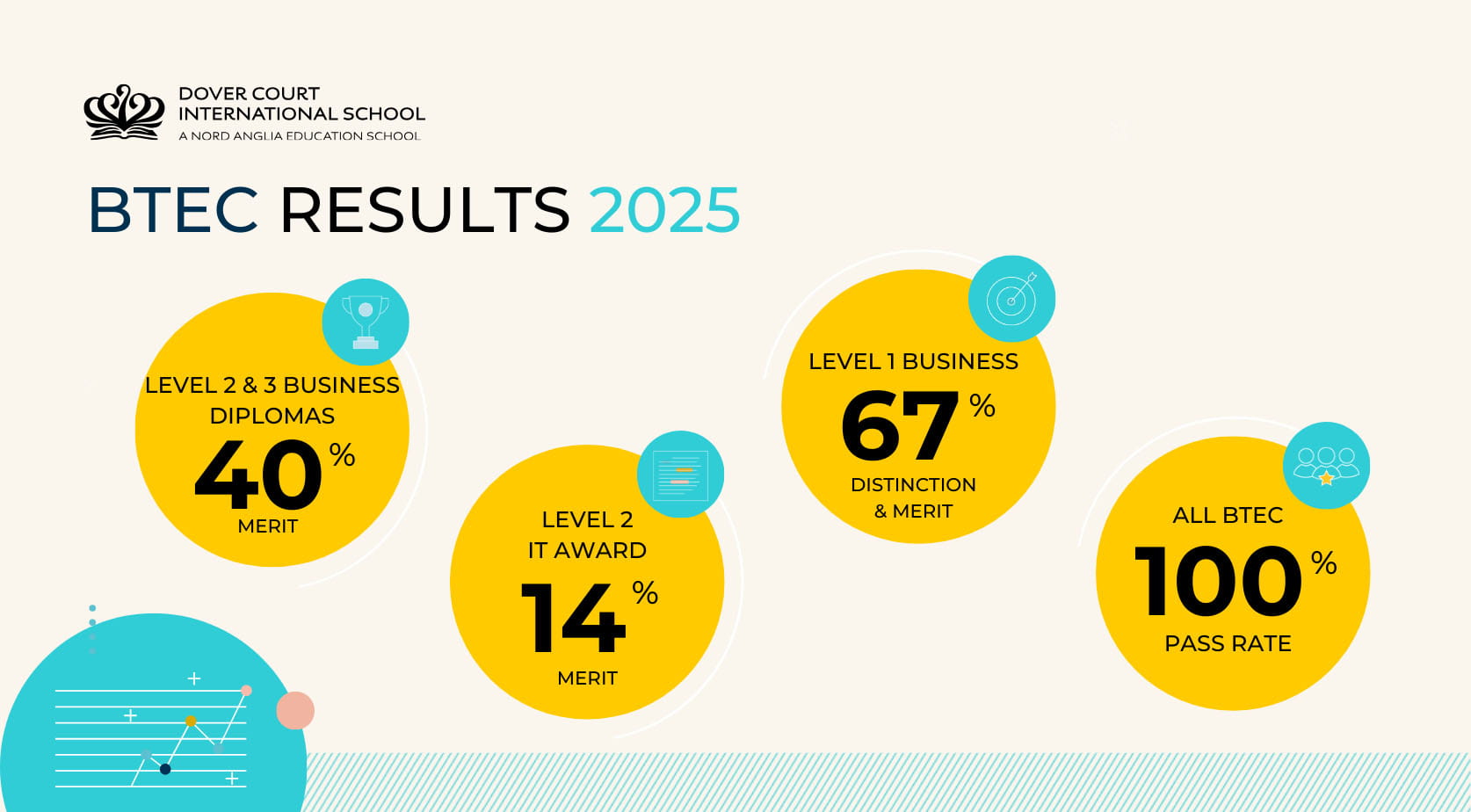
News Dover Court Students Achieve Exceptional BTEC Results for 2025
Congratulations to all Dover Court International School BTEC students on their exceptional results this year! We are proud to announce a 100% pass rate across all BTEC programmes! The 2025 BTEC outcomes highlight the dedication, hard work, and resilience of our students, reflecting our unique and inclusive community that fosters academic excellence through personalised learning.
News image ![Dover Courts Inclusive Approach Leads to Impressive 2025 - Dover Courts Inclusive Approach Leads to Impressive 2025 IGCSE Results]() News
News
 News
News Dover Court's Inclusive Approach Leads to Impressive 2025 I/GCSE Results!
We are excited to announce a significant achievement by our students in the 2025 I/GCSE examinations. This year, our largest cohort to date has achieved impressive results, reflecting their hard work and dedication, as well as the supportive and inclusive community we have at Dover Court.
News image ![Dover Court International School Celebrates Outstanding 2025 IB Diploma Results]() News
News
 News
News Dover Court International School Celebrates Outstanding 2025 IB Diploma Results
Dover Court International School is thrilled to celebrate the exceptional achievements of the Class of 2025 in the International Baccalaureate (IB) Diploma Programme. The provisional results released this week reflect the determination and talent of our students, supported every step of the way by our dedicated staff and wider school community.


