



We use cookies to improve your online experiences. To learn more and choose your cookies options, please refer to our cookie policy.
31 March, 2026
How schools help students become confident independent learners

As students move through school, one of the most important changes is not just what they learn, but how they learn. In the early years, learning is intentionally open and play-based, with teachers guiding, rather than directing. Through exploration and hands-on experiences, children begin to build understanding organically.
In the Primary years, a thematic, inquiry-led approach is used, which helps students develop as active, independent, and reflective learners. Through engaging with big ideas, making connections across learning experiences, and thinking about how they learn, students build the skills, understanding, and dispositions needed to reflect, adapt, and apply learning in meaningful ways.
By the time students reach secondary school, they are now expected to take greater responsibility, manage their own work, and approach challenges more independently.
Supporting this transition is a key part of effective teaching. Students need guidance, structure, and the right level of challenge to build confidence as they become more independent learners.
At Dover Court International School Singapore (DCIS Singapore), independence is not expected to develop on its own. It is built gradually through structured opportunities, clear expectations, and a learning environment that encourages students to take ownership of their progress.
Building independence step by step
Becoming an independent learner is a gradual process that requires time, guidance, and intentional practice. At Dover Court, teachers support this through carefully scaffolded experiences that encourage students to take increasing responsibility for their learning, reflect on their choices, and develop confidence as capable, self‑directed learners.
Russell Moriarty, Deputy Head for Upper Primary, explains how this development is approached.
“Through the use of the IB’s Approaches to Learning (ATLs), which include skills such as self‑management, reflection, and organisation, students build confidence and capability to manage their learning and everyday tasks with increasing independence.”
This approach applies not only to academic work, but also to everyday routines and responsibilities. By developing independence in a range of contexts, students begin to see themselves as capable and responsible learners.
Giving students choice and ownership
A key part of developing self-directed learning is giving students a sense of ownership.
Teachers at Dover Court intentionally create opportunities for student voice and choice, enabling learners to make meaningful decisions about how they engage with tasks, explore areas of interest, and demonstrate their understanding.
Russell Moriarty highlights the importance of student agency.
“When students are given meaningful choices and opportunities to exercise agency and take ownership of their learning, they develop stronger self‑regulation and a deeper sense of responsibility for their learning.”
When students feel that their ideas matter, they are more likely to engage deeply and take pride in their work. This sense of agency encourages students to think independently and take initiative in their learning.
Developing self-regulation and learning habits
Independence in learning also requires strong self-regulation skills.
Students need to manage their time, stay organised, and reflect on their progress. At Dover Court in Singapore, teachers support this by helping students develop habits that allow them to work more independently over time.
This includes guiding students to plan their work, monitor their progress, and adjust their approach when needed. These skills are introduced gradually, with teachers providing support as students learn how to manage their own learning more effectively.
Over time, students become more confident in setting goals, completing tasks, and taking responsibility for their academic outcomes.
Opportunities that extend beyond the classroom
Independence is not only developed through academic tasks. It is strengthened through a wide range of experiences both inside and outside the classroom.
At DCIS in Singapore, students are given opportunities to take on leadership roles, participate in school activities, and engage in real-life experiences that require responsibility and initiative.
Russell Moriarty explains how these opportunities support development.
“Independence begins in the classroom and is strengthened through wider opportunities, such as student leadership roles and real‑world experiences, where students are trusted to take responsibility for their choices, actions and learning.”
These experiences allow students to practise independence in meaningful contexts, helping them build confidence in their abilities.
Helping students recognise their own progress
An important part of becoming an independent learner is understanding one’s own progress.
At Dover Court, students are encouraged to reflect on their learning and share it with others. This may take place through assemblies, exhibitions of learning, or platforms where students communicate their progress with parents.
Russell Moriarty describes how this builds confidence.
“Through reflection and sharing—supported by platforms like Seesaw—students engage in three‑way communication with teachers and parents, strengthening feedback, partnership, and ownership of learning.”
By explaining their learning, students reinforce their understanding and develop confidence in their ability to communicate their ideas.
Confidence that supports lifelong learning
Independent learning is not just about managing schoolwork. It is about developing the mindset and skills needed to continue learning beyond the classroom.
Through structured support, increasing responsibility, and meaningful opportunities for choice and reflection, Dover Court International School, Singapore helps students develop the confidence to take ownership of their learning.
These skills support not only academic success, but also lifelong learning, helping students adapt to new challenges and environments in the future.
Parents who would like to understand more about how Dover Court supports independent learning are always welcome to speak with the academic team and explore how these skills are developed across the school.
Related news
News image ![How Dover Court Develops Leadership, Initiative and Human Skills - How Student Voice and Leadership Come to Life at Dover Court]() Blog | Art Drama and Music | Academic
Blog | Art Drama and Music | Academic
 Blog | Art Drama and Music | Academic
 How Student Voice and Leadership Come to Life at Dover Court
What happens when students are empowered to turn ideas into reality? Discover how Year 9 student Daksh developed leadership, communication and problem-solving skills through a student-led initiative, and how experiences like these help young people develop the human skills needed for the future.
News image ![Why Struggle and Joy Belong Together in Maths | Dover Court International School Singapore - Why Struggle and Joy Belong Together in Maths]() Blog | Academic | Parent Guides
Blog | Academic | Parent Guides
 Blog | Academic | Parent Guides
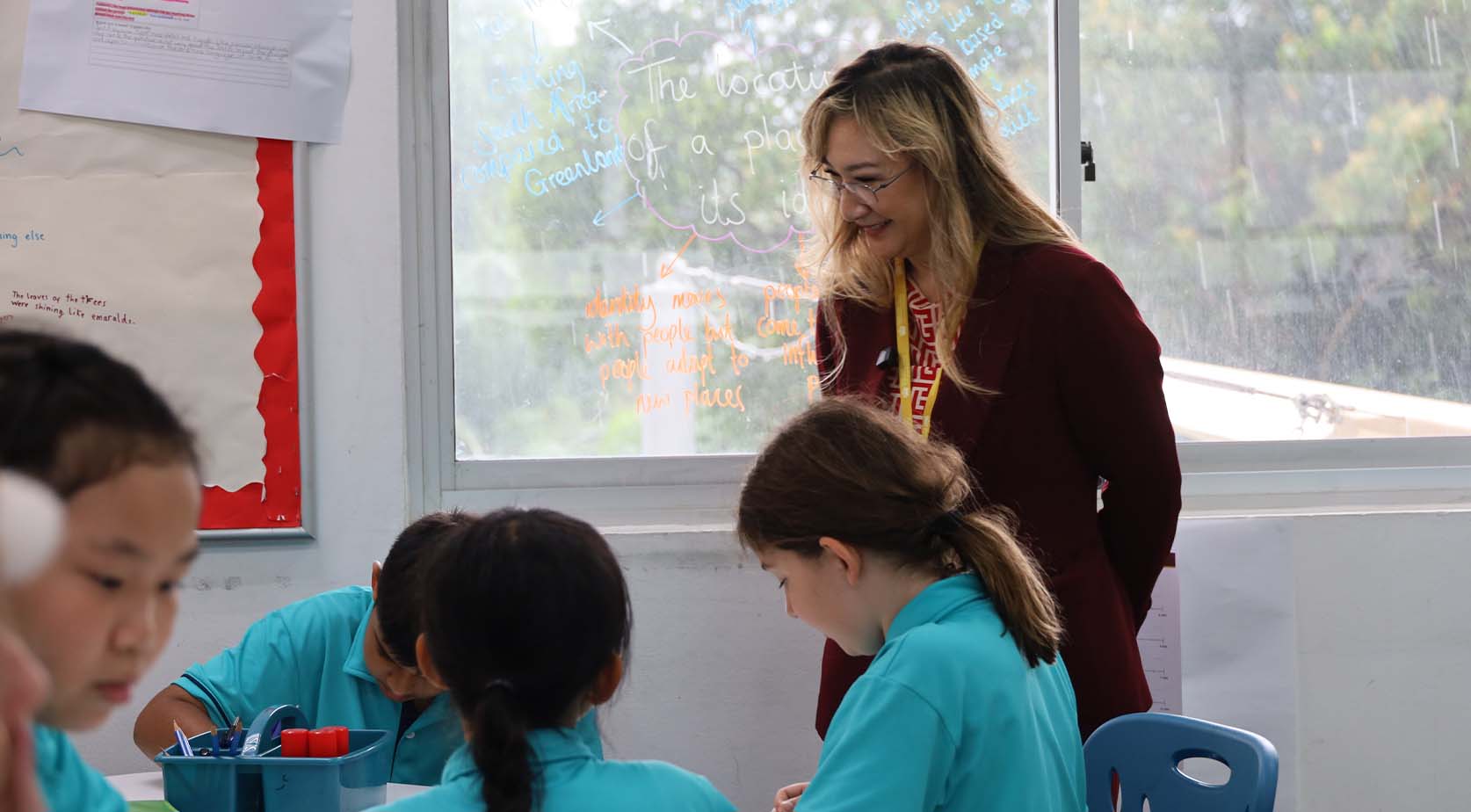
 Why Struggle and Joy Belong Together in Maths: Reflections from a Parent Workshop
How can we help children develop confidence and enjoyment in mathematics? Following a parent workshop at Dover Court International School, internationally recognised mathematics educator Dr Jennifer Chang Wathall explores the relationship between challenge, resilience and joyful learning.
News image ![Student Leadership at Dover Court International School Singapore | Meet Our 2026-27 Head and Deputy Head Students - Student Leadership at Dover Court Meet Our Head and Deputy Head Students for 2026-27]() News
News
 News
News Student Leadership at Dover Court: Meet Our Head and Deputy Head Students for 2026-27
Meet our Head and Deputy Head Students for 2026-27 and learn how leadership opportunities at Dover Court help students develop confidence, responsibility and a strong sense of community. From Primary School leadership opportunities to student-led initiatives and global experiences, leadership is nurtured at every stage of the Dover Court journey.
News image ![Dover Court International School Welcomes New Principal Richard Vaughan - Dover Court International School Welcomes New Principal Richard Vaughan]() News
News
 News
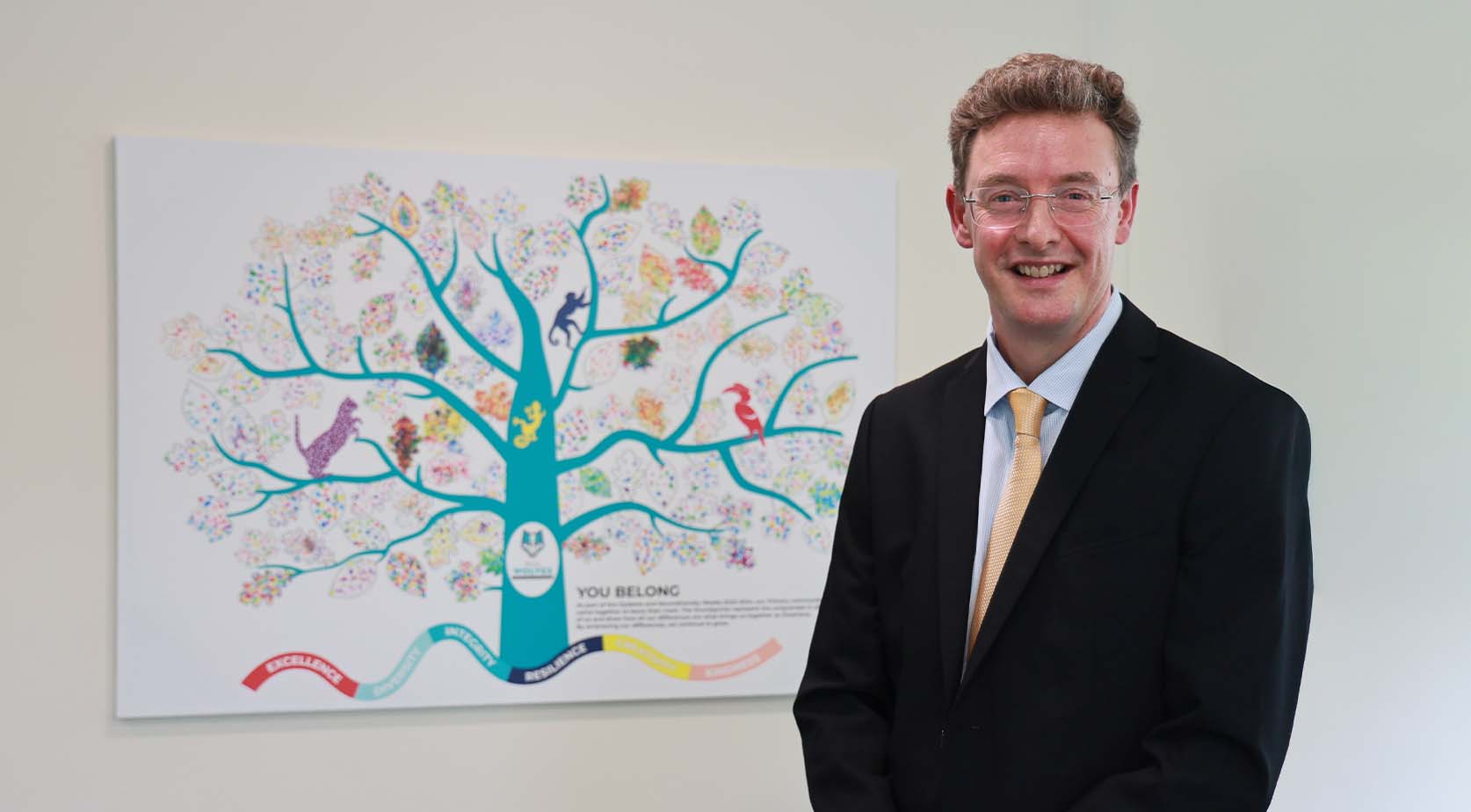
News Dover Court International School Welcomes New Principal Richard Vaughan
Dover Court International School is delighted to welcome Richard Vaughan as Principal, having joined the school at the start of the 2026-27 academic year. Bringing more than 25 years of educational leadership experience across the UK and internationally, Mr Vaughan joins Dover Court with a strong track record of fostering academic excellence, inclusive education and community-building.


