



We use cookies to improve your online experiences. To learn more and choose your cookies options, please refer to our cookie policy.
15 June, 2026
What Makes a Well-Rounded School and Why It Shapes Academic Success
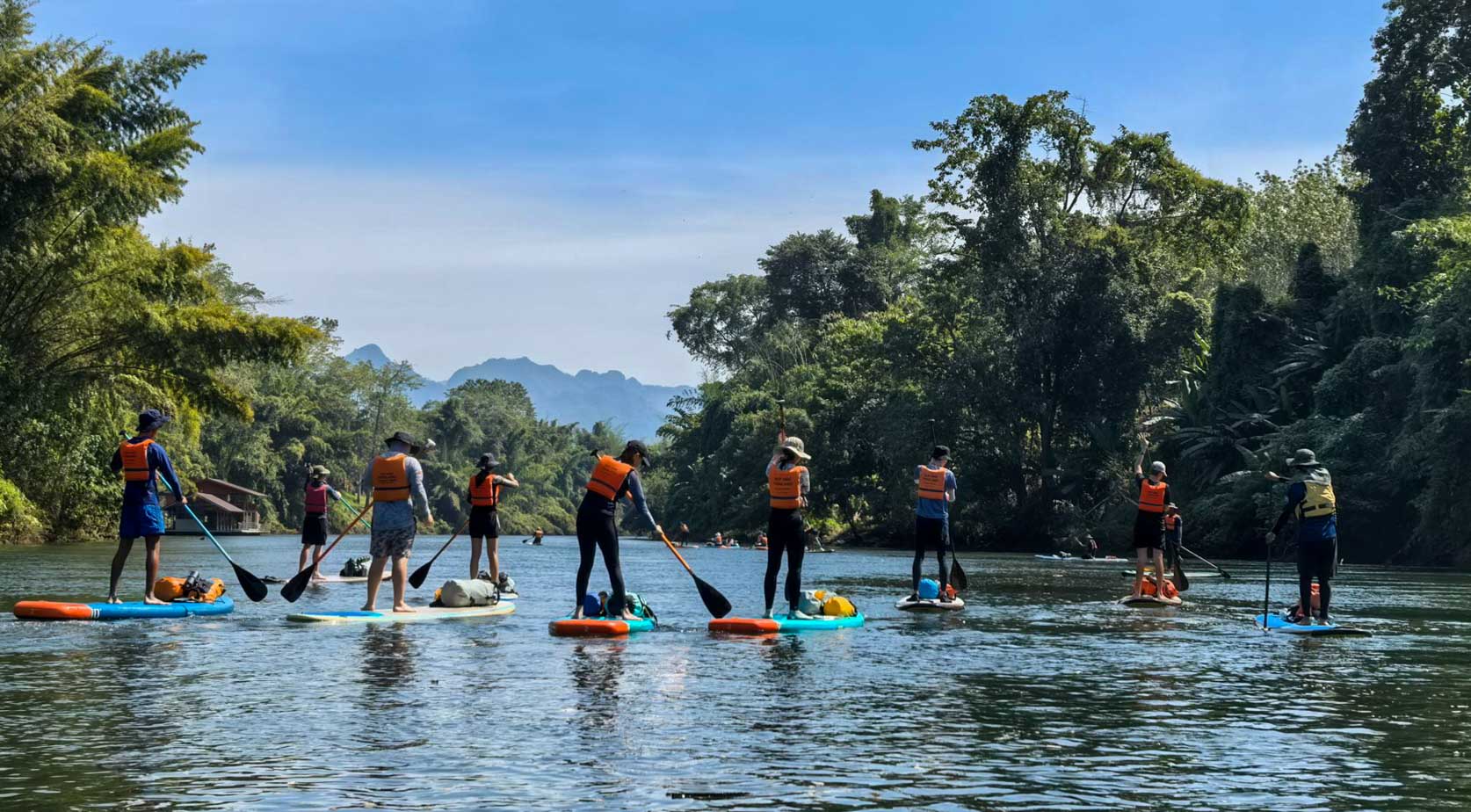
A common misconception among academically focused families is that strong outcomes come primarily from time spent in the classroom. In reality, a holistic school that is serious about developing well-rounded students who are prepared for the future, offers experiences that encourage active participation, develops interests, passions and an appetite to embrace opportunity.
At Dover Court International School (DCIS), this balance is intentionally structured. We believe that success in learning is strengthened through carefully developed opportunities beyond the classroom that broaden perspectives, build technical skills and often involve collaborating with others, all essential in character development, providing transferable skills for the future.
Why balance drives academic performance
Academic success does not sit in isolation. Students are most successful when they are engaged, challenged, and able to connect their learning to meaningful experiences and the real world. Co-curricular and extracurricular programmes provide that connection.
“’Results’ alone are not enough in today’s world. Evidence shows that students who engage more broadly in school life achieve stronger overall outcomes, because this balance builds both confidence and capability. What are often referred to as ‘soft skills’ are in fact fundamental to full participation in life and the workplace. The ability to collaborate with others, lead a team and problem-solve are key. Being able to articulate an informed opinion and make sound judgements sits at the heart of both academic success and readiness for life beyond school,” notes Rachel Edwards, Head of Secondary.
Parents exploring international schools in Singapore with strong extracurricular programmes often want reassurance that time outside the classroom supports—not distracts from—academic progress. At DCIS, co-curricular opportunities are designed to complement learning by giving students structured ways to develop skills such as collaboration, communication, leadership and independent thinking alongside their academic studies.
This connection becomes more relevant as students move into secondary school. In programmes such as the IB Diploma, students are assessed not only on knowledge, but also on their ability to analyse, reflect, and think critically. Experiences in areas like sport, service, and student leadership provide practical contexts in which these skills can be developed and applied, helping students approach academic work with greater confidence and clarity.
A broader school experience also supports sustained engagement over time. Many families searching for a well‑rounded or holistic education in Singapore are mindful that a singular focus on academics can be difficult to maintain. Participation in activities beyond the classroom can help students stay motivated, make connections across different areas of learning, and see greater purpose in their studies.
Rather than positioning activities as separate from academic learning, DCIS aims to ensure that both elements work together. In doing so, students are supported to develop positive study habits, maintain a healthy approach to school life, and build the skills needed for their futures.
Building resilience and intellectual confidence
Participation in enrichment opportunities pushes students beyond their comfort zone. Whether on the sports field, in a leadership role, or during residentials, students encounter challenge, uncertainty, and the need to adapt quickly.
According to Jacqueline Glazerman:
“Pushing beyond their comfort zone builds resilience, which is essential for motivation and performance. These experiences also allow students to see the world through different lenses, opening their eyes to futures they may not have considered.”
Enrichment and experiential learning positively impact academic success. Students who are willing to take risks, respond to setbacks, and handle competing demands are better equipped to manage their studies and navigate everyday life. They also become more reflective learners, a core expectation within the IB programme.
Structured programmes that support outcomes
A well-rounded school does not leave personal development to chance. At DCIS, programmes are deliberately structured so that enrichment opportunities complement learning and reinforce academic progress.
Some Examples include:
- CAS (Creativity, Activity, Service), a core assessed component of the IB Diploma
- The Duke of Edinburgh’s Award, building independence and perseverance
- Model United Nations, developing research, argumentation, and global awareness
- Sports leadership awards and student led committees focused on SDGs
- Articulation programme and annual competition in Singapore
- Opportunities to apply for Nord Anglia social impact and DCIS community action grants
- Annual NAE UNICEF Summit
- Participation in the Nord Anglia affiliated MIT competitions
These are not add-ons. They form part of a coherent learning journey where students apply classroom knowledge in practical settings, then bring those insights back into their academic work.
CAS is a great example of how students benefit from a holistic learning experience, As a student initiated, self-led and assessed element of the IBDP, it challenges students to follow their own interests and goals. Through CAS, students gain experiences, build a portfolio and collect reflections that evidence their journey. The skills involved enhance a student’s ability to bring ideas to reality and measure their own progress and impact. CAS often inspires meaningful connection and initiates transformative life experiences.
From engagement to long-term readiness
For families considering long-term outcomes, the question is not simply whether students achieve strong results, but whether they are prepared for university and life beyond school.
Jacqueline Glazerman highlights the lasting impact:
“These experiences are often the most memorable moments for students. They may forget specific subject content, but they will not forget the feeling of contributing to a meaningful project, being part of a team, or driving change within their school community.”
That sense of purpose and ownership strengthens confidence, which in turn supports both academic achievement and university readiness.
A coherent approach to holistic development
At DCIS, the aim is not to separate academic rigour from personal development, but to integrate them. Structured programmes and consistent guidance, ensure that students benefit from both.
A well-rounded school is ultimately defined by how effectively it connects these elements. When done well, students do not have to choose between outcomes and opportunity. They experience both, and each strengthens the other.
For families seeking clarity, the key question is simple: how does the school ensure that what happens beyond the classroom genuinely supports academic progress? At Dover Court, that connection is designed into the learning experience from the outset, shaping confident, capable students prepared for their next steps.
Related news
News image ![How Dover Court Develops Leadership, Initiative and Human Skills - How Student Voice and Leadership Come to Life at Dover Court]() Blog | Art Drama and Music | Academic
Blog | Art Drama and Music | Academic
 Blog | Art Drama and Music | Academic
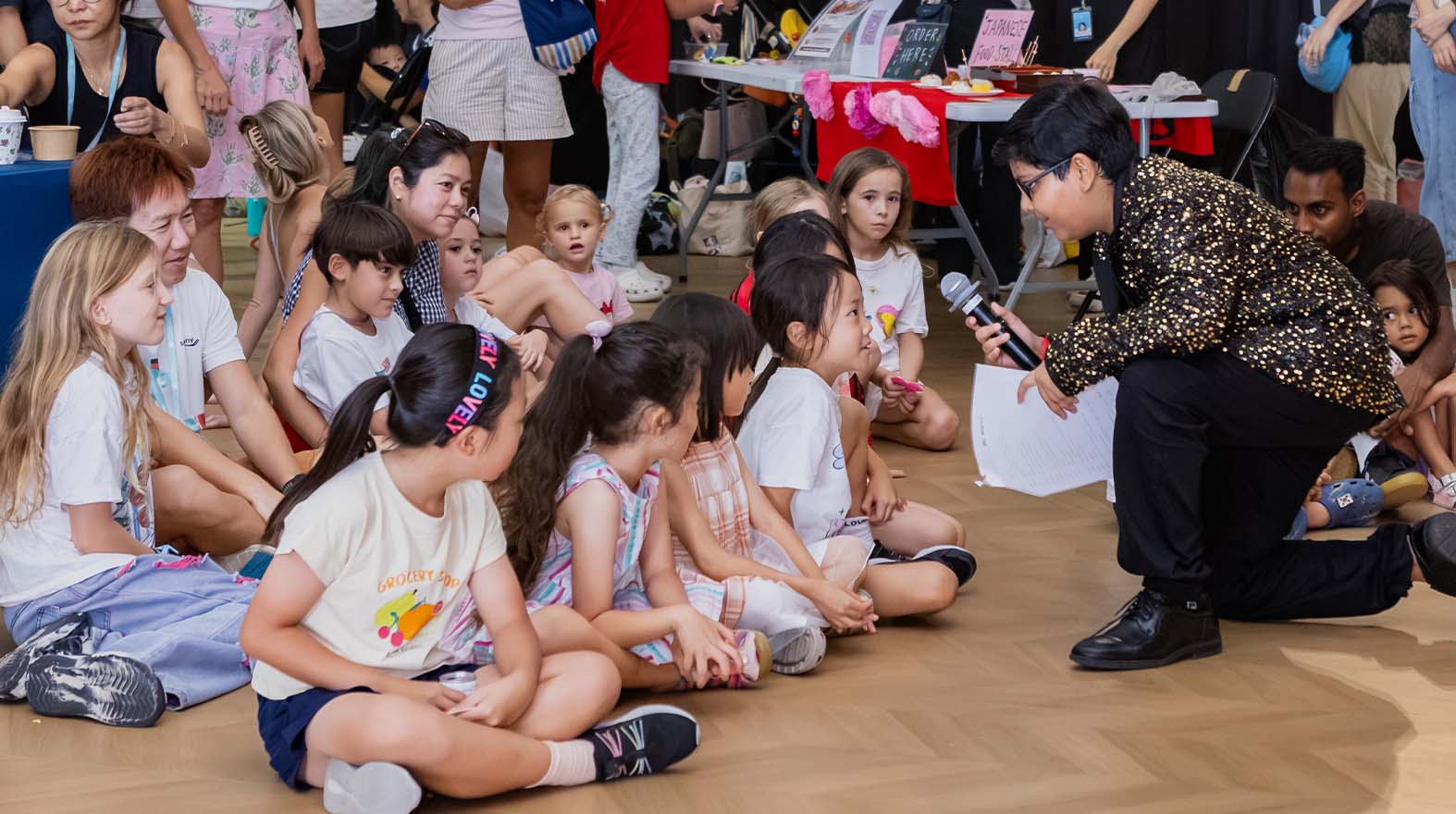
 How Student Voice and Leadership Come to Life at Dover Court
What happens when students are empowered to turn ideas into reality? Discover how Year 9 student Daksh developed leadership, communication and problem-solving skills through a student-led initiative, and how experiences like these help young people develop the human skills needed for the future.
News image ![Why Struggle and Joy Belong Together in Maths | Dover Court International School Singapore - Why Struggle and Joy Belong Together in Maths]() Blog | Academic | Parent Guides
Blog | Academic | Parent Guides
 Blog | Academic | Parent Guides
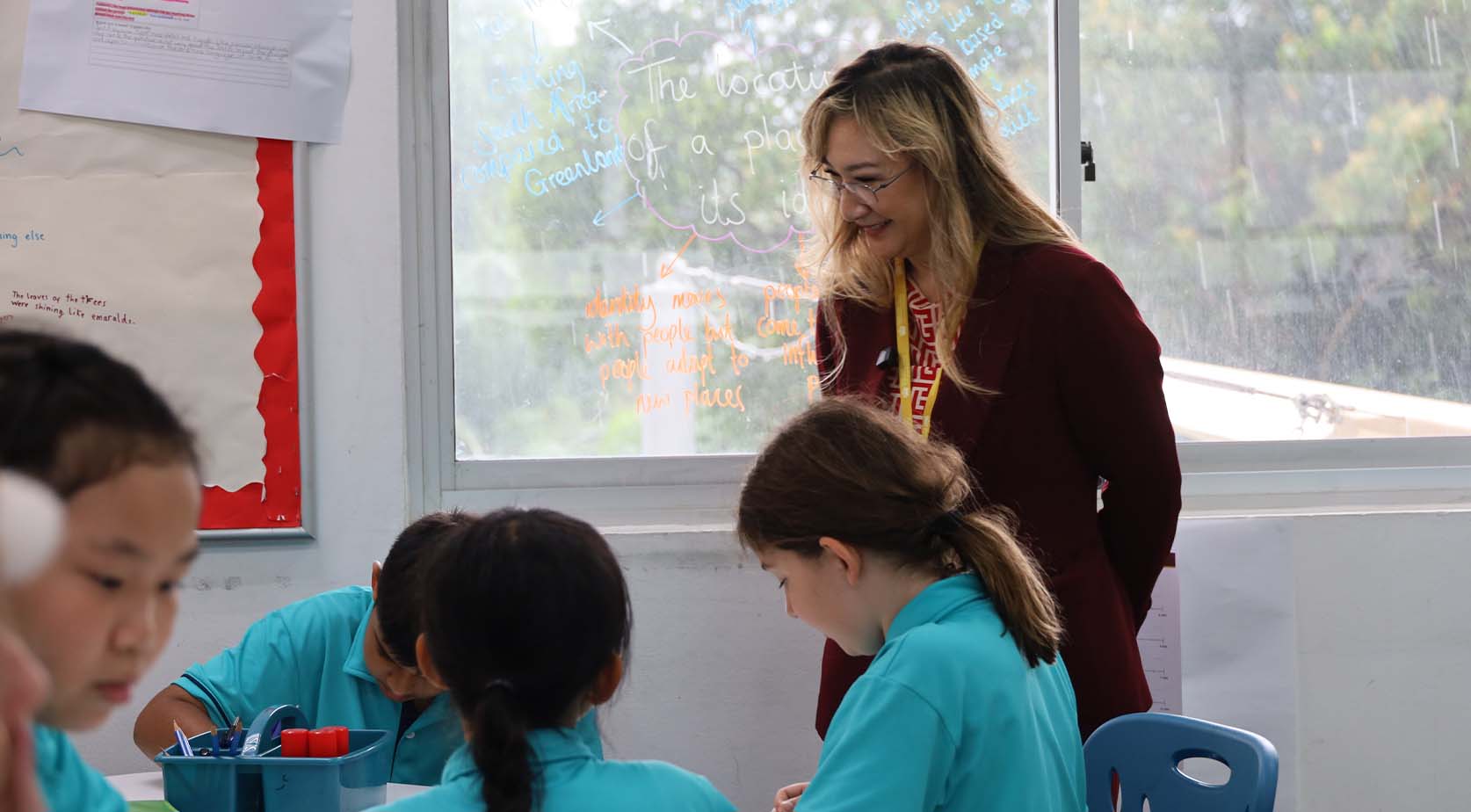
 Why Struggle and Joy Belong Together in Maths: Reflections from a Parent Workshop
How can we help children develop confidence and enjoyment in mathematics? Following a parent workshop at Dover Court International School, internationally recognised mathematics educator Dr Jennifer Chang Wathall explores the relationship between challenge, resilience and joyful learning.
News image ![Inclusive Education in Singapore: Strong SEN Support and Academic Excellence at DCIS - inclusive-education-singapore-sen-support-academic-excellence]() Blog | Academic
Blog | Academic
 Blog | Academic
 Why Inclusion Creates Better Outcomes for Every Student
Can an inclusive school also deliver strong academic outcomes and provide appropriate stretch and challenge for students working above age-related expectations? At Dover Court International School, we believe the answer is yes. Inclusion is embedded across every aspect of school life, from teaching and learning to wellbeing, personalised support and enrichment. Through our Pathway 2 provision and whole-school commitment to adaptive teaching, students receive the challenge and support they need to thrive.
News image ![Nature as a Classroom: Outdoor Learning in Early Years | Dover Court Singapore - Nature as a Classroom Big Learning from Small Discoveries]() Blog | Early Years | Academic
Blog | Early Years | Academic
 Blog | Early Years | Academic
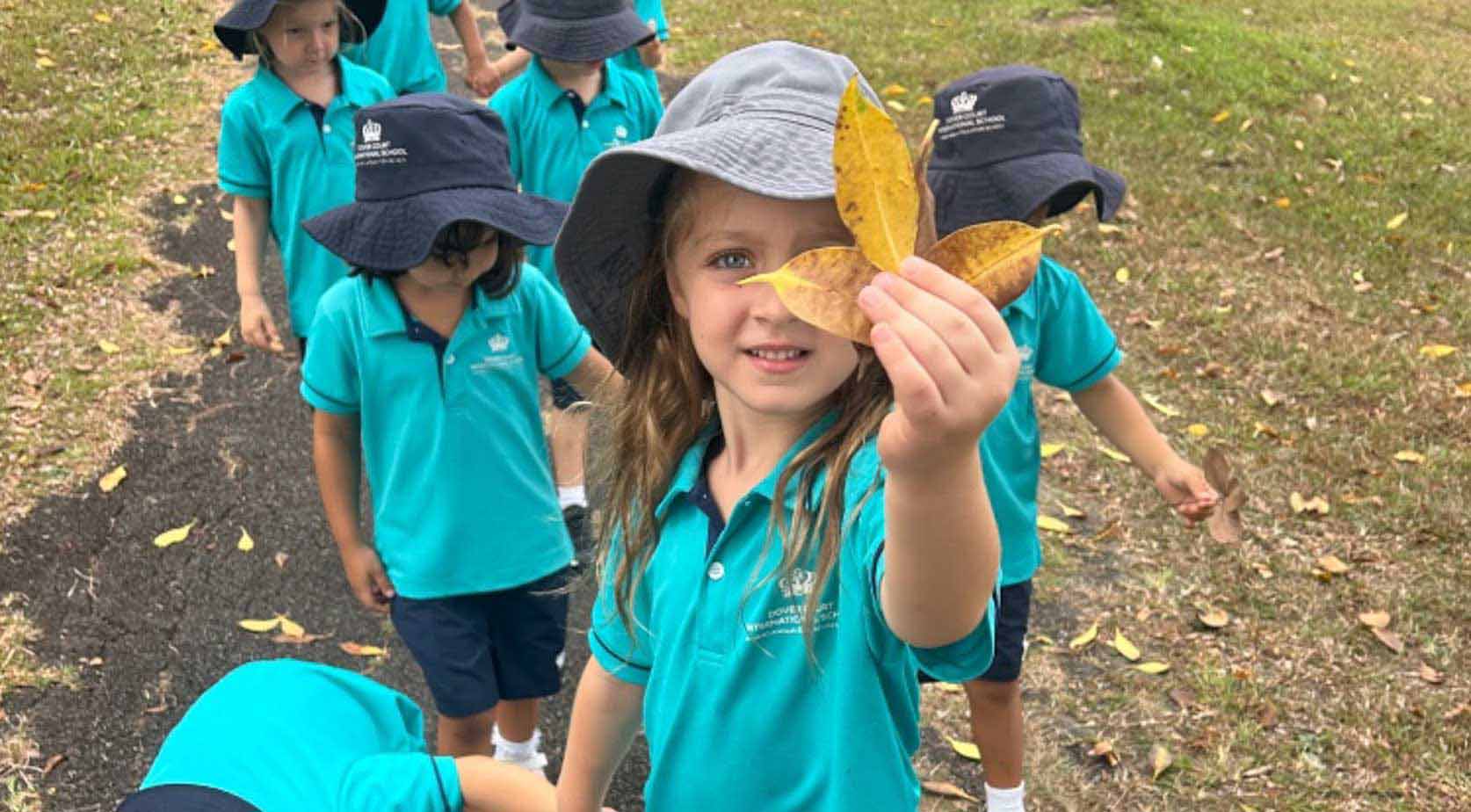
 Nature as a Classroom: Big Learning from Small Discoveries
From collecting leaves and seeds in the park to examining natural objects under microscopes and creating artwork with berries, our Early Years children are discovering that nature is full of opportunities for inquiry, creativity and wonder. Read how outdoor learning and NEST (Nurturing Early Success Together), our Early Childhood Education Programme for children from Nursery to Year 2, help children develop curiosity, confidence and a deeper understanding of the world around them.


