



We use cookies to improve your online experiences. To learn more and choose your cookies options, please refer to our cookie policy.
16 June, 2026
Will My Child Struggle After Changing Curriculum
For many internationally mobile families, changing a child's curriculum can bring uncertainty. Parents often ask whether their child will fall behind, struggle with unfamiliar assessment styles, face learning gaps that are difficult to close or have difficulty reintegrating into national schools upon return to their home countries.
In reality, successful transition is less about the label of a curriculum and more about the strength of a student’s foundations and the quality of support around them.
At Dover Court International School (DCIS), careful academic planning and structured pastoral support underpin each transition, whether a student is moving into the English curriculum, beginning IGCSE courses, or preparing for the IB Diploma Programme.
What makes a transition successful
A common misconception is that switching to a different curriculum automatically disrupts progress. According to Carla Hyland, Deputy Head of Secondary, Curriculum and Learning, the fundamentals matter more than the framework.
“A strong foundation in literacy, numeracy and core learning skills transfers effectively across different curricula,” she explains. “When students understand how to think critically, manage their time and engage with feedback, they are well placed to adapt to new academic expectations.”
The degree of alignment between a student’s previous learning and the expectations of a new school also plays an important role. Clear communication between the previous and receiving schools helps identify strengths, areas for development and appropriate support strategies. This becomes particularly important at Key Stage 4 (Year 9) and beyond, when examinations require careful subject selection and planning.
Equally significant is a student’s readiness to engage with a different curriculum. Adaptability, resilience and openness to new approaches to learning and assessment all influence how smoothly a transition unfolds.
Parents are central to this process. Honest conversations about a child’s strengths and needs allow schools to put the right support in place from the outset.
Identifying and addressing learning gaps
When students join a new school, the question of learning gaps often arises. Differences between a national curriculum and the English curriculum, or between IGCSE and IB curriculum expectations, can create understandable concern.
Structured monitoring is key. Individualised academic guidance enables teachers to pinpoint areas where prior knowledge may differ from course requirements. Targeted interventions can then address these gaps efficiently, without disrupting overall progress.
“Regular monitoring and feedback allow us to adjust support quickly,” says Carla Hyland. “We track progress carefully so that students remain on course with learning objectives while they build confidence in the new system.”
This oversight provides parents with clarity. It also ensures that transition support is proactive rather than reactive. A clear assessment framework, combined with ongoing dialogue between teachers, students and families, helps maintain momentum through the first term and beyond.
The role of pastoral support in academic continuity
Academic transition does not happen in isolation. Students who feel secure and connected are more likely to engage fully in their learning.
Pastoral structures play a practical role here. They help students establish routines, build relationships and understand expectations in their new environment. When emotional wellbeing is supported, academic success follows.
Close collaboration between teachers, tutors and families ensures that any emerging challenges are identified early. This joined-up approach is particularly important in secondary school, where subject specialism increases and academic demands become more complex.
At DCIS, structured induction processes and consistent oversight allow students joining at Key Stage 3 (Year 7 and 8), IGCSE (Years 9 to 11) or IB (Years 12 and 13) stages to settle quickly and maintain progress.
Long-term academic paths remain intact
Families relocating internationally often worry that changing curriculum mid-journey could limit future options. Experience suggests otherwise.
Students transferring from national systems into international programmes can continue to make strong progress when supported effectively. Learners moving between different examination systems can achieve strong outcomes by building on transferable knowledge and study skills.
The key is coherence. When curriculum paths are clearly mapped and carefully guided, students can move from the English curriculum into IGCSE and on to the IB Diploma Programme with continuity and purpose.
Changing curriculum does not need to mean changing ambition. With strong academic foundations, consistent monitoring and open partnership between school and family, students can transition confidently and continue to work towards their long-term goals.
For families considering a new school in Singapore, understanding how transition is structured provides reassurance. Conversations about curriculum alignment, assessment expectations and personalised support are a valuable first step in making an informed decision.
Related news
News image ![How Dover Court Develops Leadership, Initiative and Human Skills - How Student Voice and Leadership Come to Life at Dover Court]() Blog | Art Drama and Music | Academic
Blog | Art Drama and Music | Academic
 Blog | Art Drama and Music | Academic
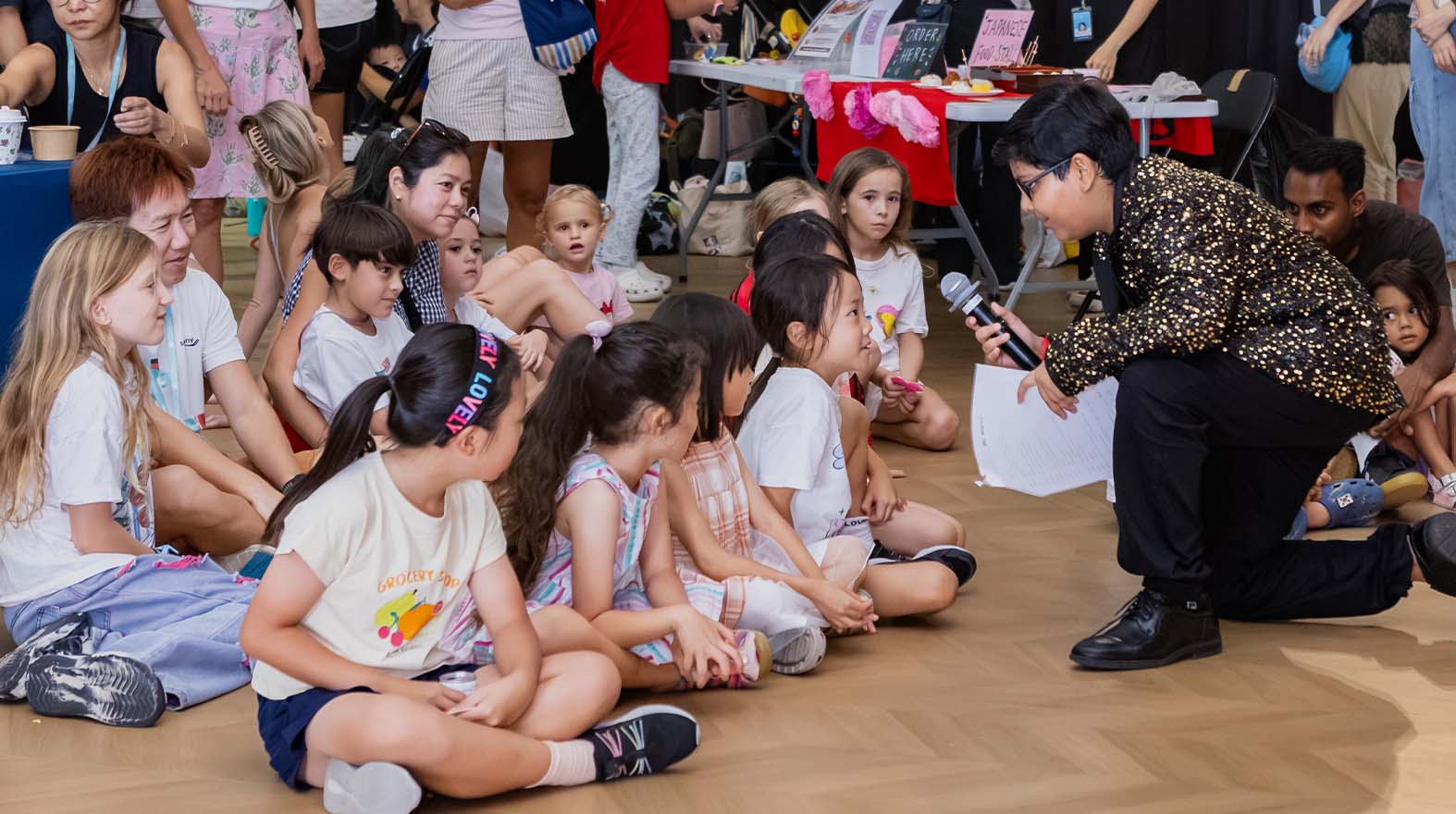
 How Student Voice and Leadership Come to Life at Dover Court
What happens when students are empowered to turn ideas into reality? Discover how Year 9 student Daksh developed leadership, communication and problem-solving skills through a student-led initiative, and how experiences like these help young people develop the human skills needed for the future.
News image ![Why Struggle and Joy Belong Together in Maths | Dover Court International School Singapore - Why Struggle and Joy Belong Together in Maths]() Blog | Academic | Parent Guides
Blog | Academic | Parent Guides
 Blog | Academic | Parent Guides
 Why Struggle and Joy Belong Together in Maths: Reflections from a Parent Workshop
How can we help children develop confidence and enjoyment in mathematics? Following a parent workshop at Dover Court International School, internationally recognised mathematics educator Dr Jennifer Chang Wathall explores the relationship between challenge, resilience and joyful learning.
News image ![Inclusive Education in Singapore: Strong SEN Support and Academic Excellence at DCIS - inclusive-education-singapore-sen-support-academic-excellence]() Blog | Academic
Blog | Academic
 Blog | Academic
 Why Inclusion Creates Better Outcomes for Every Student
Can an inclusive school also deliver strong academic outcomes and provide appropriate stretch and challenge for students working above age-related expectations? At Dover Court International School, we believe the answer is yes. Inclusion is embedded across every aspect of school life, from teaching and learning to wellbeing, personalised support and enrichment. Through our Pathway 2 provision and whole-school commitment to adaptive teaching, students receive the challenge and support they need to thrive.
News image ![Nature as a Classroom: Outdoor Learning in Early Years | Dover Court Singapore - Nature as a Classroom Big Learning from Small Discoveries]() Blog | Early Years | Academic
Blog | Early Years | Academic
 Blog | Early Years | Academic
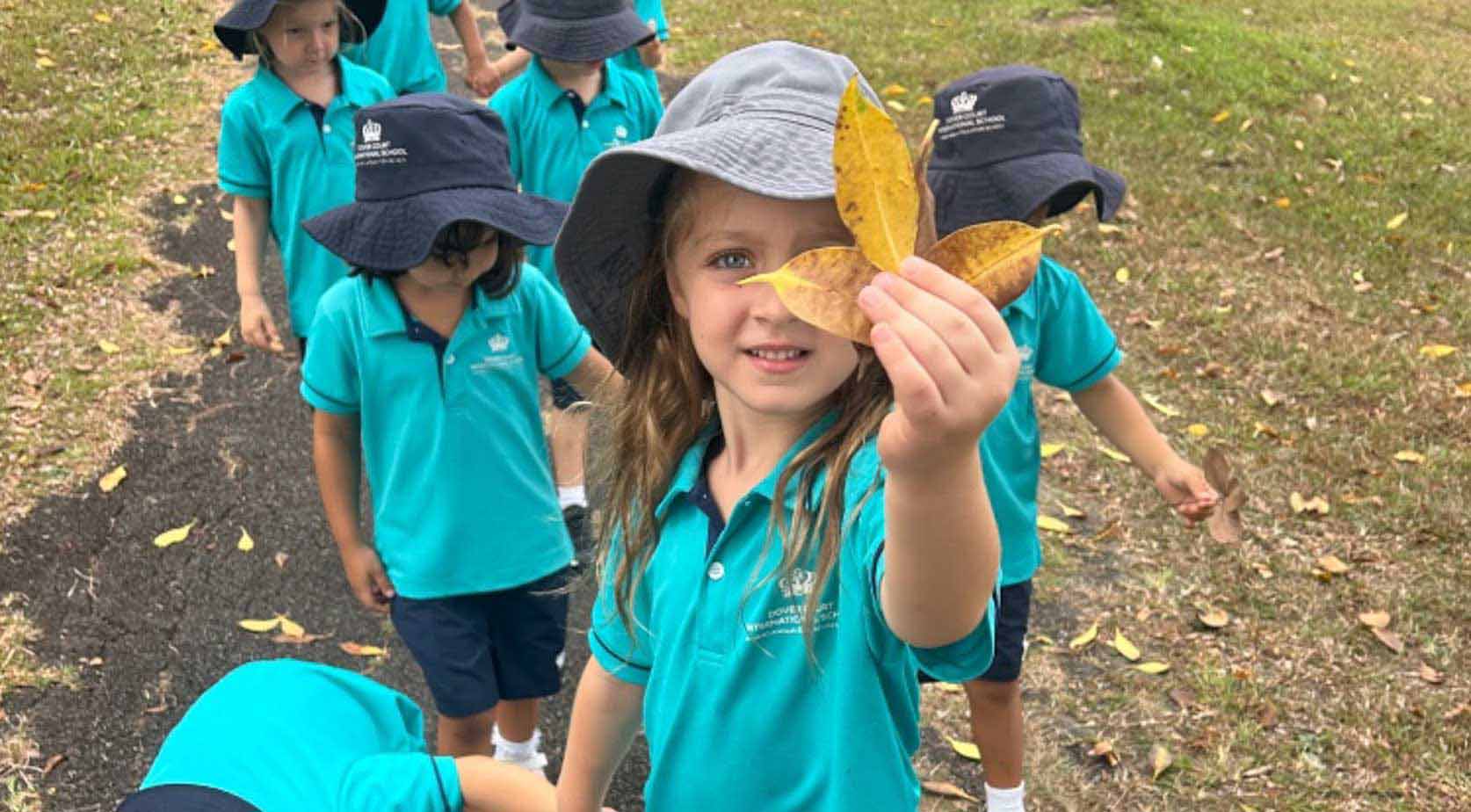
 Nature as a Classroom: Big Learning from Small Discoveries
From collecting leaves and seeds in the park to examining natural objects under microscopes and creating artwork with berries, our Early Years children are discovering that nature is full of opportunities for inquiry, creativity and wonder. Read how outdoor learning and NEST (Nurturing Early Success Together), our Early Childhood Education Programme for children from Nursery to Year 2, help children develop curiosity, confidence and a deeper understanding of the world around them.


