


We use cookies to improve your online experiences. To learn more and choose your cookies options, please refer to our cookie policy.

25 June, 2026
The NAIS Sixth Form Choice Series - Wellbeing Blog
Thriving, Not Just Achieving — Welcoming You to the NAIS Hong Kong Sixth Form Centre
A quiet shift happens in Years 10–11. Family conversations start to move from “What homework do you have?” to “Are you coping? Are you happy? Are you ready for what’s next?” As your child steps into Sixth Form, the questions naturally widen beyond grades to include balance, resilience, and wellbeing.
Our new NAIS Hong Kong Sixth Form Centre in Hung Hom has been designed around exactly that idea: wellbeing is not a soft extra. It is the foundation on which sustained academic success is built.
What we mean by wellbeing in Sixth Form
Wellbeing isn’t simply the absence of stress. It’s the presence of support, balance, and a strong sense of belonging. In Years 12–13, students juggle university applications, rigorous courses, co curricular commitments, and the normal turbulence of late adolescence. With the right structures, pressure becomes purposeful and growth giving; without them, it can feel overwhelming. The NAIS Hong Kong Sixth Form Centre embeds those structures from day one.
Who flourishes here
There is no single “type” of successful Sixth Former, but we consistently see students thrive when three conditions are in place:
- They are genuinely known by their teachers: Small class sizes and a dedicated Sixth Form team mean your child is known as a person, not a data point. When teachers understand strengths, challenges, and aspirations, guidance becomes timely and meaningful.
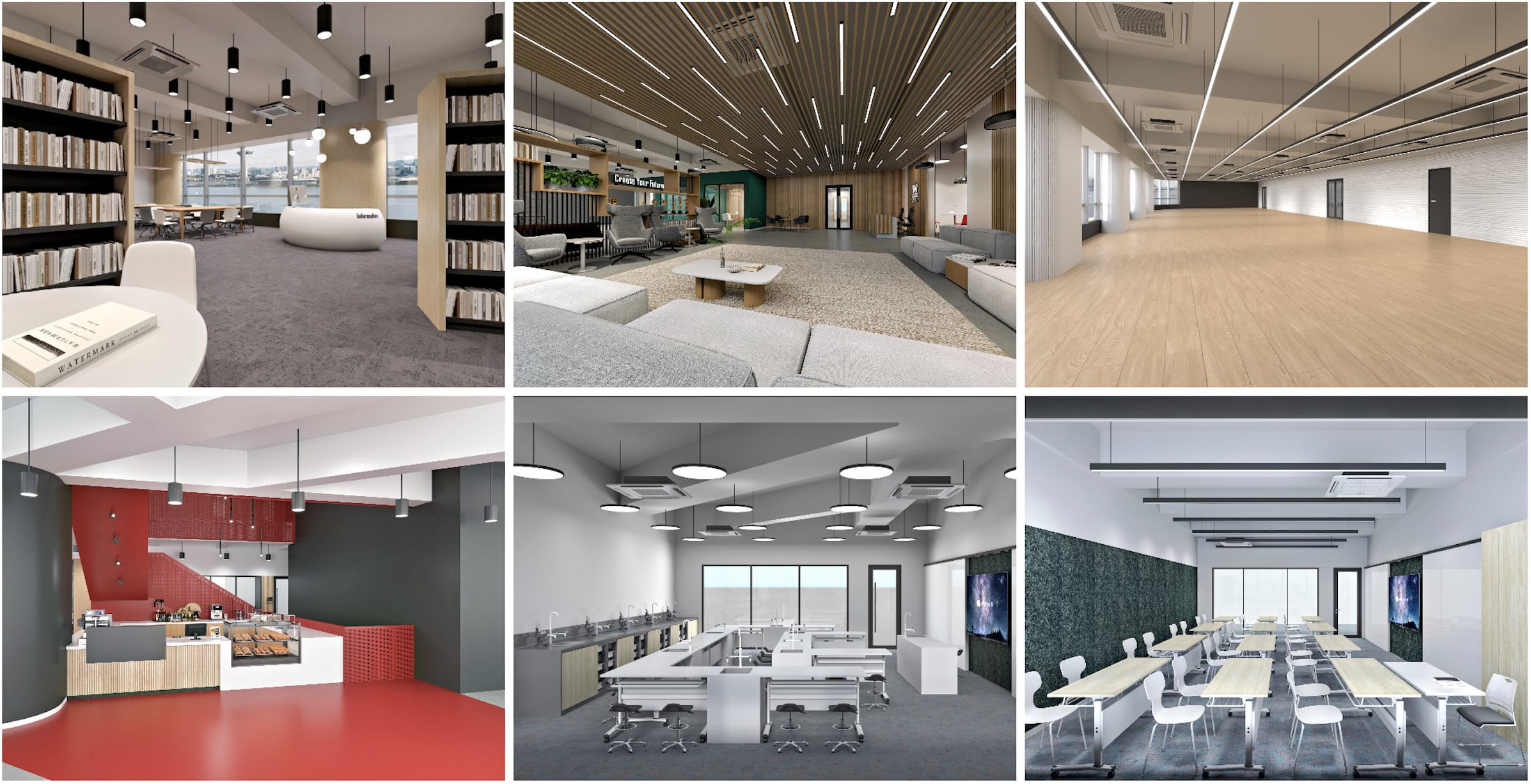
- They have a safe space to think and reset: Our Hung Hom campus balances quiet study areas with collaborative zones. Whether a student needs focused solo time, seminar style discussion, or a short reset, the environment flexes to the moment.
- Their ambitions are taken seriously:From Oxbridge and Russell Group applications to competitive degree apprenticeships, our on site university and careers team works with students throughout Sixth Form. This is an ongoing relationship, not a one off meeting, so support evolves as goals take shape.
Spaces designed for calm, focus, and independence
- Quiet study rooms for deep work and reflection
- Seminar rooms for university style learning
- Dedicated social spaces separate from the main school to signal growing independence
- A timetable that protects both taught lessons and supervised independent study, building sustainable habits
Why wellbeing and achievement rise together
When students feel supported and appropriately challenged, they are more likely to:
- Engage deeply with their subjects
- Persist when learning is difficult
- Approach assessments with confidence
- Make considered decisions about next steps
We see this every day at the NAIS Hong Kong: confidence and connection unlock higher performance.
Understanding the teenage context
A pastoral team that “anchors” students. Adolescence brings real neurological, emotional, and behavioural change. Teenagers may show lower empathy, higher risk taking, and greater focus on friendships—all while managing exam expectations. Stress in assessment periods is normal and often signals that they care. Our role is to help them turn that stress into structured effort, not spirals.
How we support your child
Sixth Form brings independence—and with it, natural distance from parents. Our staff act as steady anchors: calm, consistent adults who keep relationships strong and help students co regulate emotions during high pressure moments. Self compassion over self criticism: Many teens fall into black and white thinking: “If I stumble now, I’ll never get into uni.” We teach students to speak to themselves as they would to a friend, to challenge catastrophising gently, and to return their focus to controllables.
The basics that protect mental health
Stress affects sleep, eating, energy, and mood. We build routines that prioritise:
- Consistent sleep and rest (yes, even over last minute cramming)
- Regular meals and hydration
- Time outside and exercise
- Balanced screen use
Phones — connection and caution
Phones can distract and stress—but also connect. We help students identify what’s helpful, use low pressure channels (like a quick text) to maintain connection, and avoid all or nothing rules that create friction without solving the problem.
Study structures that lower anxiety
- Realistic revision plans with varied methods
- Clear cycles of work–break–reward–rest
- Staff guided routines during study leave to keep momentum without burnout
University and careers guidance with continuity
Our guidance counsellor partners with students across both years, aligning subject choices, enrichment, applications, and interviews. Support is proactive, steady, and personalised—because aims shift as students grow.
Working in partnership with families
Parents know their child best; we see them daily in a different context.We keep communication open so together we spot patterns early, not late. If worries deepen:
- Contact the school to loop in the Sixth Form and pastoral teams
- Seek GP advice when appropriate
What your child can expect in their first weeks
- A warm, structured induction that sets clarity and calm.
- Introductions to key adults: form tutor, Head of Sixth Form, university counsellor, and pastoral staff.
- Orientation to quiet and collaborative spaces—and when to use each.
- Sessions on self compassion, sleep, and study planning.
- Early check ins to personalise targets and support.
What you can expect as parents
- Practical guidance on supporting independence at home (connection before correction).
- Clear points of contact and timely communication.
- Events that demystify applications, interviews, and results pathways.
Ask yourselves
- Does my child feel secure enough here to take academic risks and make mistakes?
- Will they be known as an individual, not just a set of results?
- Will the environment actively prioritise balance, structure, and independence?
Welcome to the NAIS Hong Kong Sixth Form Centre. Let’s help your child not just achieve—but thrive.
Related news
News image ![Secondary Campus Weekly Update 22 Jun 2026 - Secondary Campus Weekly Update 22 Jun 2026]() News
News
 News
News Secondary Campus Weekly Update 22 Jun 2026
As we come to the end of the academic year, I would like to celebrate the many achievements of our school community. Our inaugural Legacy Awards provided a wonderful opportunity to recognise not only academic success, but also the lasting impact students have made through their values and contributions.
News image ![Early Years Campus Weekly Update 22 Jun 2026 - Early Years Campus Weekly Update 22 Jun 2026]() News
News
 News
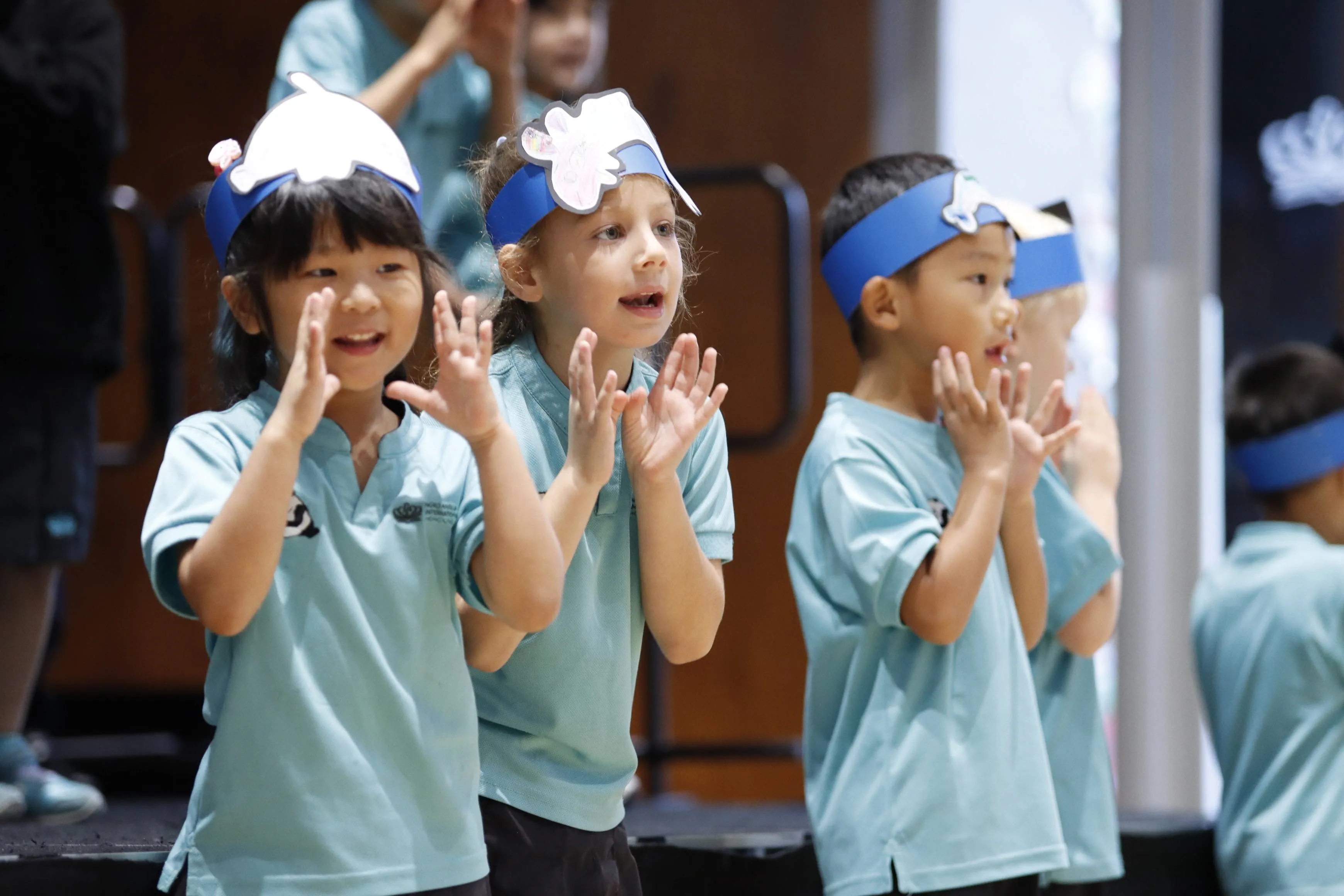
News Early Years Campus Weekly Update 22 Jun 2026
What a truly special and memorable way to bring our academic year to a close. Over the past week, our celebration assemblies have given us the opportunity to pause, reflect, and honour every child—recognising not only their achievements, but the remarkable growth, friendships, and joyful experiences that have shaped their year.
News image ![Primary Campus Weekly Update 22 Jun 2026 - Primary Campus Weekly Update 22 Jun 2026]() News
News
 News
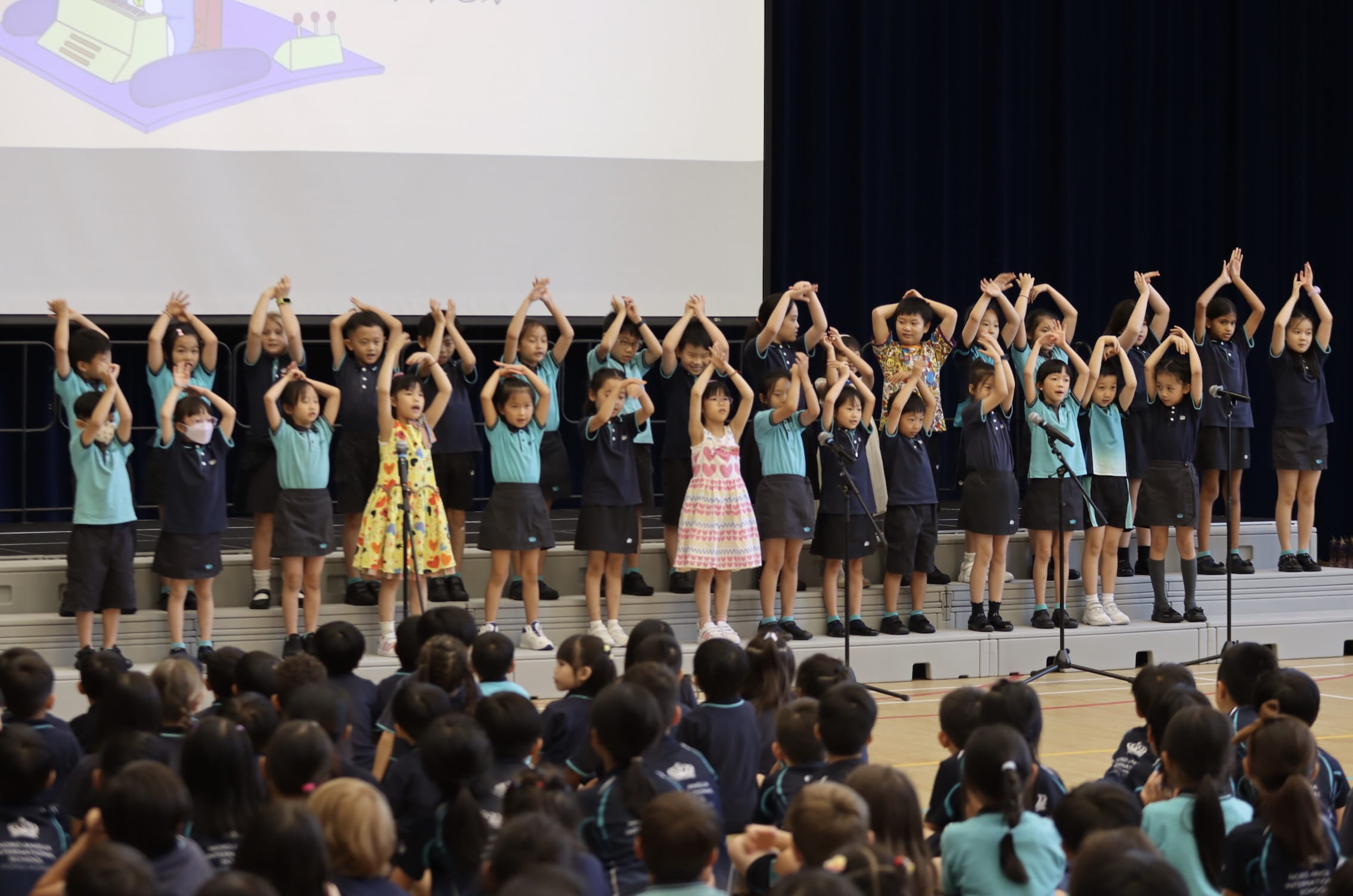
News Primary Campus Weekly Update 22 Jun 2026
As we come to the close of another successful school year, I would like to extend our heartfelt thanks to you all for your continued support, partnership, and trust. Working together as a school community with our PTA, Class Coordinators and wider Parent body has been key to everything we have achieved this year.


