


We use cookies to improve your online experiences. To learn more and choose your cookies options, please refer to our cookie policy.
August 03, 2026
How to Help Your Child Adjust to a New School
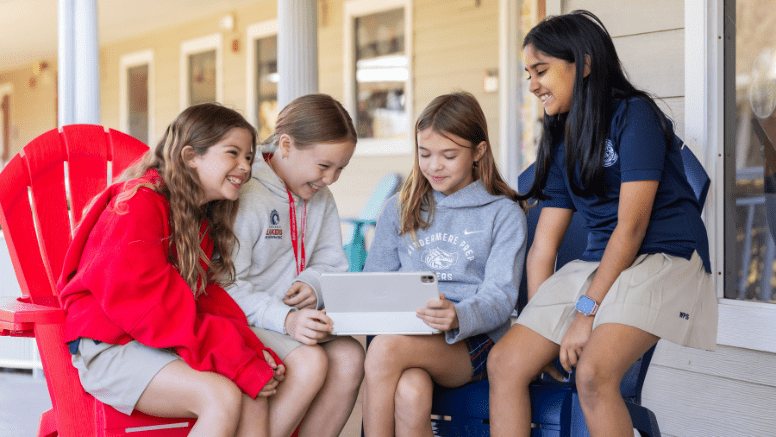
Starting a new school is a big transition at any age. Whether your family is relocating, moving from public to private school, transitioning from homeschool to a traditional classroom, or simply looking for a better educational fit, your child will be navigating new routines, expectations, friendships, and surroundings all at once.
While every student adjusts differently, parents can play an important role in making the transition to a new school feel more manageable and positive.
Prepare for the New Environment
Familiarity can make a new experience feel less intimidating. Before the first day, look for opportunities to help your child become comfortable with their new surroundings.
Attend orientation or back-to-school events, tour the campus, review the daily schedule, and talk through practical details like drop-off, lunch, and where they'll go between classes. For younger students, knowing what to expect can provide reassurance. Older students may also appreciate having the information they need to navigate their first few days independently.
Establish a Consistent Routine
A new school comes with plenty of change, so consistency at home can help provide stability.
Establishing predictable morning, homework, and bedtime routines can help students adjust to new academic expectations while ensuring they're getting enough rest. Give your family time to settle into the new rhythm rather than expecting everything to feel normal immediately.
Encourage Natural Connections
For many students, the biggest concern about changing schools isn't academics. It's making friends.
Encourage your child to participate in activities that genuinely interest them, whether that's athletics, performing arts, robotics, student government, service organizations, or another club. Shared interests provide a natural starting point for friendships and can help a new campus begin to feel like home.
At the same time, remember that meaningful friendships don't always happen during the first week. Give your child space to build connections at their own pace.
Keep the Conversation Open
Ask about more than grades. Who did they sit with at lunch? Is there a teacher they really like? What surprised them? What are they looking forward to?
Regular conversations can help you recognize both the small signs that your child is settling in and areas where they may need additional help. If concerns continue, communicate with teachers, counselors, or school leaders. A strong school community should be a partner in helping new students successfully transition.
Give the Adjustment Time
Even a positive change can take time.
Students may miss friends, teachers, routines, or traditions from their previous school while simultaneously enjoying their new one. Those feelings can coexist. Rather than measuring success by whether your child immediately loves their new school, look for gradual signs of comfort, connection, and confidence.
Changing schools can also offer something valuable: a fresh start. Students have an opportunity to explore new interests, develop greater independence, build new relationships, and discover strengths they may not have recognized before.
What If You're Changing Schools After the School Year Has Already Started?
Families don't always change schools on a traditional academic calendar. A job relocation may happen unexpectedly. A homeschool family may decide their child is ready for a classroom environment. Or, after the school year begins, parents may realize their child's current school simply isn't the right fit.
Changing schools after the first day can feel daunting, but it doesn't necessarily mean you've missed your opportunity.
Many private schools offer rolling admissions when space is available, allowing students to enroll during the academic year. If you're considering a change, contact the admissions team to ask about current availability, application requirements, and how the school supports students who join after the year has begun.
It's also worth asking how new students are integrated socially and academically. The right school should have systems in place to help students understand expectations, meet classmates, connect with teachers, and become part of the community.
Related resource:
How Do You Know If a School Is the Right Fit for Your Child?
Finding Your Place at Windermere Prep
At Windermere Preparatory School, students join our community from across Central Florida and around the world. With more than 50 nationalities represented on campus, welcoming new students is an important part of who we are.
From orientation and student activities to athletics, fine arts, clubs, service opportunities, and academic support, students have many ways to build connections and discover where they belong.
For families considering a private school in Orlando, it's important to remember that there isn't one "right" time to make a change. If your child's current educational environment isn't meeting their needs, exploring other options can be the first step toward finding a school where they can learn, connect, and thrive.
Ready for a new academic environment for your child?
Connect with our admissions team today.
Related news
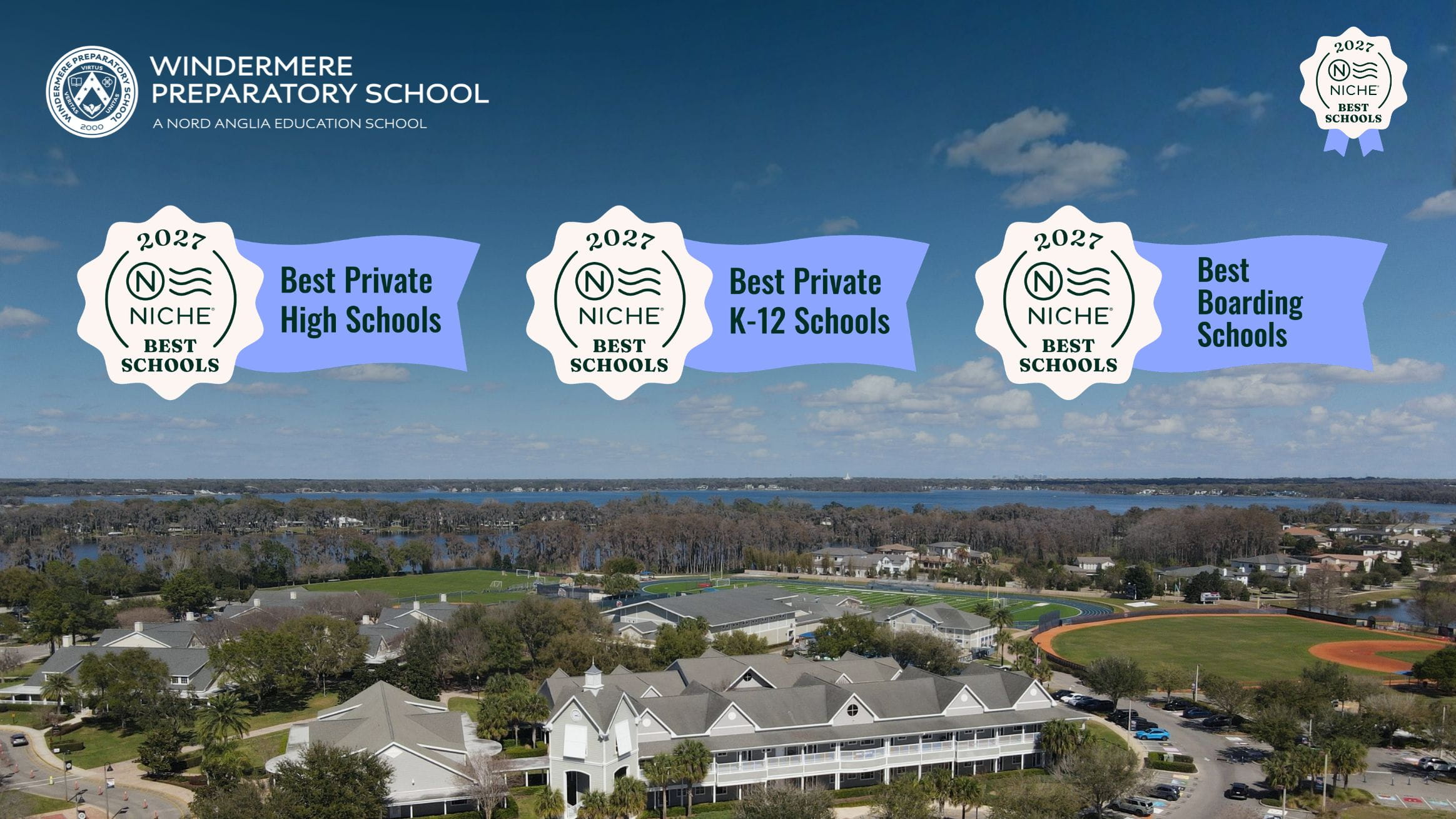
News image ![Aerial view of Windermere Preparatory School featuring 2027 Niche Best Schools recognition for Private High Schools, Private K-12 Schools, and Boarding Schools.]() News
News
 News
News Windermere Prep Ranked #1 Best Private High School in Orange County in Niche 2027
Windermere Preparatory School maintains its #1 private school rankings in Orange County for the fourth consecutive year, with additional recognition among the top private and boarding schools nationwide.
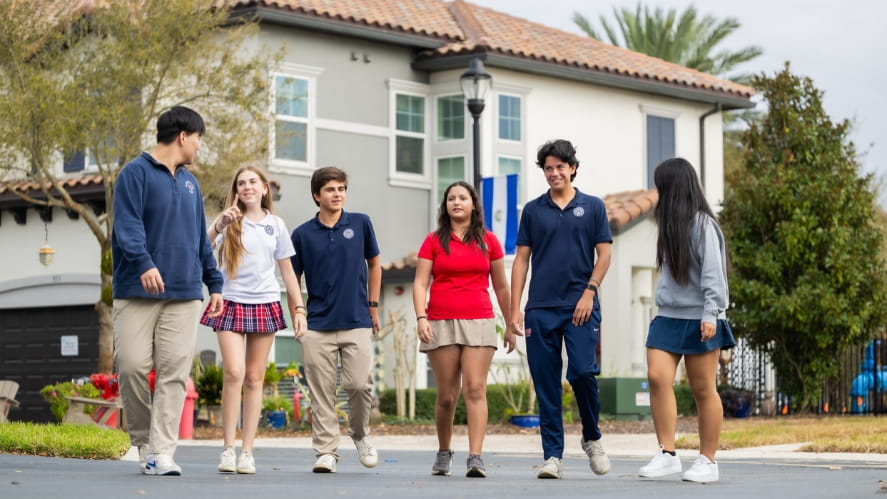
News image ![Windermere Preparatory School boarding students walking together through the residential life community in Orlando, Florida.]() Blog
Blog
 Blog
Blog Why Choose a Boarding School in Florida? A Unique Educational Experience in Orlando
Discover the benefits of boarding school in Florida, where academic excellence, world-class opportunities, and vibrant student life come together in Orlando.

.svg?rev=9fe0e392449346898bfb5359a1712c74&hash=2E8D39D3559552B6E795631213A05C02)

.svg?rev=c1fad1a5d67c42c181bab95cecd7c167&hash=1870839504BB90C30A203B0F1EEDAE8E)
