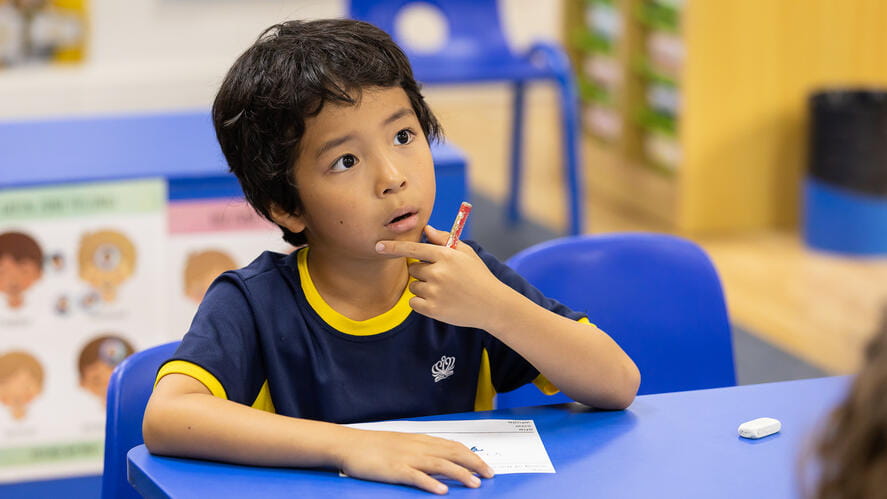


13 October, 2026
Choosing an International School? 5 Questions to ask first
.jpg?h=499&iar=0&w=887&rev=1be910b57b6d4c0ab806b10acefd323a&hash=1BED00FCB6185EB2C9A988F33FCD9D53)
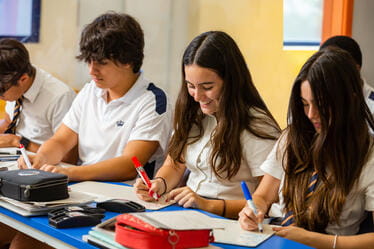
A PERSONALISED JOURNEY TO SUCCESS
At The British College of Brazil, we put students' best interests at the heart of everything we do. Contact our Admissions team today to discover how our teachers will tailor your child’s journey – preparing them for success, no matter what the future brings.
Enquire nowYou’ve shortlisted a few international schools in São Paulo. They all teach in English. They all offer qualifications recognised around the world. So what will really make the difference for your child?
Often, it’s something a prospectus can’t show you: how international your child’s everyday experience will be. Here’s what a global perspective means, why it matters, and five questions to take on every school visit.
What is a global perspective?
A global perspective isn’t about knowing capital cities or celebrating world festivals once a year.
It’s the habit of looking at an idea from more than one point of view. It means being curious about people whose lives differ from your own, asking thoughtful questions and knowing there is often more than one way to solve a problem.
These habits start early. They grow every time a child shares a project, a playground or a lunch table with someone who sees the world differently.
Why it matters for your child
Your child is growing up in a world where studying, working and collaborating across borders is normal. A global perspective helps them:
•Listen and understand, considering ideas beyond their own experience.
•Communicate with confidence across languages and cultures.
•Think critically, by questioning assumptions and weighing different views.
•Build empathy for experiences different from their own.
•Adapt with ease, whether joining a new school, studying abroad or working in an international team.
These aren’t extras to academic learning. They shape how children approach every subject, and they strengthen future pathways too. BCB graduates have gone on to universities including Dartmouth, Johns Hopkins and King’s College London.
What it looks like at BCB
At The British College of Brazil, a global perspective isn’t a topic on the timetable. It’s the community your child joins on day one.
50% of our students are international · 38+ nationalities · 75% of our teachers are international.
Learning that connects to the world. In primary, the International Primary Curriculum builds learning around big themes. Instead of studying subjects in isolation, children explore real questions, such as how people use water or how inventions change lives, and discover how different countries approach them. This continues through IGCSE and the IB Diploma Programme.
A strong sense of home. Being globally minded doesn’t mean losing touch with where you live. At BCB, international curricula are taught alongside Brazilian history, culture and geography, so children grow up confident in both worlds.
Teachers who bring the world with them. Our international teachers share their own experience of different countries and classrooms. Every culture is respected and explored.
Opportunities beyond our walls. As part of Nord Anglia Education, BCB students can take part in collaborations with organisations such as MIT, Juilliard and UNICEF, alongside students from Nord Anglia schools worldwide.
A moment from our classrooms. In Mr Lindhorst’s Year 4 class, children have been exploring Learning Around the World. It’s part of a metacognition unit in the International Primary Curriculum, where children step back and think about how they learn best. To see learning through other people’s eyes, they became interviewers at home, asking parents and grandparents about their own school days.
Families shared memories, old photos and even school items from their childhood. Back in class, children compared the stories and discovered how much education has changed over time, and how differently children learn across countries and cultures. In a community as diverse as ours, those stories reached far beyond Brazil.
By exploring how others learned, children reflect on their own learning too. It’s a habit that helps them become more independent, confident learners, in Year 4 and long after.
The result? Children don’t just learn about the world. They learn to see themselves as part of it.
5 questions to ask on your school visit
Take these with you when you compare schools. A great school will answer each one with real examples, not slogans.
1.Who will my child learn alongside? Look at the diversity of students and teachers, not just the flags in the brochure.
At BCB: half our students are international, from [38+] nationalities, and three in four teachers are international.
2.How does the curriculum connect children to the wider world? Ask how students explore global issues at every age.
At BCB: theme-based learning in primary leads into IGCSE and the IB Diploma.
3.Is learning connected to real life? Find out whether children use what they learn beyond the classroom.
At BCB: Nord Anglia collaborations with MIT, Juilliard and UNICEF bring real-world challenges into school.
4.Will my child stay connected to Brazil? An international education should strengthen a sense of home, not replace it.
At BCB: Brazilian history, culture and geography are part of everyday learning.
5.What does “global citizen” mean here, day to day? Ask for examples of how children build curiosity, empathy and confidence.
At BCB: come and see it in our classrooms.
See it for yourself
The best way to judge a school is to see an ordinary day. From the Early Years to the IB Diploma, every child at BCB follows a personalised journey, in a community that brings the world into the classroom.
Bring your five questions. Meet our students and teachers.
Book your visit to BCB
Related news
News image ![Image_The_British_College_Of_Brazil_2025_24573]() Blog | Global Education | globaleducation
Blog | Global Education | globaleducation
 Blog | Global Education | globaleducation
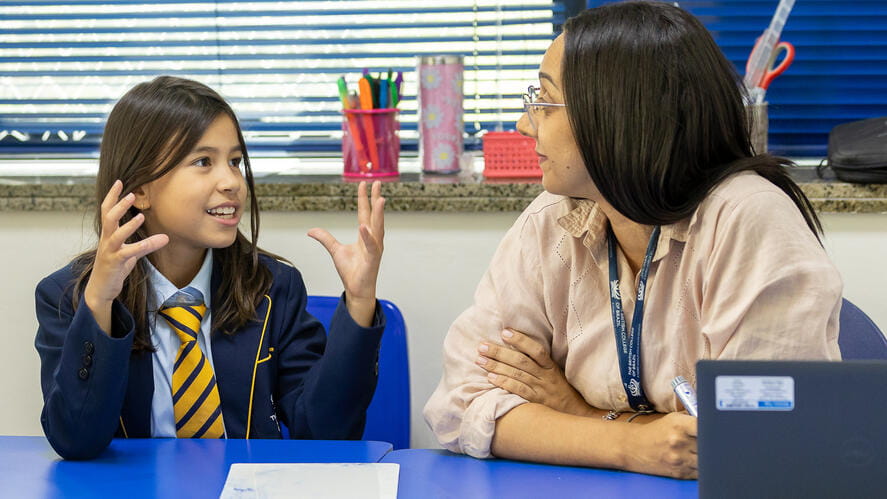
 Choosing an International School in São Paulo, What Really Matters?
Choosing an international school is about more than studying in English. Discover what to consider when it comes to curriculum, teaching, wellbeing, global opportunities and your child’s future
News image ![Image_The_British_College_Of_Brazil_2025_27328]() Blog | Global Education | globaleducation | SecondaryBlog
Blog | Global Education | globaleducation | SecondaryBlog
 Blog | Global Education | globaleducation | SecondaryBlog
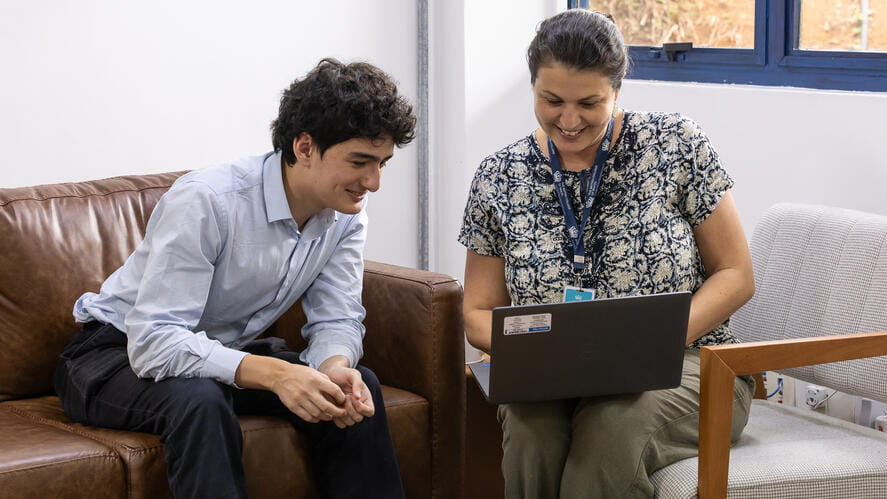
 What Does Success Really Look Like in Education Today
What Does Success Really Look Like in Education Today
News image ![Image_The_British_College_Of_Brazil_2025_25072]() Blog | Global Education | Secondary Blog | SecondaryBlog
Blog | Global Education | Secondary Blog | SecondaryBlog
 Blog | Global Education | Secondary Blog | SecondaryBlog
 How to apply to universities abroad: a complete guide for families
Studying abroad is an increasingly popular choice for Brazilian students. This guide explains how early preparation, personalised university counselling and global opportunities help students successfully apply to top universities overseas.