


We use cookies to improve your online experiences. To learn more and choose your cookies options, please refer to our cookie policy.
14 April, 2026
Why the early years matter more than many parents realise
.jpg?h=5464&iar=0&w=8192&rev=d83192de7f26442493b3f68c5b1ee5dd&hash=568A633A08EEE1078E87A92D9C421296)
For many families, early childhood education can feel like a gentle introduction to school life. A place where children play, have fun, and make new friends.
But this perception often misses something important.
The early years are not simply fun before the “real learning” begins. They are where the foundations for all future learning are built. What children develop at this stage shapes how they think, communicate, and engage with school for years to come.
At the British International School Ho Chi Minh City, the early years are treated as a critical phase of development, where key skills are intentionally built through structured play, interaction, and experience.
The skills that matter most come early
Academic success in later years depends on a set of foundational skills developed early on.
These are not subject-specific. They are the skills that allow children to access learning in the first place.
Grace Maling, Head of Foundation Stage 2 shares some of these foundational skills:
“Independence, communication, social interaction, and self-regulation are developed from the earliest years and underpin all future learning.”
Children learn how to:
- follow routines and manage themselves independently
- listen, understand, and communicate effectively
- interact with others, take turns, and negotiate
- manage emotions and respond to change
These skills are essential. Without them, even strong academic teaching later on becomes harder to access.
Why play is central to learning
One of the most common misconceptions is that play and learning are separate.
In reality, play is how young children learn.
At BIS Ho Chi Minh City, play-based learning is structured and purposeful. It is used to develop language, thinking, and social understanding.
“Play is one of the most powerful ways to develop language and communication, allowing children to explore ideas and interact meaningfully with others,” explains Grace.
Through play, children:
- experiment with language
- test ideas and solve problems
- engage in conversations
- build understanding of the world around them
This is not unstructured activity. It is carefully designed to support development across the seven key developmental areas of the Early Years Foundation Stage curriculum.
Building language as a foundation for learning
Language development is one of the most important outcomes of early childhood education.
At BIS HCMC, this is supported through a language-rich environment where children are exposed to stories, rhymes, and meaningful interactions.
“We develop language through high-quality interactions, storytelling, and repeated exposure to key vocabulary in engaging contexts,” adds Grace.
Teachers use:
- core stories and focus rhymes
- visual prompts and structured environments
- guided play based on children’s interests
This ensures that children are not only hearing language, but actively using it.
Strong language skills allow children to:
- understand instructions
- express their feelings and ideas
- engage in learning more confidently
- interact with peers and make friends
Social skills as a driver of long-term success
Learning is a social experience. Children need to be able to interact positively with others in order to engage fully in school. This includes taking turns, sharing ideas, and working collaboratively.
“Developing social skills in the early years prepares children for success throughout their school journey,” shares Grace.
At BIS HCMC, these skills are embedded into daily experiences. Through games, group activities, and shared routines, children learn how to:
- cooperate with others
- resolve conflict
- make positive choices
The school’s core values are introduced early, helping children understand how to interact respectfully and confidently.
Confidence built through early success
When children develop these foundational skills, they gain confidence.
They feel more capable, more willing to engage, and more prepared to take on new challenges. This confidence carries through into later stages of education.
“Children who feel confident in their early years are more likely to engage, persevere, and succeed as they progress through school,” adds Grace.
This is why the early years have such a lasting impact.
A different way to think about value
For parents, it is easy to focus on what comes later, exams, subjects, and university pathways. But the ability to succeed in those stages depends heavily on what happens at the beginning.
At the British International School Ho Chi Minh City, the early years are not seen as preparation for learning. They are the core foundations for learning. By focusing on independence, communication, social development, and language, the school ensures that children are equipped with the skills they need to thrive long-term.
For parents, this provides reassurance that early education is not just about settling in, but about building the foundations for future success.
Parents who would like to explore the Early Years programme at BIS HCMC are always welcome to speak with the academic team and see how these principles are embedded in daily practice.
Related news
News image ![BIS HCMC IGCSE Students Secure Outstanding Results with 1 in 3 Grades at A* - IGCSE Results 2026]() News | Academic Results
News | Academic Results
 News | Academic Results
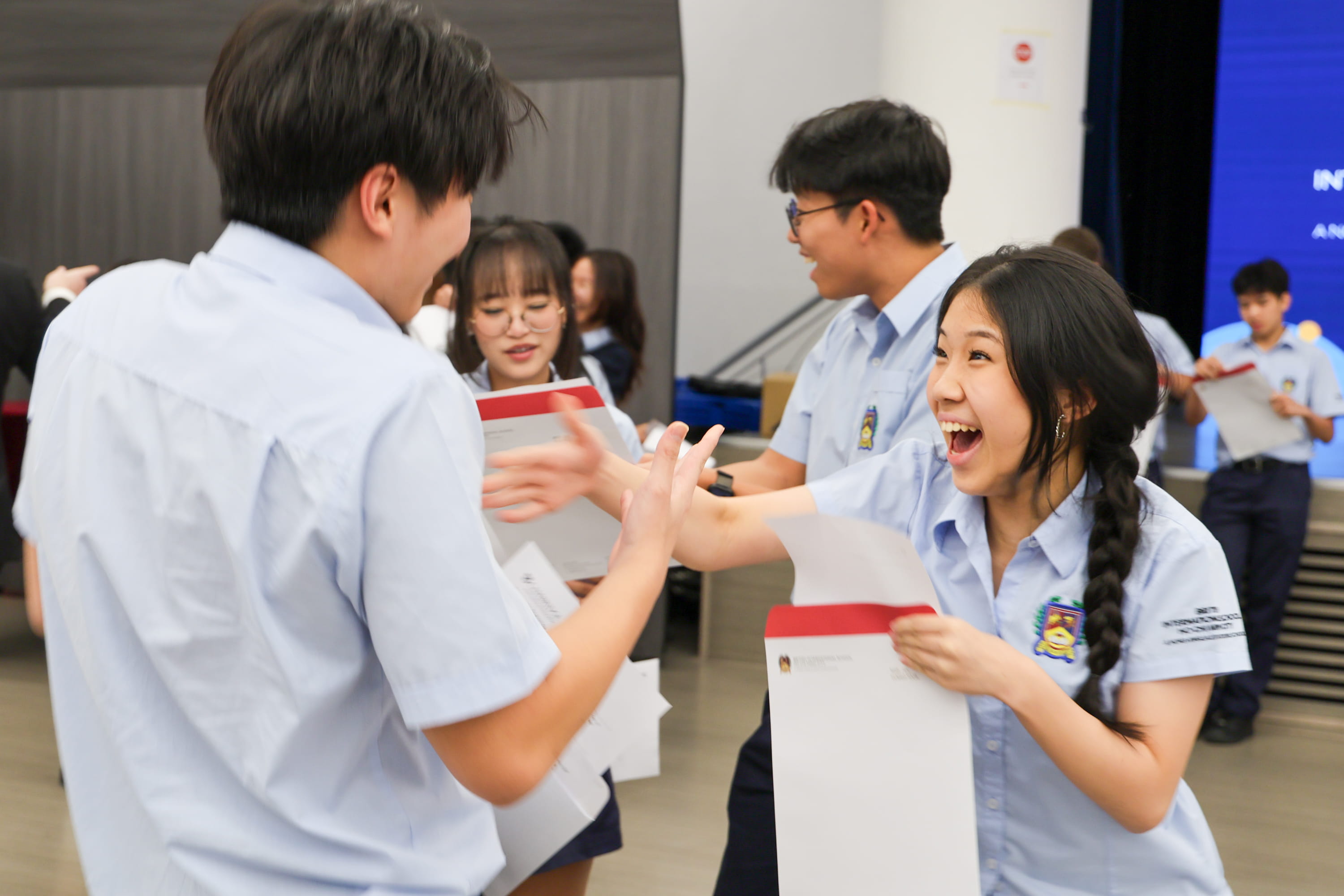
 BIS HCMC IGCSE Students Secure Outstanding Results with 1 in 3 Grades at A*
It’s that time of year again! Our current Year 12s gathered in the Auditorium to open those all-important IGCSE results. This year's group of 153 students completed an extraordinary 1,410 exam entries. Congratulations to the IGCSE Class of 2026, who, before you know it, will be our graduating Class of 2028!
News image ![Celebrating 20 Years of IBDP Excellence Congratulations to the BIS HCMC Class of 2026 - Celebrating 20 Years of IBDP Excellence Congratulations to the BIS HCMC Class of 2026]() News | Academic Results
News | Academic Results
 News | Academic Results
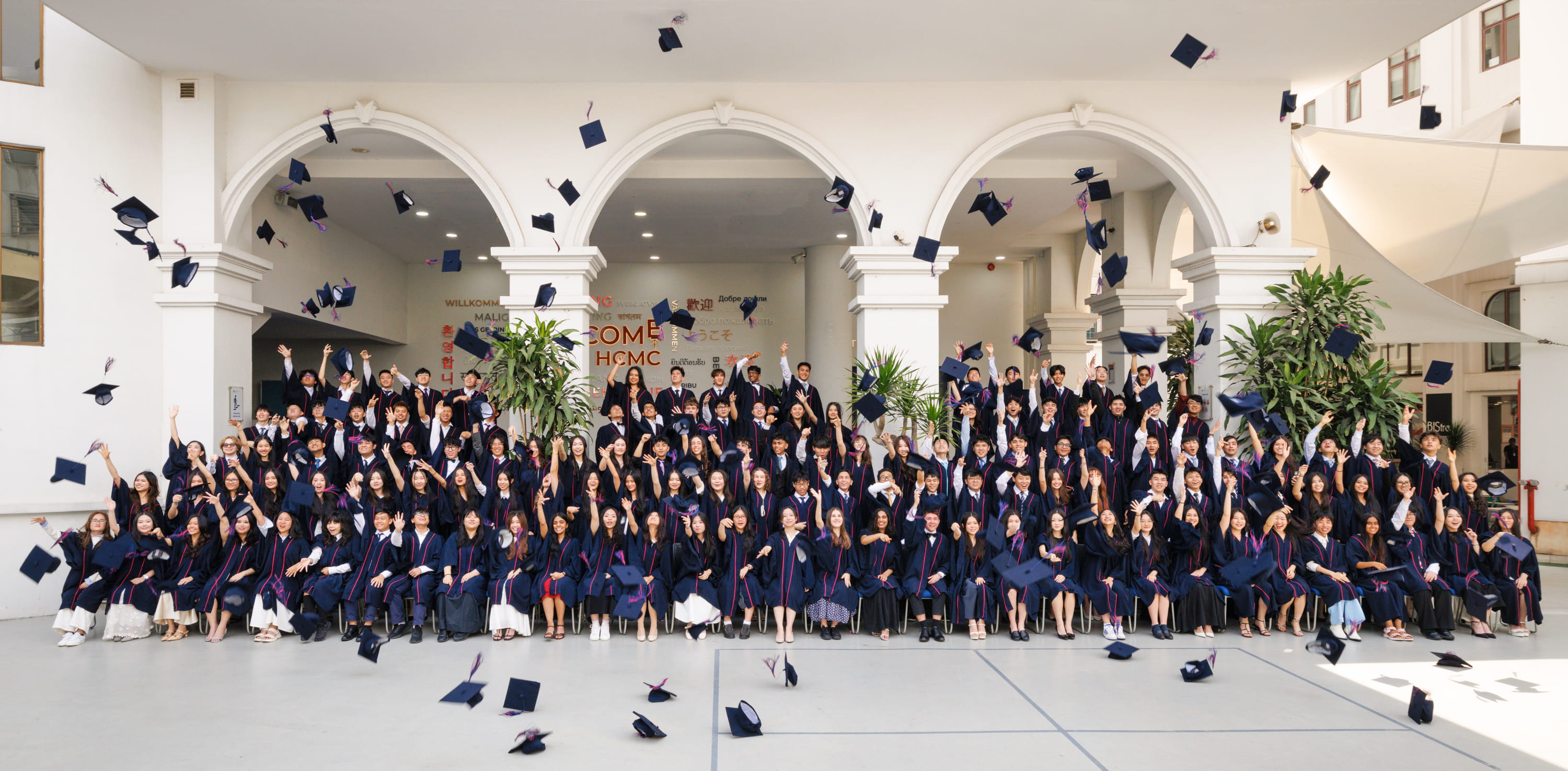
 Celebrating 20 Years of IBDP Excellence: Congratulations to the BIS HCMC Class of 2026
We are incredibly proud to announce the International Baccalaureate Diploma Programme (IBDP) results for the BIS HCMC Class of 2026. Our 20th graduating cohort, and our largest to date with over 120 students taking the full diploma, has once again far surpassed global averages, demonstrating immense hard work, commitment, and resilience.
News image ![The Duke of Edinburghs International Award at BIS HCMC - From Mountain Trails to Lifelong Skills - The Duke of Edinburghs International Award at BIS HCMC - From Mountain Trails to Lifelong Skills]() Blog | Co-Curricular Activities | Expeditions | Learning (SC)
Blog | Co-Curricular Activities | Expeditions | Learning (SC)
 Blog | Co-Curricular Activities | Expeditions | Learning (SC)
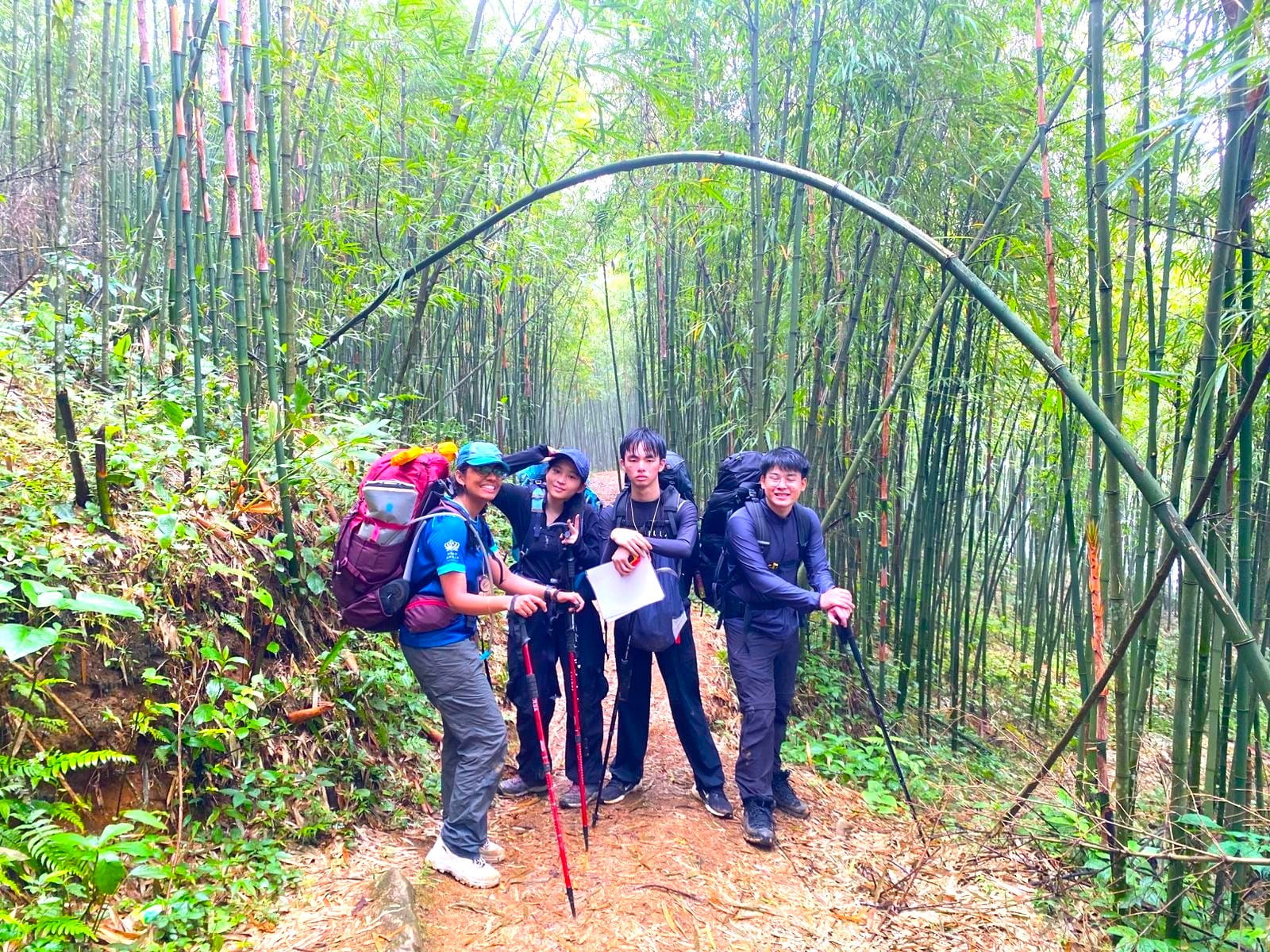
 The Duke of Edinburgh’s International Award at BIS HCMC: From Mountain Trails to Lifelong Skills
From Bronze in Year 10 to Gold in Year 12, The Duke of Edinburgh’s International Award takes BIS HCMC students far beyond the classroom. From the forests of Bidoup-Núi Bà National Park to the rice paddies of Mai Chau and the mountains of Sa Pa, students develop resilience, teamwork and independence through one of the world’s most respected youth achievement programmes.
News image ![BIS HCMC and FOBISIA - A Partnership That Opens Doors Across Asia - BIS HCMC and FOBISIA - A Partnership That Opens Doors Across Asia]() Blog | FOBISIA | Sports | Music and Drama | Student Learning | Continued Professional Development
Blog | FOBISIA | Sports | Music and Drama | Student Learning | Continued Professional Development
 Blog | FOBISIA | Sports | Music and Drama | Student Learning | Continued Professional Development
 BIS HCMC and FOBISIA - A Partnership That Opens Doors Across Asia
For more than 20 years, BIS HCMC's partnership with FOBISIA has created exceptional opportunities for thousands of BIS students across Asia, while supporting the professional growth of our staff and strengthening our place within one of the region's leading British international school networks.


