


We use cookies to improve your online experiences. To learn more and choose your cookies options, please refer to our cookie policy.
14 April, 2026
Why feeling safe and known helps young children thrive at school

Starting school is a significant milestone in a young child’s emotional development.
New environments, new people, and new routines can feel overwhelming at first. When children feel uncertain, their attention is drawn to the environment rather than new experiences. That’s why, in the early years, what matters most is not only what children learn, but how they feel: safe, supported, and ready to explore.
For schools and kindergartens in Ho Chi Minh City, the challenge lies in creating a gentle transition that gives children the time they need to settle emotionally.
At The British International School of Ho Chi Minh City (BIS HCMC), this sense of security is built intentionally. It is the foundation that allows children to grow in confidence, engage with learning, and begin to thrive.
Supporting a confident start to school
At BIS Ho Chi Minh City, teachers prioritise emotional wellbeing from the very beginning.
Starting school is a significant transition, and how it is managed can shape a child’s foundations.
At BIS HCMC, structured settling-in programmes in Early Years help children adjust gradually. This may include allowing a trusted adult to stay in class during the initial period, helping children feel secure as they adapt.
Clare Lowson, Head of Foundation Stage 1 explains how personalised these programmes are:
“Settling-in programmes are adapted to each child, ensuring they feel safe, supported, and ready to engage.”
Staggered entry is also a part of the settling in period, starting children with shorter sessions and gradually building up to a full schedule.
Individual support for each child
Every child responds differently to a new environment.
At BIS HCMC, support is personalised to meet individual needs. Teachers adapt settling-in processes based on how each child is responding, ensuring that support is appropriate and effective.
“Teachers show care and compassion, taking the time to know each child as an individual so that trust can develop naturally. Individualised support allows each child to settle at their own pace, building confidence without pressure,” explains Clare.
This individual approach ensures that children feel recognised, understood, and valued.
Over time, this sense of safety becomes the foundation for both confidence and academic development.
Communication with parents is also a key part of this process. Teachers work closely with families to understand each child’s interests and needs, providing regular updates on how they are settling.
Simple actions, such as displaying family photos in the classroom, help children feel connected to home while they adjust to their new environment.
Building trust through relationships
Trust is built through consistent and meaningful relationships.
Teachers at BIS HCMC invest time in understanding each child’s interests, personality, and needs. This allows them to respond in ways that feel familiar and reassuring.
Consistency plays an important role. Familiar routines and stable staffing help children understand what to expect, reducing uncertainty.
Children also observe the relationships around them. They see how their teachers interact with their family, other teachers, and other students, which helps them understand that the environment is safe and supportive.
“Children learn to trust through the relationships they see and experience, both with teachers and within the wider classroom,” shares Clare.
Teachers often take on the role of play partners, engaging with children in ways that feel natural and accessible. This helps build connection and encourages children to feel comfortable in their new environment.
Creating a sense of belonging
As children become more comfortable, their sense of belonging begins to grow.
They start to recognise routines, build relationships, and engage more confidently with their surroundings. This sense of belonging is essential for long-term development.
When children feel that they are part of a community, they are more willing to explore, try new things, and interact with others.
Over time, this supports both social and academic growth.
A foundation for long-term confidence
The early experience of school has a lasting impact.
Children who feel safe and supported are more likely to develop confidence, resilience, and a positive attitude towards learning. These qualities support their progress throughout their education.
At The British International School of Ho Chi Minh City, this foundation is built carefully through relationships, routines, and personalised support.
For parents, this provides reassurance that their child will not only settle into school, but will continue to thrive as they grow.
Parents who would like to understand more about how BIS HCMC supports young children are always welcome to speak with the academic team and explore how these approaches are embedded across the school.
Related news
News image ![BIS HCMC IGCSE Students Secure Outstanding Results with 1 in 3 Grades at A* - IGCSE Results 2026]() News | Academic Results
News | Academic Results
 News | Academic Results
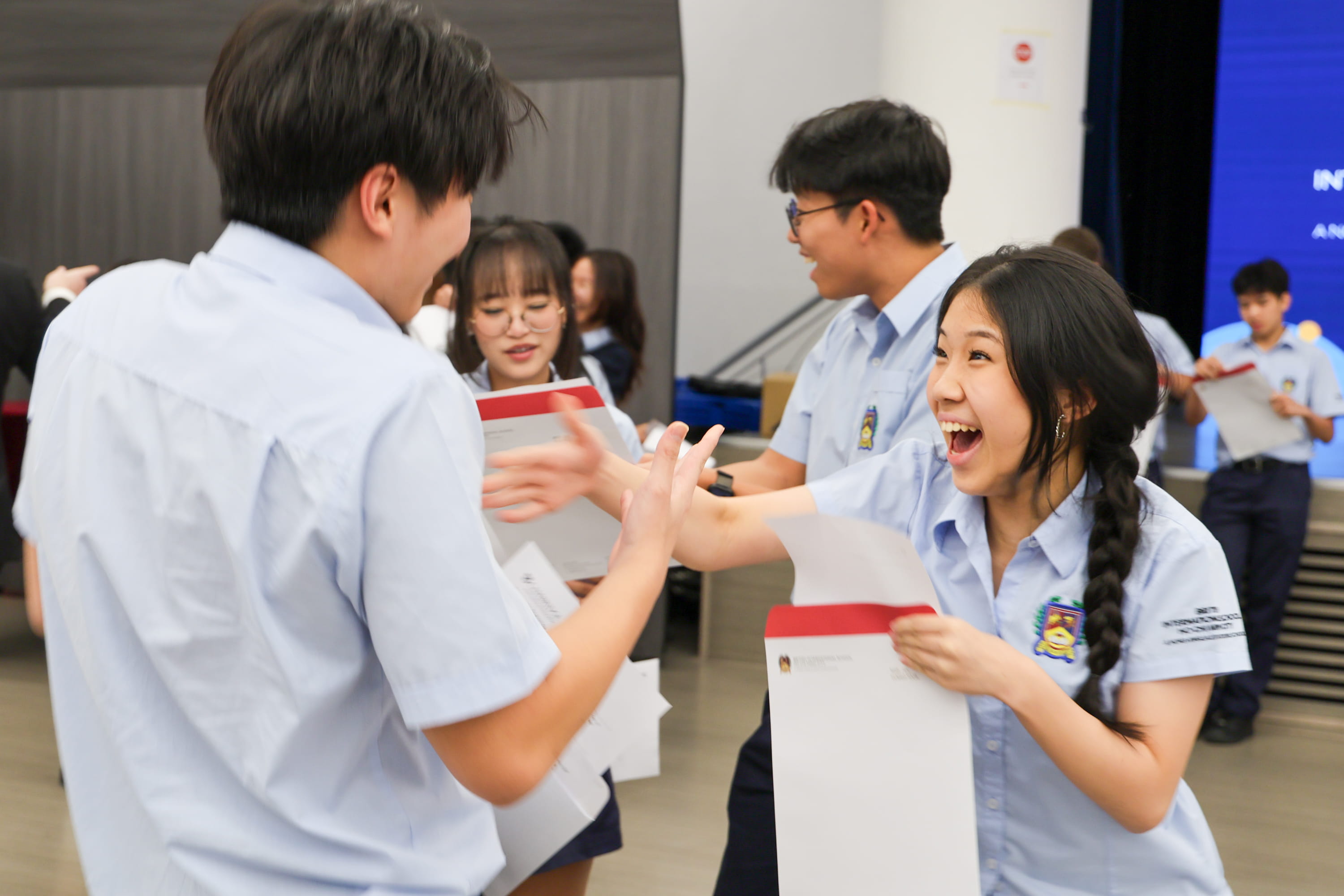
 BIS HCMC IGCSE Students Secure Outstanding Results with 1 in 3 Grades at A*
It’s that time of year again! Our current Year 12s gathered in the Auditorium to open those all-important IGCSE results. This year's group of 153 students completed an extraordinary 1,410 exam entries. Congratulations to the IGCSE Class of 2026, who, before you know it, will be our graduating Class of 2028!
News image ![Celebrating 20 Years of IBDP Excellence Congratulations to the BIS HCMC Class of 2026 - Celebrating 20 Years of IBDP Excellence Congratulations to the BIS HCMC Class of 2026]() News | Academic Results
News | Academic Results
 News | Academic Results
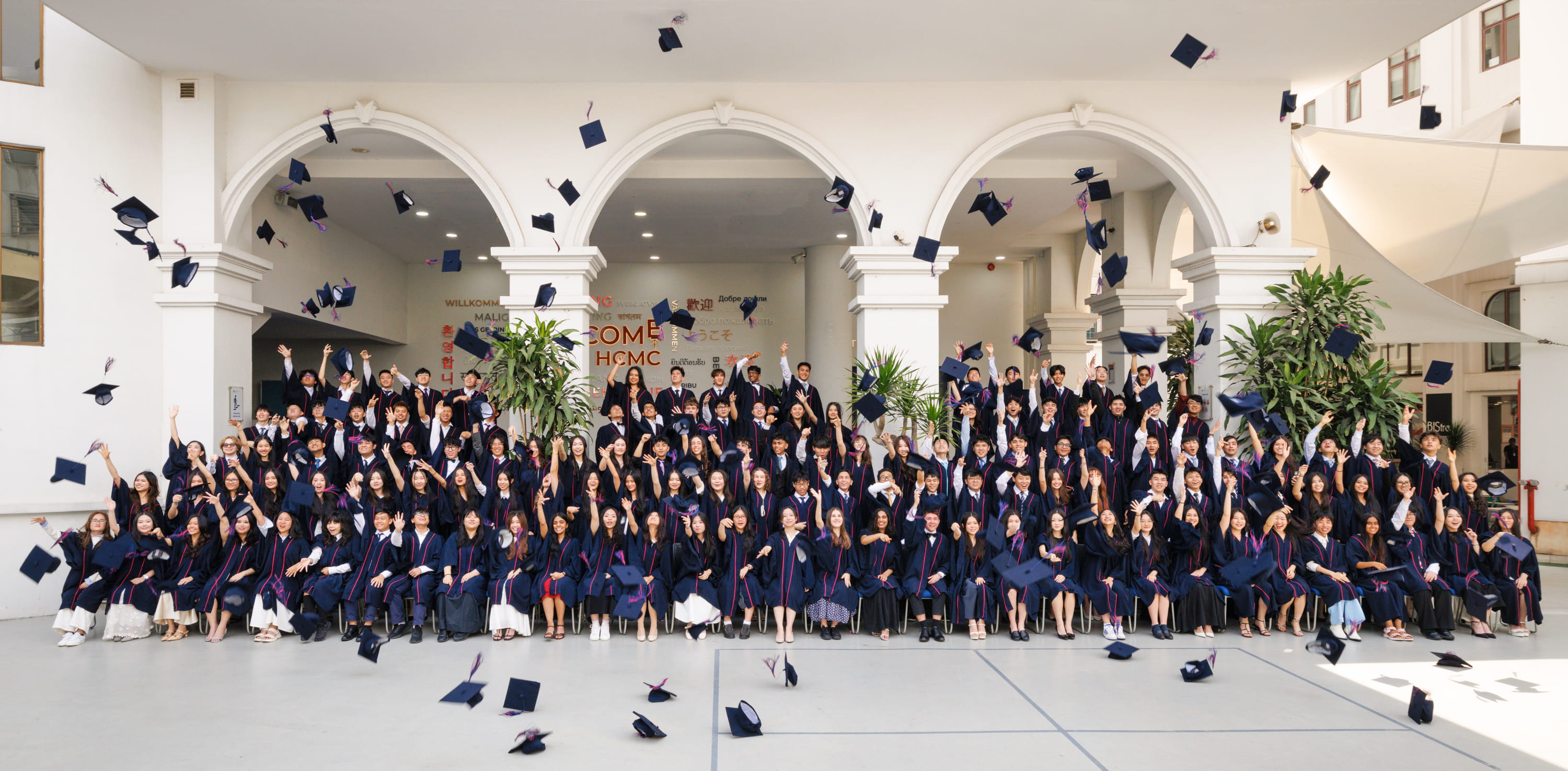
 Celebrating 20 Years of IBDP Excellence: Congratulations to the BIS HCMC Class of 2026
We are incredibly proud to announce the International Baccalaureate Diploma Programme (IBDP) results for the BIS HCMC Class of 2026. Our 20th graduating cohort, and our largest to date with over 120 students taking the full diploma, has once again far surpassed global averages, demonstrating immense hard work, commitment, and resilience.
News image ![The Duke of Edinburghs International Award at BIS HCMC - From Mountain Trails to Lifelong Skills - The Duke of Edinburghs International Award at BIS HCMC - From Mountain Trails to Lifelong Skills]() Blog | Co-Curricular Activities | Expeditions | Learning (SC)
Blog | Co-Curricular Activities | Expeditions | Learning (SC)
 Blog | Co-Curricular Activities | Expeditions | Learning (SC)
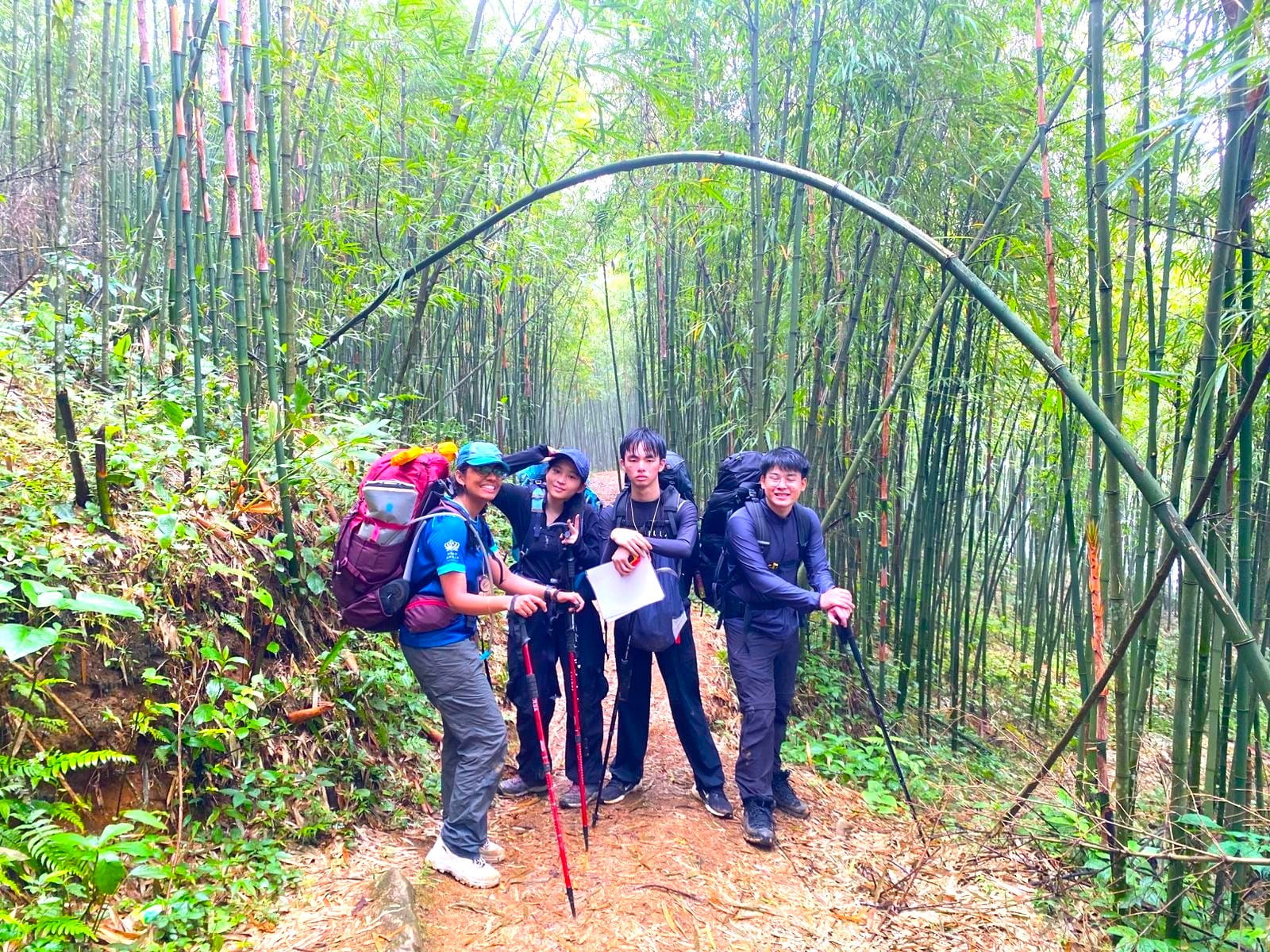
 The Duke of Edinburgh’s International Award at BIS HCMC: From Mountain Trails to Lifelong Skills
From Bronze in Year 10 to Gold in Year 12, The Duke of Edinburgh’s International Award takes BIS HCMC students far beyond the classroom. From the forests of Bidoup-Núi Bà National Park to the rice paddies of Mai Chau and the mountains of Sa Pa, students develop resilience, teamwork and independence through one of the world’s most respected youth achievement programmes.
News image ![BIS HCMC and FOBISIA - A Partnership That Opens Doors Across Asia - BIS HCMC and FOBISIA - A Partnership That Opens Doors Across Asia]() Blog | FOBISIA | Sports | Music and Drama | Student Learning | Continued Professional Development
Blog | FOBISIA | Sports | Music and Drama | Student Learning | Continued Professional Development
 Blog | FOBISIA | Sports | Music and Drama | Student Learning | Continued Professional Development
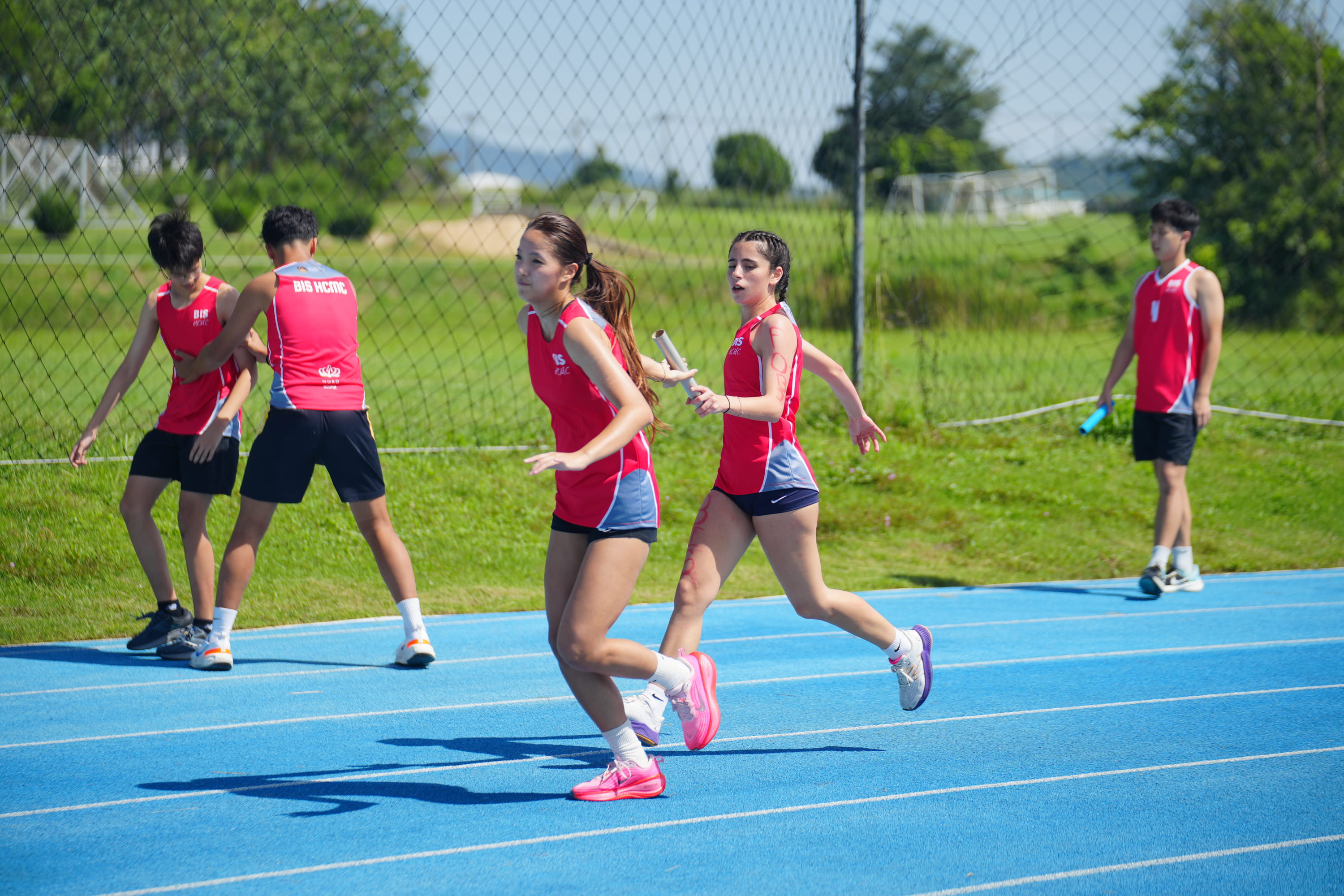
 BIS HCMC and FOBISIA - A Partnership That Opens Doors Across Asia
For more than 20 years, BIS HCMC's partnership with FOBISIA has created exceptional opportunities for thousands of BIS students across Asia, while supporting the professional growth of our staff and strengthening our place within one of the region's leading British international school networks.


