


We use cookies to improve your online experiences. To learn more and choose your cookies options, please refer to our cookie policy.

April 16, 2026
The great outdoors. Why Learning doesn't stop beyond the door.
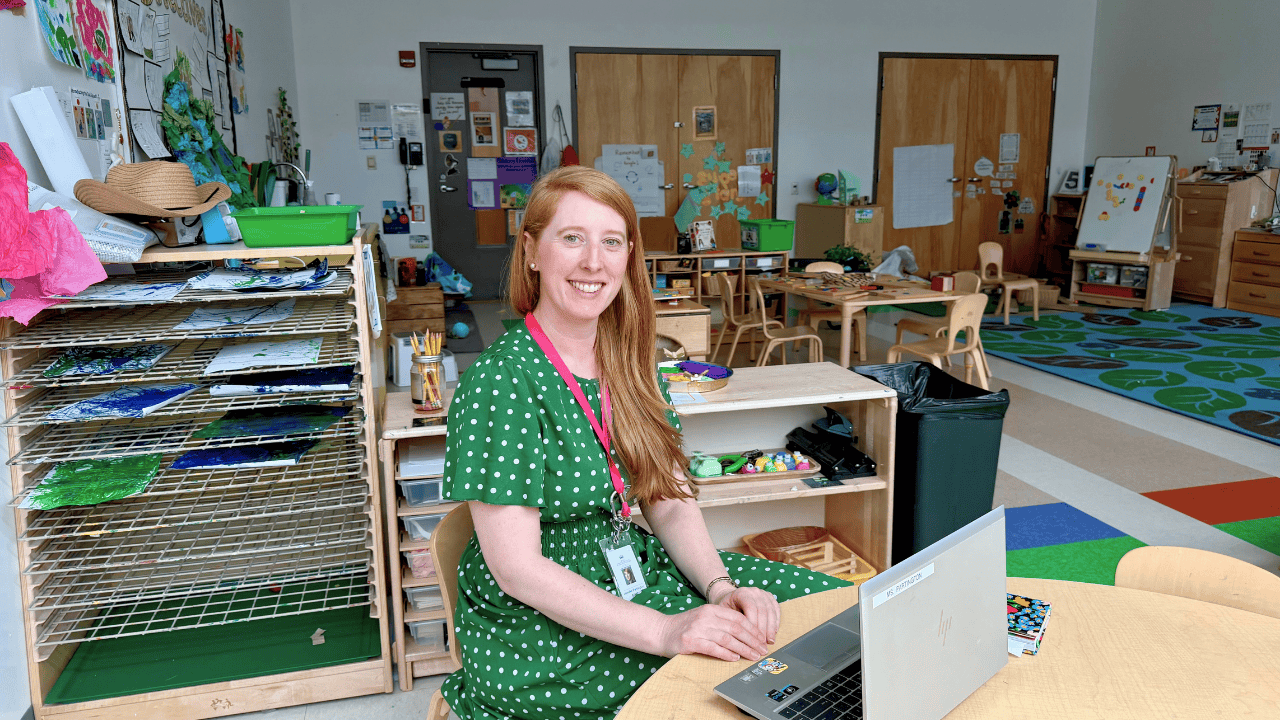
As spring approaches and we gradually feel our bodies waking up and creeping out of the Chicago winter hibernation, what better time than to turn our attention to the great outdoors? There are many reasons for getting out to enjoy nature, including how essential it can be to our emotional wellbeing. Many of us can recall the endless months spent indoors during the spring of 2020; we remember the draw of the outdoors and how we longed for space and freedom. If we feel those benefits so acutely as adults, imagine the impact nature has on children.

As a society, recent findings suggest that children and adults are spending less time outdoors than ever before. In fact, children today spend around 35% less time outdoors than their parents did at the same age. While shifts in technology have influenced our current habits, are these changes necessarily for the better?
Let’s explore why outdoor play is more essential than ever for a child’s development.
A Foundation for holistic development
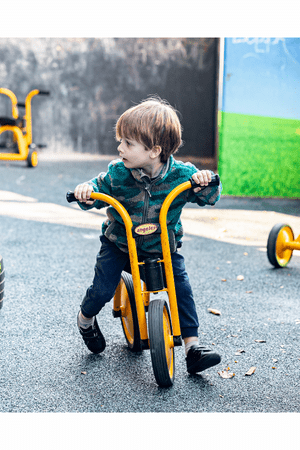
UNICEF notes that research consistently shows outdoor play is crucial for a child’s physical and emotional health, alongside improved learning outcomes. We all recognize the major physical benefits—running, large motor development, and boisterous activities that build cardiovascular and muscle fitness. However, outdoor play offers deeper opportunities for learning that make it well worth the effort.
Even the "logistics" of getting outside are educational. Applying layers of clothing in the winter or sunscreen in the summer are lessons in themselves, supporting healthy habits and fine motor skills. Once outside, children experience an environmental freedom impossible within four walls. This space allows them to make their own decisions—which path to take or how to build a fort—fostering autonomy and self-reliance. Furthermore, exposure to natural light helps regulate circadian rhythms and lowers cortisol (stress) levels. Combined with increased physical activity, this often leads to better sleep—a win for both children and parents!
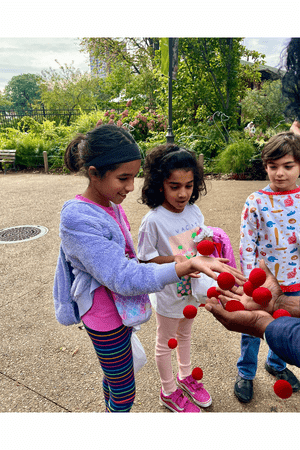
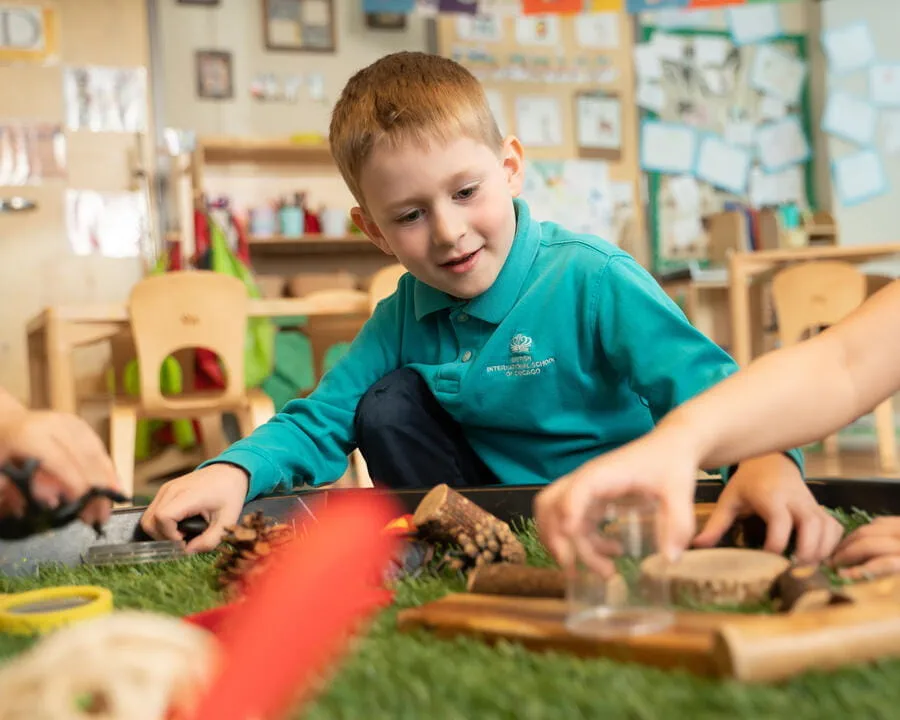
Nature provides a limitless canvas for developing imagination and becomes a silent yet natural co-teacher. In the outdoors, objects aren't limited to a single purpose, which encourages unstructured creative play. This year at BISC-LP, our Reception children studied the artist Andy Goldsworthy (known for his sculptures made from ice, rocks and leaves) as part of their Loose Parts topic. They used natural elements to explore creating patterns, texture, and engineering possibilities. They even integrated these elements into storytelling, inspired by the work of Clare Thompson and her wordless storybooks.
Outdoor education at BISC-LP
Teaching in an urban city school does not stop our educators from making the most of nature and outdoor opportunities right on our doorstep and beyond.
Pre-Nursery: Our youngest learners take daily walks in and around our local neighborhood and outside adventures are planned into the curriculum with the children going as far as the river to observe the nature, plants and animals found there. This fosters and supports observation skills and wonder alongside communication and language development as staff engage the children in conversation about the world around them. The walls around our Pre-Nursery building on warmer days may also be found chalked with color giving opportunities for the children to further explore their physical development and mark making skills.
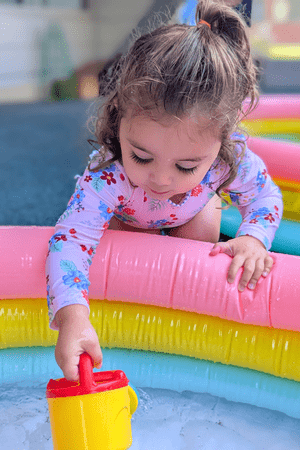
Nursery and Reception: The children have daily access to the outdoor area all year round, which provides a wealth of opportunity for exploration. Snow shoveling in winter increases physical development and gross motor coordination. Scientific discoveries such as when the ice melts or mixing concoctions of whatever they find within the mud kitchen. Risk taking as they climb and balance through and around obstacle courses that they have cooperated and worked together to build. Then warmer days bring the opportunity for sensory play with water, bubbles and colorful streamers.
Phase 1 and 2: Daily access to our rooftop spaces allows for continued social connection. Our planned work with UrbanRivers through STEAM lessons enhances the children’s connection with local ecosystems, providing tangible, hands-on learning. Further up the school our Year 5 children participate in Ski camp and Year 6 camp continues to build on skills to support resilience, friendships and teamwork, problem solving and risk taking.
Essentially, learning does not stop at the door. Outdoor learning may look more spontaneous than within the classroom, but we must remember that play is the "work" of a child. The outdoors simply provides a bigger, better office.
How to foster a love for the outdoors
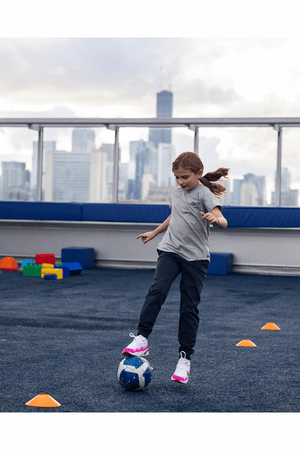
Encouraging a love for nature starts with a simple mindset shift. As adults we must actively model that enjoyment ourselves. Simple ways to start include:
- Planned Outside Time: Incorporate nature into family routines—jumping in puddles, sharing a picnic, raking through Fall leaves, or making snow angels.
- Urban Nature: Start a balcony garden or use local trails like The 606, Lake Michigan, or nearby forest preserves.
- Appreciate the Small Things: Encourage "risky play" (like balancing on a log) and appreciate the small details—even the "squirmy bits" like worms and bugs!
From early years exploration to upper primary enrichment, BISC-LP encourages curiosity, resilience, and wellbeing through learning beyond academics.
Explore more about how BISC-LP helps students excel beyond grades!
Jennifer Partington
Reception Leader
Related news
News image ![Year 3 Leader, Carla Williamson]() Blog | Featured | Global Education
Blog | Featured | Global Education
 Blog | Featured | Global Education
 The Importance of Self-Regulation in Children: A Foundation for Learning and Wellbeing
Discover how co-regulation, emotional awareness, and practical strategies support children in managing emotions and building resilience at BISC Lincoln Park.
News image ![Lowri Covello]() Blog | Featured
Blog | Featured
 Blog | Featured
 Meet the BISC-LP Student Community Directors: How BISC-LP Supports Student Wellbeing, Safety and Belonging
Meet the Student Community Directors at British International School of Chicago, Lincoln Park and learn how they support student wellbeing, positive behavior, safeguarding, and belonging across our school community.
News image ![Our Restorative Approach at BISC-LP - Our Restorative Approach at BISC-LP]() Blog | Featured
Blog | Featured
 Blog | Featured
 Building Character Through Connection: Our Restorative Approach at BISC-LP
Discover how BISC-LP's restorative approach to behavior helps students build character, strengthen relationships, and develop emotional intelligence through respect, connection, accountability, and restorative practices.
News image ![Make the most of Summer in Chicago - Summer Fun and Learning]() Blog | Featured
Blog | Featured
 Blog | Featured
 Summer Fun & Learning: Make the most of Summer in Chicago
In our latest teacher blog, Pre-Nursery Assistant Directors Alex Duryea and Caitlin Stevens explore Chicago’s top summer destinations while supporting your child’s growth through play, discovery, and hands-on learning.


