
We use cookies to improve your online experiences. To learn more and choose your cookies options, please refer to our cookie policy.

05 March, 2026
Why We Use Hands-On Maths in Key Stage 2
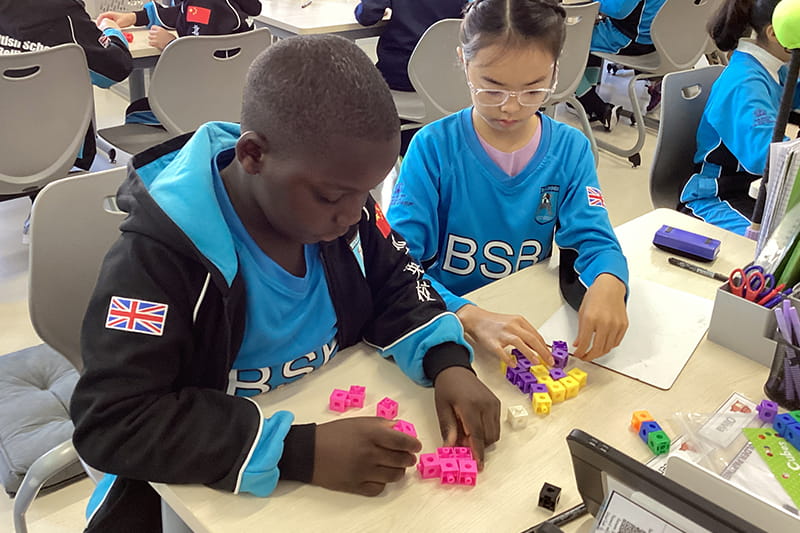
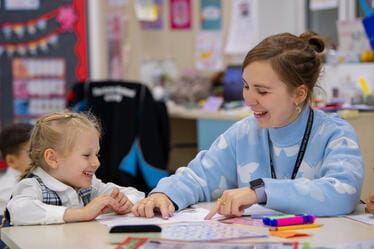
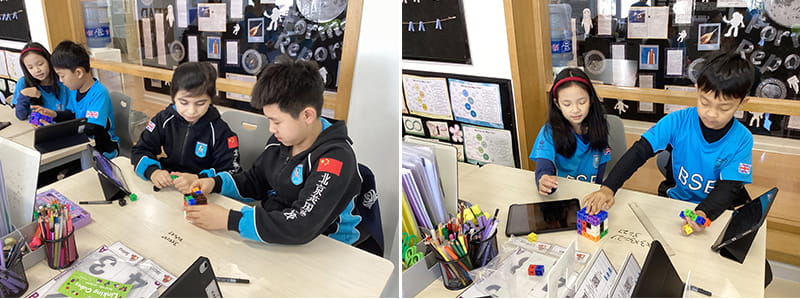
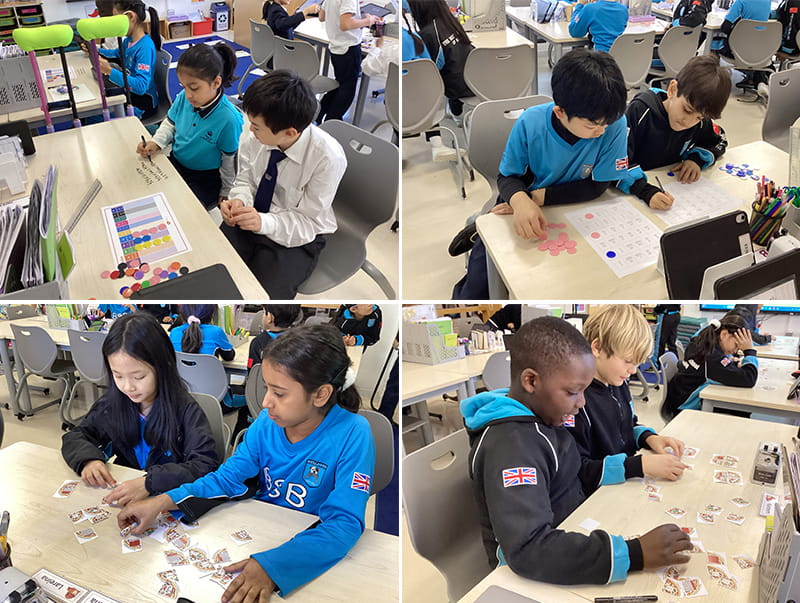
In our maths lessons in Upper Primary, you might hear your child talk about using counters, base-ten blocks, fraction tiles, number lines, bar models or other physical resources — often called manipulatives. These are not just used for KS1 lessons as they are an important part of helping pupils build deep understanding, which is encouraged by maths experts and curriculum guidance in England.
What the National Curriculum Says
According to the official National Curriculum in England: Mathematics Programme of Study (DfE), pupils must develop fluency, reasoning and problem-solving skills. This includes making rich connections across representations of mathematical ideas — not just performing procedures.
The guidance stresses that pupils should be able to move confidently between:
•tangible objects they can touch and move,
•pictorial representations like diagrams, pictures or bar models, and
•symbols and notation in written maths.
This progression — known as the Concrete → Pictorial → Abstract (CPA) approach — is central to ensuring broad, lasting mathematical understanding across KS1 and KS2.
What Leading Maths Experts Recommend
The National Centre for Excellence in the Teaching of Mathematics (NCETM) resources support using manipulatives and representations as part of teaching for mastery at all primary ages, not just in the early years. These materials and guides show how concrete materials help pupils see the structure of maths before moving to more formal written methods.
External research — including guidance summarised by the Education Endowment Foundation — highlights that manipulatives make abstract ideas visible, help pupils articulate their thinking, and support deep understanding when used with clear teaching intentions.
How This Helps Your Child
Using manipulatives supports pupils to:
•truly understand number and structure,
•reason and explain their thinking,
•see how problems connect across topics,
•and build fluency that isn’t just memorised procedures
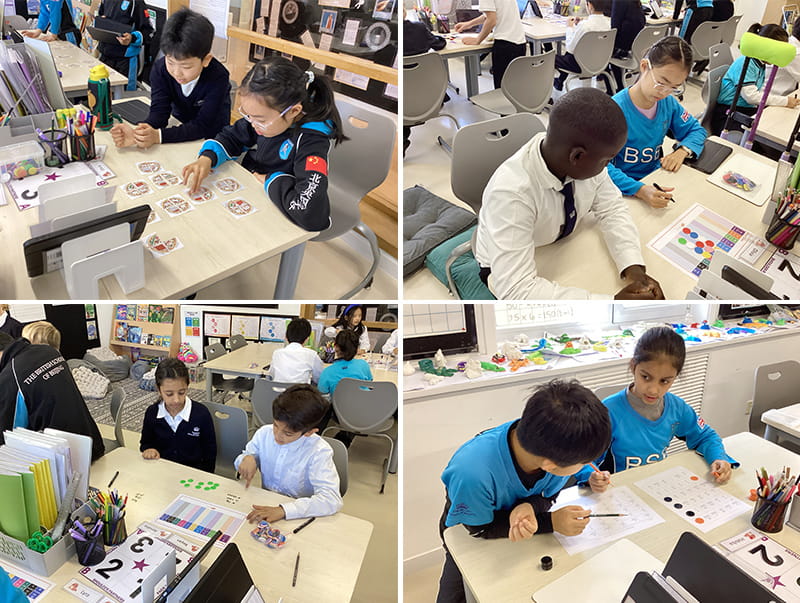
Manipulatives are a bridge — not a crutch. As children gain confidence and fluency, they rely less on concrete resources and more on thinking with images or symbols in their minds.
By Emily Kingett
Upper Primary Leader, Year 5 Walruses Class Teacher
Related news
News image ![Year 3 Become AI Explorers! | BSB Sanlitun - Year 3 Become AI Explorers]() Blog
Blog
 Blog
Blog Year 3 Become AI Explorers!
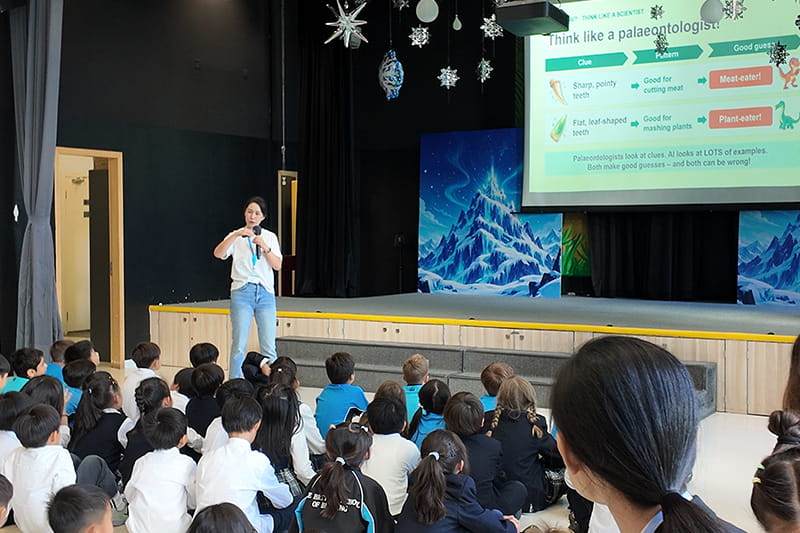
What is Artificial Intelligence, and how will it shape our future? Year 3 Badgers recently welcomed Amy, Que’s mum, who works at Microsoft, for an exciting, hands-on introduction to the world of AI.
News image ![EAL Update | BSB Sanlitun - EAL Update]() Blog
Blog
 Blog
Blog EAL Update
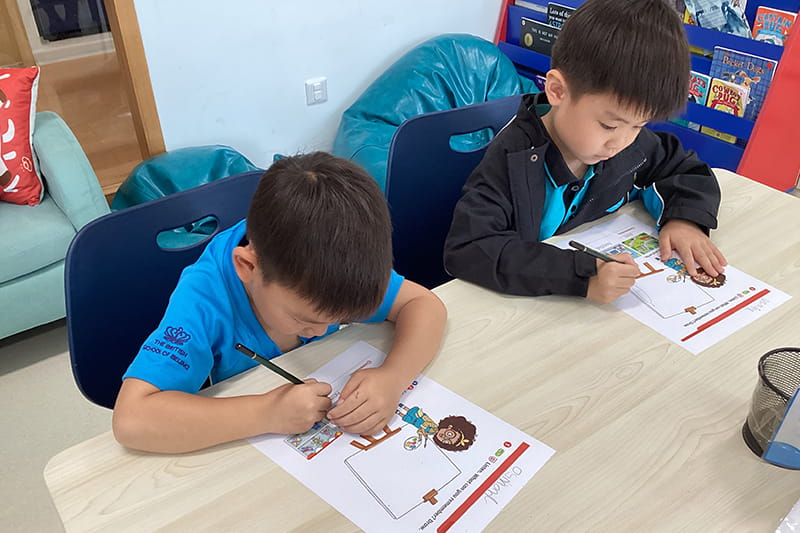
EAL students across Years 1–6 at BSB Sanlitun are exploring a range of exciting topics designed to develop their English language skills and build confidence in communication. Through engaging activities, interactive games and meaningful discussions, students will continue to strengthen their speaking, listening, reading and writing...
News image ![Caring, Growing and Celebrating Together | BSB Sanlitun - Caring Growing Celebrating]() Blog
Blog
 Blog
Blog Caring, Growing and Celebrating Together
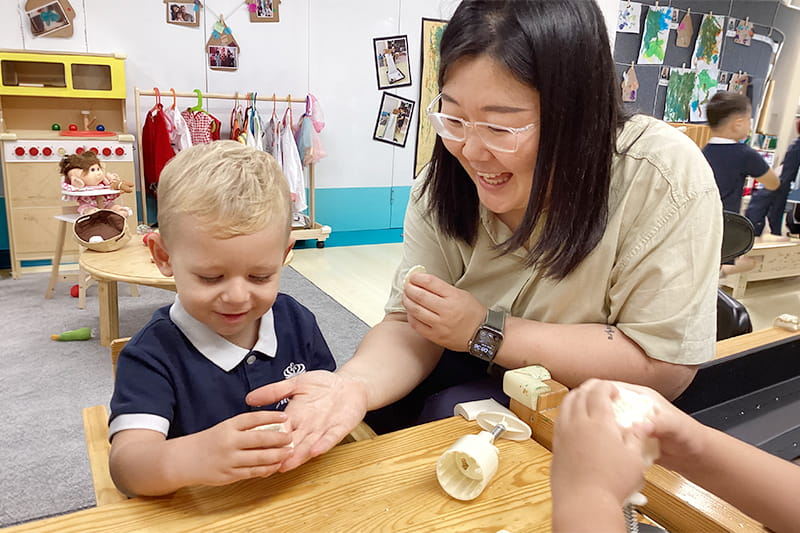
What a lovely week we have had together in Pre-Nursery and Tadpoles! Our days have been filled with little smiles, happy moments, new discoveries and plenty of opportunities to learn about ourselves and each other. As we continued exploring feelings and emotions, we also began to bring the warmth and togetherness of the upcoming Mid-Autumn Festival into our learning...
News image ![A Flying Start to PE! | BSB Sanlitun - A Flying Start to PE]() Blog
Blog
 Blog
Blog A Flying Start to PE!
It feels like only yesterday that we welcomed everyone back to school, but somehow we are already five weeks into Term 1! It has been wonderful to see the students return with so much energy and enthusiasm. As a teacher, it is always amazing to see just how much children can grow over a short summer holiday – many of them seem to have come back noticeably taller!