
We use cookies to improve your online experiences. To learn more and choose your cookies options, please refer to our cookie policy.

23 March, 2026
Rethinking How We Talk to Children
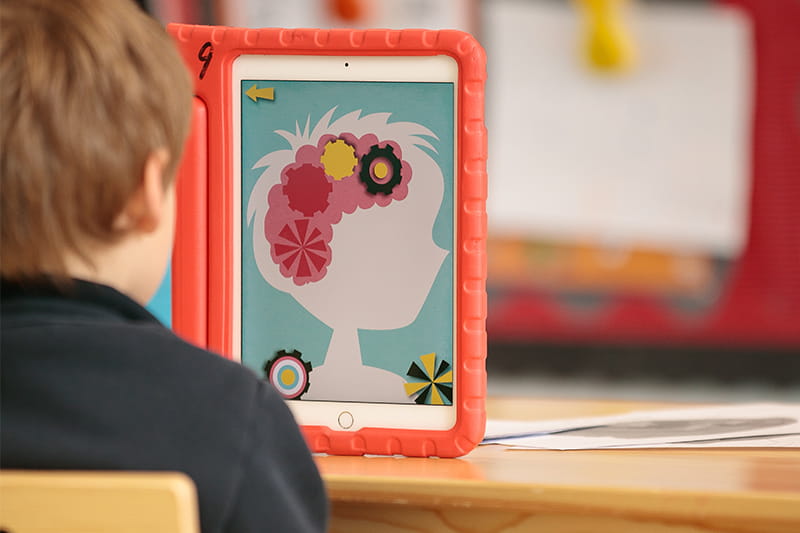
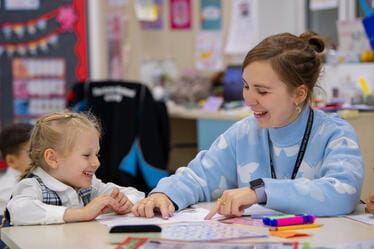
Have you ever asked your child to 'listen' multiple times, only to find they seem to ignore you? They just won't LISTEN!
Let’s take a closer look at what 'listening' truly means.
Firstly, we expect children to stop what they are doing, make eye contact, understand our words, and cooperate promptly, often without question. As adults, even we sometimes find these instructions difficult to follow. So, why do we expect a young child, whose brain is still developing, to be able to do this consistently?
Even as teachers, we can be guilty of demanding immediate responses when, in reality, the timing may simply not be right. So, how do we get our preschoolers to listen?
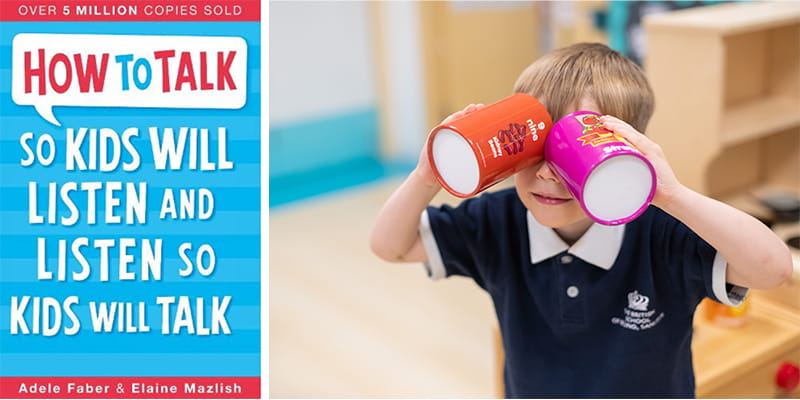
I want to share a life-changing book with you, one I believe should be read (or listened to) by everyone, regardless of their experience with children. How to Talk So Kids Will Listen & Listen So Kids Will Talk by Adele Faber and Elaine Mazlish has become my new 'bible' for communication at home. This book not only affirms, but also challenges, many long-held beliefs and practices about communicating with children. It offers practical advice on how to get children to listen, by learning to listen to them, too.
Why do children sometimes refuse to listen? The answer is simple: our approach is often not working for them, and it’s time to rethink how we communicate. Below, I’ve compiled a list of questions based on the book that can help when you find yourself at a standstill with a child who won’t listen.
1. Are they ready to pay attention?
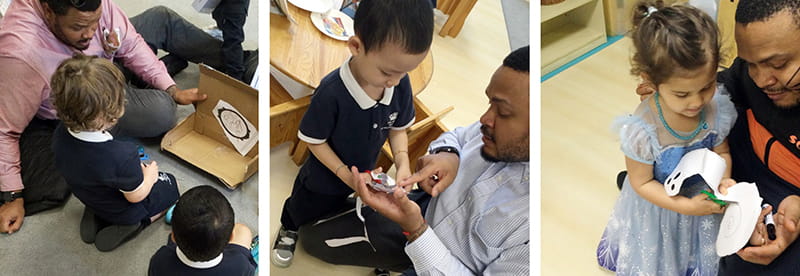
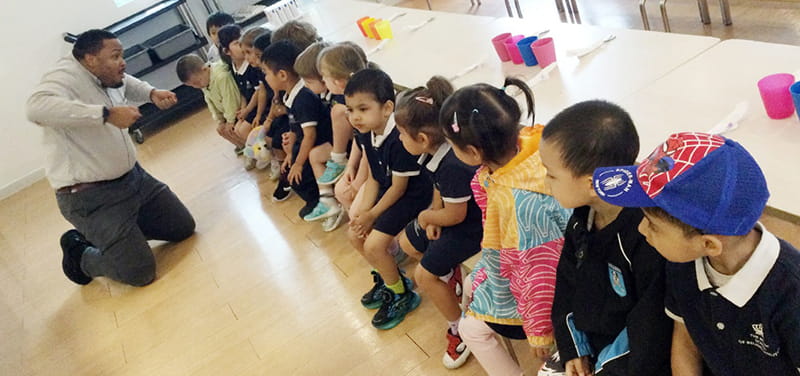
In the classroom, we often need to move to a quieter space where the child can focus, making sure to lower ourselves to their eye level. This can make a huge difference.
2. Are the instructions clear and manageable?
Even in your native language, multi-step instructions can be confusing. How many steps did yours have? For example: "Put on your shoes, put on your coat, go tell Dad you're ready, and let the cat out before coming outside." After the second instruction, some children will have forgotten what comes next. And if they’re like my own child, they might get distracted by a shiny object nearby. It’s more effective to keep instructions simple and short: "Put on your coat." Wait for them to finish, then say, "Now, your hat." Clear, manageable steps go a long way.
3. How are they feeling?
This is crucial! How are they feeling in that moment? Consider how you might feel when you’re upset, sad, or angry; are you ready to listen then? If not, why do we expect the same from our little ones? Validate their feelings by naming them. For example: "I can see you're sad that we couldn’t buy the ice cream today. I feel sad when I can’t have ice cream too. We can have some another day." Avoid using "but" statements, as they can invalidate their emotions.
4. Have you been clear about what you want?
Have you ever told your child to be ‘good’? What does that actually mean? Imagine telling your preschooler, "Be a good boy/girl when we visit Auntie." Does ‘be good’ mean they should stay quiet, not chase the cat, or simply breathe? Be specific and clear about what you expect. Instead of vague instructions, provide concrete examples of what you want.
5. Are the consequences consistent and clear?
Many parents tell me their children don’t listen, even when consequences are in place. However, when I ask for examples, they often reveal that the consequences were either irrelevant, given without warning, lacked follow-through, or worse, were imposed without an opportunity for reflection afterwards. When setting consequences, give your child one, two, or three clear warnings. Let them know what the consequence will be if they don’t follow through. For example, if they keep throwing a toy at the wall, the toy will be taken away. When returning it, calmly remind them why it was taken and discuss appropriate behaviour. This approach gives them a chance to learn and restart with better choices.
These suggestions may not all apply to you, but I hope there are one or two that, upon reflection and change, could help improve communication with your child. There’s no way I can give this book the respect it deserves in just a short piece, but I highly recommend you add it to your reading list. It will help you see yourself, your own parents, and your children in a new light.
One important thing to remember: change takes time and consistency.
By Delisa McPherson
Nursery Butterfly Fish Class Teacher
If you would like your family to be part of our warm and caring community and experience a world-class British education, we would love to hear from you.
sltadmissions@bsbsanlitun.com
+86 10 8531 1999
Related news
News image ![Year 3 Become AI Explorers! | BSB Sanlitun - Year 3 Become AI Explorers]() Blog
Blog
 Blog
Blog Year 3 Become AI Explorers!
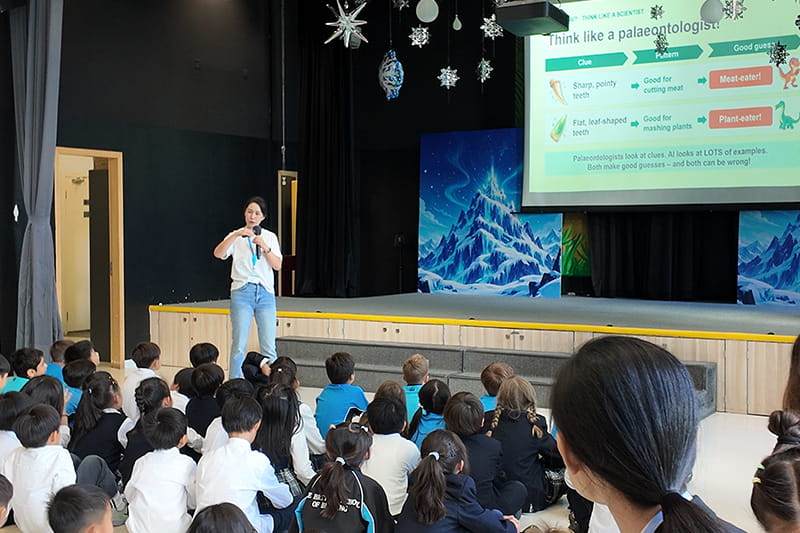
What is Artificial Intelligence, and how will it shape our future? Year 3 Badgers recently welcomed Amy, Que’s mum, who works at Microsoft, for an exciting, hands-on introduction to the world of AI.
News image ![EAL Update | BSB Sanlitun - EAL Update]() Blog
Blog
 Blog
Blog EAL Update
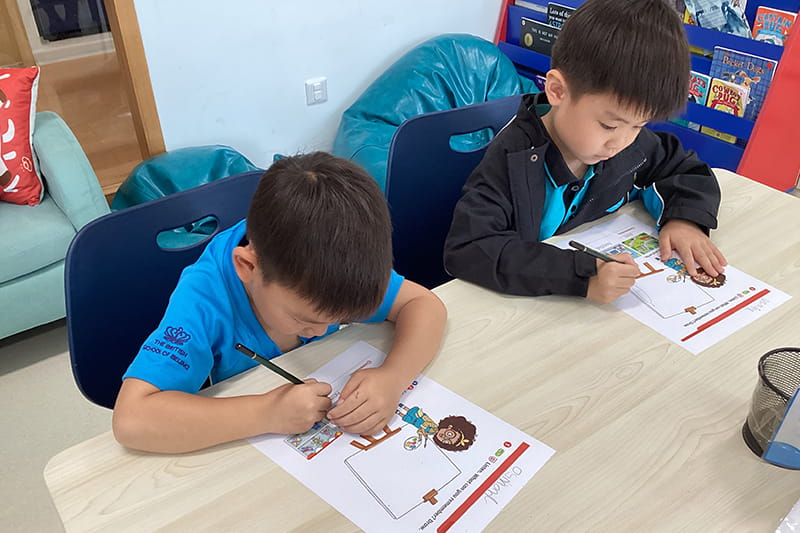
EAL students across Years 1–6 at BSB Sanlitun are exploring a range of exciting topics designed to develop their English language skills and build confidence in communication. Through engaging activities, interactive games and meaningful discussions, students will continue to strengthen their speaking, listening, reading and writing...
News image ![Caring, Growing and Celebrating Together | BSB Sanlitun - Caring Growing Celebrating]() Blog
Blog
 Blog
Blog Caring, Growing and Celebrating Together
What a lovely week we have had together in Pre-Nursery and Tadpoles! Our days have been filled with little smiles, happy moments, new discoveries and plenty of opportunities to learn about ourselves and each other. As we continued exploring feelings and emotions, we also began to bring the warmth and togetherness of the upcoming Mid-Autumn Festival into our learning...
News image ![A Flying Start to PE! | BSB Sanlitun - A Flying Start to PE]() Blog
Blog
 Blog
Blog A Flying Start to PE!
It feels like only yesterday that we welcomed everyone back to school, but somehow we are already five weeks into Term 1! It has been wonderful to see the students return with so much energy and enthusiasm. As a teacher, it is always amazing to see just how much children can grow over a short summer holiday – many of them seem to have come back noticeably taller!