


.jpg?h=499&iar=0&w=887&rev=98522effd32b47cd81d9b9e0f7b6d927&hash=0B1931C5A412DF94B46901ADCCF9B9F4)
We use cookies to improve your online experiences. To learn more and choose your cookies options, please refer to our cookie policy.
11 March, 2026
Understanding your child’s first school experience at an international school
.png?h=300&iar=0&w=400&rev=6727ea5878394fb08fd3fb6167779074&hash=8BE18C160661E2985D32161B1AC97D08)
The first year in a new school is often filled with anticipation. Families look forward to new opportunities, strong teaching, and steady academic progress. At the same time, change brings adjustment. Understanding what that adjustment looks like helps parents interpret early signs calmly and confidently.
At the British International School Kuala Lumpur (BSKL), leaders see the first year as a period of structured transition rather than uncertainty.
“In a child’s first year at BSKL, it is common to see a mix of excitement, tiredness, and gradual settling,” explains Mr Simon Clarke, Head of Primary. “Adjusting to a new curriculum and expectations, particularly if coming from a different national system or school style, takes time.”
Recognising this pattern early allows families to focus on long-term development rather than short-term fluctuations.
Academic routines take shape over time
One of the most significant shifts in a new school experience is understanding how learning is organised.
Students learn how lessons are structured, how tasks are completed, and what independence looks like at different stages. For some, especially those new to a British international school setting, classroom expectations may feel unfamiliar at first.
Language can also influence early confidence. Students learning in English as an additional language may need time to adjust to academic vocabulary. Even confident English speakers encounter new subject terminology and new ways of responding to feedback.
Mr Clarke notes that a temporary dip in confidence can be part of healthy adjustment. “Particularly if a child was previously top of their class, they may feel challenged or uncertain in a new environment. That is not a sign of failure. It is part of growth.”
As routines become clearer and expectations more familiar, students typically regain confidence and begin to demonstrate independence in their learning.
Social confidence develops alongside academic confidence
A balanced school experience includes social development as well as academic progress.
Building friendships happens gradually. For mid-year joiners, this can take a little longer. It is also common for students to feel tired during the first few weeks as they process new routines and expectations.
In Secondary, adjustment can include understanding new grading systems, subject structures, and teaching approaches.
“Students are getting used to new assessment language, new teachers, and greater academic independence,” says Dr Nicola Brown, Head of Secondary. “They may need reassurance while they establish new routines.”
Moments of homesickness or uncertainty are not unusual. They are part of adapting to a new academic culture.
Clear communication between home and school helps ensure that normal adjustment is recognised as part of progress rather than a cause for concern.
Structured support strengthens confidence
Strong international schools in Kuala Lumpur do not leave adjustment to chance; support systems are planned and consistent.
In Primary, this includes pre-start meetings with teachers, a clear parent handbook, buddy systems, and early communication from the Head of Primary. These structures help children understand expectations and help parents feel informed.
In Secondary, students may have a soft start to the term, meeting their Head of Year and tutor before fully joining routines. Parent academies and information sessions explain curriculum expectations. Tutors meet families early in the term, and reporting systems provide regular insight into progress.
“If applicable, families might also work with our Learning Support team on tailored timetables,” Dr Brown adds. “Child-centred meetings with tutors help students reflect on their own progress.”
Clear systems link directly to student confidence. When expectations are explicit and communication is consistent, academic focus strengthens.
Viewing the first year in context
By the end of the first year, most students demonstrate stronger study habits, deeper subject understanding, and more settled friendships.Academic rigour remains steady throughout and progress is monitored through structured assessment, teacher feedback, and formal reporting.
At the British International School Kuala Lumpur, the first year of a school experience is approached as a structured transition within a clearly defined academic pathway.
If you would like to understand how these systems work in practice, speaking with academic leaders can provide helpful perspective and clarity.
Related news
News image ![How should schools teach in the age of AI? - How should schools teach in the age of AI]() Blog
Blog
 Blog
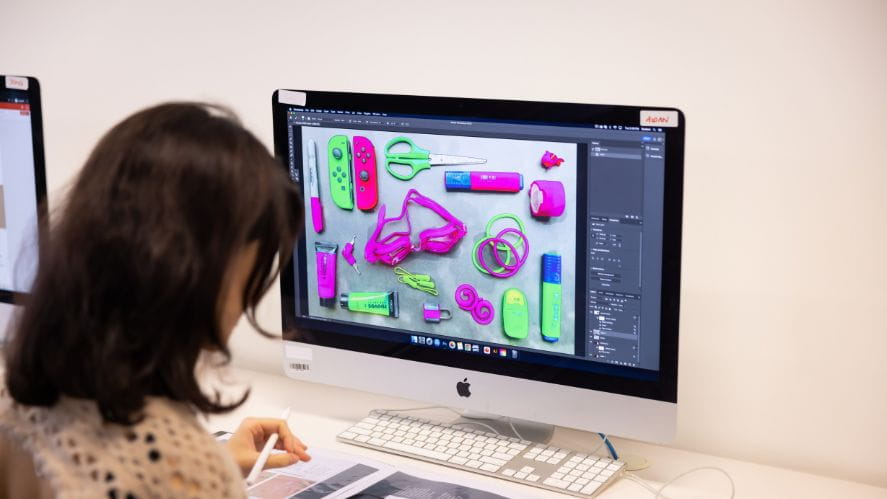
Blog How should schools teach in the age of AI?
Schools continue to be central to education by providing students with curated knowledge, expert guidance and a structured environment for learning.
News image ![From EAL to Excellence: Two BSKL Success Stories - from eal to excellence two bskl success stories]() News
News
 News
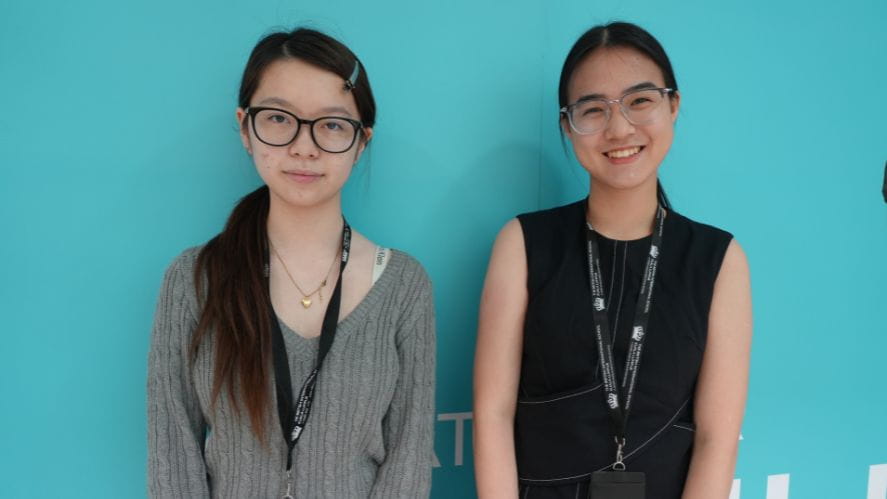
News From EAL to Excellence: Two BSKL Success Stories
Sunny and Daisy are two students who are a testament to the fact that they can make great strides with the right kind of support


