
From Research to Renaissance: Three Steps in an Immersive Learning Experience
By Ms. Zarate, 7th grade educator at Country Day School
At Country Day School, we know when students can step into an experience, wrestle with ideas, and make meaning for themselves, knowledge sticks. It becomes memory. It becomes understanding.
In 7th Grade Social Studies, the Renaissance offers a powerful opportunity to explore how societies change over time—who holds power, what ideas endure, and what moments spark transformation. Rather than relying solely on textbooks, we guide students through a student-centered learning journey that includesresearch, synthesis, and application. The result is deep understanding, confidence, and learning that lasts.
Step 1: We begin by asking big questions, because big questions invite curiosity.
Over three weeks, students investigate how societies evolve from one era to another, using the Renaissance as a lens. Their guiding questions include:
What stays the same, and what changes over time?
How does power work in society?
Who holds influence, and why?
Students explore the Renaissance as a turning point in culture, art, science, economics, and religionexamining how new ways of thinking challenged medieval traditions and reshaped Europe.Importantly, students have ownership over their learning. They choose focus areas and perspectives that interest them and work to research those areas.
Along the way, students are also building essential skills: research strategies, note-taking, time management, and perseveranceskills they’lluse far beyond this unit.
Step 2: Research is only the beginning. The real learning happens when students start making sense of what they’ve discovered.
Once the research is done, students analyze their findings to identify patterns and connections. They compare medieval traditions with emerging Renaissance ideas and analyze shifts in power and influence. Together, we explore questions such as:
Who benefited from these changesand who didn’t?
How did new ideas disrupt long-held beliefs?
This work is collaborative by design. Students discuss, debate, and challenge one another’s interpretations, learning that history is not just a set of answers, but a conversation. They practice critical thinking, communication, and respectful disagreementessential skills for engaged, thoughtful citizens.
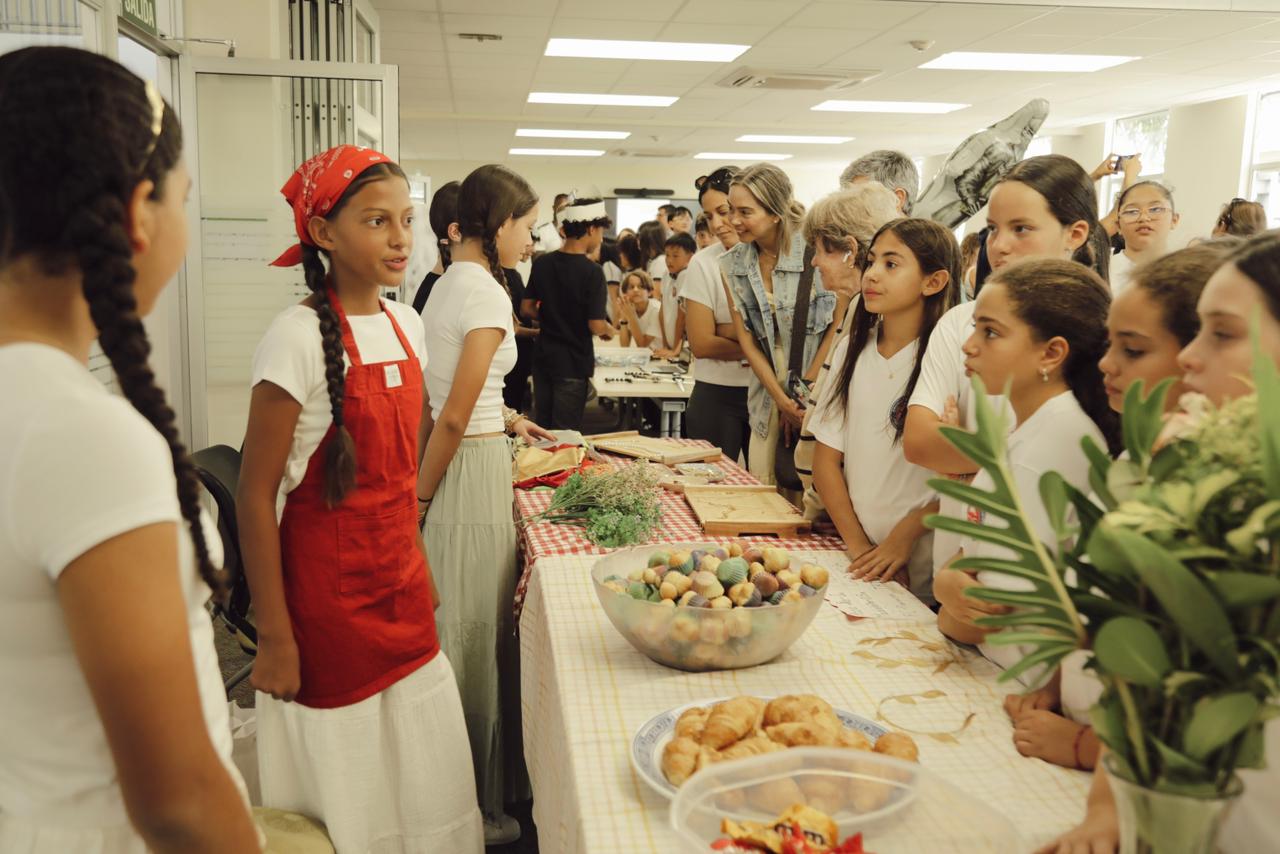
Step 3: Learning truly comes alive during our Renaissance Fair.
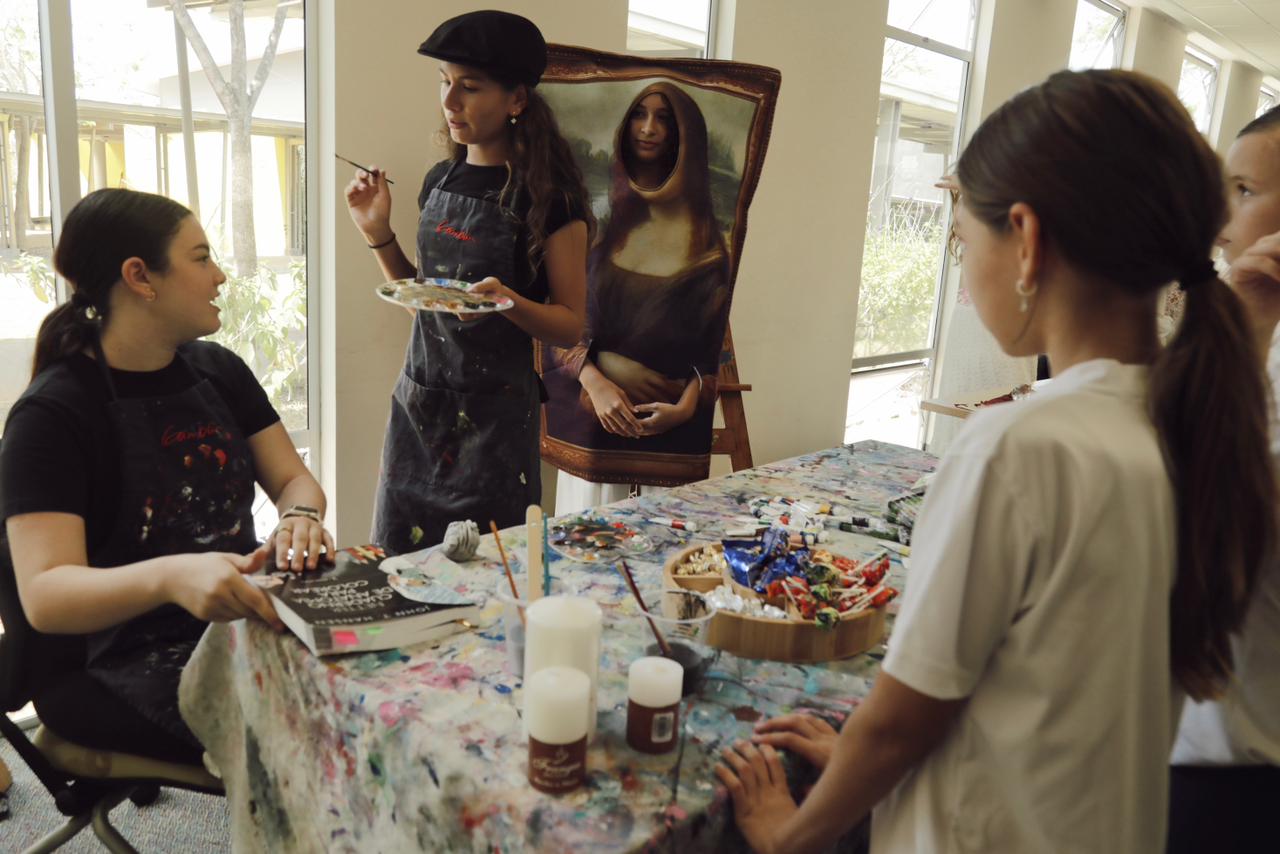
Here, students apply their research by stepping fully into the roles of people from the era. Some portray influential thinkers, artists, and leaderslike Da Vinci, Michelangelo, Martin Luther and Queen Isabelle of Castille. Others bring everyday life to the forefront as artisans, merchants, healers, or performers. Every rolematters, and every student has space to showcase their interests and strengths.
By dressing, speaking, and presenting “in character,” students deepen their understanding in powerful ways. They practice historical thinking, public speaking, empathy, and perspective-takingwhile gaining confidence in sharing their learning with others.
Just as importantly, students reflect on how Renaissance ideas continue to shape our world today. They analyze how power, innovation, and social change still operate in modern societies, making clear connections between past and present.
Purposeful Learning That Lasts
This immersive experience reflects what we strive for every day at Country Day School: intentional, inquiry-based learning that helps students grow academically and personally.
Students don’t just learn about the Renaissance, they learn how to think, collaborate, communicate, and see the world through multiple perspectives. They leave the experience more confident, more curious, and better prepared to engage thoughtfully with the complexities of our world.
Discover how Country Day School brings intentional, inquiry-based learning to life through meaningful, real-world experiences that help students grow academically and personally. From exploring the Renaissance to developing critical thinking, collaboration, and global perspective, our students don’t just learn what to know—they learn how to think, reflect, and lead with purpose.
Related news
 Blog | High School
  Blog | Middle School | Student Work and Success