


We use cookies to improve your online experiences. To learn more and choose your cookies options, please refer to our cookie policy.
07 October, 2026
Bilingual education in Lausanne: Why learn in both French and English?
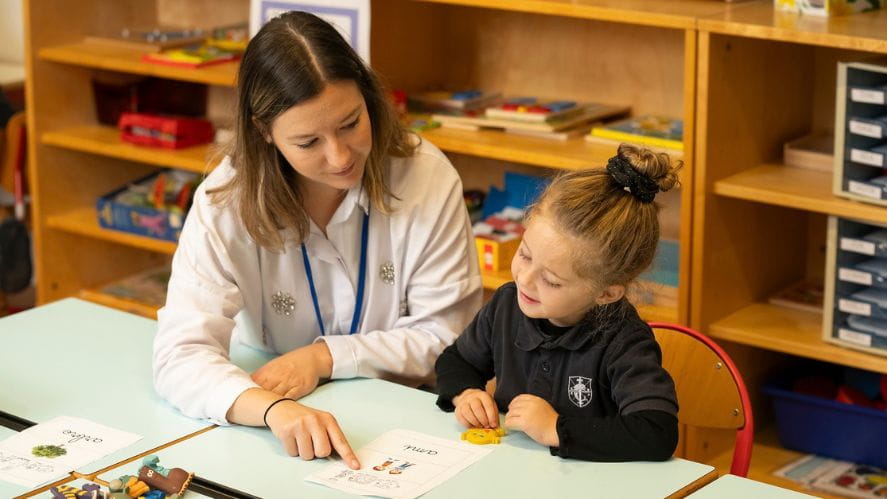
Learning a language is one thing. Learning in a language is another.
That distinction is at the heart of bilingual education. When children use French and English not only during language lessons, but as part of their everyday learning, languages become tools for thinking, communicating and discovering the world around them.
If your family is international, you may be wondering which language pathway is right for your child: French, English or both?
In multilingual Switzerland, and particularly in a cosmopolitan city like Lausanne, a bilingual education offers children the best of both worlds: strong roots in the local French-speaking environment alongside the confidence to communicate and learn in English. Learning in two languages opens doors throughout your child’s life : helping them thrive socially, academically and professionally.
How bilingual education benefits your child’s future
Research shows that the benefits of bilingualism go far beyond stronger vocabulary and communication skills. Bilingual children are challenged to stretch their cognitive skills further. Unsurprisingly, they tend to demonstrate better executive function, outperforming their monolingual peers in areas such as attention control, reasoning and flexible problem solving.
In addition, thinking in a second language has been linked to more rational decision-making and greater ability to resist common cognitive biases.
Bilingualism is known to bring social and emotional benefits, too. People who speak more than one language develop stronger empathy, sensitivity and intercultural competency, key skills for today’s interconnected world.
The positive effects of bilingualism also continue well into later life, helping to preserve brain health and delay the onset of dementia.
Beyond these cognitive and personal advantages, bilingualism increases your child’s future opportunities, enabling them to study, work and live with confidence across different countries, cultures and professional environments.
What bilingual education looks like in practice
Many schools are described as bilingual, but not all approaches to bilingual education are alike.
At Collège Champittet, our bilingual curriculum is designed to help students become fluent communicators in both English and French. This is achieved through a gradual process of immersion combined with experienced native-speaking teachers and optional language support programmes.
When students begin at our bilingual Swiss primary school, they spend 70% of their class time learning in French and 30% learning in English. The amount of teaching in English gradually increases to 40% by the end of primary school.
By the time students reach secondary school, they are already confident communicators in both languages. Our secondary curriculum challenges them to develop their English and French fluency further through more advanced coursework. Finally, our choice of three diploma pathways – the IBDP, the French Baccalauréat and the bilingual Swiss Maturité – enables students to tailor their education to their future goals while continuing to grow their language skills within our school’s bilingual environment.
Is bilingual education right for your child?
Although the benefits of bilingualism are undeniable, as a parent, it’s normal to ask if a bilingual education is right for your child. Your family may speak French, English or another language at home, and you may be wondering how your child will manage to learn in another language.
The good news is that on the one hand, children have a natural advantage when it comes to picking up a second language. On the other hand, a bilingual education inevitably raises the cognitive bar, pushing students to grow beyond their comfort zone. Providing your child with the necessary language support is the best way to ensure their success on this journey.
At Collège Champittet, learners who are new to French or English can receive dedicated language support to boost their skills. Students who are not yet fluent in French can join our French as a Foreign Language programme from Grade 3, while English as an Additional Language support is available from Grade 3 for those developing their English skills. These programmes help ensure that every child can thrive in our bilingual environment.
Every child's bilingual journey will be different. With the right support, however, learning in both French and English can become a source of confidence, curiosity and opportunity, helping your child feel at home in Lausanne while preparing them for a global future.
Related news
News image ![10 years of our Cultural Season - 10 years of our Cultural Season]() News | Collège Champittet News
News | Collège Champittet News
 News | Collège Champittet News
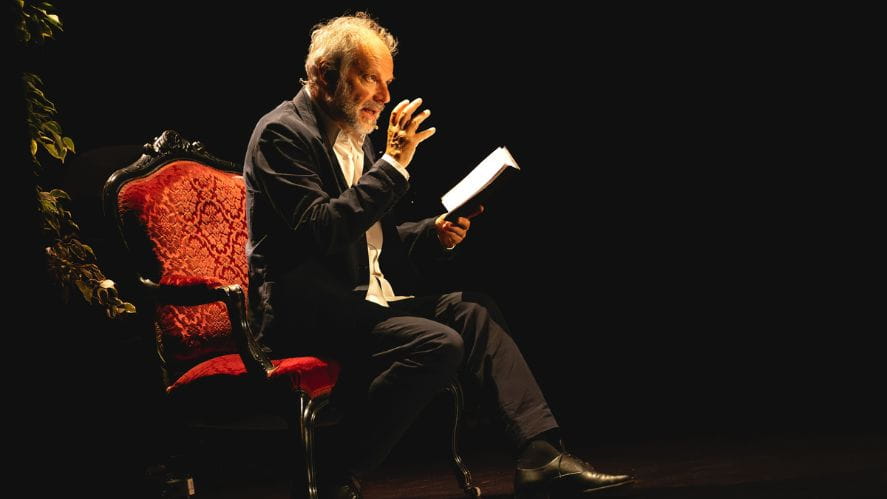
 Celebrating 10 years of our Cultural Season
In 2026–2027, we’re thrilled to celebrate the 10th anniversary of Champittet’s Cultural Season!
News image ![Cultural trips - Cultural trips]() News | Collège Champittet News
News | Collège Champittet News
 News | Collège Champittet News
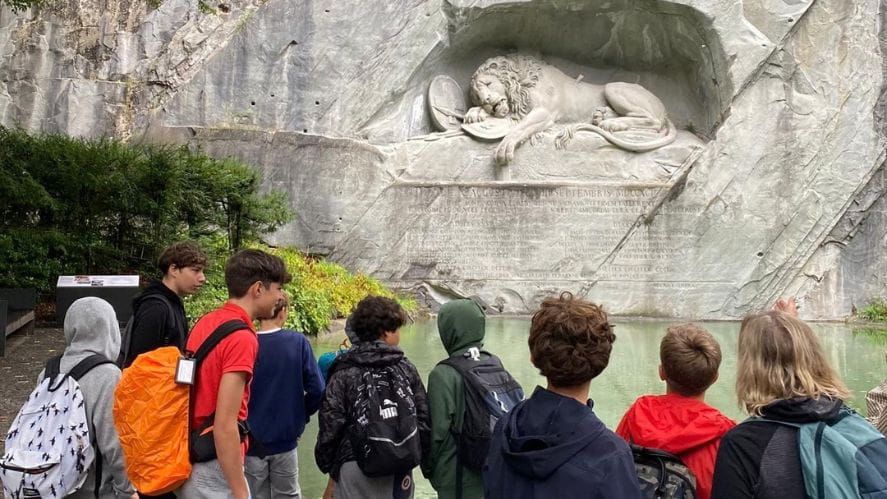
 Cultural trips: Taking learning beyond borders
In September, our Secondary students set off for eight destinations across Europe as part of a highly anticipated Champittet tradition : the Cultural Trips.
News image ![Democracy vs Tech - Democracy vs Tech]() News | Collège Champittet News
News | Collège Champittet News
 News | Collège Champittet News
 Democracy vs. Tech: Conference with Giuliano da Empoli
We are honoured to welcome political essayist and novelist Giuliano da Empoli on 27 October 2026 as part of our “Grandes Conférences” series.
News image ![House System - House System]() News | Collège Champittet News
News | Collège Champittet News
 News | Collège Champittet News
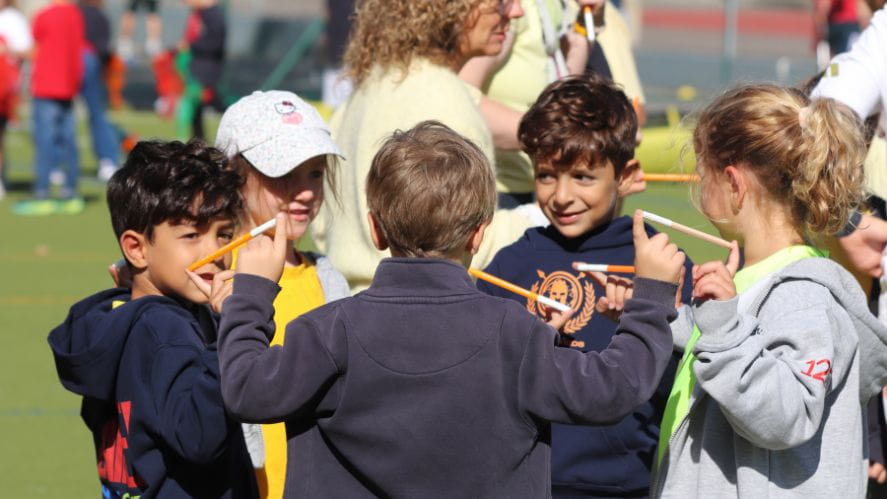
 Building belonging through our House System
One year since its launch, our House System was created to strengthen connections across our school. Every student from Preschool to Grade 9 at Collège Champittet belongs to one of our four Houses: Wolves, Bears, Eagles and Lynxes.