


We use cookies to improve your online experiences. To learn more and choose your cookies options, please refer to our cookie policy.
03 November, 2026
What does Leadership Development look like for Teenagers?
When people hear the word "leadership," they often imagine CEOs, politicians, or team captains. But for teenagers, leadership looks very different. It is less about managing others and more about developing the skills, mindset, and confidence to navigate an increasingly complex world.
For today's young people, leadership is no longer about having all the answers. In fact, as artificial intelligence continues to transform industries and automate many tasks, some of the most valuable skills will be the distinctly human ones: communication, creativity, collaboration, empathy, adaptability, and critical thinking.
The question is no longer whether teenagers will use AI in their future careers. The real question is what they will be able to do that AI cannot.
The Leaders of Tomorrow Need Human Skills
Many of the jobs today's teenagers will hold in ten years do not yet exist. Technologies will change, industries will evolve, and technical knowledge will need continuous updating. Yet certain abilities will remain relevant regardless of how the world develops.
Young people who learn how to work with others, solve problems creatively, present ideas confidently, and build meaningful relationships will be better prepared for the future than those who focus solely on academic achievement.
Leadership development for teenagers should therefore be practical rather than theoretical. It is not about memorising leadership models or listening to long lectures. It is about learning by doing.
Not all summer programmes approach leadership in the same way. Some focus primarily on recreational activities, while others place personal growth, teamwork, and leadership at the heart of the experience. Explore our guide on Leadership Camp vs. Traditional Language Camp to understand the differences and find the right fit for your child.
Leadership Isn't About Being the Loudest Person in the Room
One of the biggest misconceptions teenagers have about leadership is that leaders must be naturally outgoing, charismatic, or comfortable speaking in front of large groups.
In reality, some of the world's most effective leaders are thoughtful listeners, careful observers, and naturally introverted individuals.
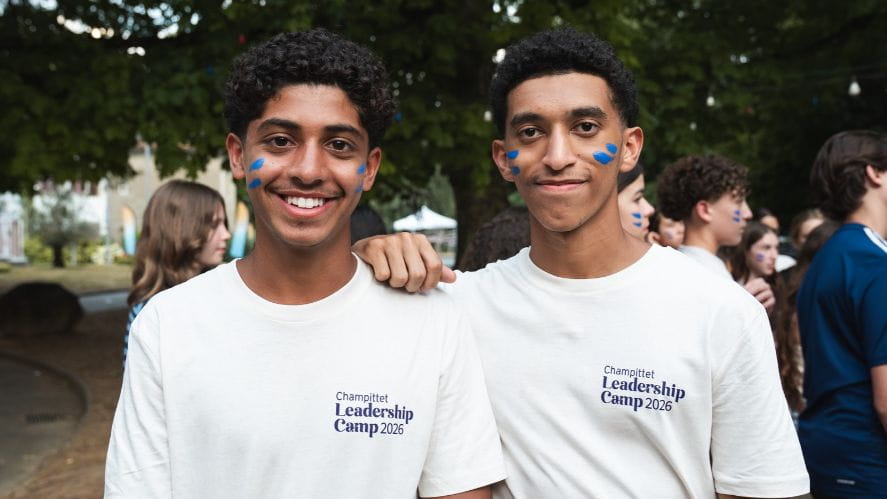
At Champittet Leadership Camp, we believe leadership comes in many forms. Some campers arrive full of confidence and eager to take the lead. Others are quieter, more reflective, and prefer to contribute behind the scenes. Both can become excellent leaders.
A shy teenager who listens carefully, builds trust, and helps bring a team together can demonstrate just as much leadership as someone who enjoys standing centre stage.
Rather than trying to turn everyone into the same type of leader, we encourage campers to discover their own voice and leadership style.For some, this means learning to step forward and speak up. For others, it means realising that their empathy, creativity, reliability, or ability to connect people are valuable leadership qualities in their own right.
Learning Through Real Experiences
The most meaningful leadership lessons often happen outside the classroom.
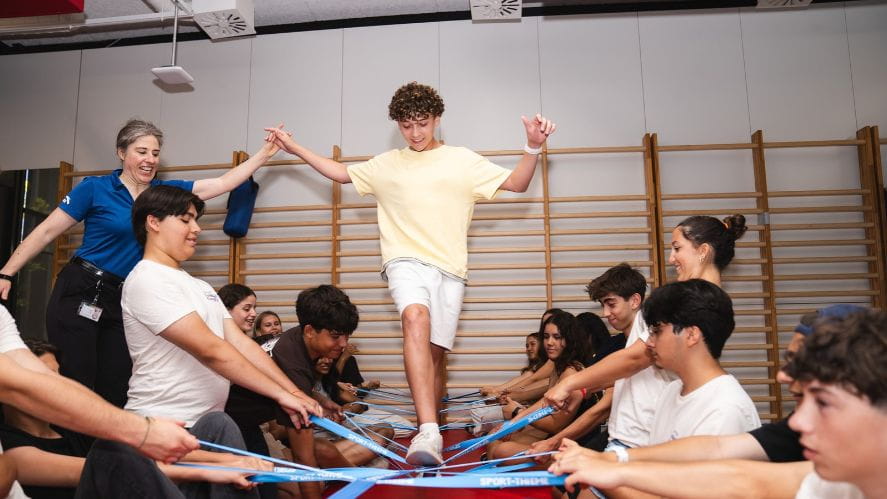
When teenagers are faced with a challenge, a deadline, or a project that requires teamwork, they quickly discover the importance of communication, organisation, and resilience. They learn how to contribute their own ideas while listening to others. They experience setbacks, adapt their approach, and try again.
This is why our programme is based on projects, collaboration, and hands-on experiences rather than traditional teaching methods.
A teenager may learn more about leadership during a single group project than during hours of classroom discussion. The experience becomes real because the outcome depends on their actions.
Leadership Can Be Found in Unexpected Places
Leadership development does not always happen in business simulations or debate clubs.
Sometimes it happens in a kitchen.
At Champittet Leadership Camp, for example, students participate in a MasterChef-style challenge hosted at the renowned EHL Hospitality Business School. Working in teams, campers must organise themselves, communicate effectively under pressure, divide responsibilities, and solve problems together. The focus is not simply on cooking. It is on learning how a team can achieve more than any individual working alone.
Leadership can also be found in sport.
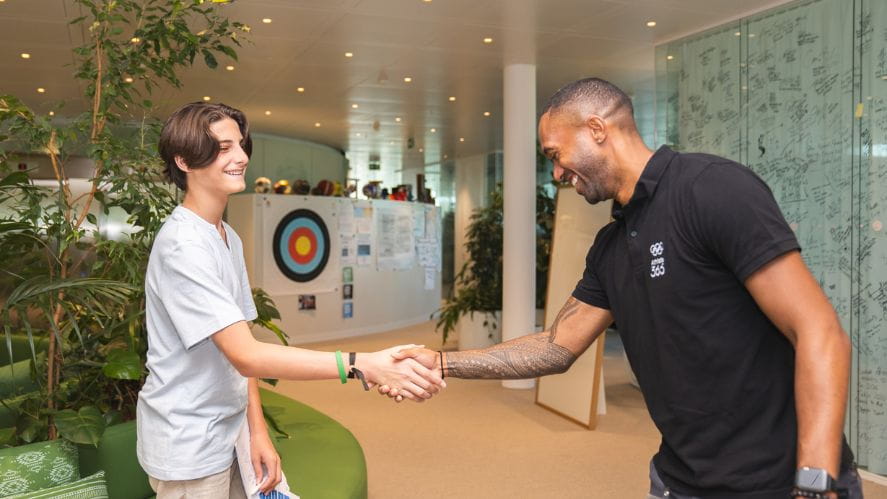
Through visits and workshops connected to the Olympic world in Lausanne, students have the opportunity to meet athletes and discover the stories behind their achievements. These conversations often reveal a different side of leadership: perseverance, discipline, resilience, and the ability to keep moving forward after failure.
For many teenagers, hearing directly from people who have overcome challenges at the highest level can be more impactful than any textbook lesson.
These organisations also contribute to enriching educational experiences for young people. At Champittet Leadership Camp, participants benefit from workshops and activities developed in collaboration with partners including the IOC and EHL, helping students discover leadership through real-world perspectives rather than theory alone.
Switzerland's unique educational ecosystem creates inspiring opportunities for young people to learn from world-class institutions and role models. Discover more in our article Why Switzerland Is the Ideal Destination for an International Summer Camp.
Preparing for a Future We Cannot Yet Predict
No one knows exactly what the world will look like in ten or twenty years. What we do know is that young people will need more than technical knowledge to succeed.
They will need to communicate effectively, think creatively, build relationships, adapt to change, and work alongside both people and technology.
Leadership development for teenagers is therefore not about creating future executives. It is about helping young people become confident, capable, and resilient individuals who can thrive in a rapidly changing world.
Whether through collaborative projects, international experiences, meetings with inspiring role models, or practical challenges that require teamwork, the goal remains the same: to help young people develop the uniquely human skills that will remain valuable long after today's technologies have evolved.
And perhaps that is what leadership really means for teenagers today: not learning how to lead others, but learning how to bring out the best in themselves and those around them.
Curious to see how these leadership skills are developed in practice? Read: Two Weeks in the Life of a Summer Leadership Camper for a closer look at the daily experience, from workshops and team challenges to excursions and evening activities.
Discover Champittet Leadership Camp
At Champittet Leadership Camp, leadership is not taught through lectures alone. Students develop confidence, communication, resilience, and teamwork through hands-on challenges, collaborative projects, inspiring workshops, and meaningful international experiences. Whether they are naturally outgoing or quietly determined, every camper is encouraged to discover their own strengths and leadership style.
Ready to help your child develop the skills that will matter most in the future? Discover Champittet Leadership Camp in Switzerland and explore our programme, dates and fees. (Link to camp landing page)
Related news
News image ![Guide to Choosing a Summer Camp in Switzerland - Guide to Choosing a Summer Camp in Switzerland]() Blog | Our Blog
 Blog | Our Blog
Guide to Choosing a Summer Camp in Switzerland
Practical Guide to Summer Camps in Switzerland: activities, supervision, safety, personal development, and key questions to ask before making your choice.
News image ![Is Your Child Ready for a Residential Summer Camp Abroad? - Ready for a Residential Summer Camp]() Blog | Our Blog
 Blog | Our Blog
Is Your Child Ready for a Residential Summer Camp Abroad?
For many families, a residential summer camp abroad is a child's first experience of living away from home. It can be an exciting step towards greater independence, but it is also natural to wonder whether your child is truly ready.
News image ![Safety, Supervision and Wellbeing at a Residential Summer Camp - Safety Supervision and Wellbeing at a Residential Summer Camp]() Blog | Our Blog
 Blog | Our Blog
Safety, Supervision and Wellbeing at a Residential Summer Camp
For many parents, choosing a residential summer camp is not just about the activities or destination.
News image ![Leadership Camp vs. Traditional Language Camp - Leadership Camp vs Traditional Language Camp]() Blog | Our Blog
 Blog | Our Blog
Leadership Camp vs. Language Camp
Choosing the right summer programme for your child often comes down to one question: what do you want them to gain from the experience?
News image ![Inside the Champittet Leadership Camp experience - Inside the Champittet Leadership Camp experience]() News | Collège Champittet News
 News | Collège Champittet News
Inside the Champittet Leadership Camp experience
Ready for a summer of growth, friendship and discovery in Switzerland? Registrations are now open for Champittet Leadership Camp 2027! We are thrilled to announce campers can now join one of three age-appropriate summer programmes: Juniors (ages 10 to 12), Teens (ages 13 to 14) and Seniors (ages 15 to 17).
News image ![How to Choose the right International Summer Camp - How to Choose the right International Summer Camp]() Blog | Our Blog
 Blog | Our Blog
How to Choose the right International Summer Camp
Choosing an international summer camp is an exciting decision, but with so many programmes available, it can quickly become overwhelming.