



We use cookies to improve your online experiences. To learn more and choose your cookies options, please refer to our cookie policy.
31 March, 2026
Why students learn best when teachers truly understand them
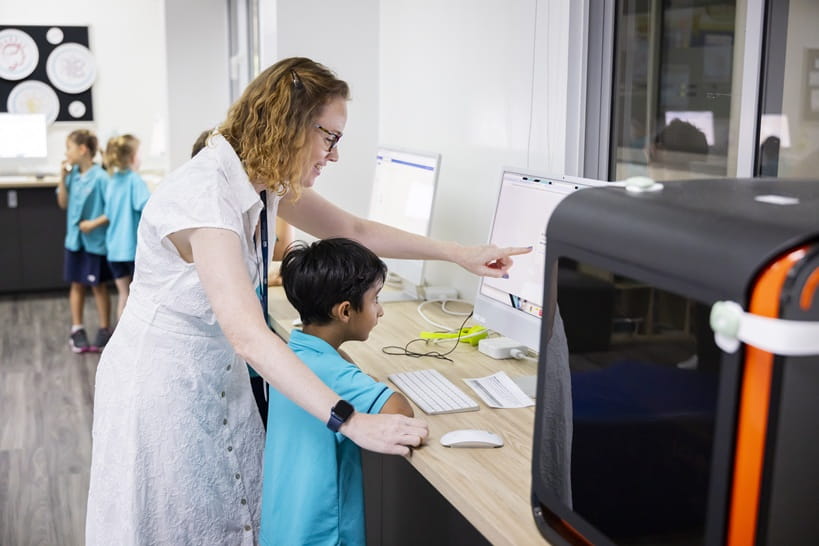
Not all learning challenges are academic. Sometimes, a student who appears disengaged may be unsure, a student who is quiet may lack confidence, and a student who struggles may not yet feel understood.
For many parents, the concern is whether their child will continue to feel confident and supported as learning becomes more demanding.
A key part of the answer lies in the quality of the relationship between teachers and students. At Dover Court International School in Singapore (DCIS Singapore), strong teacher-student relationships are built intentionally through a culture that prioritises belonging, understanding, and consistent communication.
A school culture where students feel known
Strong learning begins with a simple foundation: students need to feel safe, understood, and valued.
At Dover Court, this starts with the school’s inclusive culture and ethos. Teachers aim to build a sense of belonging so that students feel confident expressing themselves and engaging fully in their learning.
David Buckley, Head of Primary, explains how this shapes the school environment.
“Building meaningful relationships starts with creating a culture where students feel a strong sense of belonging and know that they are understood. When students feel comfortable to express themselves, it strengthens both their confidence and their engagement in learning.”
This approach begins even before students enter the classroom. The admissions process helps ensure that families understand and connect with the school’s values, supporting a shared expectation around how students are supported and encouraged.
Within the classroom, students are given opportunities to share their views, contribute ideas, and take an active role in their learning environment. This sense of agency helps students feel respected and involved.
Why understanding students matters for learning
When teachers understand their students well, they are better able to support both academic progress and personal development.
Learning is no longer about just delivering content; it's about developing understanding. It is also about recognising how each student approaches challenges, what motivates them, and where they may need additional support or extension.
Tamara Bell, Deputy Head of Lower Primary, highlights the importance of this connection.
“Students don’t learn effectively if they don’t feel safe, happy and understood. When teachers know their students well, they can tailor learning to provide the right level of support or challenge.”
This is where differentiated instruction and personalised learning become meaningful. Rather than applying a single approach to all students, teachers adapt their teaching based on individual understanding and progress.
For some students, this may mean additional guidance and scaffolding. For others, it may involve deeper challenge and opportunities to extend their thinking.
This personalised approach is also reflected more broadly across the school. At DCIS in Singapore, students benefit from three distinct but flexible curriculum pathways, designed to support different learning profiles and allow each child to progress in a learning environment that supports them.
Together, this responsiveness helps ensure that every student continues to grow in both confidence and academic progress.
Recognising when students need support
Understanding students also allows teachers to identify when additional support is needed.
At Dover Court, teachers and specialists are highly trained in inclusive education practices, using differentiated instruction and personalised approaches to respond to individual needs. They draw on multiple sources of information to build a full picture of each student’s progress, identifying where more support or greater challenge may be needed.
David Buckley explains how this supports early identification.
“High-quality teaching involves recognising when students need additional support, using a combination of assessment data, classroom experience, and regular conversations with students.”
Teachers also work closely with parents, recognising that strong communication between school and home is essential. This partnership helps ensure that students receive consistent support both in school and beyond.
Creating opportunities for student voice and agency
Confidence grows when students feel that their voice matters.
At Dover Court in Singapore, students are given a range of opportunities to contribute to school life and share their perspectives. Enrichment programmes such as the student council, house captains, and agency advocates allow students to take on leadership roles and engage with the wider school community.
These roles encourage students to develop confidence, communication skills, and a sense of responsibility.
In addition, initiatives such as media and technology advisers and sustainability groups provide further opportunities for students to contribute meaningfully beyond the classroom.
These experiences support holistic student development, helping students build confidence not only academically, but also socially and personally.
Relationships that support long-term confidence
Over time, strong teacher-student relationships help create a stable and supportive learning environment.
When students feel understood, they are more likely to engage with learning, take on challenges, and persevere when work becomes difficult. They are also more likely to develop the independence and confidence needed for future stages of their education.
At Dover Court International School in Singapore, this focus on relationships ensures that students are supported not just academically, but as individuals.
For parents, this provides reassurance that their child will continue to be known, supported, and encouraged as they progress through the school.
Parents who would like to learn more about how Dover Court supports student wellbeing and development are always welcome to speak with the academic team and explore how strong relationships are built across the school.
Related news
News image ![How Dover Court Develops Leadership, Initiative and Human Skills - How Student Voice and Leadership Come to Life at Dover Court]() Blog | Art Drama and Music | Academic
Blog | Art Drama and Music | Academic
 Blog | Art Drama and Music | Academic
 How Student Voice and Leadership Come to Life at Dover Court
What happens when students are empowered to turn ideas into reality? Discover how Year 9 student Daksh developed leadership, communication and problem-solving skills through a student-led initiative, and how experiences like these help young people develop the human skills needed for the future.
News image ![Why Struggle and Joy Belong Together in Maths | Dover Court International School Singapore - Why Struggle and Joy Belong Together in Maths]() Blog | Academic | Parent Guides
Blog | Academic | Parent Guides
 Blog | Academic | Parent Guides
 Why Struggle and Joy Belong Together in Maths: Reflections from a Parent Workshop
How can we help children develop confidence and enjoyment in mathematics? Following a parent workshop at Dover Court International School, internationally recognised mathematics educator Dr Jennifer Chang Wathall explores the relationship between challenge, resilience and joyful learning.
News image ![Student Leadership at Dover Court International School Singapore | Meet Our 2026-27 Head and Deputy Head Students - Student Leadership at Dover Court Meet Our Head and Deputy Head Students for 2026-27]() News
News
 News
News Student Leadership at Dover Court: Meet Our Head and Deputy Head Students for 2026-27
Meet our Head and Deputy Head Students for 2026-27 and learn how leadership opportunities at Dover Court help students develop confidence, responsibility and a strong sense of community. From Primary School leadership opportunities to student-led initiatives and global experiences, leadership is nurtured at every stage of the Dover Court journey.
News image ![Dover Court International School Welcomes New Principal Richard Vaughan - Dover Court International School Welcomes New Principal Richard Vaughan]() News
News
 News
News Dover Court International School Welcomes New Principal Richard Vaughan
Dover Court International School is delighted to welcome Richard Vaughan as Principal, having joined the school at the start of the 2026-27 academic year. Bringing more than 25 years of educational leadership experience across the UK and internationally, Mr Vaughan joins Dover Court with a strong track record of fostering academic excellence, inclusive education and community-building.


