


We use cookies to improve your online experiences. To learn more and choose your cookies options, please refer to our cookie policy.
06 November, 2026
How to Prepare Your Child for an AI-Powered World
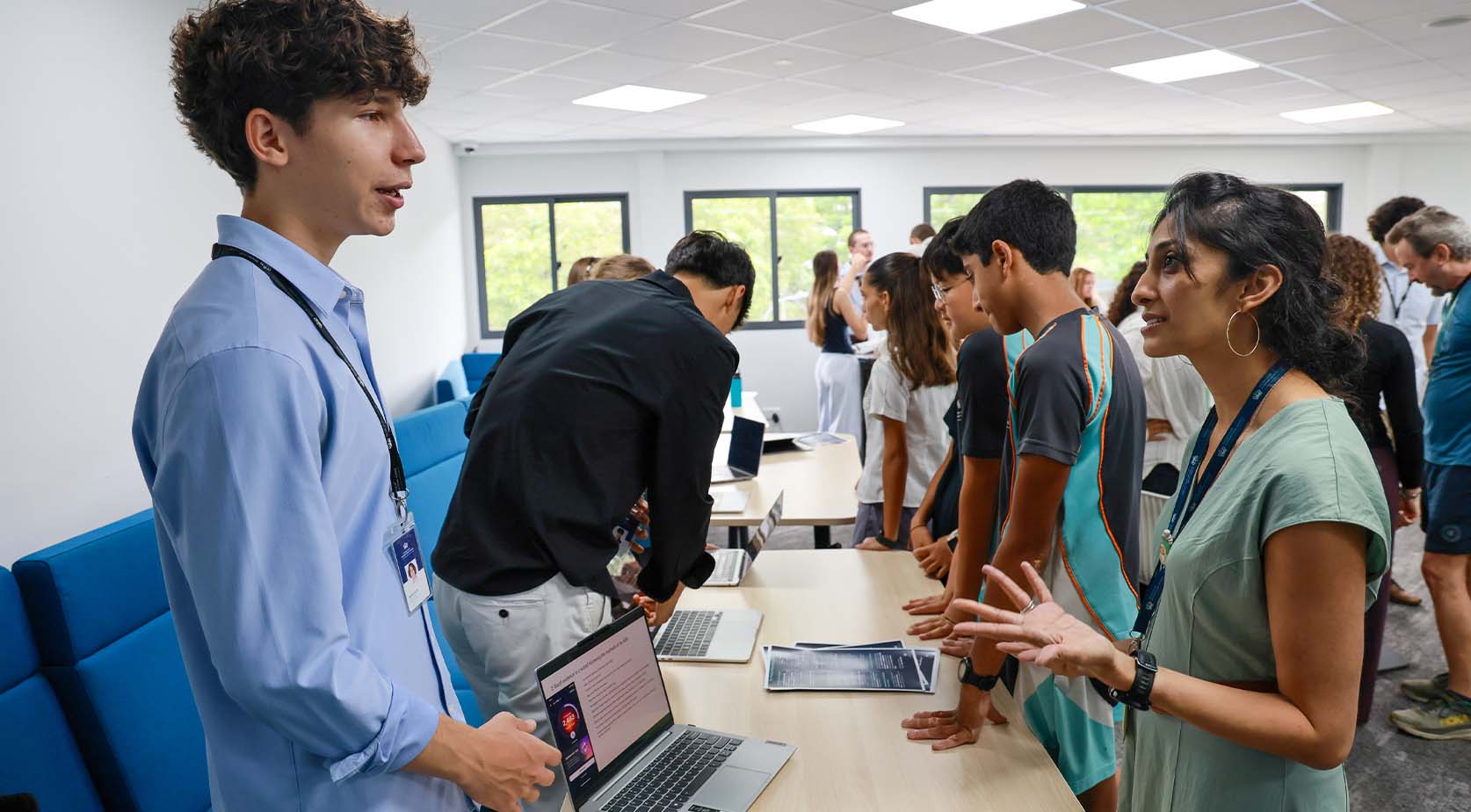
Parents are hearing a lot about artificial intelligence. AI can write essays, answer questions, create images and solve increasingly complex problems. Unsurprisingly, many families are asking the same question:
What should children be learning today to succeed in a world where AI can do so much tomorrow?
The answer may be surprisingly reassuring.
While technology continues to transform the way we access information and complete tasks, the qualities that matter most remain distinctly human: curiosity, judgement, creativity, communication, resilience and the ability to work effectively with others.
At Dover Court International School, these skills are developed alongside strong academic foundations, helping students become confident learners who can adapt as the world changes around them.
Academic Excellence Still Matters
As AI becomes more powerful, some parents worry that traditional academic knowledge is becoming less important.
In reality, the opposite is true.
Students still need a strong understanding of mathematics, science, languages and the humanities. Knowledge gives young people the context they need to evaluate information, identify inaccuracies and make informed decisions.
The difference is that education can no longer stop there.
As Becky Hunter, Assistant Head of Primary for EdTech at Dover Court International School, explains: "Knowledge remains important, but when information is instantly accessible, young people also need to understand how to evaluate it, question it and apply it in meaningful ways."
At Dover Court, this means combining academic rigour with opportunities for students to analyse, question, debate and apply their learning in authentic contexts.
The Most Valuable Skill May Be Asking Better Questions
For generations, education has often focused on finding the correct answer. Increasingly, success may depend on asking the right question.
AI can generate responses in seconds. What it cannot do is provide the curiosity, context and human insight required to know which questions are worth exploring. This is why curiosity sits at the heart of learning.
"Curiosity is often the starting point for many of the other skills we value. It drives learning, creativity, innovation and problem-solving," says Ms Hunter.
Children who remain curious are more likely to investigate, challenge assumptions and seek different perspectives. These habits support stronger academic outcomes while also preparing students for a future where information is easy to access, but knowing how to use it wisely is increasingly important.
Teaching Children How to Think, Not What to Think
One of the greatest challenges of the AI era is not access to information. It is making sense of it.
Students need to know how to evaluate sources, recognise bias, identify missing information and consider different viewpoints. This is where metacognition, often described as "thinking about thinking", becomes increasingly important. As Ms Hunter explains: "Access to information is not the same as understanding. Students need to be able to ask: How do I know this is reliable? What evidence supports it? What might be missing?"
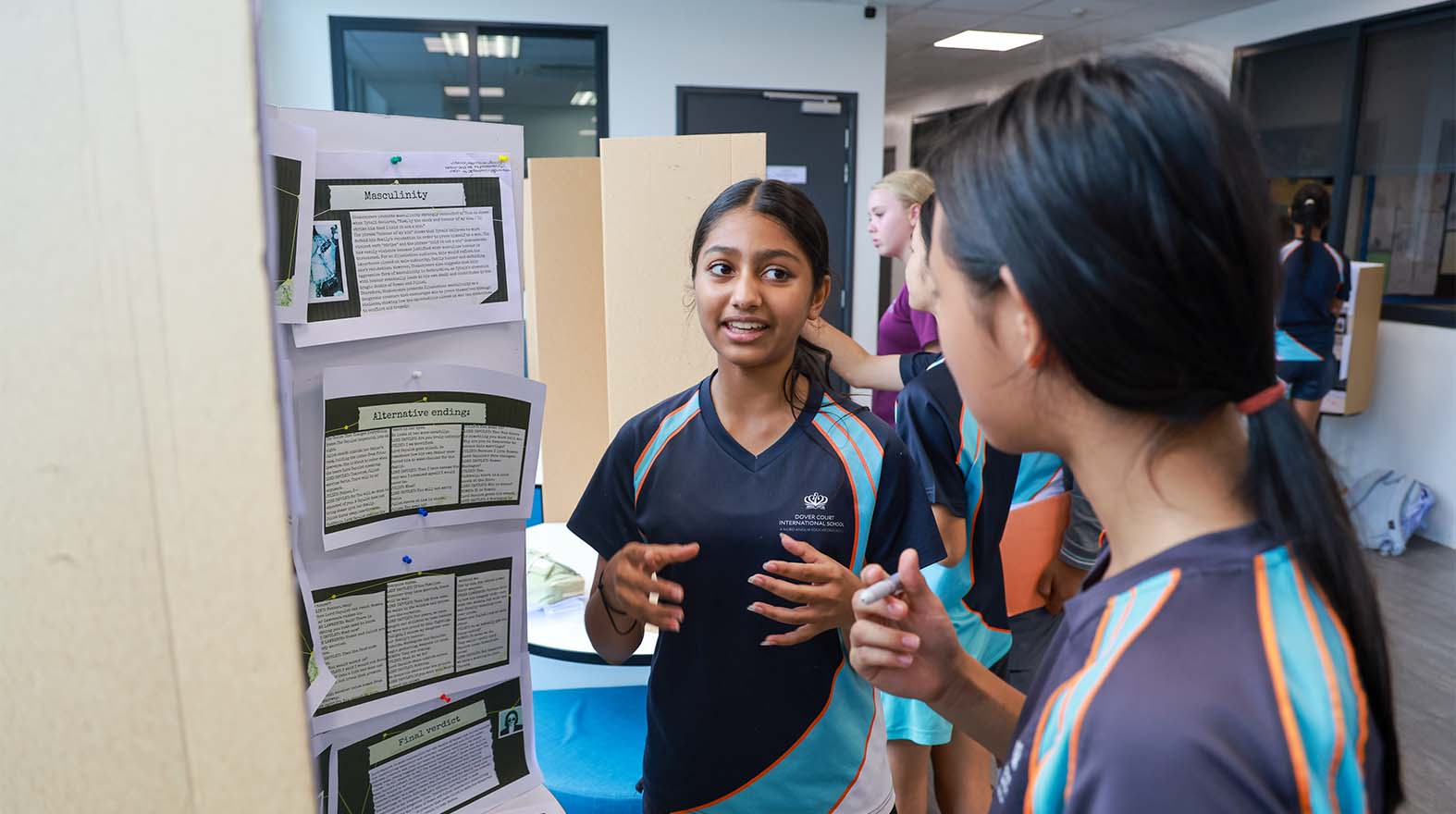
At Dover Court, thinking routines such as Circle of Viewpoints and Compass Points help students explore complex issues from multiple perspectives. These structured discussions encourage students to consider different viewpoints and think more deeply.
The goal is not to help children find answers faster. It is to help them become better thinkers.
Helping Children Use AI Thoughtfully
AI is becoming part of everyday life, from search engines and productivity tools to creative platforms and learning applications.
Rather than avoiding these technologies, young people need opportunities to understand how they work and when to use them responsibly.
As Ms Hunter explains: "Young people need to consider whether a tool is helping them explore an issue more deeply or simply helping them avoid the intellectual effort involved."
At Dover Court, students learn to use AI critically, responsibly and ethically, understanding both its opportunities and limitations. The aim is not to replace thinking with technology, but to use technology to support deeper learning.
Confidence Comes From Challenge, Not Perfection
Parents often tell us they want their children to feel confident. However, confidence is often misunderstood.
Confidence is not built by avoiding mistakes. It is built when young people encounter challenges, work through them and discover they are capable of more than they first thought.
"Many people think confidence comes from getting things right. In reality, confidence grows when young people discover that setbacks are something they can manage and learn from,” advises Ms Hunter.
This is why meaningful learning experiences matter.
Whether presenting at an Exhibition of Learning, participating in an entrepreneurial challenge, leading a student initiative or collaborating on a project, students develop confidence by taking ownership of their ideas and reflecting on their progress.
These experiences help young people understand that growth comes from effort, persistence and reflection rather than perfection.
Why Human Skills Matter More Than Ever
Perhaps the biggest misconception about AI is that technology will replace the qualities employers, universities and communities value most. In reality, advances in technology often make human skills even more important.
- Communication
- Collaboration
- Leadership
- Empathy
- Creativity
- Ethical judgement
- Adaptability
- Problem-solving
These capabilities become increasingly valuable as routine tasks become automated.
This focus on developing the human skills that matter most in a rapidly changing world was recently recognised when Dover Court received the Editor's Choice Award for International School with the Most Future-Ready Students at the HoneyKids Singapore Education Awards 2026. The award recognised the school's commitment to helping young people become critical thinkers, confident collaborators, adaptable learners and effective problem-solvers equipped for a future where many careers have yet to be imagined.
At Dover Court International School, students learn alongside peers from more than 65 nationalities and a wide range of backgrounds and learning profiles.
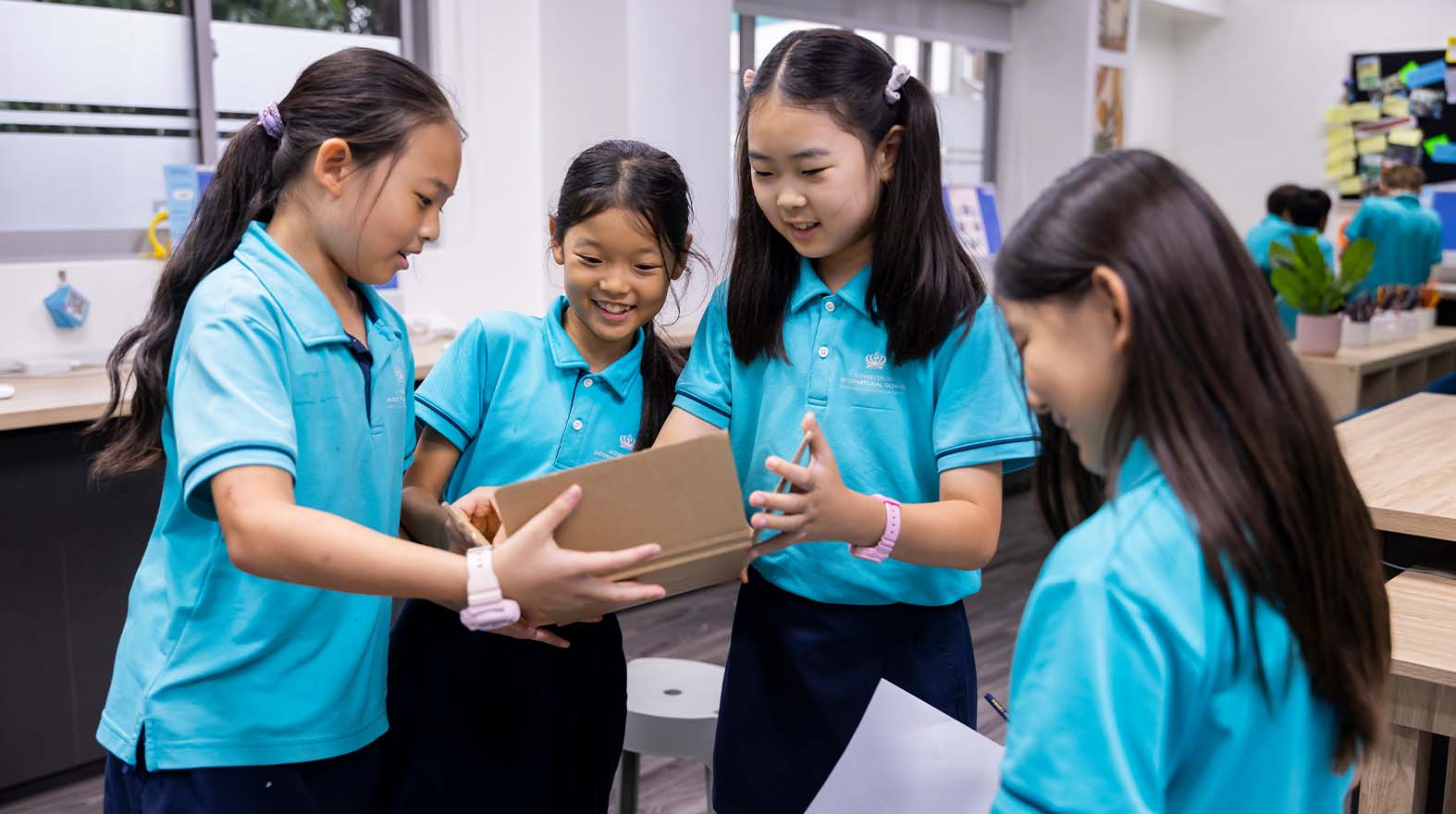
For many families in or relocating to Singapore, this diversity reflects the global environments young people are likely to experience in higher education and future careers. Through these daily interactions, students learn to listen, share ideas, question thinking, learn from one another and work collaboratively to deepen their understanding.
These are not skills learned from a screen. They are developed through relationships, conversation, teamwork and shared experiences.
Their importance is supported by research. A two-year study involving more than 12,000 students across Nord Anglia Education schools, conducted in partnership with Boston College, reported growth in collaboration and commitment (15%), curiosity (20%) and critical thinking (21%). These are exactly the skills that will help young people navigate a future shaped by rapid technological change.
Success Looks Different for Every Child
Another important lesson for an AI-driven future is that there is no single definition of success.
The world needs scientists, engineers and entrepreneurs. It also needs artists, designers, educators, innovators and community leaders.
Education should help young people recognise their strengths, understand how they can contribute and pursue opportunities aligned with their interests and abilities.
At Dover Court, this inclusive approach is reflected throughout school life, from personalised learning experiences and leadership opportunities to the range of diploma options available in Sixth Form.
Academic achievement remains important, but it sits alongside creativity, resilience, leadership, service and character development. Because success is not about every student following the same route.
It is about every student leaving school with a strong sense of who they are, what they value and how they can make a positive contribution.
Preparing Children for a Future We Cannot Predict
No school can predict exactly what the world will look like in twenty years' time.
What schools can do is ensure young people develop the knowledge, habits and human qualities that remain valuable regardless of how technology evolves.
Students need strong academic foundations, critical thinking skills, curiosity, resilience, effective communication and the confidence to keep learning throughout their lives.
At Dover Court International School, preparing students for the future is not about competing with AI. It is about developing the qualities that make us human and ensuring every child leaves with the knowledge, character and confidence to navigate whatever comes next.
Explore More: Raising Kids to Think Critically in the Age of AI
Interested in learning more about how children can develop critical thinking, curiosity and confidence in an AI-powered world? Many of the ideas explored in this article are discussed in greater depth in the Makers & Shapers Podcast episode, Raising Kids to Think Critically in the Age of AI.
In the episode, Becky Hunter, Assistant Head of Primary at Dover Court International School, joins Rebecca Downie and Megha Singh to discuss how schools and families can nurture curiosity, critical thinking and confidence in a world where information is increasingly available at the click of a button.
Available on:
Related news
News image ![Beyond AI: How Dover Court Students Are Building the Human Skills for the Future | Dover Court International School Singapore - Beyond AI How Dover Court Students Are Developing the Human Skills Needed for the Future]() Blog
 Blog
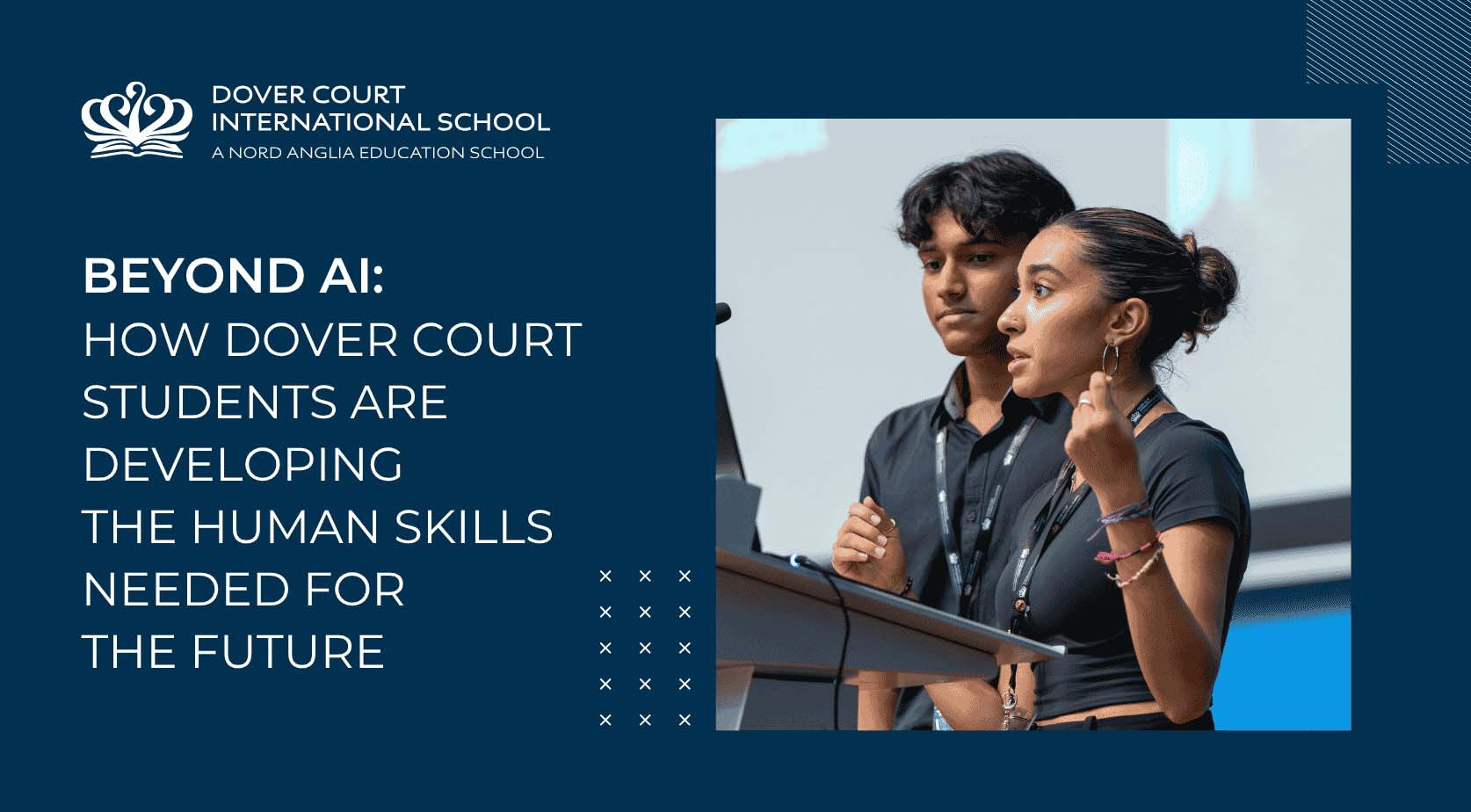
Beyond AI: How Dover Court Students Are Developing the Human Skills Needed for the Future
What skills will matter most in an AI-powered world? Discover how Dover Court students are developing compassion, creativity, critical thinking, collaboration and inclusion through authentic experiences that prepare them for the future.
News image ![How Dover Court Develops Leadership, Initiative and Human Skills - How Student Voice and Leadership Come to Life at Dover Court]() Blog | Art Drama and Music | Academic
 Blog | Art Drama and Music | Academic
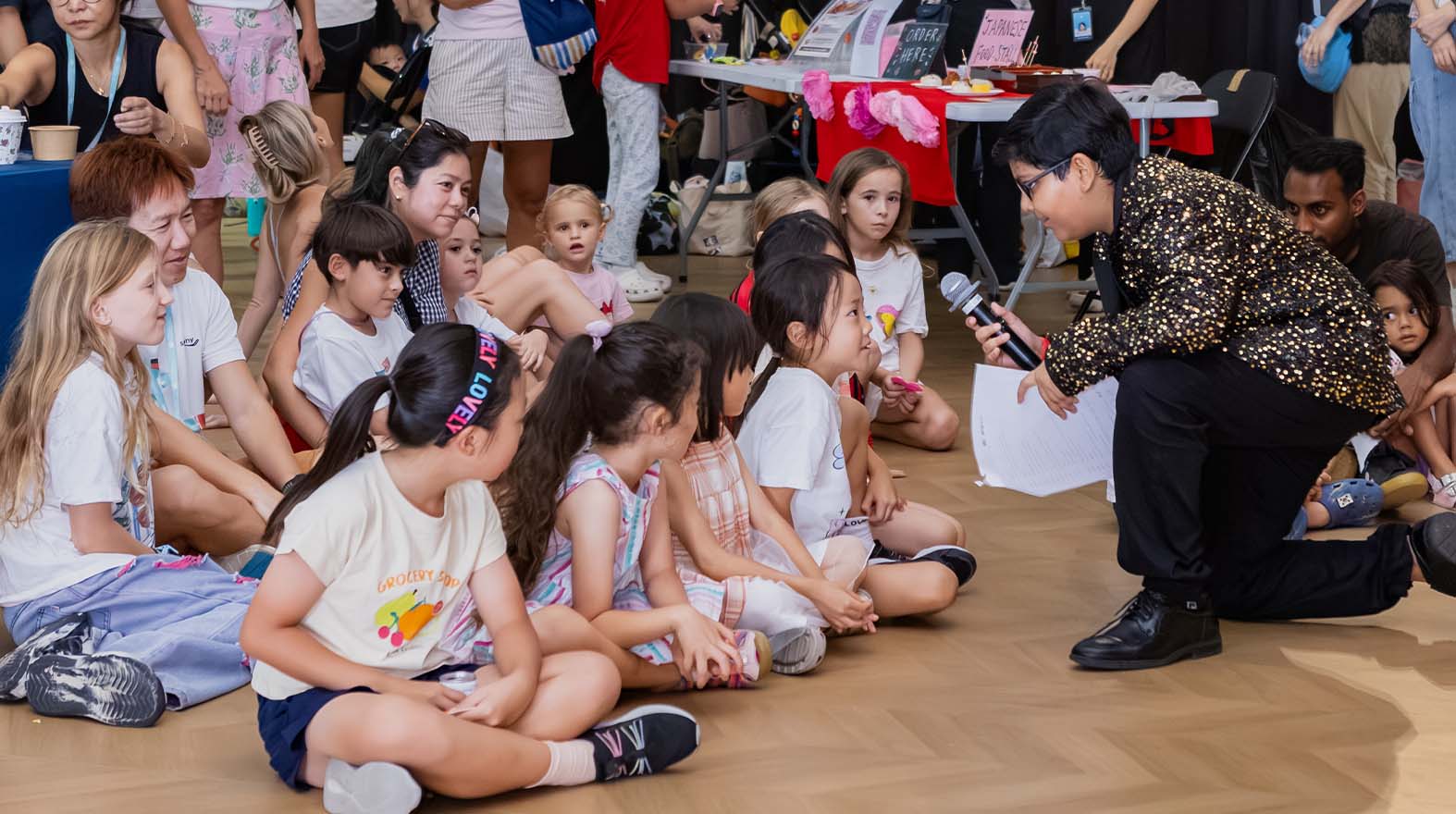
How Student Voice and Leadership Come to Life at Dover Court
What happens when students are empowered to turn ideas into reality? Discover how Year 9 student Daksh developed leadership, communication and problem-solving skills through a student-led initiative, and how experiences like these help young people develop the human skills needed for the future.
News image ![Skills AI Cant Match How we prepare your child for the future at Dover Court International School - Skills AI Cant Match How we prepare your child for the future at Dover Court International School]() Blog
 Blog
Skills AI Can't Match: How we prepare your child for the future at Dover Court International School
In a world full of AI answers, we teach students how to think. At Dover Court International School, your child develops the curiosity, confidence, and critical thinking skills to thrive – learning not just what to learn, but how to question, adapt, and grow in an ever-changing world.
News image ![One of the Best Schools in Singapore for Academic Results Without Selection | Dover Court International School - academic-results-every-child]() Blog | Academic
 Blog | Academic
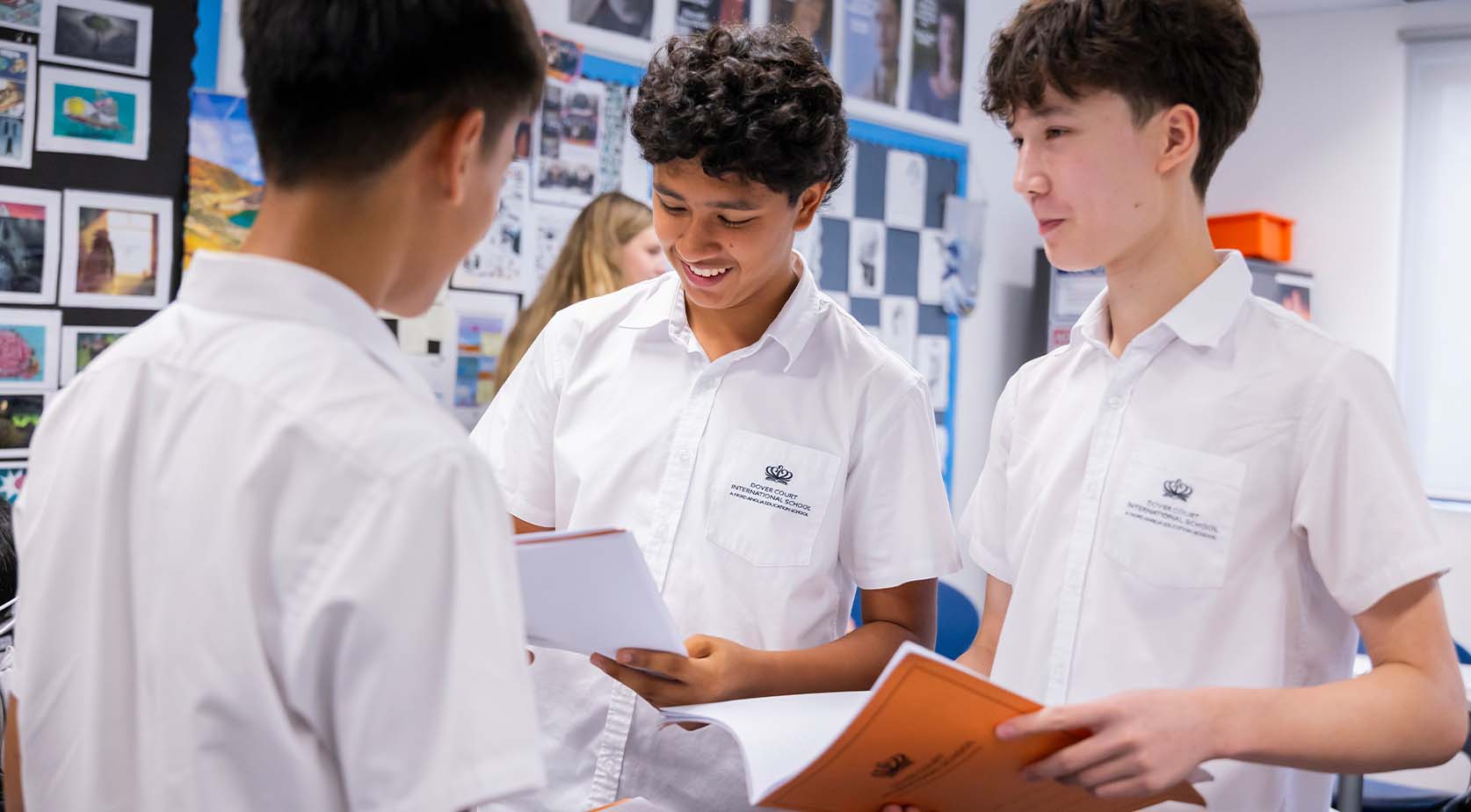
Excellence That Includes Every Child
Parents searching for the best school in Singapore often start with results. At Dover Court International School, the results are strong. From Primary assessments to I/GCSE, BTEC and the IB Diploma, our students achieve well above global averages. Discover an inclusive international school in Singapore where every child is known and stretched.


