



We use cookies to improve your online experiences. To learn more and choose your cookies options, please refer to our cookie policy.
18 November, 2026
Can Students Study Their Home Language in the IB Diploma?

For multilingual families choosing an international school, an important question is often: will my child be able to continue developing their home language while studying in English?
At Dover Court International School in Singapore, our School-Supported Self-Taught (SSST) Literature programme gives eligible IB Diploma students the opportunity to study Literature A in their home language alongside their other IB subjects, while working towards the IB Bilingual Diploma.
Now in its fourth year at Dover Court, the programme helps students maintain a strong connection with their language and literary heritage while developing the independence, critical thinking, and analytical skills required by the IB Diploma Programme.
What is School-Supported Self-Taught Literature in the IB Diploma?
School-Supported Self-Taught (SSST) Literature allows IB Diploma students to study Literature A in a language that may not be offered as a regular timetabled subject at their school.
At Dover Court, students have studied literature in Japanese, Swedish and Spanish, giving multilingual students the opportunity to continue developing their home language alongside their other IB Diploma subjects.
This can be particularly valuable for students studying in an English-speaking international school, helping them maintain a strong connection with their language and literary heritage while developing their analytical and communication skills.
Continuing Japanese alongside English
Year 13 student Junsei is currently studying Japanese Literature A through the SSST programme and recently completed his Individual Oral assessment, an important milestone in the course.
For his Individual Oral, Junsei explored the global issue of how an emphasis on self-reliance can undermine mutual support and collective responsibility, analysing the poetry of Hiroshi Yoshino and Robert Frost.
For Junsei, however, studying Japanese alongside English has been about more than completing an IB assessment.
“Pursuing the IB Bilingual Diploma is definitely worth it for me. Despite the workload and the challenge of studying two languages simultaneously, it has allowed me to cultivate my English while continuing to explore my native language, Japanese.”
He has also found that studying literature across two languages has strengthened his analytical skills in both.
“The two Language A courses are far more complementary than I had anticipated. The analytical skills required are essentially the same, so learning to analyse a text in one language made me considerably more adept at doing so in the other.”
That experience has particular personal significance for Junsei.
“I had always feared losing my ability to read and write confidently in my native language while studying at an English-speaking school.”
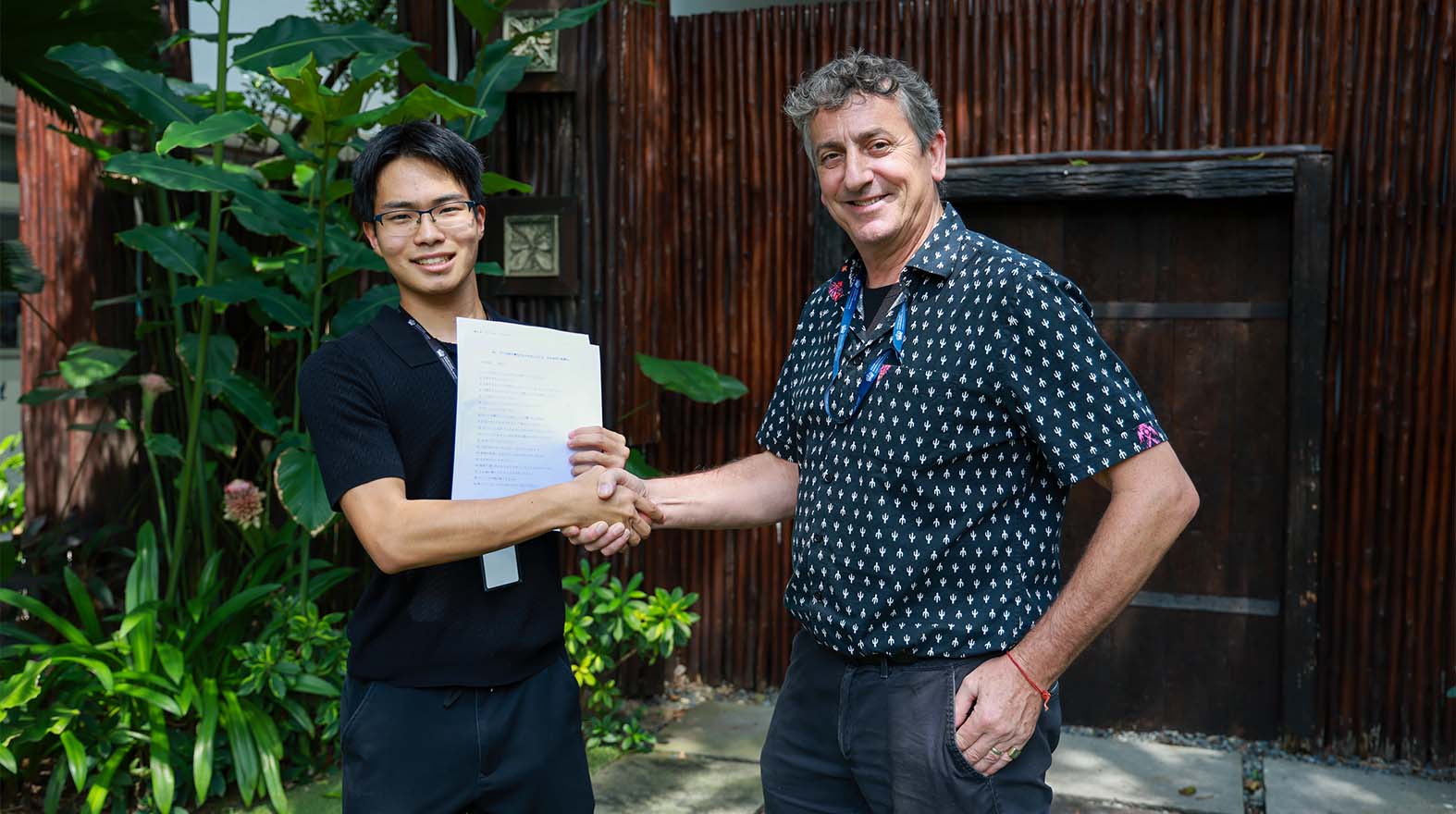
Junsei (Year 13) with Mr Bicker-Caarten, Secondary English Teacher, SSST Supervisor
How does the Individual Oral work?
The Individual Oral accounts for 30% of the final Literature A grade. Students explore a global issue through close analysis of literary works, connecting ideas within the texts to wider social and global questions.
The assessment requires students to communicate ideas clearly, analyse literature independently and consider different perspectives, skills that extend well beyond the study of language itself.
For Junsei, completing the Individual Oral marks an important step towards achieving the IB Bilingual Diploma.
What is the IB Bilingual Diploma?
The IB Bilingual Diploma recognises students who meet specific IB requirements through study across more than one language.
For multilingual students, it can provide an opportunity to continue developing their home language at a high academic level while completing an internationally recognised IB education in English.
The experience also encourages students to move between languages and perspectives, strengthening their intercultural understanding and their ability to communicate and think critically across different contexts.
As Junsei explains:
“I would strongly recommend this route to any student who wishes to continue studying their native language alongside English, while also working towards the valuable IB Bilingual Diploma.”
Celebrating multilingualism at Dover Court
Dover Court's SSST programme reflects the linguistic diversity of our international school community and our belief that students should not have to leave an important part of their language and identity behind when studying in an English-speaking environment.
As the programme enters its fourth year, we look forward to supporting more students in continuing to develop their home languages while challenging themselves academically through the IB Diploma Programme.
Congratulations to Junsei on completing his Individual Oral and reaching another important milestone in his bilingual IB journey.
Related news
News image ![How to Prepare Your Child for an AI-Powered Future | Dover Court International School Singapore - How to Prepare Your Child for an AI-Powered World]() Blog | Academic | Parent Guides
 Blog | Academic | Parent Guides
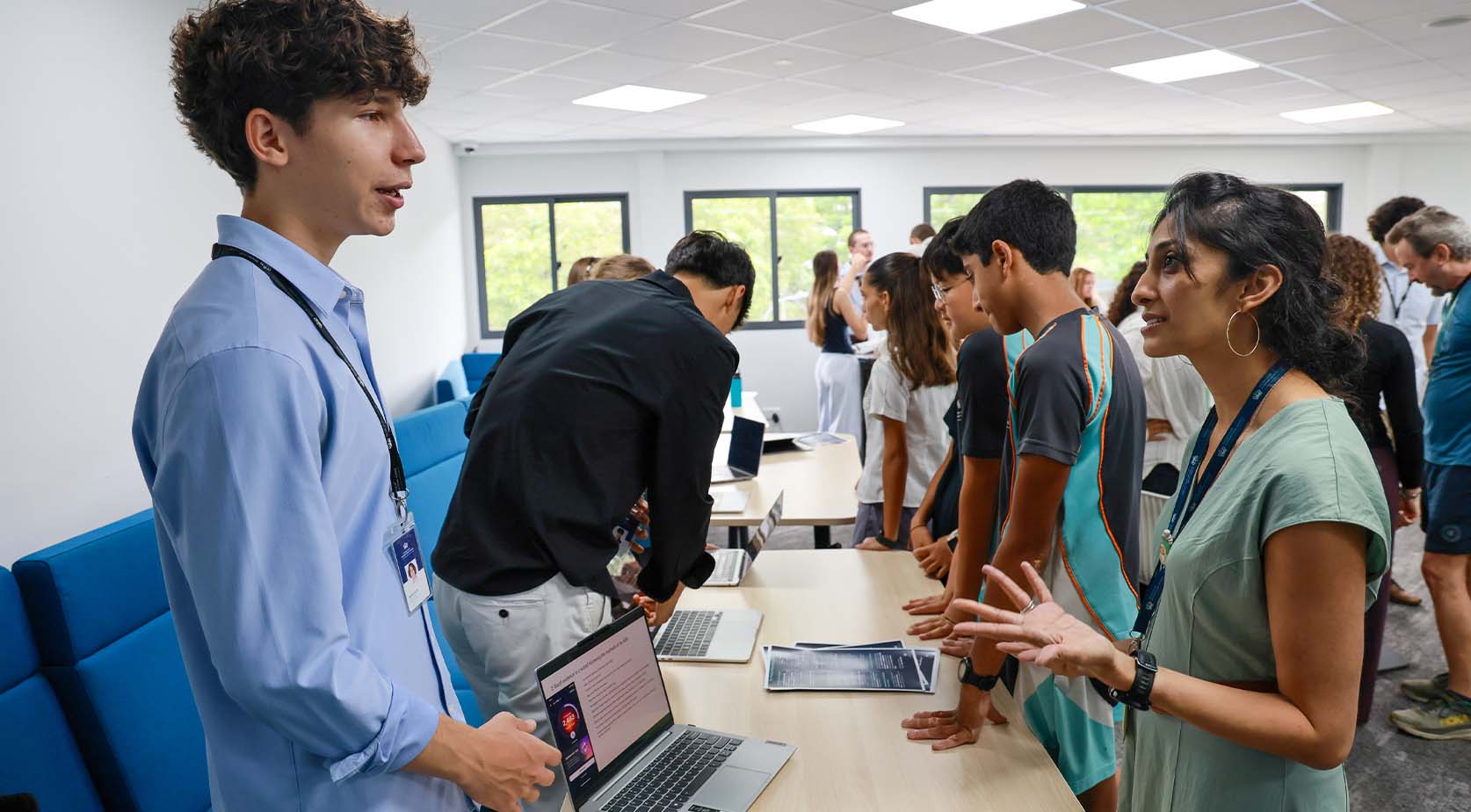
How to Prepare Your Child for an AI-Powered World
How can parents prepare children for a future shaped by artificial intelligence? Discover why critical thinking, curiosity, confidence and human connection remain essential, and how Dover Court International School helps students develop them.
News image ![One of the Best Schools in Singapore for Academic Results Without Selection | Dover Court International School - academic-results-every-child]() Blog | Academic
 Blog | Academic
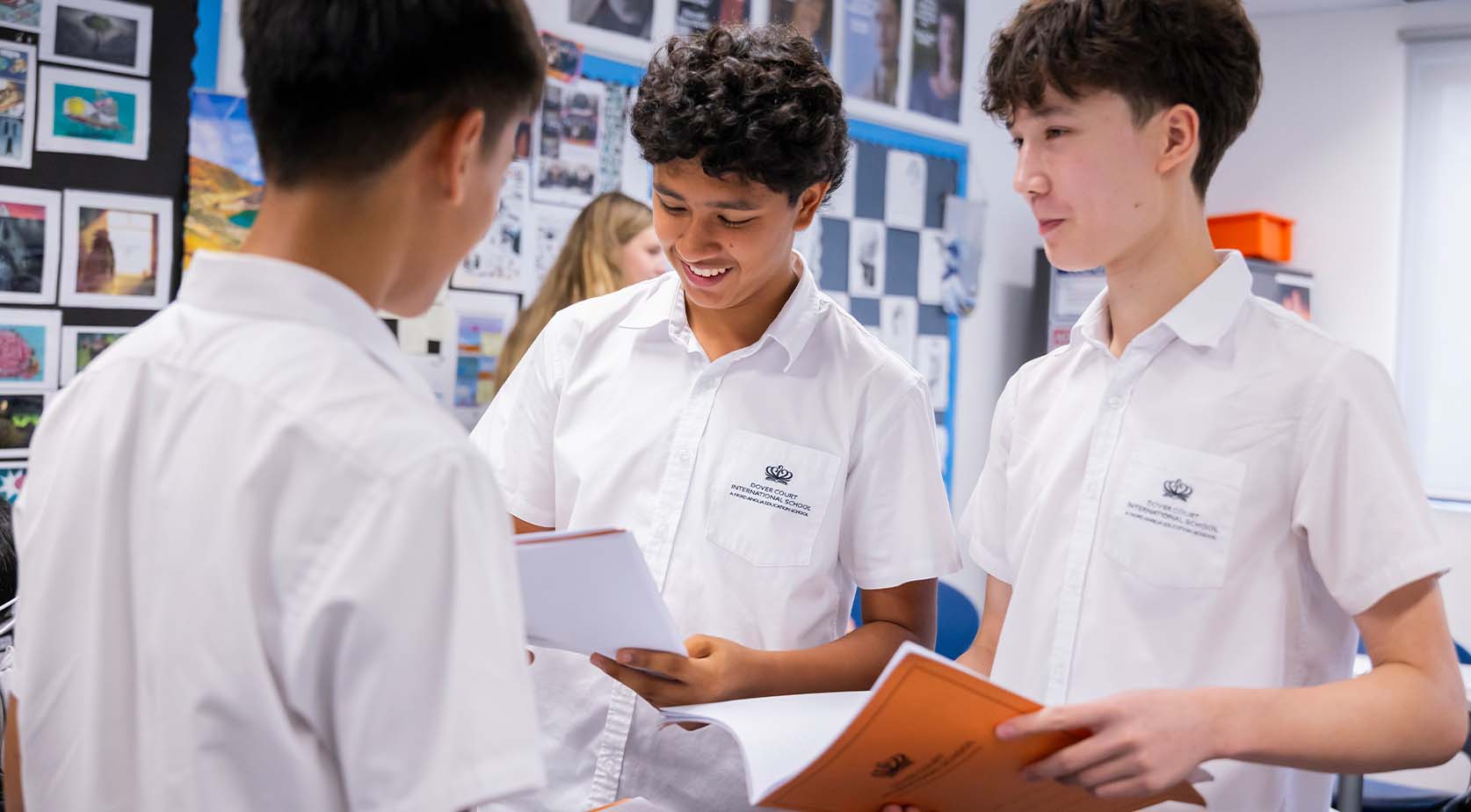
Excellence That Includes Every Child
Parents searching for the best school in Singapore often start with results. At Dover Court International School, the results are strong. From Primary assessments to I/GCSE, BTEC and the IB Diploma, our students achieve well above global averages. Discover an inclusive international school in Singapore where every child is known and stretched.
News image ![Inside the IPC How Dover Court Students Build Critical Thinking Through Real-World Learning - Inside the IPC How Dover Court Students Build Critical Thinking Through Real-World Learning]() News | Academic
 News | Academic
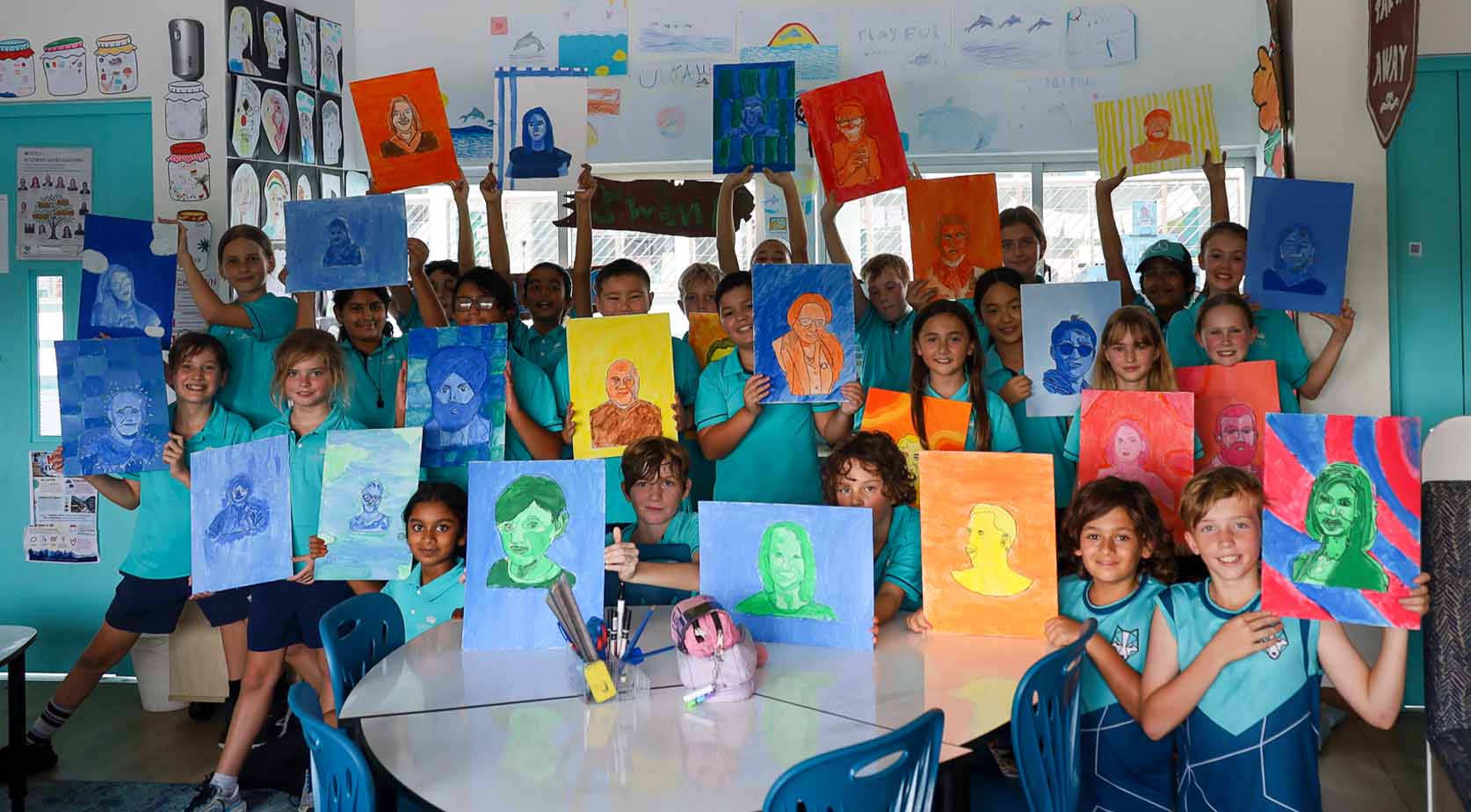
Inside the IPC: How Dover Court Students Build Critical Thinking Through Real-World Learning
Discover how Year 6 students at Dover Court International School Singapore developed empathy, critical thinking and global understanding through the IPC Moving People unit, exploring migration through research, art, storytelling and family histories.
News image ![How Dover Court Develops Leadership, Initiative and Human Skills - How Student Voice and Leadership Come to Life at Dover Court]() Blog | Art Drama and Music | Academic
 Blog | Art Drama and Music | Academic
How Student Voice and Leadership Come to Life at Dover Court
What happens when students are empowered to turn ideas into reality? Discover how Year 9 student Daksh developed leadership, communication and problem-solving skills through a student-led initiative, and how experiences like these help young people develop the human skills needed for the future.


