25 September, 2026
How to Choose an International School: A Complete Guide for Families
Choosing an international school is one of the biggest decisions you will make as a parent. With various options across the Lake Geneva region, it's normal to feel overwhelmed. This guide walks you through exactly what to look for and what questions to ask, so you can find the best fit for your child and your family.
Start with your child, not the school
The most common mistake families make is starting with reputation. League tables, average IB scores, and glossy brochures matter, but they matter less than one central question: is this the right environment for my child?
A child who thrives in a large, academically competitive school is a different child from one who needs a smaller, more nurturing community. A child who is already bilingual has different needs from one joining a new country with no second language. Your starting point should always be your child's character, strengths, and needs, not the school's prestige.
Curriculum: the framework that shapes everything else
International schools offer a range of curricula and the differences are significant. The most common in Switzerland are the International Baccalaureate (IB), the British curriculum including IGCSEs, the American curriculum, and the French national programme.
Each has its own philosophy, assessment approach, and university recognition profile. The IB Diploma is recognised by universities worldwide, requires breadth across six subject groups, and places high value on independent research. It suits students who are academically curious across a range of disciplines and motivated by learning that goes beyond exam performance.
At LCIS Aubonne, students follow the Early Years Foundation Stage, the International Primary Curriculum in Primary, and a pathway through IGCSEs to the IB Diploma in Secondary. A bilingual IB Diploma, taught in English and French, is available for students who qualify.
Language: more than a subject
In Switzerland, language is as much a practical and social consideration as it is an academic one. How much French your child will be taught, and how quickly they are expected to use it, varies between schools.
Some international schools offer French as a foreign language only. Others, like LCIS, embed French across the curriculum from Early Years and offer a fully bilingual programme from Primary onwards. For families planning to stay in Switzerland long-term, an effective bilingual approach makes a meaningful difference.
Community and school size
School size shapes your child's experience in ways that are easy to underestimate. A larger school offers more subject choices and a bigger social pool. A smaller school offers something different: every child is known, pastoral care is more direct, and the community is tighter.
For children who are new to a country, joining mid-year, or naturally quieter and less self-advocating, a smaller community is often the better environment. Visit the school and watch how students interact with each other and with staff. Those relationships tell you more about the school's culture than any prospectus.
For a closer look at this important topic, read our companion article: Why a Smaller International School Might Be the Best Decision for Your Child.
Academic outcomes and university preparation
Results are a reasonable indicator of both teaching quality and curriculum rigour. When comparing schools, however, it is worth looking beyond the headline average. Ask what proportion of students achieve the grades needed for their first-choice universities and which institutions they go on to attend.
At LCIS, the Class of 2026 achieved an average IB score of 35.2, significantly above the global average of 30.9. More than 25% of students scored 40 points or above, and 22% earned the prestigious Bilingual Diploma. Graduates are heading to EPFL, the University of Geneva, UNIL, King's College London, UCL, Dartmouth College, Bocconi University, and the Liverpool Institute for Performing Arts, among many other competitive institutions.
Wellbeing and pastoral care
Academic outcomes tell you what a school achieves. Pastoral care tells you how it treats the people achieving it. Ask schools directly how they support students who are struggling, academically or emotionally. Ask how quickly concerns are flagged to parents and what mental health provision exists.
In a good school, pastoral care is embedded in daily life, not a separate crisis service. Teachers know their students. Form tutors follow up. Problems are caught early. That level of attentiveness is harder to sustain in large institutions and easier to verify when you visit a school and meet its community.
Location and logistics
Practical considerations are not trivial. How far is the school from where you live, and what would the school run look like? Is there a bus service? What are the drop-off and pick-up times?
LCIS is located in Aubonne, 20 minutes from Lausanne and 40 minutes from Geneva. The school runs a bus service covering the main residential areas used by international families across the La Côte region. For many families, the campus setting, green and quiet, surrounded by orchards and vineyards, is itself a reason to choose it over a city-centre school.
How to compare schools fairly
Once you have visited two or three schools, resist the urge to compare them solely on the factors that are easiest to measure: fees, class sizes, IB scores. These metrics matter, but they hardly capture the full picture.
Often, the most meaningful differences are harder to quantify. How did your child feel walking around the campus? How did staff speak to students in the corridor? Did the school feel genuinely warm or just professionally polished? The answers will tell you more about a school’s suitability than any statistic.
Trust your instincts and, just as importantly, trust your child's. When children feel welcome, they usually say so.
Related news
News image ![LCIS Class of 2026: Outstanding Results, Exceptional Futures - IB Results 2026]() News | Secondary School
News | Secondary School
 News | Secondary School
 LCIS Class of 2026: Outstanding Results, Exceptional Futures
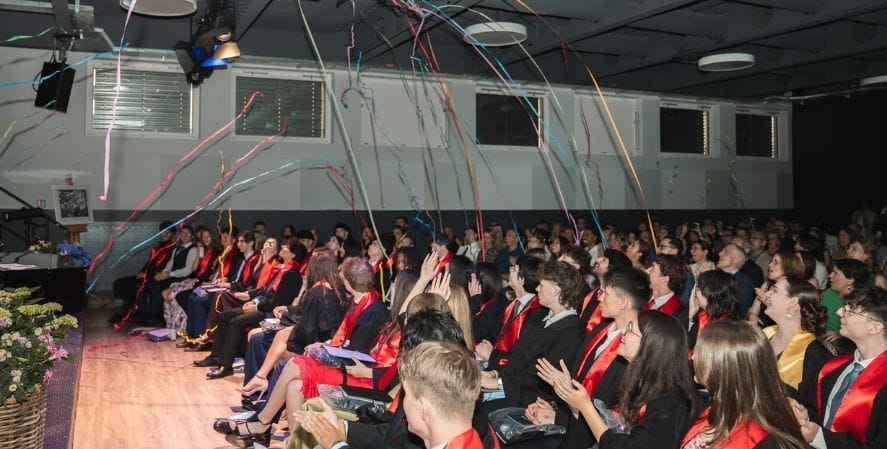
LCIS Class of 2026 achieved a 35.2 IBDP average, with over 25% scoring 40+ points and 22% earning the Bilingual Diploma.
News image ![Small International School Switzerland | The LCIS Difference - Why a Smaller International School Might Be the Best Decision for Your Child]() Blog
Blog
 Blog
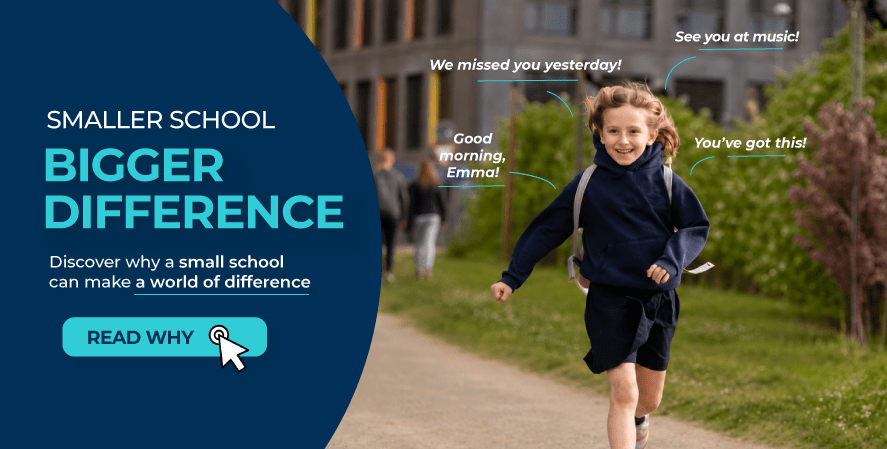
Blog Why a Smaller International School Might Be the Best Decision for Your Child
Smaller class sizes, every child known by name, and world-class Nord Anglia resources. Discover why a smaller international school in Switzerland could be right for your child.
News image ![More Than Books: Designing a School Library for Every Learner - What Makes a Good School Library]() News | Early Years | Primary | Secondary School
News | Early Years | Primary | Secondary School
 News | Early Years | Primary | Secondary School
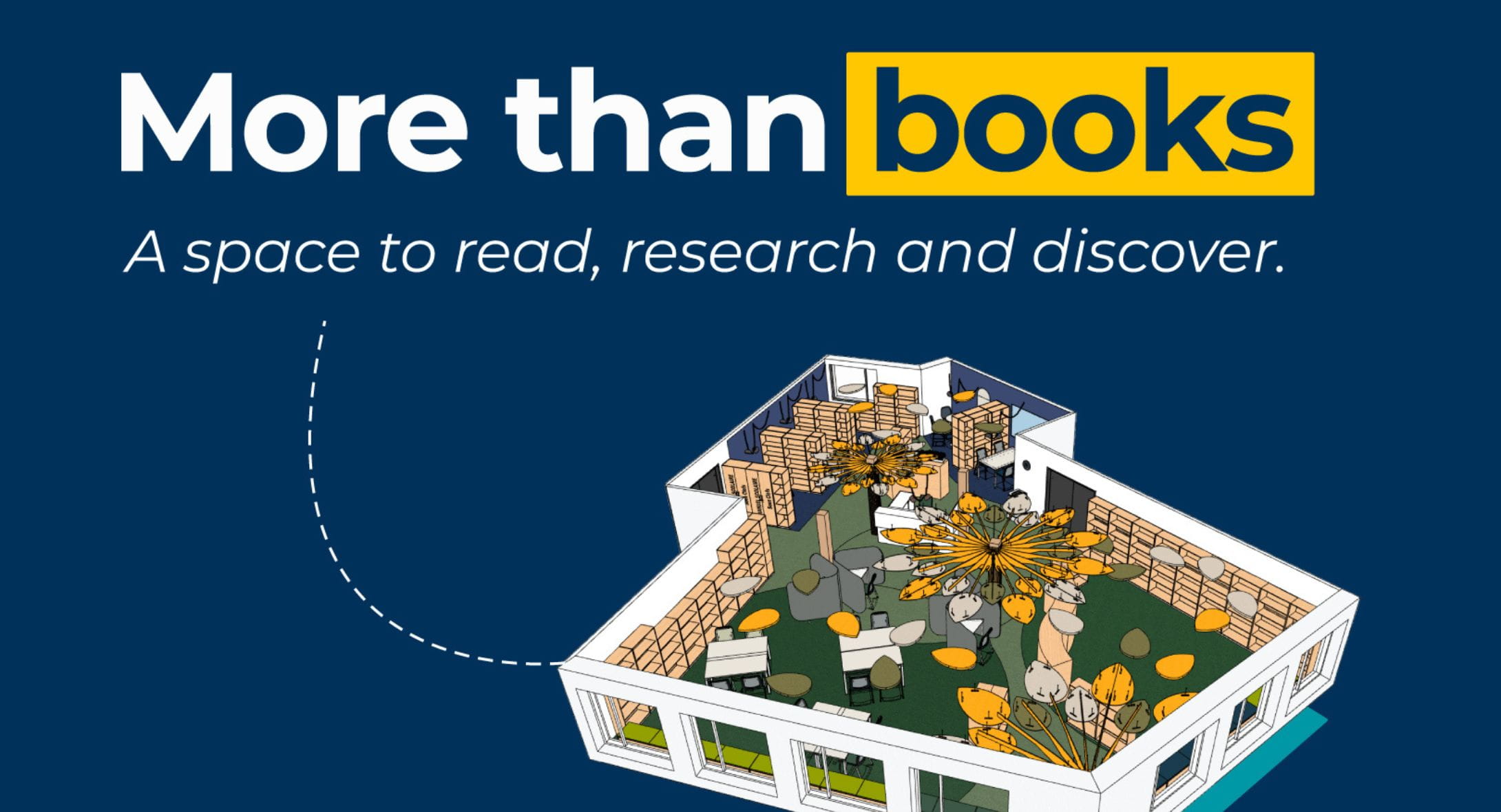
 More Than Books: Designing a School Library for Every Learner
A modern school library is more than books—it’s a space for reading, collaboration, research and curiosity. The refurbished LCIS library is designed to support every learner through flexible, student-centred spaces.