How do children grow through everyday independence? The small wins that matter

START THE JOURNEY OF A LIFETIME
The power of small wins
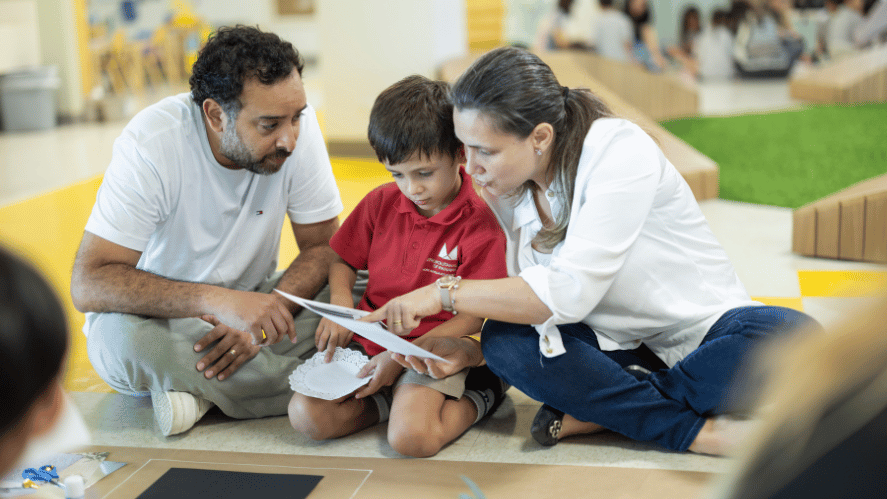
There is a special kind of confidence that appears in children when they realize, often quietly, “I can do this”. It happens when they tie their own shoes for the first time, pack their school bag without being reminded, pour their own water carefully, or approach a new activity with curiosity instead of hesitation.
These small, everyday wins are easy to overlook in the rush of routines. Yet they are often the moments where true independence begins to take shape. For parents, they can also bring a mix of pride, surprise, and even a little nostalgia. Watching your child grow into their own agency is one of the most meaningful parts of parenting, and it deserves to be celebrated.
What everyday independence teaches children
When children practice small forms of independence, they are doing much more than mastering tasks. They are learning to trust themselves. They are building resilience when things don’t go as planned. They are developing problem-solving skills, patience, and responsibility. These skills become part of who they are, shaping their confidence in school, friendships, and new environments.
And here’s something important to remember: if you are offering your child the space to try, even if it feels imperfect or slow, you are already doing a great job. Independence grows because parents allow it to grow.
When encouraging independence needs gentle support
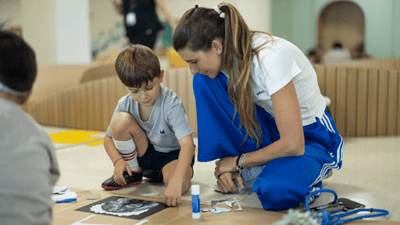
Parents naturally want to help. It is an instinct rooted in love, not control. Yet sometimes helping too much makes children doubt their own abilities. If this sounds familiar, you are not alone. Many families struggle with finding the balance between supporting their child and stepping back enough for them to learn through experience.
A useful strategy is to look for opportunities that feel low stakes. Let them zip their own jacket, even if it takes longer. Ask them to gather what they need before leaving the house. Invite them to take the lead on a small task at home. When you shift from doing things for them to doing things with them, independence becomes a shared learning process instead of a pressure point.
What if your child is already naturally independent?
Some children show independence early. They prefer trying things on their own, making choices, or taking the lead in everyday situations. While this can be encouraging, it may also bring new questions: How do I support a child who wants to do everything alone? How do I help them navigate frustration when they expect too much from themselves?
In these moments, children benefit from gentle emotional guidance. Praise their initiative but also help them understand that independence doesn’t mean getting everything right the first time. Encourage them to ask for help when they need it and remind them that independence and connection can coexist comfortably.
Supporting independence at school and at home
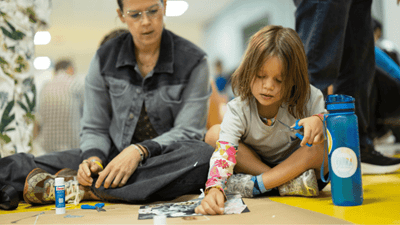
Environments that encourage independence help children grow into thoughtful, capable learners. Classrooms rooted in exploration, choice, and reflection empower students to build self-discipline and agency at their own pace. At home, simple routines and small responsibilities can reinforce the same habits.
When school and home, work together, children experience independence not as a challenge but as a natural part of becoming themselves.
If you would like to learn how we nurture student independence through meaningful, everyday experiences, you are welcome to schedule a campus tour or explore more here.
Related news
.png?h=499&iar=0&w=887&rev=0ddd6039d5614e3cb9841658569eeae5&hash=7B67BEFCD926EF31AA7E8D1899D407E6) Blog
Blog  Blog
Blog