Between Childhood and Independence: Why Middle School is a defining phase

START THE JOURNEY OF A LIFETIME
The hidden power of Middle School
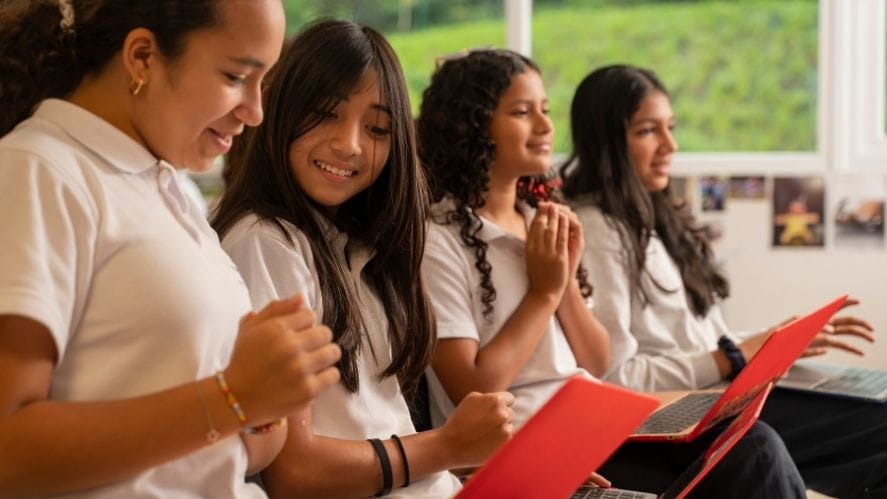
If childhood is where children learn to speak, walk, and play, then Middle School is where they begin to define who they are. It’s when questions get deeper, friendships more complex, and learning becomes not just about facts, but about meaning, relevance, and self-direction.
While these years may look messy from the outside (mood swings, changing interests, emotional intensity), they are evidence of important internal work. This is the season of rapid growth, cognitively, emotionally, socially, and what happens here has ripple effects for high school, university, and beyond.
Why it feels like a blur—But matters so much
Middle School often gets overlooked. There are no graduation gowns, no first steps, or first jobs to celebrate. But make no mistake, this is where some of the most powerful learning happens:
- Students begin to form their worldview, questioning what they’ve been told and exploring who they want to be.
- They start developing metacognitive awareness, learning how they learn, not just what they learn.
- They face real ethical dilemmas, peer pressure, and the first big tests of self-identity.
- These are not small milestones. They are the very foundation of independent thought, emotional regulation, and resilience.
What they need most during these years
More than perfect grades or packed schedules, students in Middle School need guidance, structure, and trust. They need adults who:
- Encourage risk-taking and curiosity, not just performance.
- Model emotional regulation and vulnerability.
- Create spaces for honest conversations and reflection.
Middle Schoolers thrive when we give them room to explore and make mistakes without fear of judgment. This is how they build self-confidence and agency.
What families can do
For families, these years can feel unfamiliar. Children who once shared everything suddenly become more private. The stakes feel higher. But here’s what helps:
- Listen more than you advise. Let them speak before you solve.
- Stay curious. Ask what they’re thinking, not just what they did today.
- Trust the slow burn. Growth at this stage doesn’t always look linear, but it’s happening.
Middle School is not just a phase to survive. It’s a time to lean in with empathy, patience, and support.
The role of school: Creating the right conditions
At this stage, students need more than content delivery. They need an environment that:
- Prioritizes interdisciplinary learning and encourages real-world application
- Emphasizes Approaches to Learning: self-management, research, collaboration
- Nurtures student voice and agency through projects, exhibitions, and reflection
- Provides support systems that recognize the emotional complexity of these years
This is why schools that value Middle School as a distinct, critical phase, not just a stepping stone, are better positioned to support long-term student success.
Middle School is where identity starts to take shape
When we invest in Middle School intentionally, we give students the tools to navigate not just high school, but life. They begin to understand how they learn best, how to manage their emotions, how to collaborate with others, and how to bounce back when things don’t go as planned.
They begin to see themselves as thinkers, creators, and contributors.
And in a world that is changing fast, those are the skills that will carry them forward.
Interested in how we guide students through this pivotal stage?
Explore our Middle Years Programme and see how it builds confident, capable learners ready for the world.
Related news
.png?h=499&iar=0&w=887&rev=0ddd6039d5614e3cb9841658569eeae5&hash=7B67BEFCD926EF31AA7E8D1899D407E6) Blog
Blog  Blog
Blog