What children learn when we allow them to pause
START THE JOURNEY OF A LIFETIME
What children and parents gain when we slow down
In a world that moves fast and rewards constant productivity, pausing can feel uncomfortable. For many families, slowing down feels like falling behind. Yet some of the most meaningful growth in children does not happen when everything is scheduled, optimized, or measured, but in the quiet spaces in between.
Pauses are not empty moments. They are where reflection, regulation, and real connection begin.
The pressure to keep going
Parents today carry an invisible weight. Busy calendars, academic expectations, extracurriculars, and social demands often create a sense that stopping is a luxury. Children feel it too. Even when they cannot name it, they absorb the pace around them.
This is why intentional pauses matter. Not as breaks from learning, but as part of learning itself.
What children learn in moments of pause
When children are given space to pause, they begin to notice themselves. They process experiences. They make sense of emotions. They reconnect with curiosity.
These moments might look simple. A child staring out the window. Sitting quietly after school. Choosing not to fill every afternoon with activities. Yet internally, something important is happening. Children are learning to regulate, reflect, and trust their own rhythm.
This is often when a quiet realization appears: I can breathe here. I am safe to slow down.

A reminder for parents: you are doing enough
Many parents worry that slowing down means missing opportunities. But offering your child space is not a lack of effort. It is an act of trust.
If you are allowing room for rest, for boredom, for unstructured time, you are supporting something essential. Growth does not only come from doing more. It also comes from being present enough to notice what is already unfolding.
If this resonates, let it serve as a gentle reminder: you are doing better than you think.
When pausing feels uncomfortable
For some families, pausing brings up anxiety. Silence can feel unproductive. Unscheduled time can feel like a loss of control. This is natural, especially in a culture that values output over wellbeing.
A helpful place to begin is with small pauses. A few minutes of quiet before homework. A walk without a destination. A shared moment without an agenda. When pauses are introduced gently, they become less threatening and more restorative.
Teaching children that rest and growth coexist
Children learn from what we model. When they see adults honor rest without guilt, they begin to understand that slowing down is not a weakness. It is balance.
Pauses teach children that learning does not disappear when the pace changes. In fact, it deepens.
Creating environments where pauses are valued
Both at home and at school, environments that respect reflection and balance help children develop emotional awareness, resilience, and self-trust. When pauses are woven into daily life, children learn that they do not need to rush to become someone. They are already becoming.
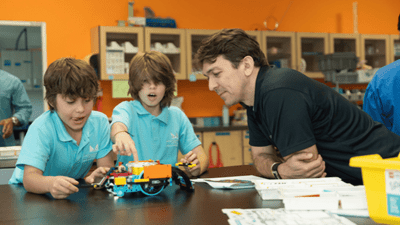
If you would like to learn more about how we support balanced growth and meaningful learning experiences, you are welcome to explore more here or schedule a campus visit.
Related news
.png?h=499&iar=0&w=887&rev=0ddd6039d5614e3cb9841658569eeae5&hash=7B67BEFCD926EF31AA7E8D1899D407E6) Blog
Blog  Blog
Blog