15 January, 2026
Helping children rebuild routines without pressure
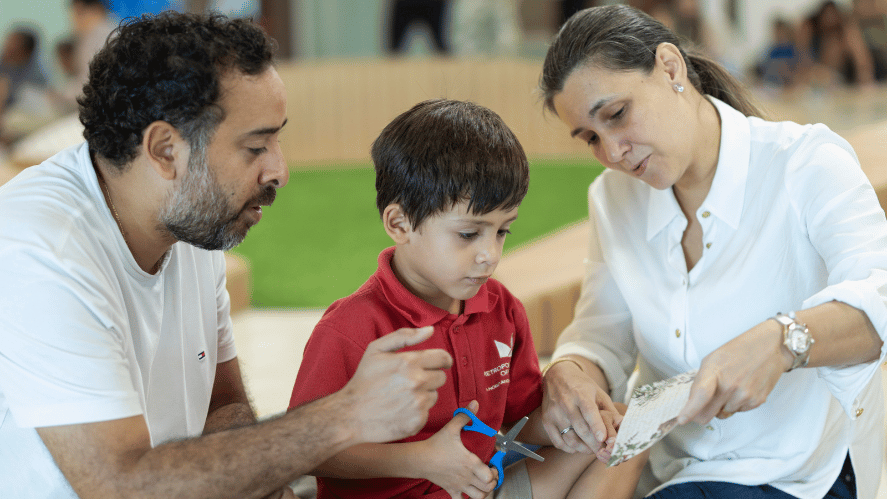
Returning to routine after a break can be challenging for both children and parents. This blog explores how routines can be rebuilt without pressure, why transitions take time, and how consistency paired with empathy helps children regain balance, confidence, and emotional security. A thoughtful, practical read for families navigating change with care.

START THE JOURNEY OF A LIFETIME
The MET offers an extraordinary experience that your child will never forget — a one-of-a-kind foundation that will guide them throughout their years as a global citizen. Our Admissions team looks forward to learning more about your child’s interests and welcoming you into our friendly community.
Inquire nowReturning to routine after a break can feel harder than expected. Mornings are slower. Bedtimes stretch. Children who seemed calm and connected during time off may suddenly resist structure, and parents are left wondering whether they should push harder or give more space.
The truth is that rebuilding routines does not need to feel like a reset or a battle. For children, routine is not about control. It is about safety, predictability, and trust. And the way routines are reintroduced matters just as much as the routines themselves.
Why routines feel different after a break
Breaks are often full of flexibility. Schedules soften. Expectations shift. Children adapt quickly to this rhythm, not because they are avoiding responsibility, but because they are responding to a change in the environment.
When routine returns abruptly, children may show resistance, emotional reactions, or fatigue. This is not a sign that something is wrong. It is a sign that their nervous system is adjusting. In these moments, what children need most is not pressure, but support.
Rebuilding routine through connection, not force
Routines are most effective when children feel involved rather than managed. Small choices can make a meaningful difference. Allowing a child to choose which clothes to wear, which book to read before bed, or how to organize their backpack helps them feel ownership over the rhythm of their day.
Instead of focusing on what is not happening yet, notice what is. A child who gets out of bed with less resistance. A smoother transition after school. A moment when they pause and say, I know what comes next. These are quiet signals that routine is taking root again.
Progress happens in small, imperfect steps
It can be tempting to expect routines to return quickly. But children do not recalibrate overnight. Rebuilding rhythm is a gradual process, and that is not a failure. It is how learning happens.
If routines feel messy, that does not mean you are doing something wrong. It means your child is learning how to shift gears again. Offering consistency without rigidity allows children to rebuild confidence while feeling emotionally supported.
This is also an important reminder for parents. If you are holding space, adjusting expectations, and staying present, you are already doing enough.
When routine feels especially challenging
Some children need more time than others to re-enter structured days. This can be especially true for children who are sensitive, reflective, or deeply aware of changes around them. For these children, routine works best when it is paired with reassurance.
Gentle check-ins, calm transitions, and predictable moments of connection can help ease anxiety. Routine is not just about schedules. It is about knowing what to expect and trusting that support will be there when needed.
Creating environments that support balance
At home and at school, environments that honor balance help routines feel natural rather than imposed. When children experience structure alongside flexibility, they learn that routine is something that supports them, not something that restricts them.
Over time, this balance builds independence, emotional regulation, and confidence. Children begin to move through their days with greater ease, understanding that rhythm and care can coexist.
If you would like to learn more about how we support children as they transition back into routine with care, intention, and balance, you are welcome to explore more or schedule a campus visit.
The truth is that rebuilding routines does not need to feel like a reset or a battle. For children, routine is not about control. It is about safety, predictability, and trust. And the way routines are reintroduced matters just as much as the routines themselves.
Why routines feel different after a break
Breaks are often full of flexibility. Schedules soften. Expectations shift. Children adapt quickly to this rhythm, not because they are avoiding responsibility, but because they are responding to a change in the environment.
When routine returns abruptly, children may show resistance, emotional reactions, or fatigue. This is not a sign that something is wrong. It is a sign that their nervous system is adjusting. In these moments, what children need most is not pressure, but support.
Rebuilding routine through connection, not force
Routines are most effective when children feel involved rather than managed. Small choices can make a meaningful difference. Allowing a child to choose which clothes to wear, which book to read before bed, or how to organize their backpack helps them feel ownership over the rhythm of their day.
Instead of focusing on what is not happening yet, notice what is. A child who gets out of bed with less resistance. A smoother transition after school. A moment when they pause and say, I know what comes next. These are quiet signals that routine is taking root again.
Progress happens in small, imperfect steps
It can be tempting to expect routines to return quickly. But children do not recalibrate overnight. Rebuilding rhythm is a gradual process, and that is not a failure. It is how learning happens.
If routines feel messy, that does not mean you are doing something wrong. It means your child is learning how to shift gears again. Offering consistency without rigidity allows children to rebuild confidence while feeling emotionally supported.
This is also an important reminder for parents. If you are holding space, adjusting expectations, and staying present, you are already doing enough.
When routine feels especially challenging
Some children need more time than others to re-enter structured days. This can be especially true for children who are sensitive, reflective, or deeply aware of changes around them. For these children, routine works best when it is paired with reassurance.
Gentle check-ins, calm transitions, and predictable moments of connection can help ease anxiety. Routine is not just about schedules. It is about knowing what to expect and trusting that support will be there when needed.
Creating environments that support balance
At home and at school, environments that honor balance help routines feel natural rather than imposed. When children experience structure alongside flexibility, they learn that routine is something that supports them, not something that restricts them.
Over time, this balance builds independence, emotional regulation, and confidence. Children begin to move through their days with greater ease, understanding that rhythm and care can coexist.
If you would like to learn more about how we support children as they transition back into routine with care, intention, and balance, you are welcome to explore more or schedule a campus visit.
Related news
News image ![IB vs Traditional Education - IB vs Traditional Education]() Blog
Blog
.png?h=499&iar=0&w=887&rev=0ddd6039d5614e3cb9841658569eeae5&hash=7B67BEFCD926EF31AA7E8D1899D407E6) Blog
Blog IB vs. Traditional Education: What’s the difference for your child?
What makes an IB education different? Discover how inquiry, reflection, and student agency can shape the way children experience learning.
News image ![Is your child ready for kindergarten? What to look for in a Kinder Program in Panama - Child ready for Kinder]() Blog
Blog
 Blog
Blog Is your child ready for kindergarten? What to look for in a Kinder Program in Panama
Choosing Kinder is a big step. Discover what parents should look for in a Kinder program that builds confidence, curiosity, independence, and readiness for Grade 1.