The Power of Being Known
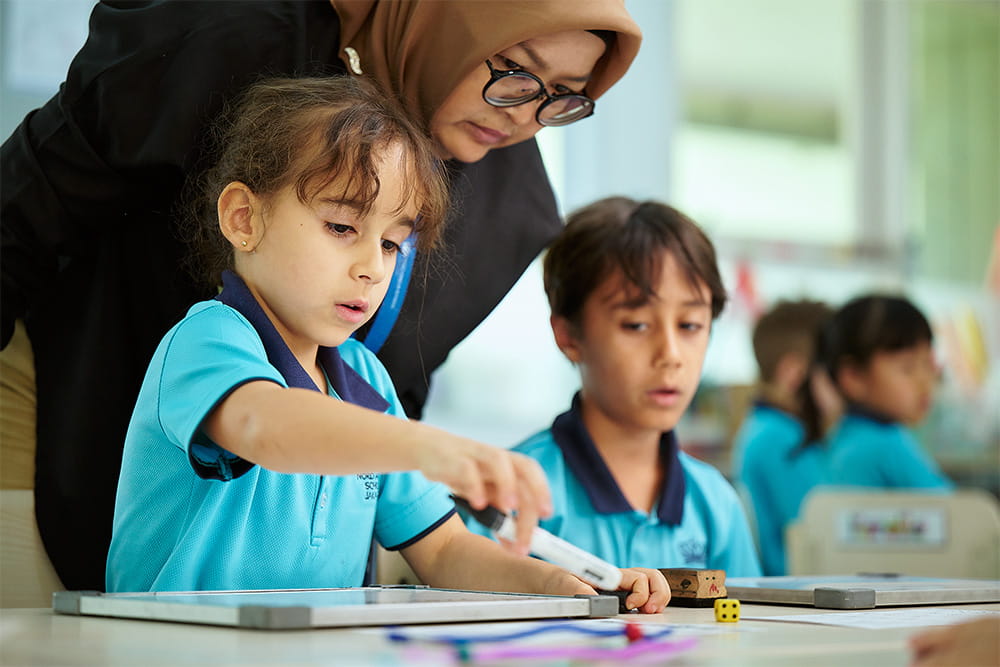
In larger classes, it's easy for quieter children to fade into the background or for curious minds to race ahead without the right support. At Nord Anglia School Jakarta, small class sizes mean every child has what they need to flourish. This personalised approach works because our teachers aren't just delivering lessons. They're building relationships. They know which child responds well to visual learning, who needs movement breaks to focus and who asks the most thoughtful questions when given thinking time.
How We Track Every Child's Journey
Smaller classes are only part of the story. What makes the real difference is how we use that advantage. Three times each year, our teachers meet for detailed assessment discussions. They review each child's progress, celebrate growth and identify what support or challenge comes next. These aren't tick-box exercises. They're meaningful conversations about real children and their individual learning journeys. We also listen directly to our students through child voice surveys. Even our youngest learners help us understand what's working and what they need. This approach means no child waits to receive support. We spot needs early and act quickly.
Academic Growth That Lasts
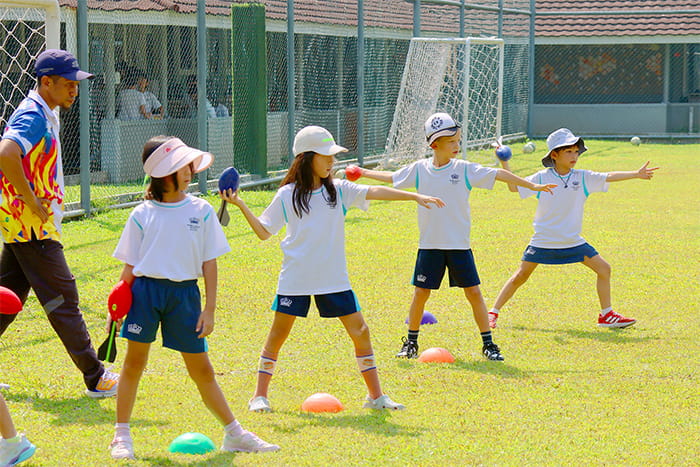
The results speak for themselves. Children in our Early Years and Primary programmes consistently exceed expected progress in Literacy and Numeracy. However, the benefits go far beyond test scores. In small classes, children develop stronger critical thinking skills because they have more opportunities to speak, question and explore ideas. They learn to articulate their thinking, defend their reasoning and listen to different perspectives.
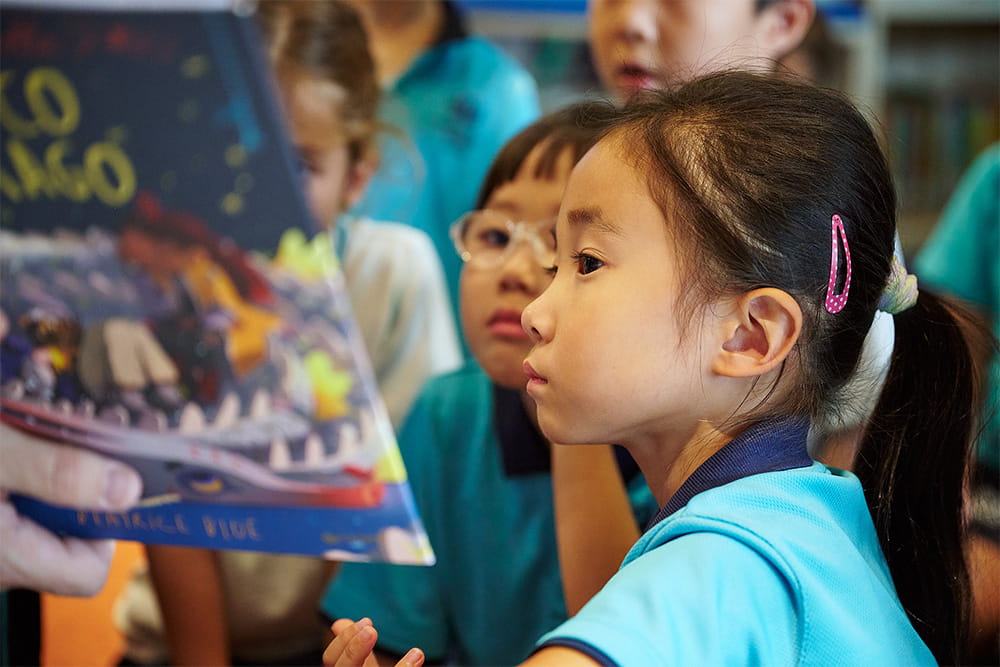
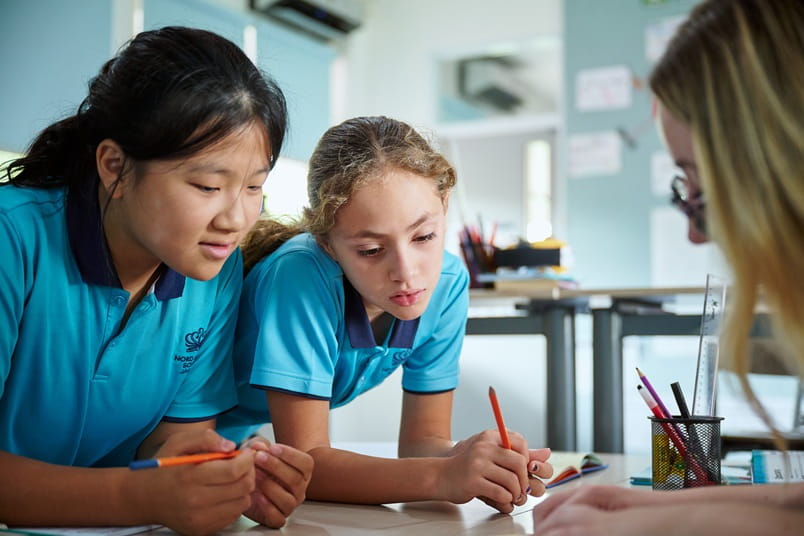
Our Year 5 and Year 6 students tackle STEAM challenges on a consistent basis. In smaller classes, teachers can circulate between groups as students design solutions to real-world problems. They ask probing questions, offer targeted guidance and ensure every student contributes meaningfully to their team's work. This kind of rich learning experience happens daily when teachers have the capacity to facilitate genuine dialogue rather than simply manage behaviour and deliver content.

Social Confidence and Emotional Wellbeing
Academic achievement matters, but so does how children feel about themselves and their place in the world. Smaller class sizes create the conditions for strong social and emotional development. Children in our classes form deeper friendships. They learn to collaborate, resolve conflicts and support one another. Teachers notice when a child seems withdrawn or anxious and can intervene with sensitivity and care.
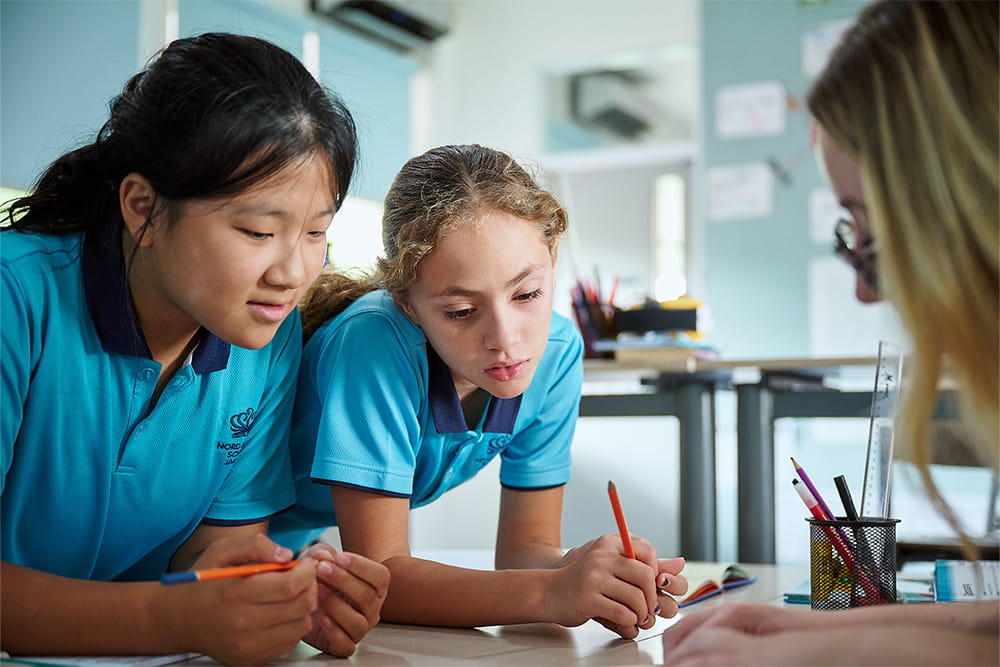
Our pastoral support starts from the moment a new student enters the lobby during our admissions process. Staff know our students and spot changes in behaviour or mood quickly. They have quiet conversations, involve parents early and ensure every child feels safe and supported. Parents tell us their children blossom socially at Nord Anglia School Jakarta. Children who were hesitant to participate in their previous schools now volunteer answers, lead group projects and take creative risks. This transformation happens when children feel genuinely known and valued.

Teaching That Adapts to Your Child
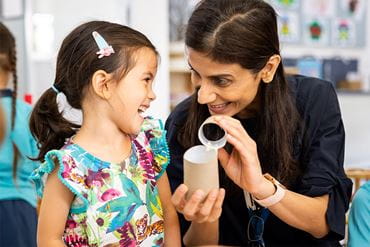
Every child learns differently. Some grasp concepts quickly and need extension activities. Others need more time, different explanations or hands-on approaches.
At Nord Anglia School Jakarta, adaptive teaching isn't an add-on. It's how we teach.
Consider Year 4's weekly “Independent Day”. Students take ownership of their learning through self-directed activities whilst teachers monitor to provide targeted support exactly where it's needed. One student might be working through a challenging Maths problem and receives step-by-step guidance. Another is ready to extend their Science investigation and collect resources to explore further. A third needs help organising their thoughts for writing and sits down with the teacher for focused support. This flexible approach only works when class sizes allow teachers the bandwidth to respond to individual needs in real time.
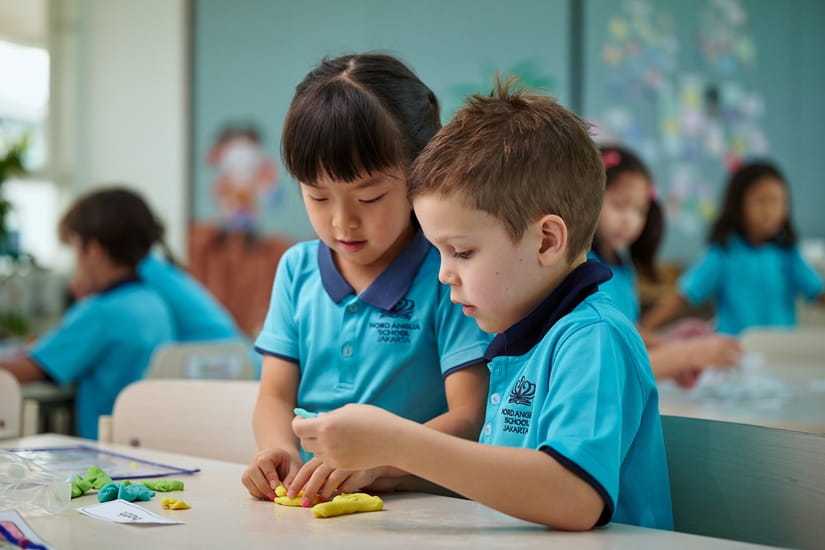
In Year 1, our 'All About Me' IPC unit demonstrates how smaller classes enable deep relationships from the start of the academic year. Teachers collaborate with parents to discover each child's interests, learning styles and needs. The unit culminates with parents visiting the classroom to share in their children's learning. These early connections between teacher, child and family create a foundation of trust that supports everything that follows.
What This Means for Your Child
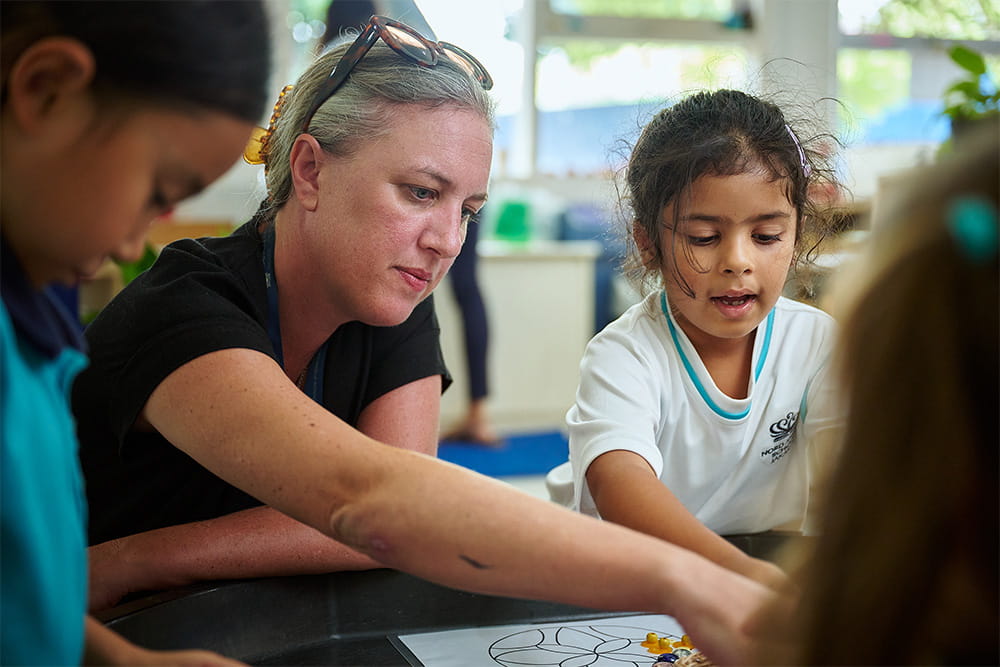
Choosing the right school means finding a place where your child will be challenged, supported and genuinely happy. Smaller class sizes aren't just a tickbox item on your admissions list. They're the foundation for everything we do. In our Early Years and Primary programmes, your child will benefit from teachers who notice their strengths, understand their challenges and celebrate their progress. They'll develop strong academic skills alongside confidence, curiosity and resilience.
They'll learn in an environment where their voice matters, where asking questions is encouraged and where mistakes are valued as part of learning. They'll form meaningful
friendships and develop the social skills that matter just as much as grades. Most importantly, they'll feel known and when students feel known, they don't just learn, they thrive.
Experience the Difference Yourself
Smaller class sizes change everything about how children learn and grow. We invite you to see this in action.
Book a tour of Nord Anglia School Jakarta and visit our Early Years and Primary classrooms. Watch how our teachers interact with students, observe the quality of classroom discussions and imagine your child in this environment.
Book a school tour or contact our admissions team here to learn more about how we help every child shine.