



We use cookies to improve your online experiences. To learn more and choose your cookies options, please refer to our cookie policy.
January 29, 2026
Goal-Setting Without Pressure: Teaching Your Child Healthy Motivation

At the beginning of a new school year, sports season, or academic term, many parents encourage their children to set goals in hopes of inspiring success. While goal-setting can be a powerful tool for growth, it can unintentionally turn into pressure when expectations feel overwhelming or tied too closely to performance.
Research shows that excessive pressure activates a child’s stress response, making it harder to concentrate, retain information, and enjoy learning. [1] According to the American Psychological Association, chronic stress in children can impair memory, attention, and emotional regulation, all of which are essential for learning. [2] As psychologist Dr. Bruce McEwen explains, “Stress hormones can weaken the brain circuits that are critical for memory and learning when they are overactivated for long periods of time.” [3] Instead of feeling motivated, children may begin associating goals with anxiety and fear of failure rather than progress and excitement.
Why Emotional Safety Drives Motivation
Studies in developmental psychology emphasize the importance of emotional safety in learning. When children feel supported, encouraged, and accepted regardless of outcomes, they are more willing to take risks and challenge themselves. The Harvard Center on the Developing Child notes that “children learn best when they feel safe and supported, not when they are stressed or threatened.” [4] This aligns with Carol Dweck’s research on the growth mindset, which shows that children who are praised for effort rather than results are more resilient and motivated over time. As Dweck writes, “When students learn that mistakes are part of learning, they become more willing to take on challenges.” [5] When mistakes are treated as part of learning rather than something to avoid, children become more confident in their ability to improve.
The Power of Intrinsic Motivation
According to Self-Determination Theory, developed by psychologists Edward Deci and Richard Ryan, children are most motivated when three basic psychological needs are met: autonomy, competence, and relatedness. Deci and Ryan explain that “intrinsic motivation flourishes in contexts that support autonomy and competence.” [6] Autonomy means having a voice in their own goals, competence comes from seeing progress over time, and connection comes from feeling supported by parents and educators. When children set goals that matter to them, rather than goals created solely by adults, motivation becomes internal. This leads to greater persistence, stronger self-esteem, and a healthier relationship with success.
Focusing on Progress Instead of Perfection
One of the most effective ways parents can support healthy motivation is by shifting conversations away from outcomes and toward growth. Asking questions like “What did you work hardest on today?” or “What did you learn from that challenge?” reinforces the idea that effort and improvement are what truly matter. Neuroscience research supports this approach. Stanford researcher Dr. Jo Boaler explains that reflecting on effort and progress helps strengthen neural pathways, stating that “when students focus on growth and learning, their brains form stronger connections.” [7] This helps children stay engaged and motivated even when tasks feel difficult.
Teaching Resilience Through Setbacks
Failure is an essential part of development, yet many children learn to fear it. When adults respond calmly to setbacks and help children analyze what can be improved next time, they build resilience and problem-solving skills. Research published in the journal Child Development shows that children who are taught to view challenges as temporary and changeable demonstrate stronger emotional regulation and persistence. [8] Psychologist Martin Seligman’s work on optimism further supports this, noting that “children who believe they can improve through effort are far less likely to give up when things go wrong.” [9] This mindset prepares them not only for academic success but for real-life challenges as well.
Creating a Balanced Approach to Achievement
Healthy goal-setting is not about lowering expectations; it is about creating an environment where children feel motivated without feeling overwhelmed. By combining structure with emotional support, parents can encourage ambition while protecting mental well-being. Research from UNICEF emphasizes that children thrive when achievement is balanced with emotional support, stating that “mental health and learning are deeply interconnected.” [10] When goals are realistic, flexible, and focused on growth, children learn to strive for success with confidence rather than fear.
Supporting Growth Together
At Windermere Preparatory School, we believe that academic achievement and emotional well-being go hand in hand. By fostering a supportive learning environment that values effort, resilience, and personal growth, we help students develop motivation that lasts far beyond the classroom. When families and educators work together to encourage healthy goal-setting, children are empowered to reach their full potential with confidence, curiosity, and balance.
Together, we can create a community where students feel inspired to grow, safe to try, and supported every step of the way.
Get in touch with one of our Admissions Officers today to schedule a tour.
Sources:
1: American Psychological Association – Stress and Child Development
2: American Psychological Association – How Stress Affects the Brain
3: McEwen, B. (2017). The End of Stress as We Know It. Dana Foundation
4: Harvard Center on the Developing Child – Toxic Stress
5: Dweck, C. (2006). Mindset: The New Psychology of Success
6: Deci, E. & Ryan, R. (2000). Intrinsic and Extrinsic Motivations
7: Boaler, J. (2016). Mindset Mathematics
8: Child Development Journal – Motivation and Resilience
9: Seligman, M. (1991). Learned Optimism
10: UNICEF – Mental Health and Learning
Related news
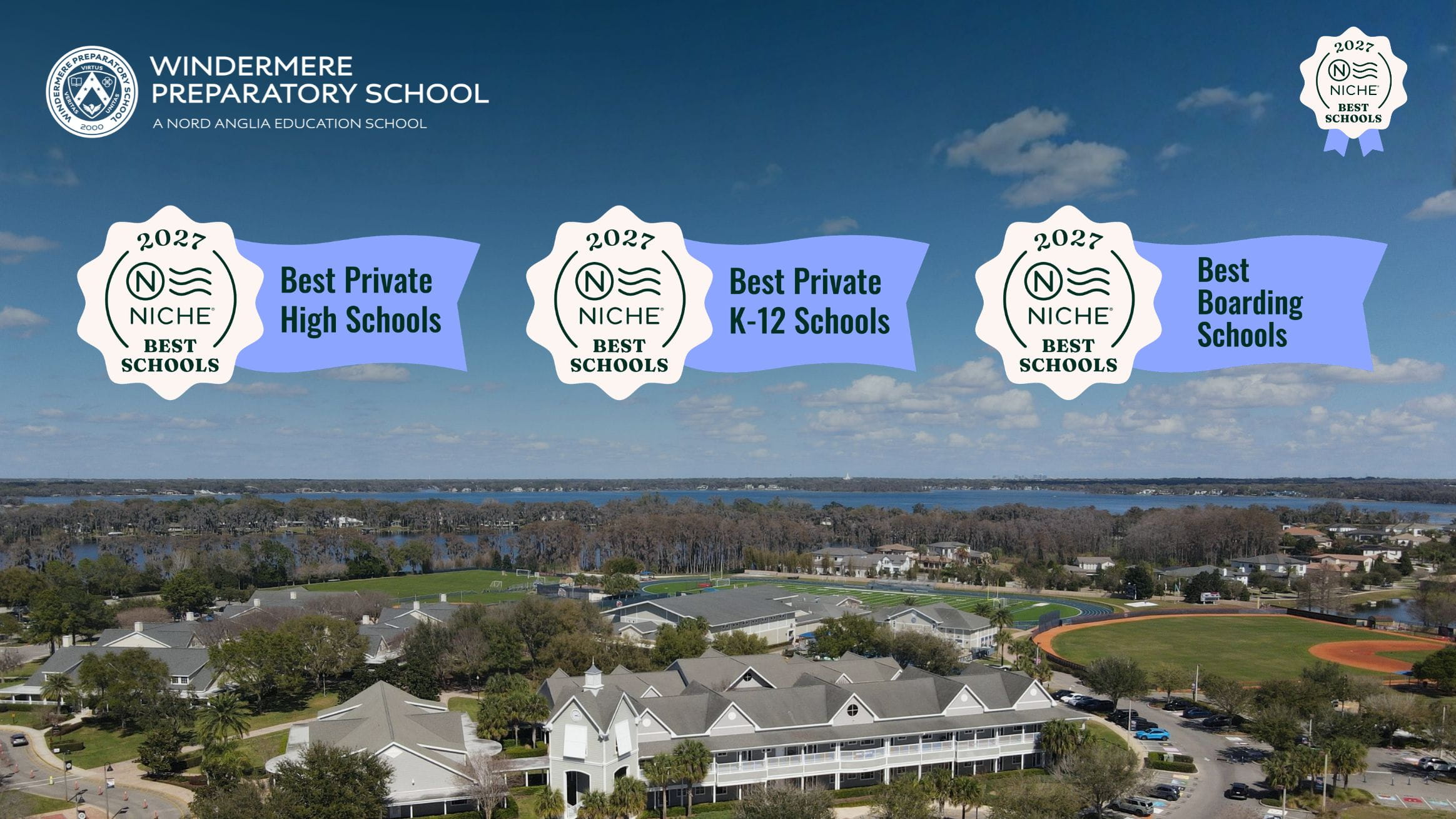
News image ![Aerial view of Windermere Preparatory School featuring 2027 Niche Best Schools recognition for Private High Schools, Private K-12 Schools, and Boarding Schools.]() News
News
 News
News Windermere Prep Ranked #1 Best Private High School in Orange County in Niche 2027
Windermere Preparatory School maintains its #1 private school rankings in Orange County for the fourth consecutive year, with additional recognition among the top private and boarding schools nationwide.
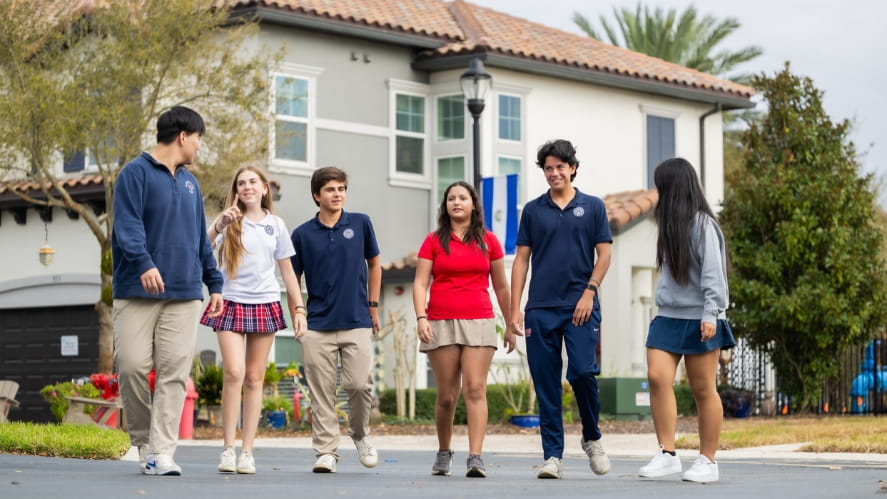
News image ![Windermere Preparatory School boarding students walking together through the residential life community in Orlando, Florida.]() Blog
Blog
 Blog
Blog Why Choose a Boarding School in Florida? A Unique Educational Experience in Orlando
Discover the benefits of boarding school in Florida, where academic excellence, world-class opportunities, and vibrant student life come together in Orlando.

.svg?rev=9fe0e392449346898bfb5359a1712c74&hash=2E8D39D3559552B6E795631213A05C02)

.svg?rev=c1fad1a5d67c42c181bab95cecd7c167&hash=1870839504BB90C30A203B0F1EEDAE8E)
