




We use cookies to improve your online experiences. To learn more and choose your cookies options, please refer to our cookie policy.
January 13, 2026
The January Slump: Supporting Your Student’s Mental Health Mid-Year

The start of a new year is often framed as a fresh beginning, but for many students, January feels anything but refreshing. After the excitement of the holidays fades, students are thrown back into academic routines, rising expectations, and packed schedules.
At Windermere Preparatory School, student well-being is a cornerstone of our community. Academic excellence thrives when students feel supported emotionally, socially, and mentally. As an International Baccalaureate (IB) World School, we recognize that learning is holistic, and that mental health plays a vital role in a student’s ability to grow, reflect, and succeed.
Mid-year is a critical moment for families to check in, recalibrate, and provide intentional support. Continue reading to explore five meaningful ways parents can help their children navigate the January slump with confidence, balance, and resilience.
#1: Recognize the Signs of Burnout
Burnout isn’t always apparent. Often, it shows up quietly, through changes in mood, motivation, or behavior. Students experiencing mid-year fatigue may seem more irritable, withdrawn, anxious, or overwhelmed by tasks that once felt manageable.
Common signs of burnout include:
- Difficulty concentrating or staying motivated
- Increased frustration with schoolwork
- Changes in sleep or appetite
- Emotional sensitivity or disengagement
At WPS, teachers are mindful about noticing shifts in student engagement and well-being, but families play an equally important role. Paying attention to small changes at home can help parents step in before stress becomes overwhelming.
#2: Create Space for Honest Conversations
January is a powerful time to pause and check in emotionally. Rather than focusing solely on grades or performance, invite open conversations about how your child is feeling.
Simple prompts like:
- “What feels too difficult right now?”
- “What’s been taking up most of your mental energy?”
- “What helps when school feels overwhelming?”
These discussions mirror the reflective practices embedded in the IB framework and help students feel seen, heard, and supported, without pressure to “push through” stress alone.
#3: Support Rest, Routine, and Balance
The transition from holiday freedom to academic structure can be jarring. Helping students rebuild routines, while still prioritizing rest, can ease this adjustment.
Families can support balance by:
- Encouraging consistent sleep schedules
- Allowing time for movement, creativity, or downtime
- Avoiding overscheduling during demanding weeks
- Modeling healthy boundaries around work and rest
At school, students are encouraged to manage their time thoughtfully and reflect on balance as part of their personal growth. Reinforcing this at home strengthens those habits.
#4: Normalize Emotional Ups and Downs
Seasonal changes, academic pressure, and social dynamics all contribute to emotional fluctuations, especially in the winter months. Reminding students that it’s normal to feel tired, unmotivated, or stressed at times helps reduce shame and self-criticism.
Parents can normalize emotional health by:
- Talking openly about stress and coping strategies
- Sharing personal experiences with burnout or fatigue
- Reinforcing that asking for help is a strength, not a weakness
This mindset aligns with WPS’s commitment to nurturing emotionally intelligent learners who understand themselves as whole individuals, not just students.
#5: Partner With the School Community
Supporting student well-being works best when families and schools collaborate. Whether through counselors, advisors, teachers, or wellness resources, WPS provides a network designed to support students academically and emotionally throughout the year.
If concerns arise, reaching out early allows for proactive solutions that help students feel supported rather than overwhelmed.
A Mid-Year Reset for Mind and Motivation
With compassion, communication, and intentional support, families can help students move through the January slump feeling grounded and empowered. Small moments of understanding and connection can make a lasting difference in a student’s mental health and academic confidence.
The Windermere Prep difference
Windermere Preparatory School offers an educational experience rooted in global perspective, emotional well-being, and personalized learning. If your family is seeking a school that values both academic excellence and student wellness, we invite you to explore what makes our Laker community unique.
Get in touch with one of our Admissions Officers today to schedule a tour.
Related news
News image ![Aerial view of Windermere Preparatory School featuring 2027 Niche Best Schools recognition for Private High Schools, Private K-12 Schools, and Boarding Schools.]() News
News
 News
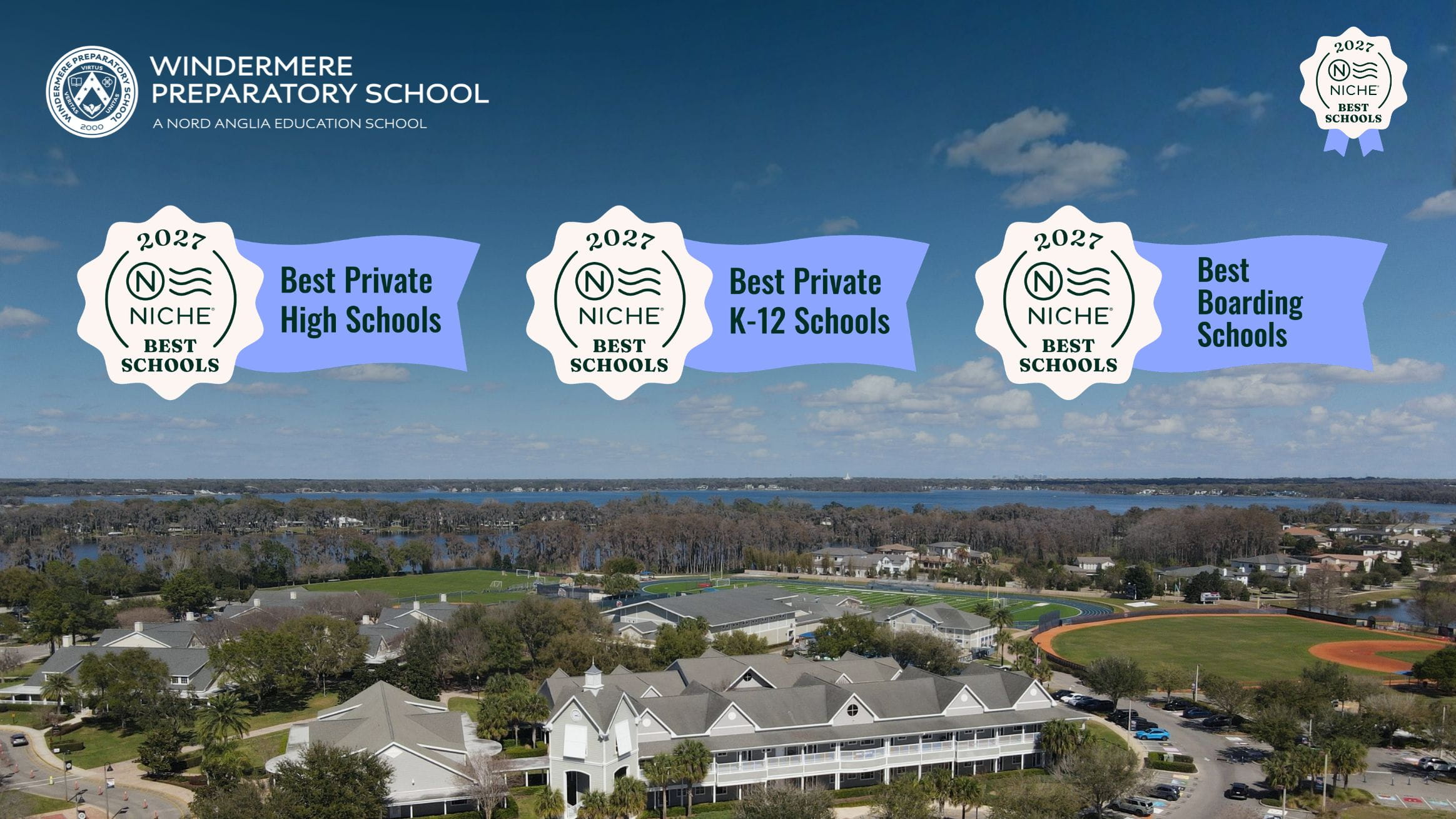
News Windermere Prep Ranked #1 Best Private High School in Orange County in Niche 2027
Windermere Preparatory School maintains its #1 private school rankings in Orange County for the fourth consecutive year, with additional recognition among the top private and boarding schools nationwide.
News image ![Windermere Preparatory School boarding students walking together through the residential life community in Orlando, Florida.]() Blog
Blog
 Blog
Blog Why Choose a Boarding School in Florida? A Unique Educational Experience in Orlando
Discover the benefits of boarding school in Florida, where academic excellence, world-class opportunities, and vibrant student life come together in Orlando.

.svg?rev=9fe0e392449346898bfb5359a1712c74&hash=2E8D39D3559552B6E795631213A05C02)

.svg?rev=c1fad1a5d67c42c181bab95cecd7c167&hash=1870839504BB90C30A203B0F1EEDAE8E)
